Summary:
Why Sump Pumps Fail During Milwaukee Storms
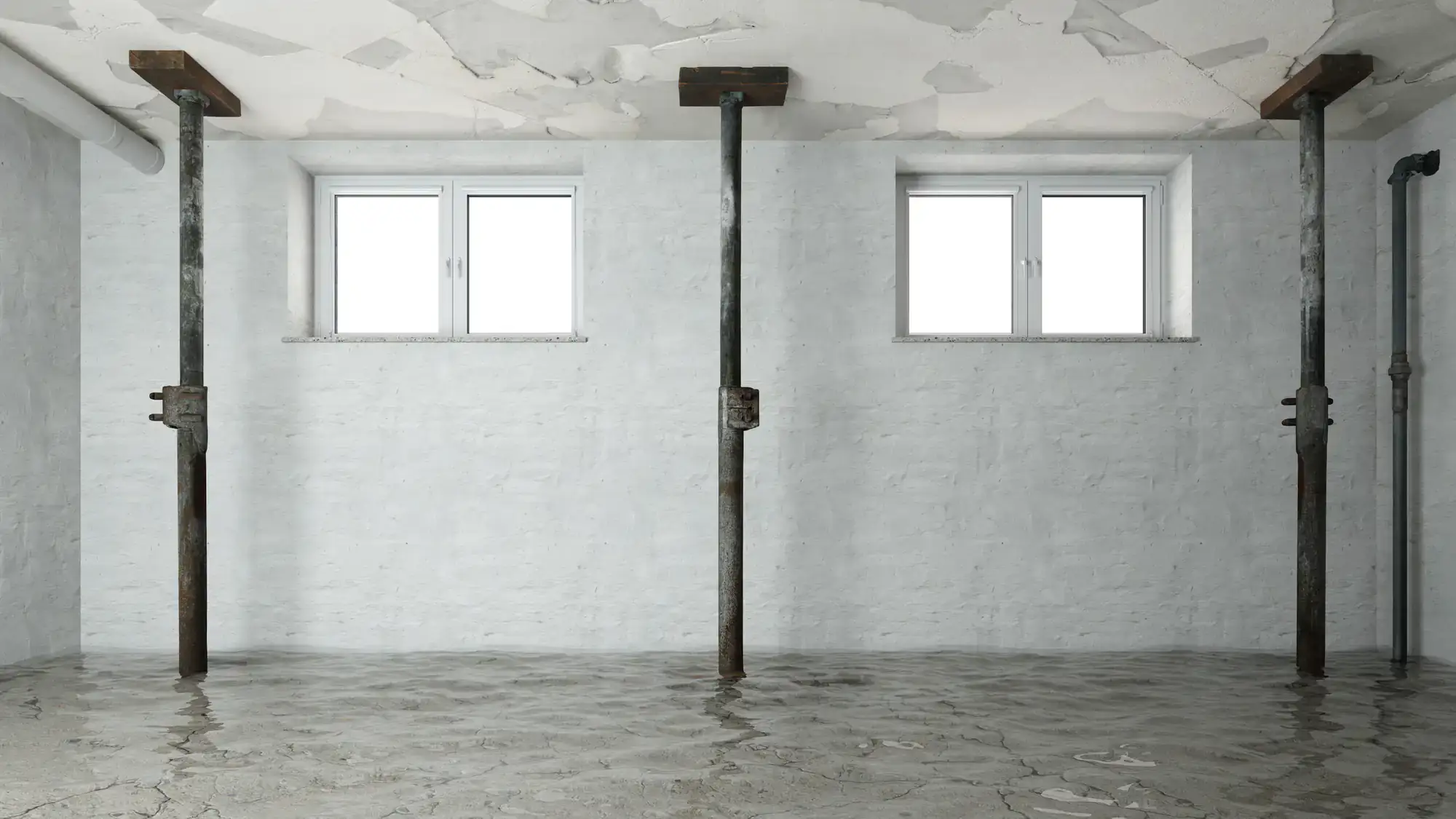
Your sump pump has one job: move water out of your basement faster than it’s coming in. When Milwaukee gets hit with those heavy spring rains or sudden snow melts, that’s a tall order. Most pumps can handle normal groundwater seepage just fine. But when we’re talking about the kind of downpours that turn Greendale streets into streams, even a good pump can get overwhelmed.
The problem isn’t always the pump itself. Sometimes it’s the power going out right when the storm peaks. Sometimes it’s a switch that’s been slowly wearing down for months. Other times, your pump just can’t keep up with the volume of water rushing into your sump pit.
Milwaukee’s weather doesn’t give you much warning. You might have a pump that’s been working perfectly for years, and then one storm exposes a weak point you didn’t know existed.
Power Outages and Electrical Issues
Here’s the cruel irony: the same storm that’s flooding your basement is probably the one knocking out your power. Your sump pump runs on electricity, so when the lights go out, your pump stops. No power means no protection, and water doesn’t wait for the utility company to fix the lines.
Power failures happen more often than most people realize during severe weather. Tree limbs hit power lines. Transformers get overloaded. Equipment fails. And your basement becomes vulnerable at exactly the wrong time.
Even if the power stays on, electrical problems can still kill your pump. Circuit breakers trip. Outlets get wet. Wiring degrades over time. If your pump is plugged into a GFCI outlet and something triggers it, your pump shuts off. You might not even know it happened until you see water on your basement floor.
Some homeowners think their pump is broken when really it’s just unplugged or the breaker flipped. But by the time you figure that out, you might already be dealing with water damage. The smarter move is having a backup power source—a battery system or generator that kicks in automatically when the main power fails. It’s not cheap, but it’s a lot less expensive than replacing a flooded basement.
The electrical component is often overlooked because people focus on the mechanical parts of the pump. But if your pump doesn’t have power, all those mechanical parts are useless. During Milwaukee’s August 2025 flooding, thousands of homes lost power while the rain kept falling. The homes with backup power systems fared much better than those without.
Mechanical Failures You Can't Ignore
Sump pumps are mechanical devices, which means parts wear out. The most common failure point is the float switch—that’s the mechanism that tells your pump when to turn on and off. When the water level rises, the float rises with it, triggering the pump to start. When the water level drops, the float drops, and the pump shuts off.
Sounds simple, right? Except float switches get stuck. They get tangled. They break. And when they fail, your pump either runs constantly (burning out the motor) or doesn’t run at all (letting your basement flood). Cheaper plastic switches are especially prone to problems. The vibration from the pump itself can knock the float out of position over time, causing it to lean against the pit wall where it can’t move freely.
Then there’s the pump motor itself. Motors fail when they overheat, which happens when they’re working too hard for too long. If your pump is undersized for your home’s needs, it’s constantly struggling to keep up. That extra stress shortens its lifespan significantly. An undersized pump might work fine during light rain but fail completely during a heavy storm when you actually need it.
Debris is another silent killer. Dirt, gravel, small rocks—they all get into your sump pit over time. If that debris gets into the pump’s intake or impeller, it can clog the system or damage the moving parts. The pump might make strange grinding or rattling noises as it tries to work around the obstruction. Those noises are your warning that something’s wrong.
Discharge lines cause problems too. These are the pipes that carry water away from your house after the pump removes it from the pit. If the discharge line gets clogged with debris or freezes during winter, water can’t exit properly. The pump keeps running, but the water has nowhere to go. Eventually, it backs up into your basement.
The check valve—a small component in the discharge line—prevents water from flowing back into the pit after the pump shuts off. If this valve breaks or goes missing, a significant amount of water flows right back down every time the pump cycles off. That makes your pump work two or three times harder than it should, leading to premature failure and higher electric bills.
Most mechanical failures don’t happen overnight. Your pump gives you signs—unusual noises, frequent cycling, longer run times, rust or corrosion on visible parts. The problem is that most people don’t spend much time in the part of their basement where the sump pump lives, so they miss these warning signs until it’s too late.
Warning Signs Your Sump Pump Is About to Fail
Your sump pump will tell you when it’s struggling—you just have to know what to listen for. Most failures don’t come out of nowhere. There are usually signs in the days or weeks before a pump quits completely. Catching these early gives you time to fix the problem or replace the pump before the next storm hits.
The challenge is that these signs can be subtle if you’re not paying attention. A slight change in sound. A pump that runs a little longer than usual. Small things that are easy to miss when you’re not actively monitoring your system.
That’s why regular checks matter, especially before storm season kicks in.
Strange Noises and Constant Cycling
A healthy sump pump makes a low, steady hum when it’s running. You should barely notice it. If your pump starts making loud grinding noises, rattling sounds, or anything that makes you stop and think “that doesn’t sound right,” something’s wrong. These noises usually mean worn bearings, a damaged impeller, or debris stuck in the pump.
Ignore those sounds and you’re asking for a breakdown. The noise is your pump telling you it’s working harder than it should. Parts are rubbing together that shouldn’t be. Components are loose or damaged. Eventually, something’s going to give out completely.
Constant cycling is another red flag. If your pump is turning on and off repeatedly in short intervals—even when it hasn’t rained—that’s not normal. It could mean a stuck float switch, a faulty check valve, or a pump that’s undersized for your needs. Each time the pump cycles, it puts stress on the motor. Excessive cycling wears it out faster.
Pay attention to how long your pump runs during a typical rain. If it used to run for 30 seconds at a time and now it’s running for two minutes, something’s changed. Either more water is coming in than before, or your pump isn’t removing water as efficiently as it used to. Both scenarios need investigation.
Vibration goes hand in hand with noise. If your pump is shaking or vibrating more than usual, that often indicates a problem with the impeller—the part that actually moves the water. Excessive vibration can damage the pump mount, loosen connections, and eventually cause the pump to fail. It’s not something that fixes itself. It only gets worse.
The smell test matters too. If you notice a burning smell coming from your pump, shut it off immediately. That’s usually the motor overheating, which means it’s about to fail or already has internal damage. A musty smell around the sump pit could indicate the pump isn’t draining properly, leaving standing water that’s starting to stagnate.
Visible Damage and Performance Issues
Sometimes the warning signs are things you can see, not just hear. Rust or corrosion on your sump pump is a clear indicator that it’s aging and potentially weakening. While sump pumps work with water by nature, they shouldn’t be rusting heavily. Significant corrosion can indicate bacterial buildup or a corroded battery in your backup system. Either way, a heavily rusted pump is living on borrowed time.
Check your sump pit itself. Is there water sitting in it all the time, even during dry weather? There should be some water—that’s normal—but if the level seems higher than usual or the water looks murky or dirty, your pump might not be clearing the pit properly. That could mean a clog, a weak motor, or a discharge line problem.
Look at the pump’s position in the pit. If it’s sitting directly on the bottom, debris can easily get sucked into the intake. A pump should be elevated slightly above the bottom of the pit on a stand or pedestal. If yours isn’t, or if it’s shifted position over time, that’s a setup for failure.
Age is a factor you can’t ignore. Most sump pumps last seven to ten years with regular use. If yours is older than that, you’re in the danger zone. Even if it seems to be working fine, the internal components are wearing down. The motor is less efficient. The seals are degrading. It might work fine during light rain but fail during a heavy storm when you need it most.
Test your pump regularly—at least twice a year, ideally before spring rains and again before winter. Pour a bucket of water into the sump pit and watch what happens. The pump should turn on automatically when the water reaches a certain level, run until the pit is mostly empty, then shut off. If it doesn’t turn on, doesn’t shut off, or takes much longer than usual to clear the water, you’ve got a problem.
Performance issues show up in your basement too. If you’re seeing dampness on your basement floor or walls, especially after rain, your pump might not be keeping up. Water stains near the floor level, a musty smell, or visible moisture are all signs that water is getting into your basement despite having a pump.
The discharge pipe outside your house tells a story too. Go outside during a rain and check whether water is actually coming out of the pipe. If your pump is running but water isn’t flowing out, the line is clogged or frozen. In winter, ice buildup in the discharge line is common and can completely block water flow, rendering your pump useless no matter how well the motor is working.
What to Do When Your Basement Starts Flooding
When water starts coming into your basement, every minute counts. Don’t waste time trying to fix the pump yourself if water is actively rising. Your first priority is safety—stay out of standing water if your power is still on. Electricity and water are a deadly combination. If you can safely shut off power to the basement, do it. If not, stay out and call for help.
Once it’s safe, you need professional water removal fast. The longer water sits, the more damage it causes. Drywall absorbs moisture. Wood warps. Mold starts growing within 24 to 48 hours. What starts as a pump failure can quickly become a much larger and more expensive problem if you don’t act immediately.
Document everything with photos and videos for insurance purposes, but don’t delay calling for emergency flood restoration while you do it. We have industrial-grade extraction equipment that removes water far more effectively than shop vacs or mops. We also have moisture meters to detect hidden water in walls and subfloors that you can’t see. This is where experience and proper equipment make a real difference in preventing long-term damage to your home.
After the immediate emergency is handled, you’ll need to address the sump pump failure that caused the flooding in the first place. Sometimes it’s a simple fix like a tripped breaker or unplugged cord. Other times, the pump needs repair or replacement. Either way, you don’t want to go through another storm without a working system. If your basement has flooded once, it can flood again—and probably will if the underlying problem isn’t fixed.
Milwaukee homeowners have enough to worry about without adding basement flooding to the list. Knowing what to watch for, understanding why pumps fail, and having a plan for when disaster strikes puts you ahead of most people. When you need emergency water removal or flood damage cleanup in Greendale or anywhere in Milwaukee County, we respond fast with the equipment and experience to handle it right.