
Smoke damage can linger long after a fire has been extinguished, leaving behind harmful residues and unpleasant odors that can affect your health and comfort.
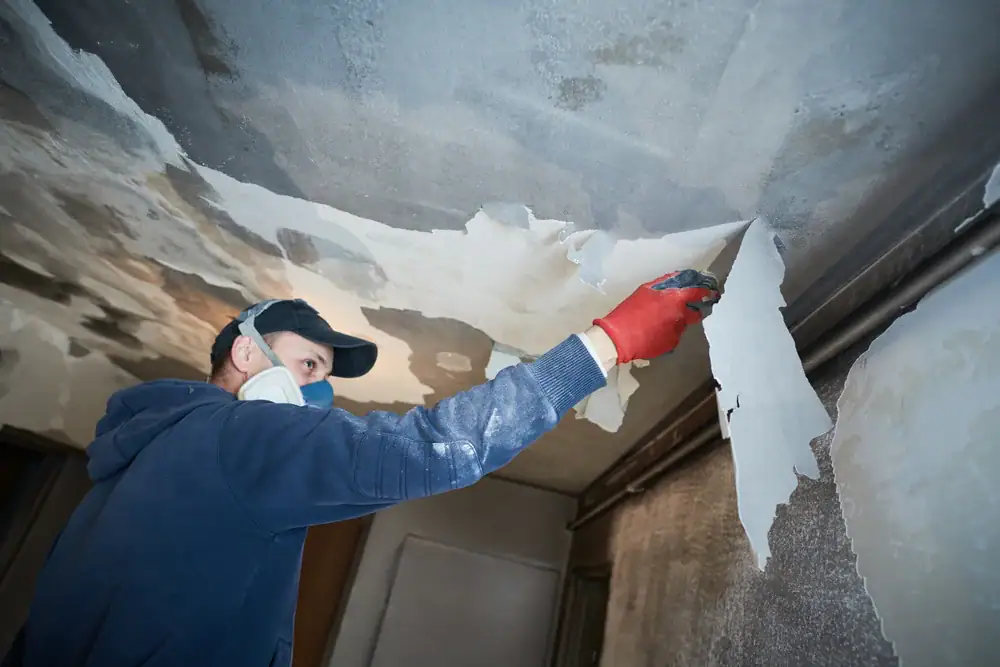
Smoke travels much further than fire, which is why so many smoke damage calls come from properties that never had a flame in the room at all. A contained kitchen fire, a furnace that back-puffed, a neighboring unit in a duplex: the fire is dealt with in minutes and the smoke problem lasts for months.
Not all smoke is the same, and the type decides the method. A fast, hot fire leaves dry smoke, a fine powdery residue that brushes off relatively easily. A slow, smoldering fire leaves wet smoke, which is thick, sticky and smears badly if you wipe it, turning a cleaning job into a staining job. Kitchen fires leave protein residue, which is almost invisible on a light wall and carries the strongest odor of the three. Burning oil leaves its own heavy soot again.
Soot is acidic and it does not wait. It continues to etch metal, glass, grout and finishes for as long as it sits on them, so the window in which something can be cleaned rather than replaced is measured in days and weeks, not months. Chrome, brass and appliance finishes discolor first, then plastics yellow permanently.
We answer 24/7 across Milwaukee County from Greendale, our technicians hold IICRC certification, and the assessment costs you nothing.
The source of the smoke tells us what the residue is made of, which decides the cleaning chemistry, the equipment, and whether items can be saved. Getting that wrong is how people set a stain permanently while trying to clean it.
These are the three we are called out to most.
The most common cause and the most underestimated. Burning food and oil produce a protein residue that is nearly invisible on a light surface, so people assume a wipe down has dealt with it. It has not: the residue is still on every surface in the room and carries an intense, persistent smell that gets worse in warm, humid weather.
Because it is so hard to see, this is the damage most often painted over. Odor then comes back through the new paint within weeks, and the room has to be stripped and done properly the second time. Cabinets are usually the deciding factor, since the residue coats every interior surface including the undersides and backs.
Years of cigarette smoke leave a tar and nicotine film on every surface in a property, including ceilings, inside cabinets, and through the ductwork. It is a genuine restoration job rather than a deep clean, and it is one of the most common reasons we are called into a property at handover or turnover.
Two things make it different from fire smoke. It is uniform, because it built up everywhere over years rather than spreading from one event. And it will bleed through ordinary paint, so surfaces are cleaned first and then sealed with a shellac-based primer before any finish coat, or the staining and the smell come straight back through.
A failed motor, an overheated appliance or a furnace that back-puffs can fill a property with smoke without ever producing a fire the department attends. Puff-back from an oil furnace is the worst of these, spraying an oily soot through the whole ductwork system and out of every register in the building.
These cases catch people out because there is no fire to point at, so the damage gets attributed to a dirty house rather than an event. If your walls, ceilings and vents darkened over a short period and there is a smell you cannot place, have the heating system inspected and get the residue identified before you try to clean it.
If you can smell smoke, the residue is still there, and every week it sits costs you options. Call 414-519-9912 for a free assessment with no obligation.
We will identify what type of residue it is, tell you what can be cleaned and what genuinely cannot, and put it in writing whether or not you hire us.
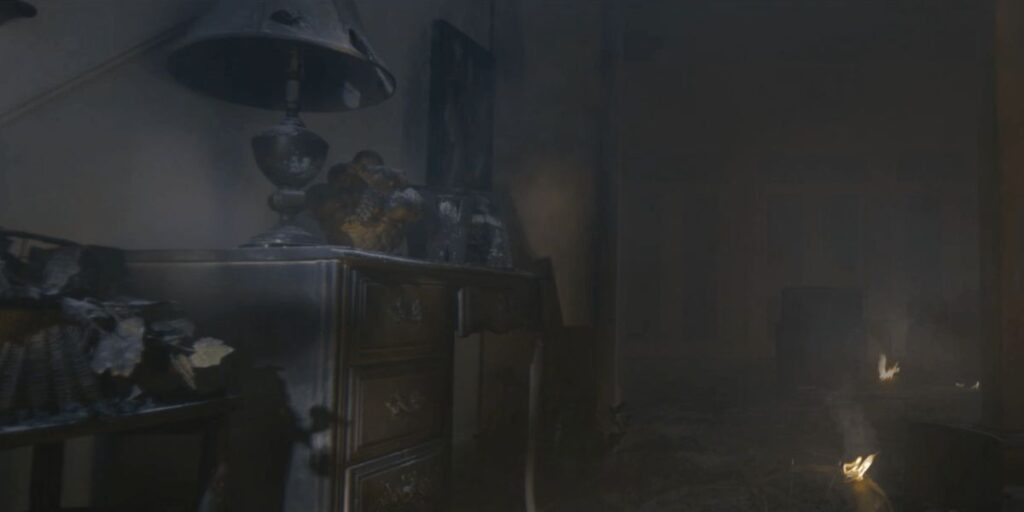
Smoke cleanup runs in a strict order, because doing step four before step two sets the damage permanently.
1. Identify the residue. Dry, wet, protein or fuel oil. This decides the chemistry and the method for everything that follows, and it is why a test patch comes before any wholesale cleaning.
2. Contain and filter. Affected areas are contained so cleaning does not push residue into clean parts of the property, and air scrubbers with HEPA filtration run throughout to capture the fine particles that cleaning disturbs.
3. Dry cleaning first, always. Chemical sponges and specialist dry methods lift residue off surfaces before anything wet touches them. Going in with water first is the single most common and most expensive mistake, because it turns loose soot into a smear that is then permanent.
4. Wet cleaning where appropriate. Only after dry methods have removed the bulk, and only with chemistry matched to the residue type.
5. HVAC. Ductwork is inspected and cleaned, because the system will otherwise redistribute the smell through everything you have just paid to clean.
6. Deodorize, then seal if needed. Air treatment addresses what is left once the source is gone. Sealing framing with a shellac-based primer is a legitimate final step where odor has soaked into structure, but it is a last step, never a shortcut past the cleaning.
One question worth asking any company you call: what type of smoke residue is this, and how do you know? If the answer is vague, or if the plan starts with wet cleaning or with painting, keep calling.
We are based in Greendale and cover Milwaukee County, we answer 24/7, and the assessment is free with no obligation attached.
Usually yes when it follows a covered fire, and this is where it helps to know how insurers think about it.
Smoke damage that results from a sudden, accidental fire is normally covered under a standard homeowners policy, and that generally holds even where the fire itself was in a neighboring unit or property rather than yours. Puff-back from a heating system is often covered too, since it is a sudden mechanical failure rather than wear.
What is generally not covered is gradual accumulation. Years of cigarette smoke is treated as a maintenance issue, not a peril, so a nicotine restoration job is almost always paid for privately, frequently by a landlord or at a property sale.
One point people miss: contents are usually settled separately from the structure, and with smoke damage the contents claim is often the larger half, because soft furnishings, clothing and electronics take the worst of it. Build that inventory while items are still in place, photographed, rather than afterwards from memory.
We document from the first visit in the format adjusters expect and bill your carrier directly where the policy allows.
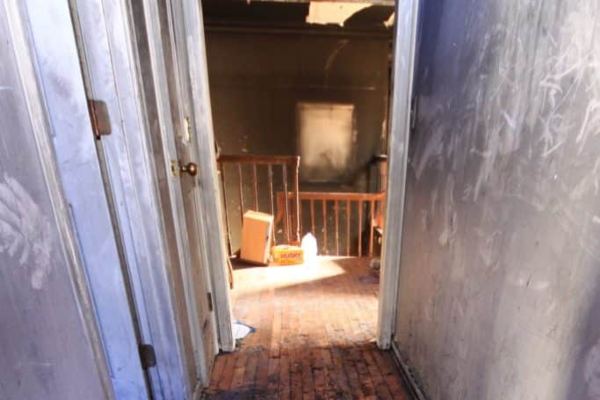
Because soot is chemically active, not just dirty. It is acidic, and it keeps reacting with whatever it is sitting on for as long as it stays there.
The damage runs on a rough timeline. Within hours, metals begin to discolor and porous surfaces start absorbing the odor. Within days, chrome, brass and appliance finishes etch, grout and unsealed stone stain, and plastics begin to yellow. Within weeks a lot of that becomes permanent, so items that could have been cleaned in week one need replacing by week four.
That is why smoke damage is treated as an emergency even when there is no structural damage and the property is perfectly safe to stand in. Nothing looks like it is getting worse, and it is.
Please do not, and this is the most useful thing on this page. Household cleaners are water-based, and most smoke residue is oily. Water on oily soot does not lift it, it spreads it and drives it into the surface, turning a residue that would have come off into a stain that will not.
Professional cleanup starts dry for exactly this reason. Chemical sponges and dry methods lift the bulk of the residue off first, and only then does anything wet get used, with chemistry matched to the residue type.
Two more to avoid. Do not run the HVAC system, because it will distribute residue through the whole property. And do not paint over anything: smoke odor and staining bleed through ordinary paint, so you lose both the paint and the time.
What does help is ventilation if the weather allows, keeping the property cool and dry since heat and humidity intensify the smell, and photographing everything before it moves.
Surface cleaning only addresses what you can see, and smoke particles are fine enough to penetrate into porous materials, settle inside wall cavities, and get drawn into insulation.
The order that actually works is source, then air, then seal. Anything holding odor that cannot be cleaned comes out first, because no amount of air treatment beats a source that is still there. Then every remaining surface is cleaned with the correct chemistry. Then air treatment, using equipment such as hydroxyl or ozone generators, deals with what remains in the air and in surfaces.
Where odor has genuinely soaked into framing, sealing that structure with a shellac-based primer before the wall is closed is a legitimate and effective final step. The important word is final. Sealing an uncleaned surface just postpones the problem until the first warm, humid week.
It depends on the severity and on who is in the household, and it is worth taking seriously rather than toughing out.
Fine soot particles are respiratory irritants, and the risk is higher for children, older people, and anyone with asthma or a heart or lung condition. The cleaning process itself also disturbs settled residue and puts it back into the air temporarily, which is why we run HEPA air scrubbers throughout and contain work areas.
For a small, contained area it is often reasonable to stay, with the affected room sealed off. For widespread damage, and particularly where the HVAC system has distributed residue through the property, most people are better off out of the building while the work runs.
If your home is genuinely uninhabitable, additional living expenses are covered under most policies. People routinely fail to claim them, so raise it with your adjuster early.
Electronics are unusually vulnerable and unusually salvageable, which is a combination worth knowing.
They are vulnerable because their cooling fans pull air, and therefore soot, straight into the case and across the boards. Once acidic residue is sitting on a circuit board it corrodes it, and the failure often happens weeks later rather than immediately, which is why people connect the two events too late.
They are salvageable because specialist electronics restoration is genuinely effective if items are treated before that corrosion takes hold. The single most useful thing you can do is not switch them on. Powering up a smoke-affected device is what turns contamination into a short.
So: leave them off and unplugged, do not test them, and get them onto the contents inventory with photographs. Whether they are cleaned or replaced becomes an insurance conversation rather than a loss you absorb.
Yes, and it is the step most often skipped by cheaper quotes. Your heating and cooling system moves air around the whole property, which means it also moves smoke.
If the system was running during or after the incident, it will have drawn smoke in and distributed it to rooms nowhere near the source, depositing residue inside the ductwork on the way. That residue then keeps re-releasing odor every time the system runs, which is the usual explanation when a property still smells after everything visible has been cleaned.
The system is inspected, ducts are cleaned where residue is present, and filters are replaced. On a furnace puff-back, particularly with an oil system, duct cleaning is not optional at all, because that is the route the soot took through the building in the first place.
It also gets checked again at the final walkthrough, with the system running and the house closed up, because that is the condition that brings a missed smell back.