Summary:
What Makes Commercial Water Damage Different in Milwaukee
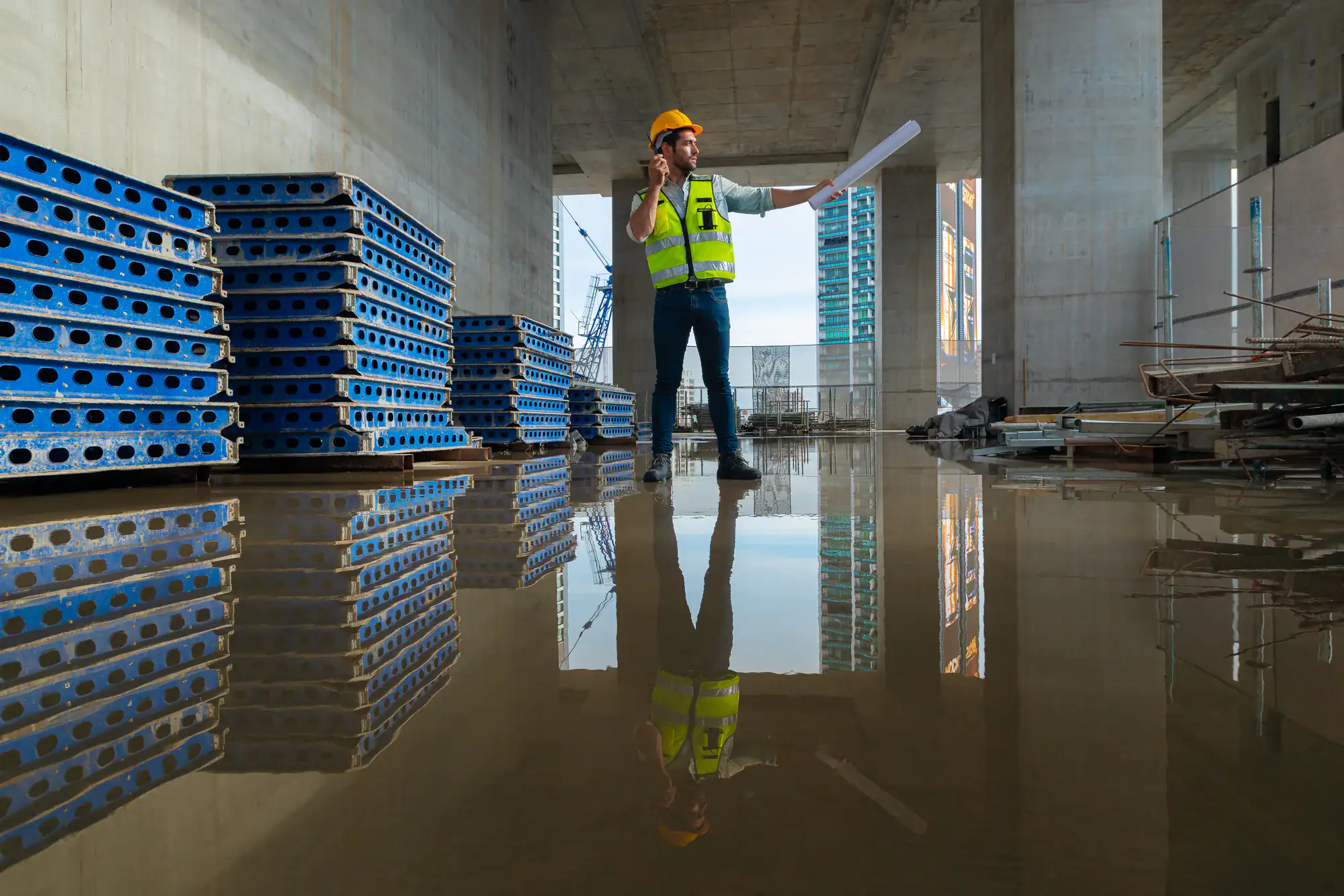
Commercial water damage operates on a different scale than residential problems. You’re not dealing with a wet basement in a single-family home. You’re managing a crisis that affects employees, customers, inventory, equipment, and your ability to generate revenue.
Milwaukee’s aging infrastructure and weather patterns create specific vulnerabilities. The city’s sewer systems can get overwhelmed during heavy spring rains. Older commercial buildings in Greendale and throughout Milwaukee County often have plumbing that’s been patched and repaired for decades. When those systems fail, they fail big.
The financial pressure is immediate. Research shows the average commercial water damage claim runs around $24,000, but that’s just the direct repair cost. It doesn’t account for the revenue you’re not bringing in while your doors are closed or your operations are limited. Every hour of downtime compounds the problem.
Common Causes of Commercial Water Damage Milwaukee Businesses Face
Sprinkler malfunctions top the list of commercial water damage causes, and they’re particularly destructive because they’re designed to discharge large volumes quickly. A standard commercial sprinkler head releases 20 to 40 gallons per minute. If it activates accidentally—due to corrosion, mechanical damage, or someone bumping it during a remodel—you could have hundreds of gallons flooding your space before anyone even realizes what’s happening. The water isn’t clean, either. It’s been sitting in those pipes, mixing with rust and sediment, which means everything it touches needs serious attention.
Burst pipes are the other major culprit, especially during Milwaukee’s brutal winter months. When temperatures drop and pipes freeze, the expanding ice creates pressure that old or poorly insulated plumbing can’t handle. You might not even know there’s a problem until the pipe thaws and water starts pouring into walls, ceilings, or equipment rooms. By then, the damage has already started spreading.
Roof leaks account for about 15% of commercial water damage insurance claims. Flat or low-slope roofs common on commercial buildings can collect water when drainage systems get clogged with debris. That standing water eventually finds its way through seams, flashings, or deteriorated roofing material. The tricky part is that roof leaks often go unnoticed until water shows up somewhere obvious—like dripping onto a desk or staining a ceiling tile—and by that point, there’s usually hidden damage in the structure above.
HVAC system failures, appliance malfunctions, and plumbing line breaks round out the usual suspects. The connecting thread is that these aren’t small, manageable drips. Commercial systems move water at volumes that can flood large areas in minutes. When something goes wrong, it goes wrong fast, and the window for preventing serious damage is narrow.
How Commercial Water Damage Spreads Through Buildings
Water doesn’t stay where it lands. It migrates through the path of least resistance, which in commercial buildings means it can travel considerable distances from the source. It seeps into drywall, soaks insulation, runs along joists, and pools in spaces you can’t see without pulling apart walls or ceilings. This hidden moisture is where your long-term problems begin.
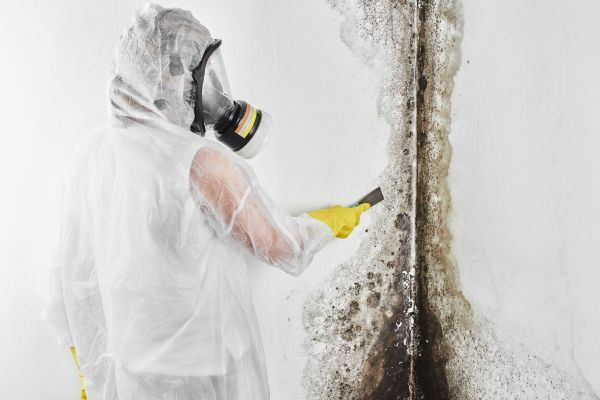
Within 24 to 48 hours, mold starts developing in damp environments. Commercial buildings have plenty of organic material for mold to feed on—drywall paper, ceiling tiles, carpet backing, wood framing. Once mold establishes itself, you’re not just dealing with water damage anymore. You’re dealing with a potential health hazard that requires specialized remediation and could trigger liability concerns if employees or customers are exposed.
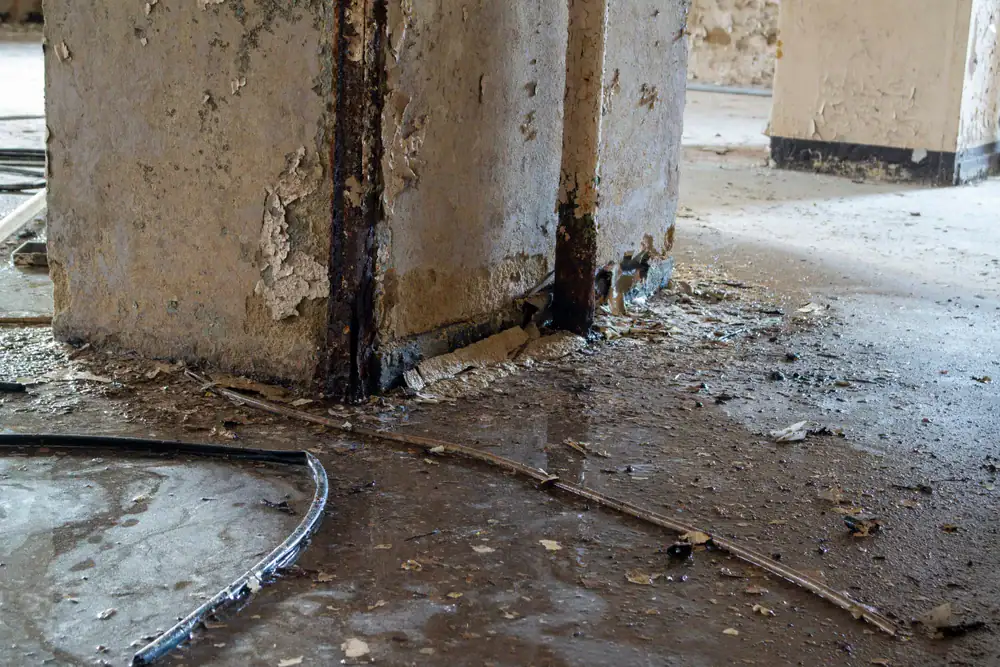
The structural implications matter too. Water weakens building materials. Wood swells and warps. Metal corrodes. Drywall loses its integrity. Flooring adhesives fail. If water reaches electrical systems, you’re looking at safety hazards that could require shutting down entire sections of your building until repairs are complete. The longer water sits, the more extensive the damage becomes, and the more expensive and time-consuming the restoration.
This is why response time is everything. Restoration companies talk about the “golden window”—that first 24 to 48 hours when quick action can prevent most secondary damage. Miss that window, and what could have been a manageable office flood cleanup becomes a major reconstruction project. For businesses, that extended timeline translates directly into extended downtime, which is often more costly than the physical repairs themselves.
Temperature and humidity play a role too. Milwaukee’s climate means buildings can experience significant temperature swings, and those changes affect how quickly water evaporates and how aggressively mold grows. Summer humidity makes everything worse. Even after visible water is removed, moisture trapped in materials continues causing problems if it’s not properly dried using professional equipment that can monitor and control the environment.
Emergency Water Removal Milwaukee: What Happens When You Call
The moment you discover commercial water damage, the clock starts. Your first call should be to a restoration company that operates 24/7 and can mobilize immediately—not tomorrow morning, not after the weekend, but within the hour. That rapid response is what separates a manageable incident from a business-crippling disaster.
Professional emergency water removal starts with stopping the source if it’s still active, then moves quickly into assessment and extraction. We arrive with industrial pumps, commercial-grade extractors, and moisture detection equipment that can identify water you can’t see. We’re not just cleaning up puddles. We’re tracking moisture migration, testing materials, and mapping out the full scope of damage so nothing gets missed.
The goal at this stage is containment and stabilization. Get the water out. Get air moving. Start the drying process before secondary damage takes hold. This is also when documentation happens—photos, moisture readings, detailed notes—all of which become critical when you’re working with your insurance company.
Why 24 Hour Restoration Company Response Protects Your Bottom Line
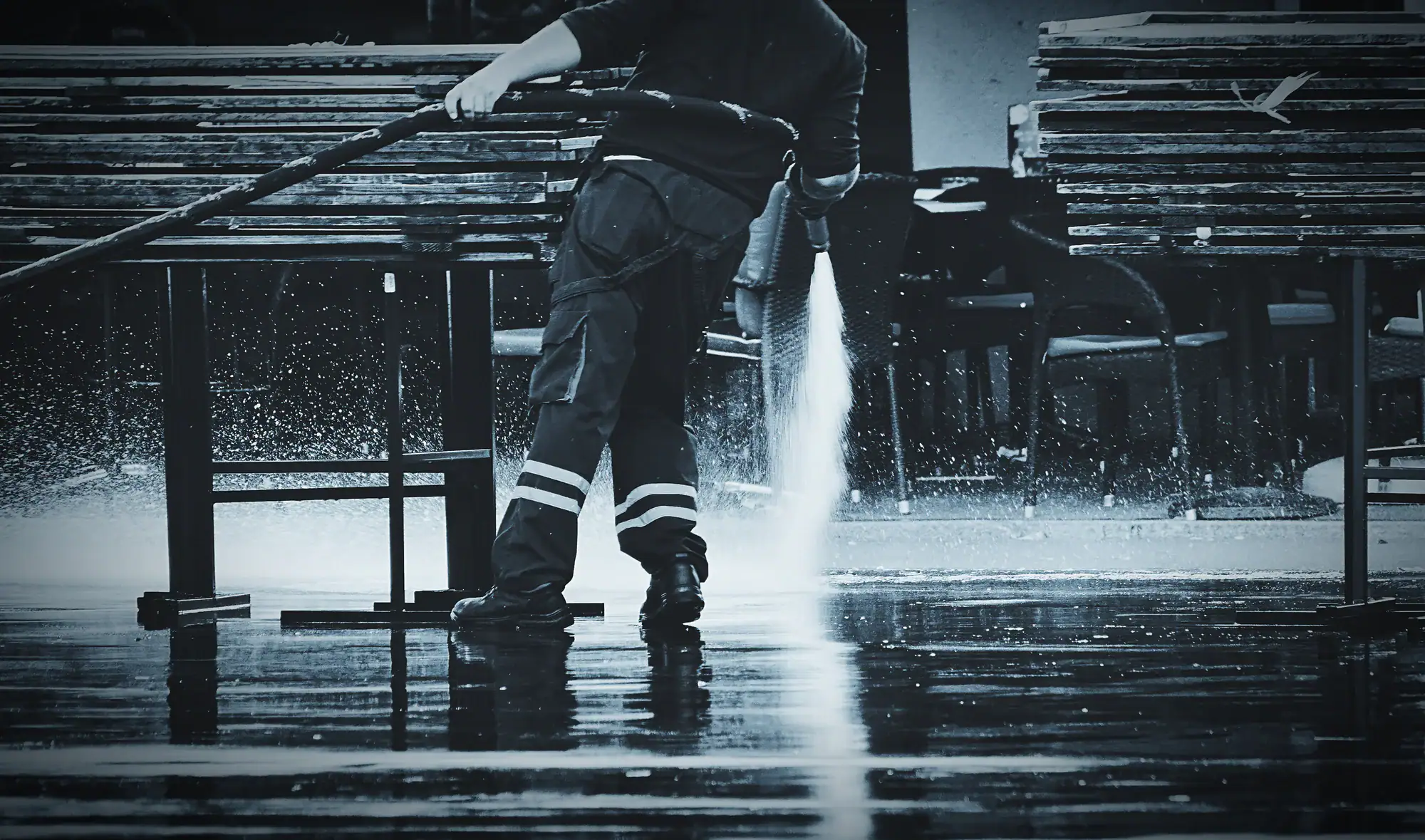
Every minute water remains in your building, it’s causing more damage. There’s a reason estimates suggest cleanup costs run about $1,000 per minute when sprinklers are left running. That’s not hyperbole. That’s the reality of how quickly water can destroy inventory, ruin equipment, and damage structural components that are expensive to replace.
A 24 hour restoration company exists specifically to eliminate delays. Water damage doesn’t respect your schedule, and neither should your response. We have crews ready to roll at 3 AM on a Sunday. We have the equipment staged and the expertise to assess your situation quickly so you’re not waiting while damage accelerates.
Speed matters for your business operations too. The faster restoration begins, the faster you can reopen or resume normal operations. If your business serves customers on-site, every day you’re closed is revenue you’re not recovering. If you’re in manufacturing or distribution, downtime ripples through your supply chain and affects your relationships with clients and partners. Getting a restoration team on-site immediately isn’t just about saving your building—it’s about protecting your business continuity.
This is especially true for businesses in Greendale and throughout Milwaukee County where commercial spaces often house multiple functions under one roof. An office flood cleanup that starts immediately might keep your team working remotely while restoration happens in specific zones. Wait 24 hours, and you might be looking at a complete shutdown because mold concerns or structural issues have made the entire space unsafe.
The restoration process itself moves faster when it starts sooner. Wet materials that are addressed within hours can often be dried and saved. Wait too long, and those same materials have to be removed and replaced, which takes longer and costs more. Faster response means less demolition, less reconstruction, and less time before you’re back to business as usual.
Industrial Water Damage Repair: What the Process Actually Involves
Industrial water damage repair goes beyond mopping floors and setting up fans. It’s a systematic process that requires specialized equipment and expertise to execute properly. Understanding what’s involved helps you know what to expect and why working with professionals makes a difference.
The process typically starts with a thorough assessment using moisture meters, thermal imaging cameras, and other diagnostic tools. We need to know exactly where water has traveled, what materials are affected, and how deep the moisture penetration goes. This isn’t guesswork. It’s data-driven analysis that informs every decision that follows.
Water extraction comes next, using powerful pumps and extractors designed for commercial volumes. This isn’t a shop vac from the hardware store. Industrial equipment can remove thousands of gallons and extract water from carpets, padding, and other materials much more effectively than consumer-grade tools. The goal is to remove as much standing and absorbed water as possible before drying begins.
Drying and dehumidification is where the real work happens. Commercial air movers and industrial dehumidifiers run continuously, sometimes for days, to pull moisture from materials and the air. We monitor moisture levels throughout the process, adjusting equipment placement and settings to optimize drying. We’re creating controlled conditions that prevent mold growth while bringing materials back to acceptable moisture levels.
Cleaning and sanitizing addresses contamination concerns. Depending on the water source—clean water from a supply line versus contaminated water from a sewer backup—different protocols apply. Affected surfaces get cleaned, treated with antimicrobials, and deodorized. This step is particularly important in commercial settings where health and safety standards must be maintained.
Finally, restoration and repairs return your space to its pre-damage condition. This might involve replacing drywall, reinstalling flooring, repainting, or rebuilding entire sections depending on damage severity. We handle this process to ensure the goal is getting your business operational again with minimal disruption to your schedule.
Throughout this process, communication matters. You need to know what’s happening, how long it will take, and what it will cost. We provide regular updates, work with your insurance company, and help you make informed decisions about repairs versus replacement, temporary measures versus permanent solutions, and how to sequence work to minimize business interruption.
Protecting Your Milwaukee Business from Water Damage Downtime
Commercial water damage is expensive, disruptive, and stressful, but it doesn’t have to shut down your business for weeks. The difference between a minor interruption and a major crisis often comes down to how quickly you respond and who you call when it happens.
For businesses in Greendale, Milwaukee County, and throughout the Milwaukee area, having a plan before water damage occurs means you’re not scrambling to find help when every minute counts. It means knowing who to call, what to document, and how to protect your employees and customers while restoration happens.
The businesses that recover fastest are the ones that partner with restoration companies equipped to handle commercial-scale emergencies—companies with 24/7 availability, industrial-grade equipment, and the experience to work efficiently without cutting corners. When water damage hits your commercial property, you need a team that understands the urgency and has the resources to minimize your downtime.
We serve Milwaukee businesses with the rapid response and professional expertise that keeps operations moving when water threatens to shut you down. Don’t wait until you’re standing in a flooded office to figure out your next move.