The fire is out and the building is still not safe to live in. Smoke has moved into rooms that never burned, the water the crews used is soaking into floors, and the roof or windows may be open to the weather. We secure the property first, then repair it: structure, drywall, flooring and finishes, with one crew from the board-up to the final walkthrough.
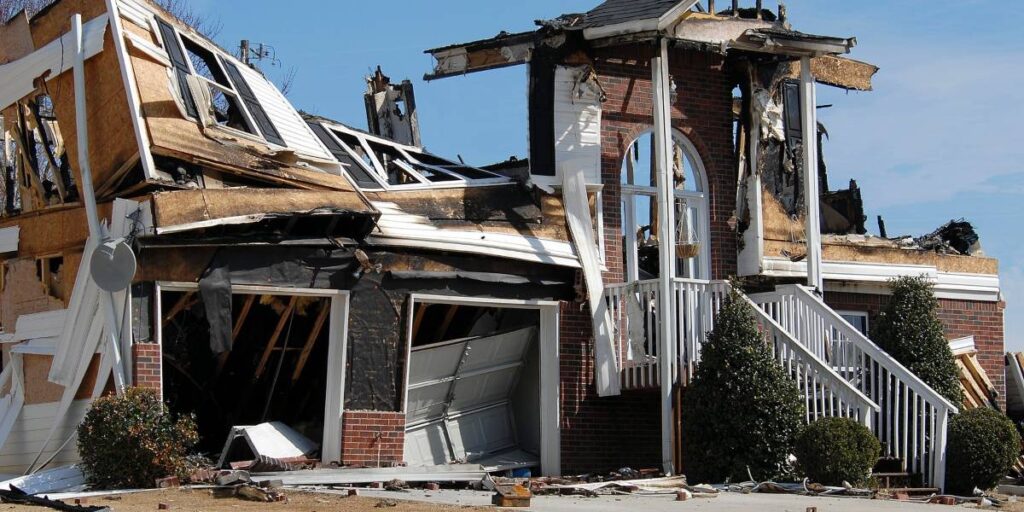
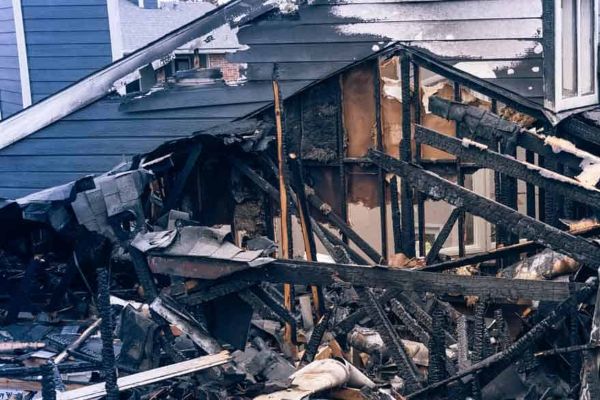
Secure the building first. Before any repair begins the property has to be made safe and weathertight. That means boarding openings, tarping the roof where the crews cut through it, and fencing off anything unstable. A fire-damaged building left open loses more to a week of rain and to theft than it often did to the fire.
Then deal with the water. Firefighting puts a great deal of water into a structure, and it is the part homeowners never anticipate. Within a day or two that water is doing its own damage to floors, ceilings and insulation, which is why fire jobs are also drying jobs and why we run both.
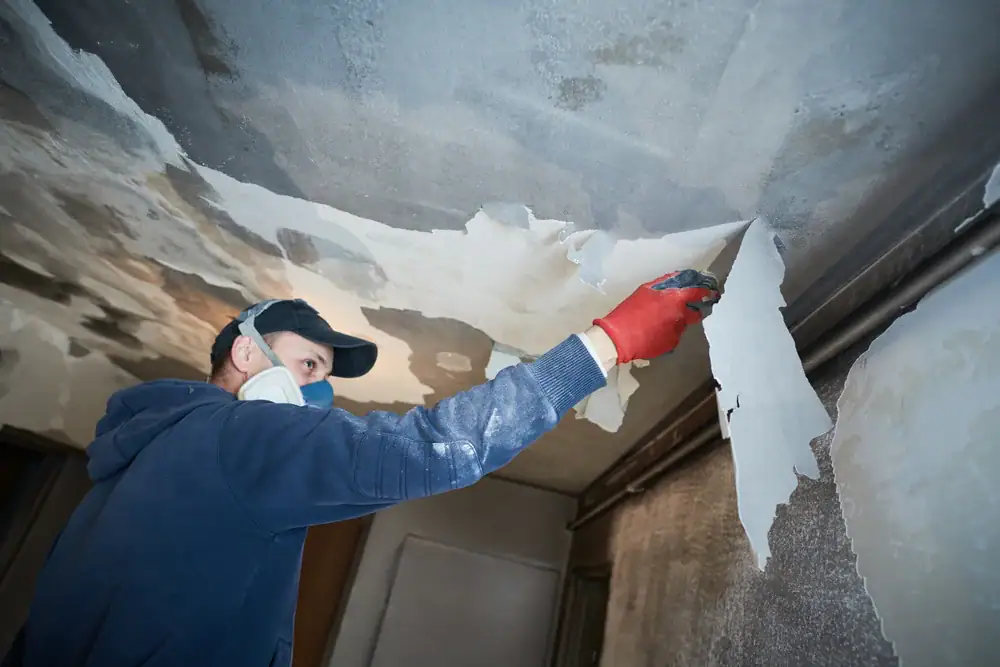
Then remove what cannot be saved, clean and deodorize what can, and only then rebuild. Reconstruction over a surface that still holds soot or odor simply seals the problem behind new paint.
One crew and one project manager across all of it. We have been doing this in Milwaukee County for over 15 years, and our technicians hold IICRC certification.
Knowing how a fire started matters for the rebuild as much as for prevention, because it tells us where to look for damage that is not obvious. An electrical fire means the wiring in that circuit is suspect well beyond the burnt area. A kitchen fire means grease-laden residue through the ventilation path. A heating fire in winter usually means the building was sealed up, so smoke went everywhere the air went.
These are the three we are called to most across the county.
Overloaded circuits, failing outlets, aged wiring and damaged extension leads are among the most common causes of house fires, and they are the ones that most often start inside a wall where nobody sees them begin.
For the rebuild that matters, because the damage follows the circuit. Heat travels along wiring and studs well past the visible char, so the repair scope has to be set by inspection rather than by what is blackened. Any wiring in the affected area is assessed by a licensed electrician before the wall is closed, and in older housing stock this is often where a small fire turns into a larger scope.
Unattended cooking is the leading cause of home fires, and kitchen fires leave a distinctive problem behind. Burning oil and food produce a greasy, protein-based residue that is nearly invisible on a light surface but carries an intense odor and bonds to everything it settles on.
Because it is hard to see, kitchen fire damage is regularly underestimated and then painted over, at which point the smell comes back through the paint. Surfaces have to be cleaned with the right chemistry for the residue type before anything is refinished, and cabinets, which absorb it on every interior surface, are usually the deciding factor in whether a kitchen is cleaned or replaced.
Space heaters, fireplaces, chimneys and furnaces account for a large share of fires in a Wisconsin winter, and they bring their own complication: the house is closed up.
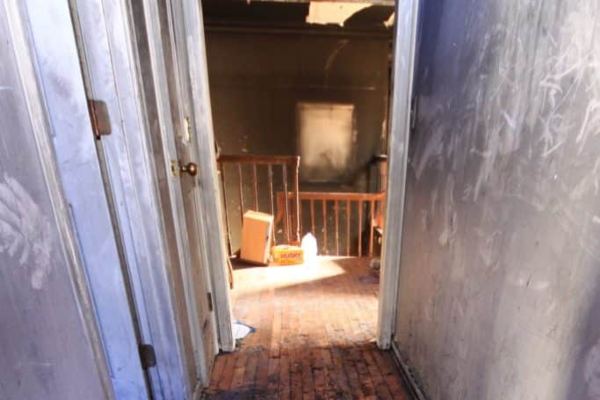
With windows shut and the heating running, smoke is drawn into the ductwork and distributed to rooms nowhere near the fire. That is why a small fire in one room routinely produces odor complaints upstairs, and why the HVAC system has to be inspected and usually cleaned even when the fire itself was contained quickly.
If the fire department has left and you are standing outside a building you cannot go back into, the next call matters. Board-up and tarping are urgent in a way the rest of the job is not, because everything left open is getting worse.
Call 414-519-9912 any hour. We will secure the property first, then walk it with you and put a written scope together once it is safe to do so.
Fire repair runs in five steps, and skipping ahead is what makes a rebuild fail.
1. Emergency board-up and stabilization. Openings boarded, roof tarped, unsafe areas isolated. This happens within hours, not days, and it is usually covered by your policy as emergency mitigation.
2. Water removal and drying. The water used to put the fire out is extracted and the structure dried to a measured target, exactly as it would be on a flood job. Rebuilding over wet framing is how you get mold behind new drywall.
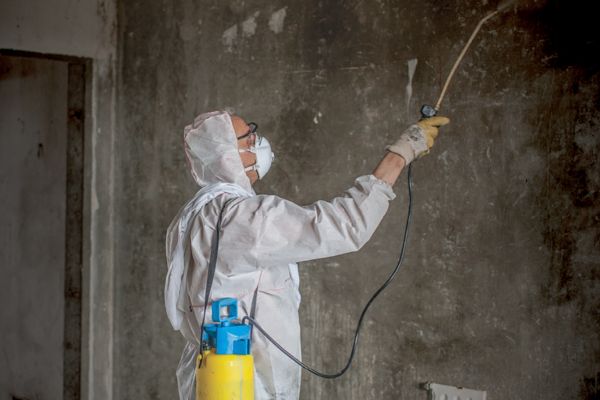
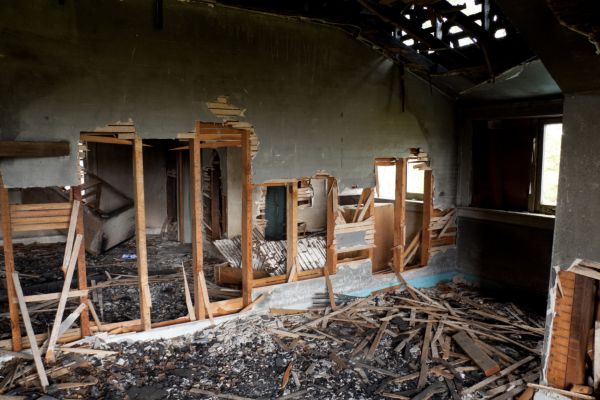
3. Debris removal and soot cleaning. Unsalvageable material comes out, then every remaining surface is cleaned with the chemistry appropriate to that residue type. Soot is acidic and continues to etch metal, glass and finishes for as long as it sits, so this step is time-sensitive rather than cosmetic.
4. Deodorization. Odor is treated at the source and in the air, including the HVAC system, before any surface is sealed. Painting over odor postpones it, it does not solve it.
5. Reconstruction. Framing repairs, electrical made good, insulation, drywall, flooring, trim and paint, finished to match the rest of the property, then a walkthrough with you before we close the job.
Fire is one of the better covered perils on a standard homeowners policy, which is genuinely good news in the middle of a bad week. Most policies cover sudden, accidental fire damage to the structure and contents, and they generally cover the water damage caused by putting the fire out, since that flows from the same event.
Three parts of a fire claim are worth understanding early. Emergency mitigation, meaning board-up and tarping, is normally covered and expected, and insurers want it done fast because an open building costs them more. Additional living expenses are included in most policies if the home is uninhabitable, and people routinely forget to claim them. Contents are usually settled separately from the structure and need their own inventory.
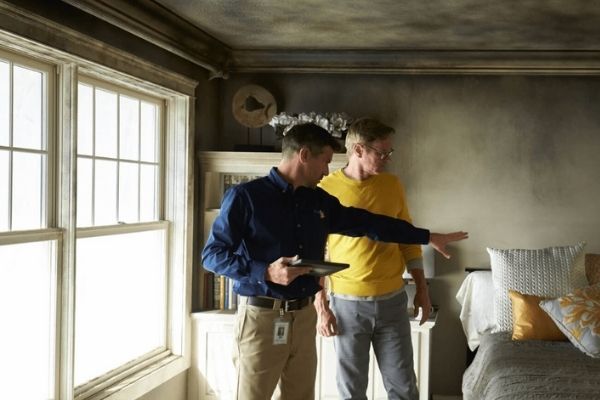
The part that decides how smoothly it goes is documentation from the first days. We photograph before anything moves, list what is removed and why, and record moisture and cleaning results as we go, in the format adjusters expect. We bill your carrier directly where the policy allows, we work with every carrier, and we are not on anyone’s preferred vendor list.
As soon as the fire department releases the scene, and we aim to be there in under 60 minutes from that call. We answer 24 hours a day and we are based in Greendale, so this is a short run rather than a dispatch from out of state.
The urgency is real rather than a sales line. Soot is acidic and starts etching metal, glass and finishes within days, so items that could have been cleaned in the first week often cannot be by the third. And an unsecured building is exposed to weather and to theft, both of which are usually your responsibility to prevent once you know about them.
The first visit is about making it safe and stopping further loss. The full assessment follows once the structure has been cleared as safe to enter.
We handle the entire recovery rather than just the first half. That covers the initial cleanup and soot extraction, and then the actual construction work: replacing flooring, installing new drywall, and reinforcing structural components until the home is back to how it was.
One crew across both phases means no handoff to a second contractor halfway through, which is where fire jobs most often stall.
Odor is treated as its own phase, because it does not come out with surface cleaning. Smoke particles are extremely fine and they penetrate porous materials, settle inside wall cavities, and travel through ductwork to rooms that never saw flame.
The sequence is source removal first, which means anything holding the smell that cannot be cleaned comes out, then cleaning of every remaining surface with chemistry matched to the residue type. Only then does air treatment do any good. Equipment such as hydroxyl or ozone generators works on what is left in the air and in surfaces, and it is genuinely effective, but only after the source has gone.
The HVAC system is inspected and usually cleaned, because it will otherwise redistribute the smell around a house you have just paid to have cleaned. Sealing is a legitimate last step on framing that has absorbed odor, but it is a final measure, not a substitute for the work above.
Yes, and on a fire claim it is a substantial part of the job. Fire claims are larger and more complex than water claims, they usually involve both structure and contents, and they often run for months.
We document from the first visit: photographs before anything is moved, an itemized record of what is removed and why, moisture readings through the drying phase, and cleaning results. That evidence is what an adjuster approves a scope from, and it is the part that cannot be reconstructed later once the debris has gone.
Two things worth raising with your adjuster early rather than late. Additional living expenses, if the property is uninhabitable, because people frequently do not claim what they are entitled to. And the contents inventory, which is easiest to build while items are still in place.
We bill the carrier directly where your policy allows, so you are not fronting a fire-sized invoice and waiting for reimbursement.
Stabilization comes before anything else and it has three parts.
Weatherproofing. Openings get boarded and any roof breach gets tarped. Fire crews often cut ventilation holes in a roof, which is the correct thing for them to do and leaves your building open to the sky.
Structural assessment. Fire weakens framing in ways that are not always visible, so affected structural members are assessed before anyone works beneath them, and unsafe areas are isolated until they are shored or replaced.
Utilities. Power, gas and water to affected areas are shut off and stay off until the systems have been checked. Wiring in a fire-affected area is assessed by a licensed electrician before the walls are closed up.
Only once those three are settled does the cleaning and rebuilding start. Rushing this step is how people get hurt.
Every job ends with a walkthrough, and on a fire job that walkthrough covers more than whether the paint looks right.
We confirm three things. That the structure is dry, from the final moisture readings rather than by feel. That odor is genuinely resolved, checked with the HVAC running and the house closed up, which is the condition that brings a smell back if anything was missed. And that the reconstruction matches the rest of the property in texture, color and finish.
You get the documentation package as well: the moisture logs, the photographs, and the record of what was removed and replaced. That file matters later, both if you sell the property and if any question about the fire ever comes up again.
Anything on the punch list gets finished before the final invoice, not after it.