
Basement flood cleanup in Milwaukee County, WI

Sump pump quit? We can be there inside the hour

A flooded basement is usually one of three things: the sump pump failed, water found a way through the foundation, or a pipe let go. Each one needs a different fix, and the first hour decides how much of your floor survives. We answer 24/7 across Milwaukee County and aim to be at your door in under 60 minutes.
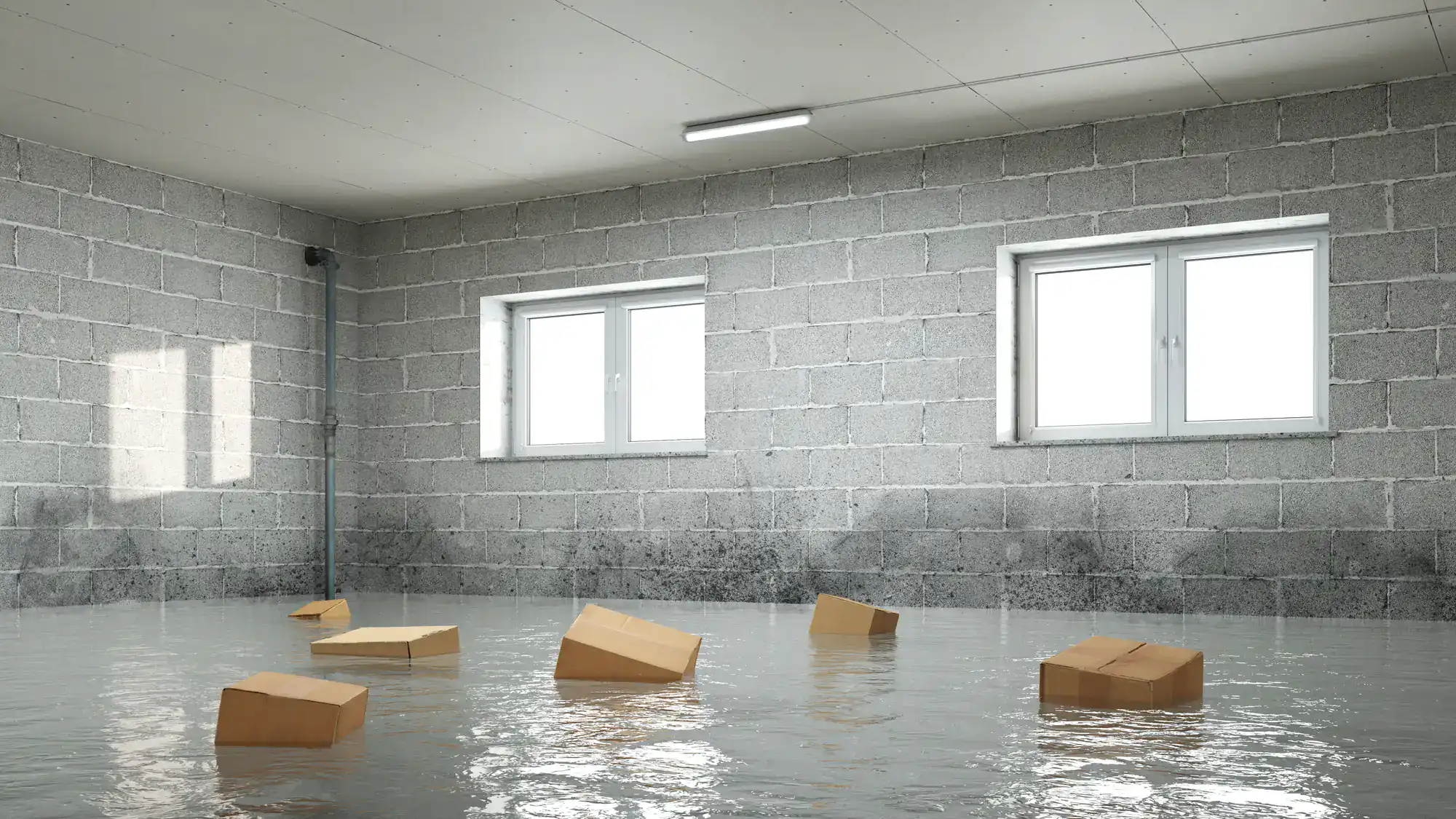
A flooded basement shows floating boxes and cinder block walls, needing Flood Damage Restoration services.
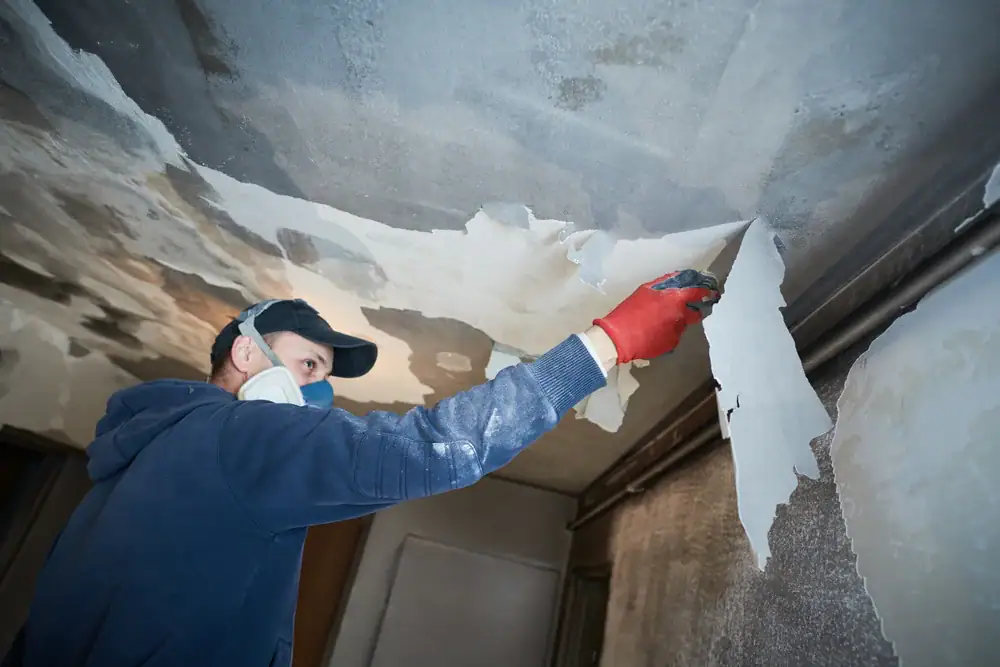
A person in gloves and a mask scrapes a ceiling, prepping for Water Damage Restoration Milwaukee County.

Request a Callback

Honest assessment every time

We tell you what needs to be done and why, without inflating the scope or pushing work you don't need.

A project manager on every job

You get a dedicated point of contact who keeps you updated, answers questions, and makes sure nothing falls through the cracks.

Insurance coordination included

We work directly with your insurance company, handle documentation, and help streamline the claims process so you're not stuck in the middle.

A local team you can reach

We're based right here in the area, not a national franchise. When you call, you get someone who knows Milwaukee County and actually cares.

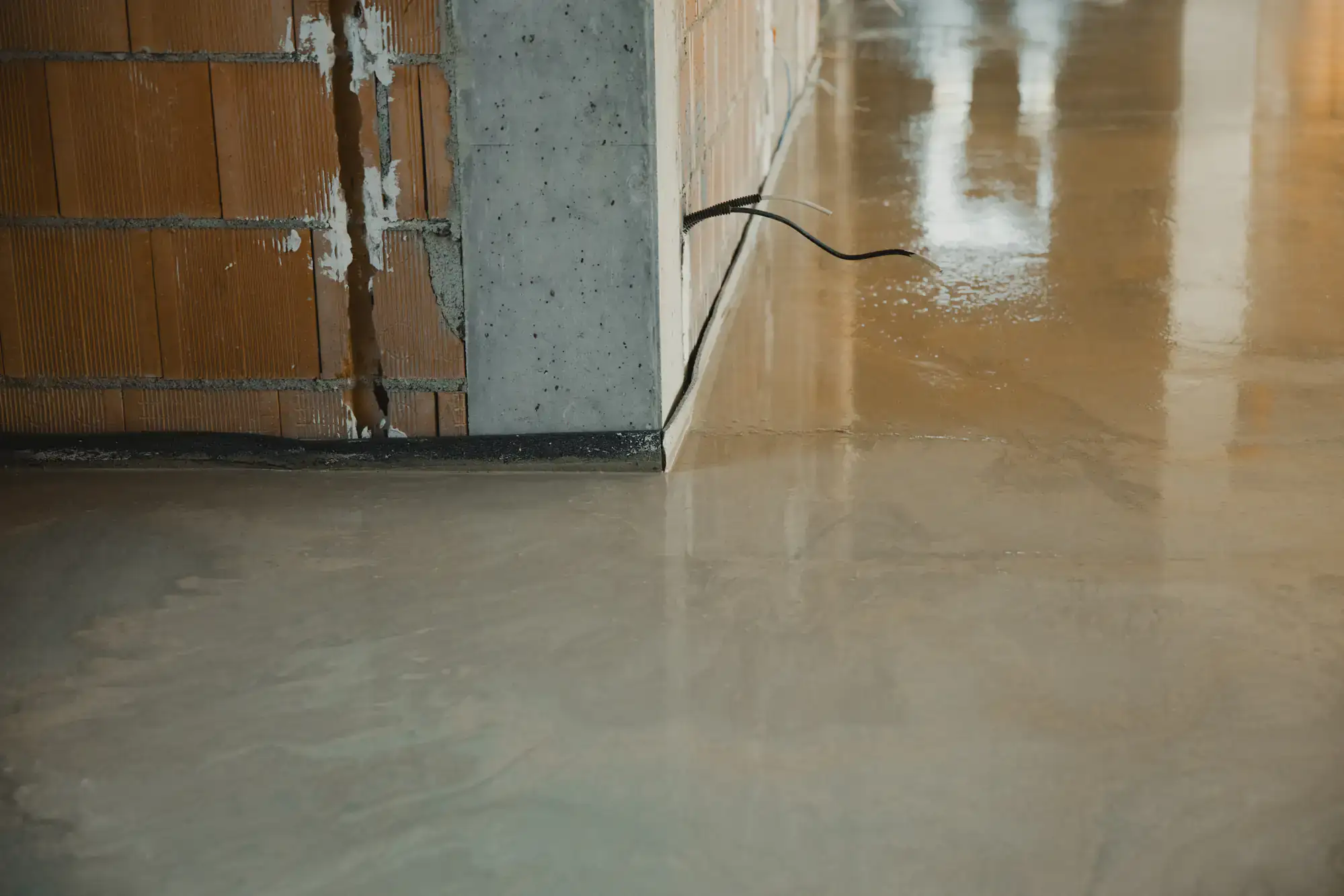
A wet concrete floor with wires beside a brick wall shows early Water Damage Restoration in Milwaukee County.

Emergency basement water removal in Milwaukee County, WI

Fast response when your basement floods

  • 24/7 emergency basement water removal, including overnight, during storms, and in freezing conditions
  • Sump pump failures, including the backup that never got tested and the float switch that stuck
  • Foundation seepage, cracked walls, and the spring thaw water that comes up through the slab
  • Burst and frozen supply lines in unheated basements
  • Industrial pumps that clear standing water fast, then meters that prove the concrete is actually dry
  • Documentation your adjuster will accept, written as we go rather than reconstructed afterwards

Wet basement repair in Milwaukee County

What you actually get from our team

When we finish a basement flood cleanup your space is dry to a measured standard, your questions are answered, and you are not left wondering what just happened or what comes next. Here is what that looks like in practice.

Dry in 3 to 5 days, measured not guessed

One project manager, start to finish

Your claim documented as we go

The cause found, not just the water

Belongings salvaged where they can be

Pricing based on the scope, not the policy

Ready to get started?

A bold white number 1 is centered in a solid black circle, representing top WI water damage restoration.

Share project details

Call us or get a free online quote to help us identify your project needs.

A bold white number 2 stands out in a solid black circle, symbolizing Water Damage Restoration expertise.

We'll follow up

If you requested an online quote, you can expect a callback within 24-48 hours of your request.

A white number 3 on a black circle with light gray background represents WI restoration services.

The floor is yours

Connect with an expert and share all project specifics.

A white number 4 centered in a black circle, symbolizing Water Damage Restoration Milwaukee County.

Plan your project

Like what you hear? We'll provide next steps and expert guidance.
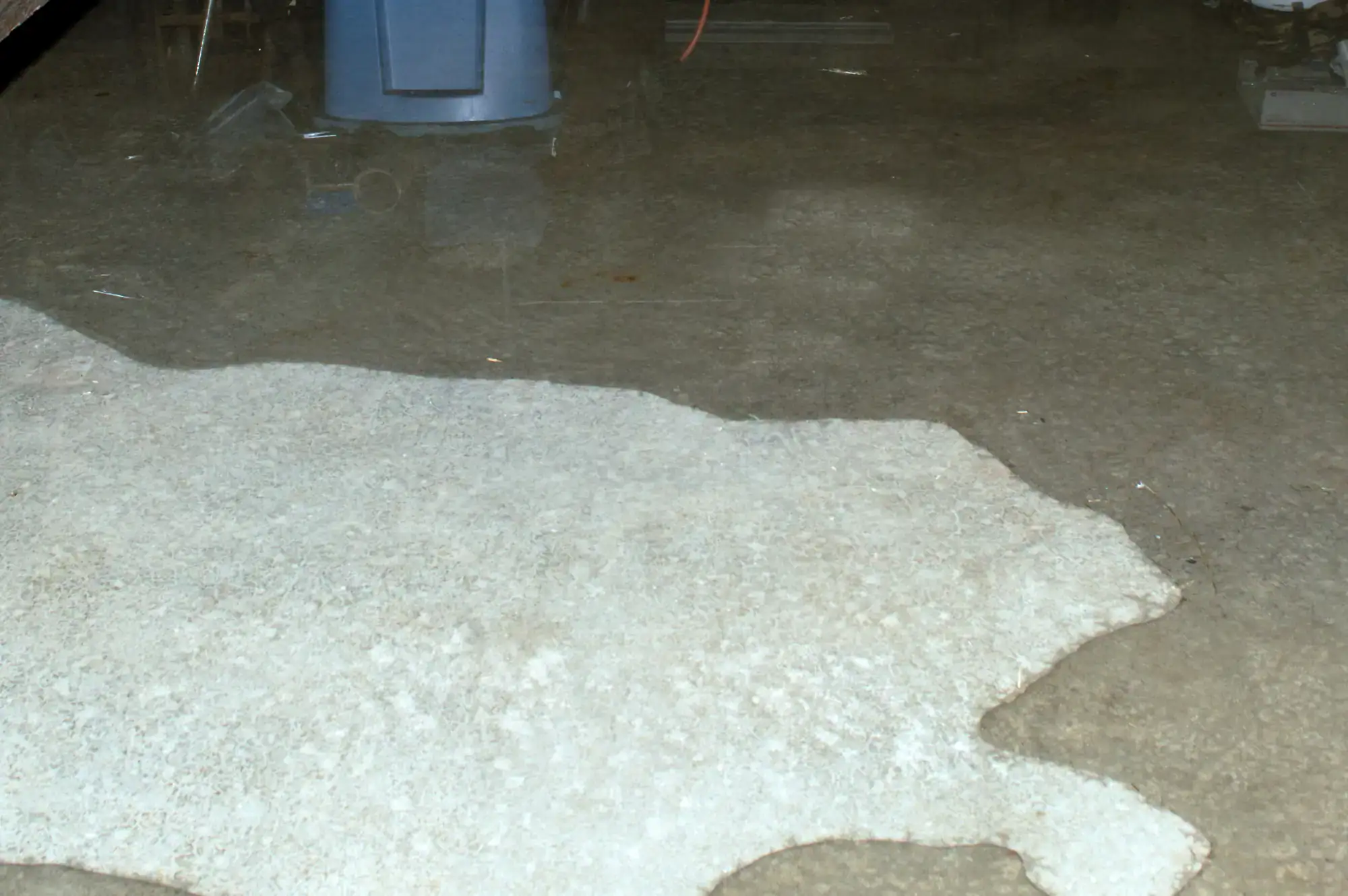
A large puddle covers a concrete floor, suggesting the urgent need for Water Damage Restoration Milwaukee.

Why basements flood in Milwaukee County, WI

Why basements flood in Milwaukee

Milwaukee sits on clay soil that drains badly. When heavy rain hits or the snow melts in spring, the water has nowhere to go except toward your foundation, and the older housing stock across the county was not built with today’s rainfall in mind. The three causes we see most often are worth knowing apart, because they are not fixed the same way. A sump pump failure is the most common and the most preventable: the pump burns out, the float switch sticks, or the power goes out in the same storm that made you need it. Foundation seepage shows up as water tracking down a wall or coming up where the slab meets it, and it tends to arrive slowly and repeatedly rather than all at once. A burst or frozen supply line is the third, and in an unheated basement in January it is not rare. Knowing which one you had matters after the cleanup as much as during it. A pump you can replace and put on a battery backup. Seepage is a grading, gutter and drainage problem outside the house before it is a basement problem inside it. We will tell you which one you are dealing with, because the cleanup is only worth paying for once.

Professional water extraction equipment

The equipment and process that actually dries a basement

Drying a flooded basement is not a shop vac and a couple of fans. It takes equipment built to pull moisture out of concrete, drywall, insulation and subflooring, which is where the water hides once the floor looks clear. We use high powered extraction pumps to move the standing water, then commercial dehumidifiers and air movers sized to the room rather than to whatever was on the van. Moisture meters and thermal imaging tell us what is still wet behind a wall or under a floor, and we take readings every day rather than guessing from the outside. The equipment stays until the numbers say the job is done. Concrete gives up water slowly and a basement that feels dry on day two is often still holding enough to cause a problem on day thirty. That is the difference between drying a basement and just clearing it out.
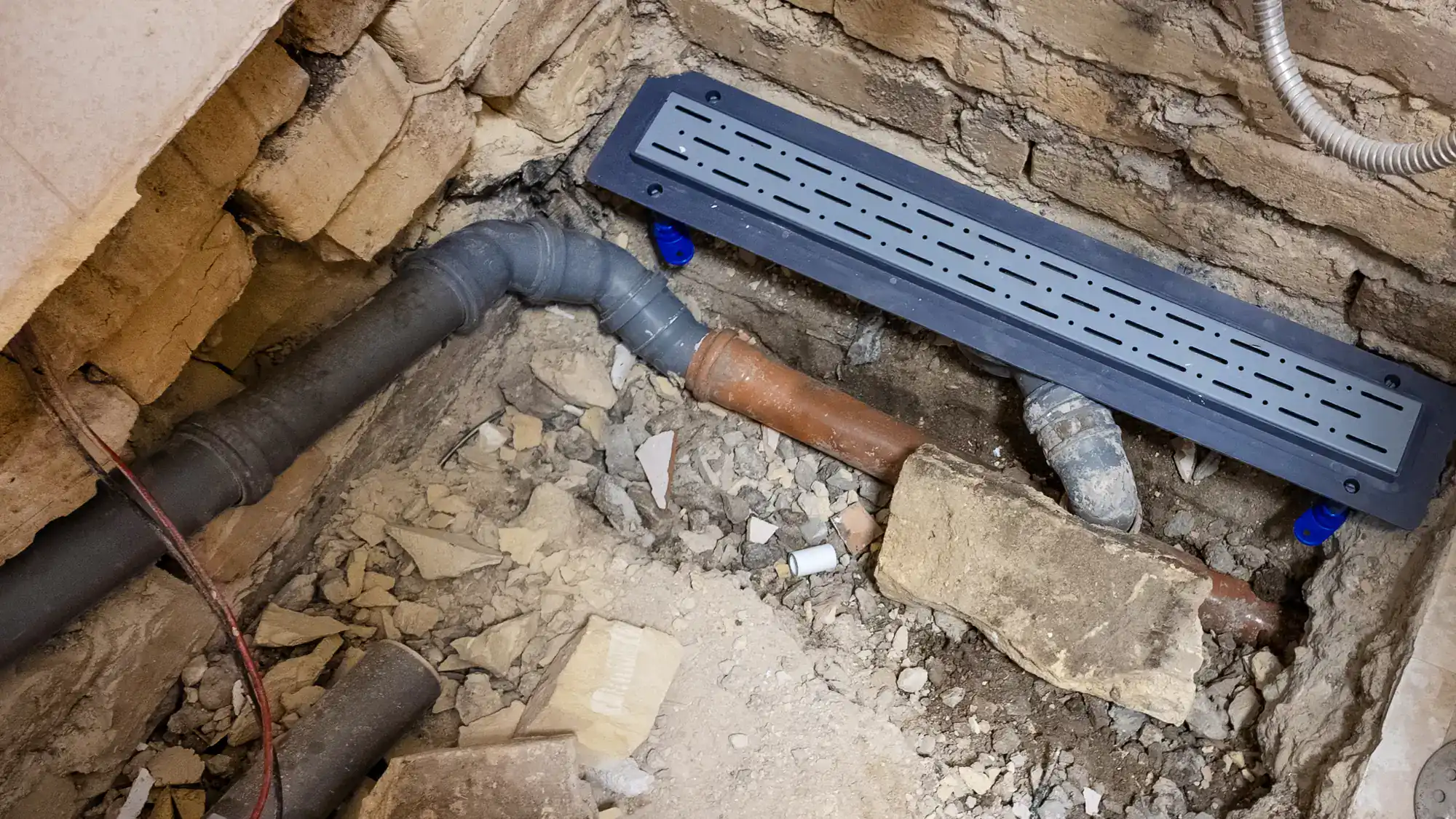
Pipes and drainage channel in a WI brick floor amid debris, part of water damage restoration work.
Basement Flood FAQs

Common questions about our Basement Flood services

We run 24/7 because basement floods do not wait for convenient times, and we aim to be on site in under 60 minutes anywhere in Milwaukee County. We are based in Greendale, so that is a short run rather than a dispatch from another state. If conditions mean we will be longer, you get a number when you call rather than after you have waited. Speed is not a sales point here: the longer water sits against drywall and subfloor, the more of it has to come out rather than be dried and saved.
Most basements take 3 to 7 days to dry completely, but it depends on how much water there was, what materials got wet, and how long it sat before anybody got to it. We do not guess or rush this part. Moisture meters and thermal imaging track the progress daily, and the equipment does not come out until the readings say it is done. A basement that feels dry underfoot on day two is routinely still wet inside the concrete and the wall cavity. Drying it properly inside the first couple of days is also what stops mold getting started. If growth has already taken hold, that is a separate job with its own containment and testing, and we will say so rather than fold it quietly into a drying invoice.
It depends on what caused it, and this is where people get caught out. Most homeowners policies cover sudden damage from a burst pipe, an appliance failure or a sump pump malfunction. They typically do not cover groundwater or surface flooding from heavy rain, which needs separate flood insurance, and sewer backup is usually excluded unless you bought that endorsement. We will tell you which category yours looks like before we start, not after. We document as we go in the format adjusters expect and bill the carrier directly where your policy allows.
Fair question, because overcharging happens in this industry more than it should. Cleanup for a finished basement typically runs between 2,500 and 10,000 dollars depending on the size of the space, how much water there was, and what has to be removed rather than dried. Ask for the scope in writing before anything starts, with the moisture readings and photos that justify each line. If a line is on there, the company should be able to show you the reading behind it. And if a contractor offers to cover your deductible, walk away: it means the number they are giving your insurer is not the number they expect to do the work for.
Extraction is the emergency half: getting the water out fast with pumps and vacuums, then setting dehumidifiers and air movers to dry what is left. That is what stops the damage spreading. Restoration is everything after, which is repairing or replacing drywall, flooring, insulation and trim, and putting the room back to how it was. Some jobs only need the first half if the water was caught early. We do both with the same crew and the same project manager, so there is no handoff to a second contractor halfway through.
Safety first: do not walk into standing water if there is any chance an outlet, an appliance or the furnace is in it. If you can safely kill the power to the basement, do that. If the water is still coming in and you know where the shutoff is, close it. Then take photos on your phone before anything gets moved, because your adjuster will want to see it as it was. What not to do is start hauling things out and throwing them away. It is the first instinct and it costs people money on the claim, because once it is gone nobody can prove what it was.
A bold white number 1 is centered in a solid black circle, representing top WI water damage restoration.

Emergency response and assessment

We arrive fast, find where the water is getting in, and say whether it is the pump, the foundation or a line. You get the plan before anybody starts pulling things out.

A bold white number 2 stands out in a solid black circle, symbolizing Water Damage Restoration expertise.

Water extraction and removal

Industrial pumps and extractors clear the standing water. We lift furniture, pull the materials that cannot be saved, and photograph every one of them on the way out for your adjuster.

A white number 3 on a black circle with light gray background represents WI restoration services.

Drying and monitoring

Dehumidifiers and air movers run for days while we take readings daily. Concrete and subfloor hold water long after the surface feels dry, so the meter decides when we stop, not the calendar.

Cities we provide Basement Flood In