Summary:
Why Historic Milwaukee Homes Are Vulnerable to Hidden Mold
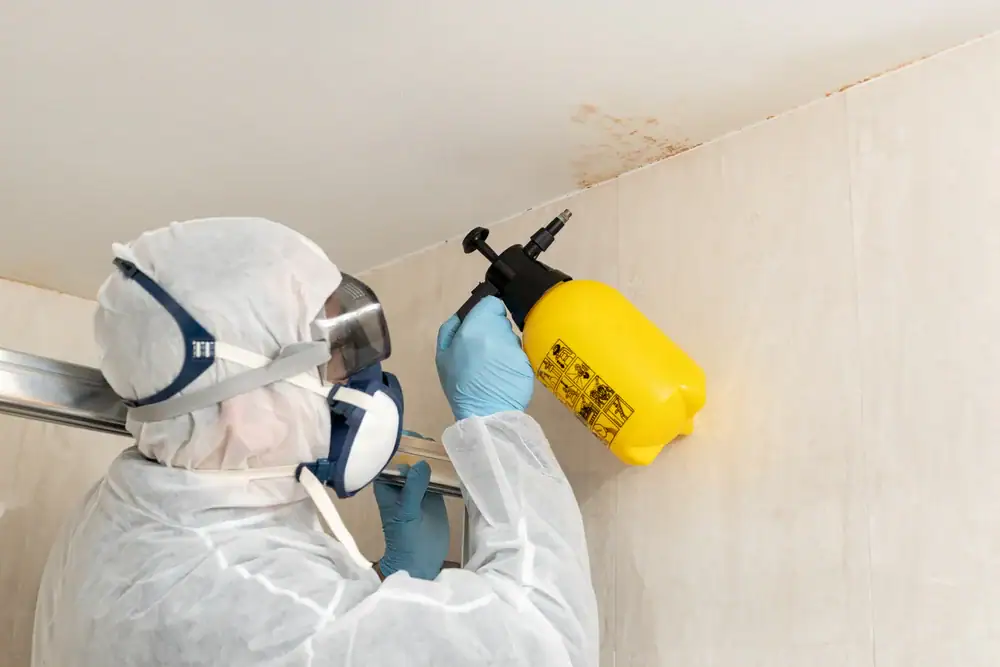
Milwaukee’s older neighborhoods are filled with homes built between the 1890s and 1940s. These properties showcase Queen Anne Victorians, Craftsman bungalows, and those distinctive Milwaukee duplexes that define entire blocks. Beautiful architecture, but it wasn’t designed with mold prevention in mind.
The construction methods used back then prioritized durability and aesthetics. Moisture control wasn’t on anyone’s radar. No vapor barriers. No modern ventilation systems. Just wood lath strips nailed to studs, covered with thick layers of plaster that took skilled craftsmen weeks to apply properly.
That construction creates hidden spaces where moisture accumulates. Your walls can look perfect from the outside while mold colonies grow in the cavities you’ll never see without tearing into the plaster. By the time you notice discoloration or smell that musty odor, the problem has usually been developing for months.
How Lath-and-Plaster Construction Hides Mold Growth
Here’s what makes plaster walls particularly problematic for mold. The wooden lath strips behind your plaster aren’t flush against each other. They’re spaced apart, creating gaps and air pockets throughout your walls. Those spaces trap humidity and organic dust, which is exactly what mold needs to thrive.
Plaster itself is porous. It absorbs moisture, especially the thick, irregular layers used in older homes. When mold spores land on damp plaster, they don’t just grow on the surface. They wick inward, spreading through the material where you can’t see them.
The surface might look fine for weeks. You won’t notice anything wrong. Meanwhile, the mold is expanding behind the scenes, feeding on the organic materials in your walls. Wood lath. Old wallpaper. Dust that’s been there for decades. All of it becomes food for mold colonies.
When you finally do see signs—maybe a small stain near the baseboard or a patch of discoloration—that visible spot is usually just the tip of the problem. The real growth is happening inside your walls, in spaces that would require significant demolition to access.
This is why professional mold remediation matters for historic homes. You can scrub the surface all you want, but if you’re not addressing what’s happening behind the plaster, you’re not solving the problem. You’re just making it invisible again for a little while longer.
Common Moisture Problems in Older Milwaukee Properties
Historic homes face moisture challenges that newer construction doesn’t deal with. Start with the plumbing. If your home still has original galvanized steel pipes, they’re probably corroding from the inside. Small leaks develop that you might not notice right away, but they’re feeding moisture into your walls constantly.
Foundation issues are another common source. Milwaukee sits on clay soil that expands and contracts with moisture levels. After 80 or 100 years, even well-built foundations develop cracks. Water finds its way in during heavy rains or snow melt, creating damp conditions in your basement or crawl space.
Poor ventilation compounds everything. Older homes weren’t designed with the same air circulation standards we use today. Basements stay damp. Attics trap moisture. Bathrooms without exhaust fans let humidity spread throughout the house. All of that creates environments where mold can establish itself and spread.
Milwaukee’s climate doesn’t help. High humidity during summer months means moisture in the air is looking for somewhere to condense. Winter brings freeze-thaw cycles that stress your home’s exterior, creating new entry points for water. Spring flooding can overwhelm aging drainage systems that weren’t designed for today’s weather patterns.
The combination of old construction methods and modern moisture challenges means historic homeowners need to be more vigilant than people in newer properties. The systems that would normally alert you to moisture problems—like drywall that shows water damage quickly—don’t exist in lath-and-plaster construction.
By the time you notice a problem, it’s usually been developing for a while. That’s not a failure on your part. It’s just the reality of owning a historic property. The key is knowing what signs to watch for and acting quickly when you spot them.
Health Risks of Hidden Mold in Your Home
Mold isn’t just a property maintenance issue. It affects the people living in your home, especially if they’re spending time in areas where mold has been growing undetected.
Respiratory symptoms are usually the first sign. Persistent coughing, especially at night. Nasal congestion that doesn’t go away. Throat irritation that seems to get better when you’re away from home and worse when you’re back. These symptoms often get dismissed as allergies or a cold that won’t quit, but they’re your body responding to mold spores in the air.
For people with asthma or existing respiratory conditions, mold exposure can trigger more severe reactions. Breathing becomes more difficult. Asthma attacks happen more frequently. What used to be manageable suddenly requires more medication and more careful monitoring.
Who's Most at Risk from Mold Exposure
Not everyone reacts to mold the same way. Some people can live in a home with significant mold growth and barely notice symptoms. Others become sick quickly, even from relatively small amounts of mold.
Young children are particularly vulnerable. Their immune systems are still developing, and they typically spend more time on floors and in areas where mold concentrations might be higher. If your kids seem to be constantly fighting colds or respiratory issues, and those symptoms improve when they’re away from home, mold could be the underlying cause.
Elderly family members face similar risks. As immune systems weaken with age, the body becomes less effective at fighting off the effects of mold exposure. What might be a minor irritation for a healthy adult can become a serious health issue for an older person with compromised immunity.
People with existing allergies or asthma are also at higher risk. Mold acts as a trigger that can turn manageable conditions into daily struggles. If you’ve noticed your allergies getting worse or your asthma becoming harder to control, and you can’t identify any other changes in your environment, hidden mold might be the factor you’re missing.
Even healthy adults can develop sensitivity to mold over time. Prolonged exposure can lead to chronic respiratory conditions that persist even after the mold is removed. The longer you’re exposed, the greater the risk of developing lasting health problems.
This is why addressing mold quickly matters. It’s not just about protecting your home’s structure or maintaining property value. It’s about protecting the health of everyone who lives there. The sooner you identify and remove mold growth, the less chance there is for it to cause long-term health effects.
Recognizing the Warning Signs Before It's Too Late
Hidden mold doesn’t always stay hidden forever. Your home will usually give you warning signs if you know what to look for.
That musty smell is often the first indicator. It’s distinctive—earthy, damp, like old basement or wet cardboard. If you notice it in certain rooms or when you open closets, there’s probably mold growing somewhere nearby. The smell comes from microbial volatile organic compounds that mold releases as it grows. You’re literally smelling the mold’s metabolic processes.
Visual clues show up eventually, even with hidden mold. Look for discoloration on walls, especially near baseboards or in corners where air doesn’t circulate well. Peeling or bubbling paint can indicate moisture problems behind the surface. Warped baseboards or soft spots in walls suggest water damage that’s creating conditions for mold growth.
Water stains are obvious red flags. That brownish discoloration on your ceiling after a roof leak isn’t just cosmetic damage. It’s a sign that moisture has penetrated your building materials, and where there’s moisture in organic materials, mold will follow. Even old water stains that have dried out can indicate areas where mold established itself during the wet period.
Increased allergy symptoms when you’re home is another warning sign. If your eyes get itchy, your nose runs, or you start coughing more when you’re in certain rooms, your body might be reacting to mold spores in the air. Pay attention to patterns. Do symptoms improve when you leave the house? Do they get worse in specific areas? That information helps identify where mold might be growing.
Condensation on windows or walls indicates high humidity levels that support mold growth. If you’re seeing moisture accumulate regularly, especially in bathrooms, basements, or poorly ventilated areas, you’ve got an environment where mold can thrive. The visible condensation is just the moisture you can see—there’s likely more trapped in your walls where you can’t observe it.
When DIY Mold Removal Isn't Enough
Small surface mold on bathroom tiles or around a window? You can probably handle that yourself with proper cleaning products and some scrubbing. But when mold has gotten into your walls, spread across large areas, or keeps coming back no matter what you do, it’s time to call professionals.
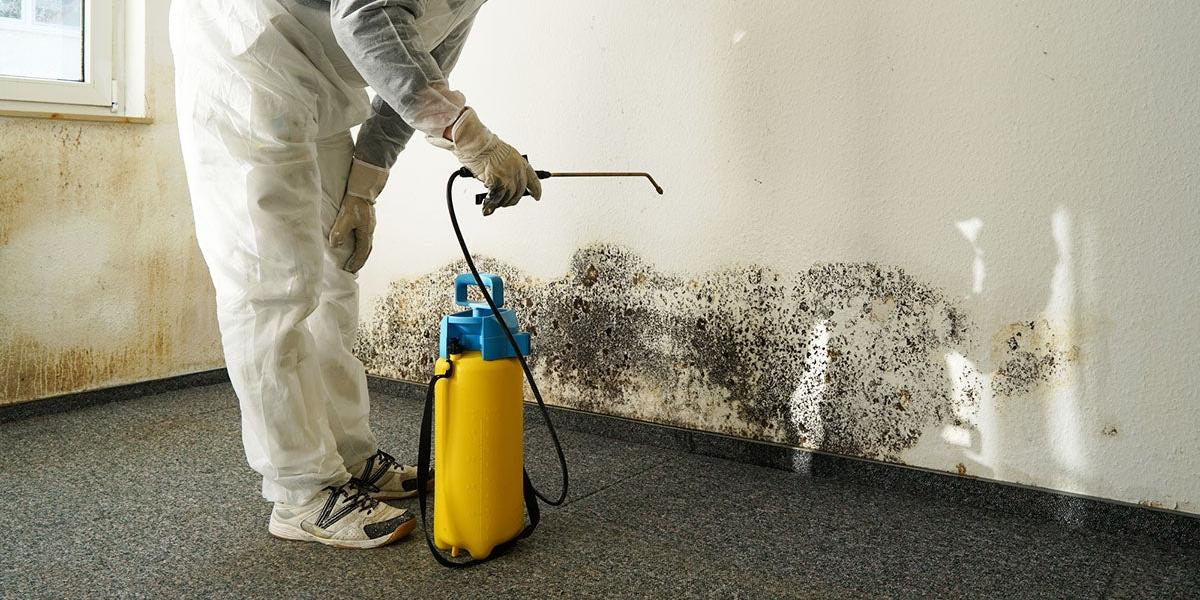
The EPA recommends professional mold remediation for any area larger than 10 square feet. That’s roughly a 3-foot by 3-foot section. Beyond that size, you’re dealing with a problem that requires specialized equipment and expertise to address properly. DIY methods might make the visible mold disappear, but they won’t eliminate what’s growing behind your walls or address the moisture source that’s feeding the problem.
Historic homes with lath-and-plaster construction need professional attention even for smaller mold problems. You can’t treat these walls the same way you’d handle modern drywall. The porous plaster, the wooden lath, the air gaps—all of it requires specialized knowledge to remediate without causing additional damage to your home’s historic features.
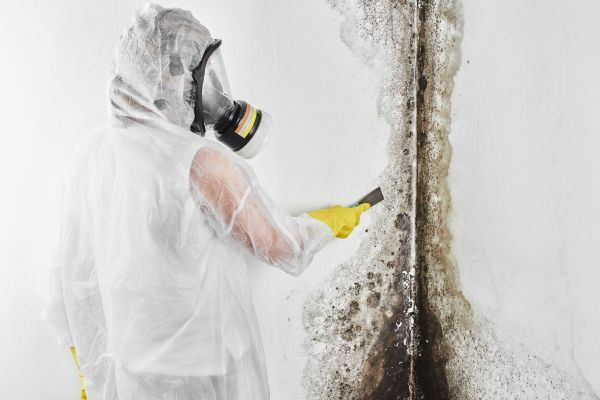
Professional mold remediation means more than just cleaning what you can see. It means using moisture meters and thermal imaging to find hidden growth. It means proper containment so mold spores don’t spread during cleanup. It means addressing the underlying moisture problem so mold doesn’t just grow back in a few months. And for historic properties, it means preserving your home’s character while eliminating the health hazard.
If you’re dealing with mold in your historic Milwaukee or Greendale home, we have the experience and equipment to handle it properly. We understand the unique challenges of older construction and know how to remediate mold without damaging the architectural features that make your home special.