Summary:
What Is Secondary Water Damage and Why Does It Happen After the Water Is Gone
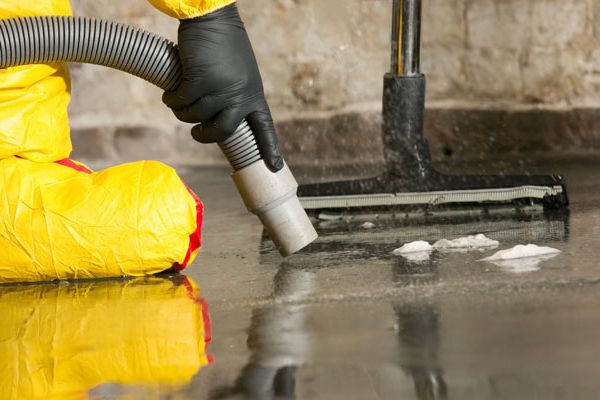
Secondary water damage is the damage that develops after the initial water event. It’s not the flooding itself—it’s what happens when moisture gets absorbed into porous materials like drywall, wood, insulation, and subflooring.
Even after you’ve dried the surface, water continues working its way deeper into your walls and floors. Drywall soaks up moisture like a sponge. Wood expands and contracts. And if that moisture isn’t fully removed—not just from the surface, but from inside the structure—you’re left with warping, rot, and mold growth that shows up days or even weeks later.
Most homeowners in Greendale and Milwaukee County don’t realize this is happening because it’s hidden. You can’t see moisture trapped behind drywall or underneath flooring. But it’s there, and it’s doing damage every hour it sits.
How Drywall Absorbs Water and What Happens Inside Your Walls
Drywall is made from gypsum board covered in paper. Both materials are porous, which means they absorb water fast. When water contacts drywall—whether from a leak above, a burst pipe, or flooding from below—it doesn’t just sit on the surface. It wicks upward and outward, spreading through the material.
As the gypsum core absorbs moisture, it begins to break down. The board softens, loses its structural integrity, and starts to sag or bulge. The paper facing can peel, bubble, or develop dark stains as water carries minerals and contaminants through the material.
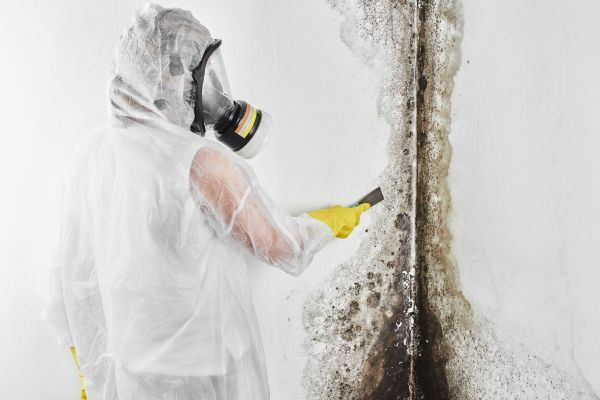
Here’s the part most people miss: even if the surface feels dry to the touch, moisture can still be trapped inside the wall cavity. That’s where mold starts to grow, usually within 24 to 48 hours. And once mold takes hold behind your drywall, you’re not just dealing with cosmetic damage anymore—you’re dealing with a health hazard and a much bigger repair job.
Professional drywall water damage repair isn’t just about replacing the visible damage. It’s about using moisture meters and thermal imaging to find hidden pockets of water you can’t see. That’s the difference between a surface fix and actually solving the problem.
In older Milwaukee County homes, this gets even trickier. Plaster walls, lathe, and aging insulation can trap moisture differently than modern drywall. Without the right equipment, you’re guessing. And guessing leads to mold, rot, and repairs that cost a lot more down the line.
The timeline matters too. The longer moisture sits inside your walls, the more damage it does. Drywall that could have been dried and saved in the first 48 hours might need complete replacement a week later. That’s why we emphasize speed—not just cleanup, but complete moisture removal before secondary damage sets in.
Signs Your Drywall Has Hidden Water Damage You Can't See
You don’t always see water damage right away. Sometimes it’s obvious—water stains, sagging ceilings, or visible mold. But often, the damage is hiding, and you need to know what to look for.
Start by touching your walls. Press gently on areas near where water was present. If the drywall feels soft, spongy, or gives under light pressure, there’s moisture inside. Healthy drywall is firm. Compromised drywall sinks inward when you push on it, and that’s a red flag that the material has absorbed water and is breaking down.
Look for discoloration. Water stains aren’t always dramatic. Sometimes they show up as faint yellow or brown patches, streaks running down from the ceiling, or darker areas along the baseboards. These stains mean water has been present long enough to carry minerals and contaminants through the material.
Check for texture changes. Paint that’s bubbling, peeling, or flaking off the wall is reacting to moisture underneath. Wallpaper that’s lifting at the seams or developing wrinkles is doing the same thing. The surface is separating because water has compromised the bond between the wall and the finish.
Watch for warping or bulging. If your wall looks like it’s bowing outward, or if you notice a bulge or ripple in the surface, that’s the gypsum core swelling from moisture. This usually means the damage is significant and the drywall will need to be replaced, not just dried.
Pay attention to smell. A musty, earthy odor is one of the most reliable indicators of hidden water damage and mold growth. If you smell it, there’s moisture somewhere, even if you can’t see it. Mold releases microbial volatile organic compounds that create that distinct smell, and it means you’re past the point of simple drying—you need professional restoration repairs to address both the moisture and the mold.
Look at the baseboards and trim. If they’re pulling away from the wall, warping, or showing gaps where they used to sit flush, that’s a sign of moisture affecting the materials. Wood trim reacts to humidity and direct water contact by swelling and shifting.
Cracks in drywall can also signal water damage, especially if they appear suddenly or seem to spread. Water weakens the structure, and as the material dries unevenly, it can crack or fracture. This is different from normal settling cracks—these are irregular, often accompanied by other signs like staining or softness.
The challenge with hidden water damage signs is that by the time you notice them, the damage has usually been progressing for a while. That’s why we use moisture meters and infrared cameras during inspections. These tools detect moisture levels inside walls without cutting them open, giving you a clear picture of what’s happening where you can’t see.
How Water Damages Flooring and Why Buckling Happens After Drying
Flooring reacts to water differently depending on the material, but the result is usually the same: warping, buckling, and structural damage that gets worse over time.
Wood flooring is especially vulnerable. When water contacts hardwood, engineered wood, or laminate, the material absorbs moisture and expands. If that moisture isn’t removed quickly and completely, the floor doesn’t just dry out and return to normal. It buckles, cups, or crowns—meaning the boards push upward, creating humps and uneven surfaces.
Even after the surface looks dry, moisture can be trapped in the subfloor, the underlayment, or between the floorboards themselves. That’s where the real damage happens. The wood continues to swell, the boards press against each other, and eventually, they have nowhere to go but up. That’s buckling.
Tile and vinyl floors aren’t immune either. Water that seeps underneath can loosen adhesive, cause tiles to shift or crack, and create an environment for mold to grow on the subfloor. Once the subfloor is compromised, the entire floor becomes unstable.
What Causes Buckled Wood Floors and How to Spot the Early Signs
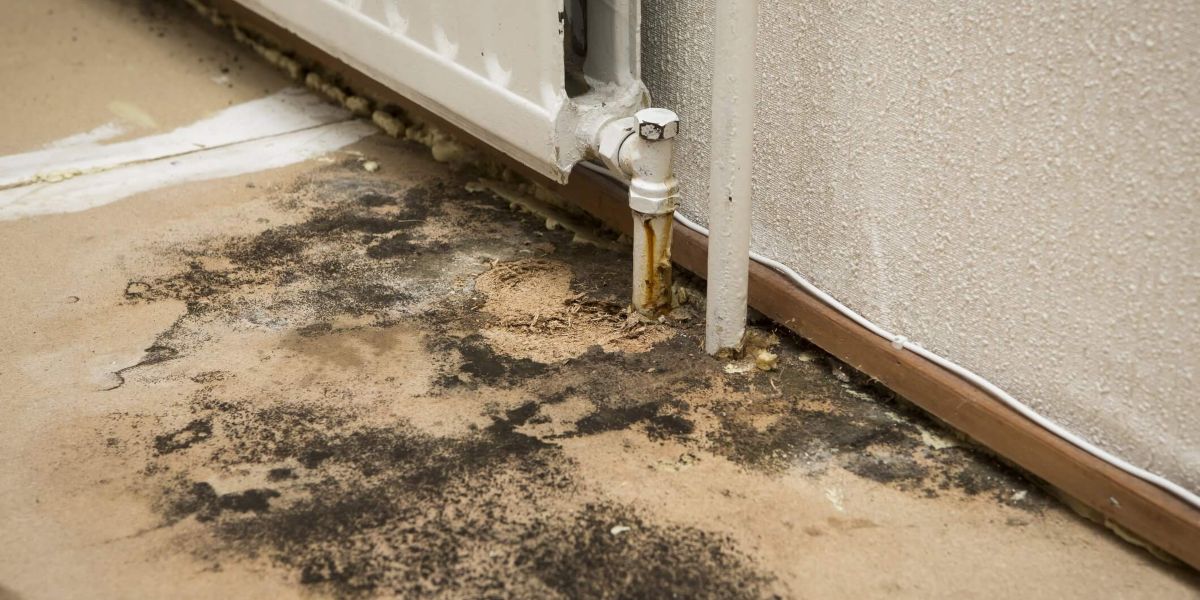
Buckled wood floor restoration starts with understanding why buckling happens in the first place. When water penetrates hardwood flooring, the wood fibers absorb moisture and expand. If the floor is installed tightly—which most are—the expanding boards have nowhere to go. They push against each other, and eventually, the pressure forces them upward, creating the characteristic “hump” or buckle.
This doesn’t always happen immediately. Sometimes buckling develops hours or even days after the water is gone, especially if moisture is trapped underneath the floor. That’s why you can mop up a spill, think everything’s fine, and then notice a warped section of floor a week later.
Early signs of water damage in wood flooring include cupping, where the edges of the boards turn upward, creating a concave shape. You might also see crowning, where the center of the board is higher than the edges. Both are indicators that moisture levels in the wood are uneven.
Look for gaps between floorboards. Water causes wood to swell, but as it dries unevenly, it can also shrink, leaving spaces where boards used to fit tightly together. Discoloration is another clue—dark stains, especially along the edges of boards or near where water was present, mean the wood has absorbed moisture and possibly started to deteriorate.
If your floor feels soft or spongy when you walk on it, that’s a sign the subfloor has been compromised. Water doesn’t just affect the surface layer—it seeps down into the plywood or OSB subfloor, weakening the structure underneath. A floor that bounces or feels unstable needs immediate attention, because the damage is no longer just cosmetic.
Buckling can also show up as planks that are visibly lifted or separated from the subfloor. You might see nails popping up, or boards that are clearly no longer lying flat. This level of damage usually requires professional buckled wood floor restoration, because the boards need to be removed, the subfloor needs to be dried and inspected, and in many cases, sections of flooring need to be replaced entirely.
The timeline matters here too. If water damage is caught early—within the first 24 to 48 hours—and moisture is removed completely, wood floors can often be saved. But if moisture sits, or if only surface drying is done without addressing what’s underneath, buckling is almost inevitable. That’s why we use industrial dehumidifiers, air movers, and moisture monitoring equipment. We’re not just drying the surface—we’re removing moisture from the entire structure, including subflooring and floor cavities that you can’t reach with a towel and a fan.
For homeowners in Greendale and Milwaukee County, this is especially important. Older homes with original hardwood floors are common in the area, and those floors are often more valuable and harder to replace than modern materials. Catching water damage early and using professional restoration repairs can mean the difference between saving a historic floor and losing it entirely.
Why Professional Structural Drying Prevents Long-Term Floor and Subfloor Damage
Surface drying isn’t enough. You can mop up standing water, run fans, and open windows, but that doesn’t remove moisture from inside your floors, walls, or subfloor. And that’s where secondary damage happens.
Professional structural drying services use industrial-grade equipment designed to pull moisture out of materials, not just dry the air. High-powered air movers create airflow that reaches into floor cavities and wall spaces. Commercial dehumidifiers remove moisture from the air and prevent it from being reabsorbed into materials. Moisture meters track humidity levels inside wood, drywall, and subfloors, so we know exactly when drying is complete—not just when things look dry.
This process typically takes three to ten days, depending on the extent of the damage and the materials involved. That might sound like a long time, but it’s what’s required to prevent mold growth, structural rot, and long-term problems that cost far more to fix later.
Here’s what happens if you skip professional drying: moisture stays trapped in your subfloor, insulation, and wall cavities. Mold starts growing within 24 to 48 hours. Wood continues to warp and buckle. Drywall breaks down and crumbles. And what started as a manageable water damage repair turns into a full-scale renovation involving mold remediation, subfloor replacement, and structural repairs.
The cost difference is significant. Drying out a water-damaged area professionally might cost a few thousand dollars. Replacing moldy drywall, rotted subfloors, and buckled hardwood? That can easily run $10,000 to $20,000 or more, depending on the extent of the damage.
Insurance companies understand this, which is why most policies cover professional water damage repairs when the damage is sudden and accidental—like a burst pipe or appliance leak. But they don’t cover damage caused by neglect or failure to address the problem properly. If you try to handle it yourself, moisture sits too long, and mold develops, your claim could be denied.
Professional restoration also includes documentation. We take moisture readings, photograph the damage, and provide detailed reports that support your insurance claim. We work directly with adjusters to make sure the scope of work is accurate and that hidden damage—like moisture trapped in walls or subfloors—is included in the claim.
For homes in Milwaukee County, where basements are common and flooding is a recurring issue, professional structural drying is especially important. Concrete floors and foundation walls can hold moisture for weeks if not dried properly. That moisture wicks up into wood framing, drywall, and flooring, creating ongoing problems even after the visible water is gone.
The equipment matters too. Homeowner-grade fans and dehumidifiers aren’t designed for this kind of work. They don’t move enough air, they don’t remove enough moisture, and they don’t reach into hidden spaces where water is trapped. Industrial equipment does. It’s faster, more effective, and it’s the only way to ensure complete drying.
Bottom line: if you’ve had water damage, professional drying isn’t optional—it’s the only way to prevent secondary damage from turning a fixable problem into a long-term disaster.
When to Call Professionals for Water Damage Repairs in Greendale and Milwaukee County
If you’ve had water in your home—whether from a leak, a burst pipe, or flooding—don’t assume the problem is over just because the water is gone. Secondary damage is real, it’s expensive, and it’s preventable if you act fast.
Watch for the signs: soft or sagging drywall, discoloration, musty smells, buckled or warped flooring, and gaps between boards or baseboards. These aren’t cosmetic issues—they’re warnings that moisture is still present and doing damage you can’t see.
Professional water damage repairs aren’t just about cleanup. They’re about using the right equipment to remove moisture completely, preventing mold, protecting your home’s structure, and making sure the problem is actually solved—not just covered up. If you’re in Greendale, Milwaukee County, or anywhere in the surrounding area and you’re dealing with water damage, we’re available 24/7 to assess the situation, dry your property thoroughly, and handle the repairs the right way.