Summary:
Wait for Official Clearance Before Re-Entering Your Home
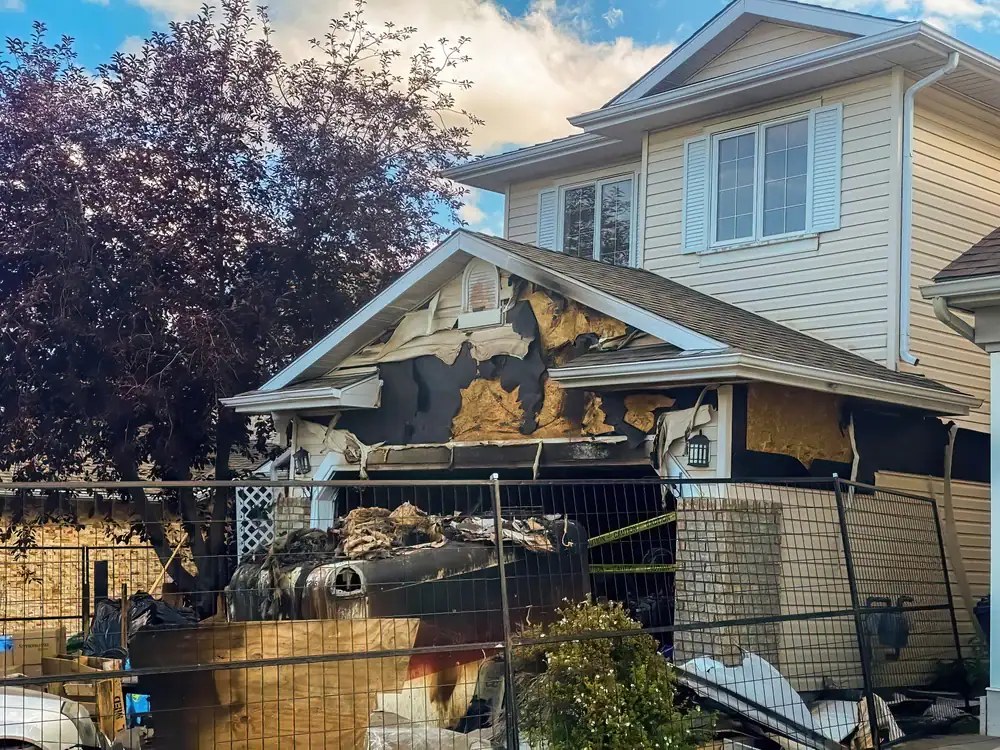
The urge to go back inside is overwhelming. You’re thinking about your wallet, your phone, your medications, your kids’ favorite toys. But walking through that door before the fire department gives you the all-clear could be the most dangerous decision you make today.
Fire-damaged structures hide threats you can’t see from the doorway. Floors that look solid might collapse under your weight. Ceilings weakened by heat could give way without warning. Electrical wiring damaged by flames can electrocute you the moment you flip a switch.
The smoke you’re smelling isn’t just unpleasant—it’s toxic. Those particles contain chemicals from burned plastics, treated wood, and household materials that damage your lungs with every breath. Even hours after the flames are out, the air inside can cause serious respiratory problems.
Hidden Dangers in Fire-Damaged Homes
When firefighters tell you to wait, they’re not being overly cautious. They’re protecting you from hazards that send people to emergency rooms every day.
Structural damage tops the list. Heat weakens wood beams, warps metal supports, and compromises the integrity of walls and floors. A room that looks intact might have suffered enough damage to make it unsafe. The fire department needs to assess whether the building can support weight before anyone goes inside.
Electrical hazards multiply after a fire. Water from fire hoses doesn’t just sit on the floor—it seeps into walls, runs through ceiling spaces, and pools around electrical panels. Standing water combined with damaged wiring creates electrocution risks throughout the house. Gas lines can also rupture during a fire, creating explosion and poisoning risks that aren’t immediately obvious.
Toxic air quality affects every room, not just the ones that burned. Smoke travels through your HVAC system, carrying soot and chemicals into spaces the fire never reached. These particles settle on surfaces and continue releasing harmful compounds for days. Without proper protective equipment, spending even a short time inside exposes you to respiratory irritants and carcinogens.
Sharp debris and broken glass create immediate injury risks. Windows shatter from heat. Ceiling tiles fall. Personal items melt and break apart. Walking through a fire-damaged home without thick-soled boots and protective gloves almost guarantees cuts and puncture wounds.
Contaminated water and potential mold growth start within hours. Water used to fight the fire mixes with ash, chemicals, and burned materials. This contaminated water soaks into floors and walls, creating perfect conditions for mold. Within 24 to 48 hours, mold spores begin colonizing damp areas, adding another health hazard to an already dangerous environment.
The fire department’s clearance isn’t a formality. It’s your green light that trained professionals have assessed the immediate dangers and determined it’s safe enough for you to enter—with caution and proper precautions.
Securing Your Property with Fire Board-Up Services
Once you have clearance, your next priority is protecting what’s left. Fire doesn’t just damage your home—it leaves it exposed to everything else that can go wrong.
Broken windows, damaged doors, and holes in your roof turn your house into an open invitation. Weather moves in first. Rain soaks already-damaged interiors, accelerating mold growth and destroying items that might have been salvageable. Wind pushes debris around and can cause additional structural damage. Snow and cold temperatures in Greendale, WI and the Milwaukee County, WI area freeze pipes and create new problems on top of the fire damage.
Theft and vandalism become real concerns when your home sits exposed. It’s an unfortunate reality, but fire-damaged properties attract unwanted attention. Valuable items visible through broken windows, combined with compromised security, make your home vulnerable. Emergency fire board-up services eliminate this risk by securing all entry points.
Animals looking for shelter will find their way inside through any opening. Birds, raccoons, squirrels, and other wildlife can cause additional damage and create health hazards. Once they’re inside, removing them becomes another problem you don’t need right now.
Professional fire board-up services do more than just nail plywood over windows. Fire damage specialists assess every potential entry point, secure doors that no longer lock properly, cover roof damage with tarps that actually stay in place during storms, and create a weather-tight seal that prevents additional water intrusion. This protection isn’t temporary plywood slapped up in an emergency—it’s a systematic approach to preserving what remains of your home.
Insurance companies often require property to be secured after a fire. If additional damage occurs because you didn’t take reasonable steps to protect your home, your insurance claim could be affected. Board-up services provide documentation that you acted quickly to prevent further loss.
Most emergency fire restoration companies in Milwaukee County, WI offer 24/7 board-up services. We understand that securing your property can’t wait until Monday morning or regular business hours. The sooner your home is protected, the less additional damage you’ll face.
Understanding Air Quality and Smoke Damage After a Fire
The fire is out, but the air inside your home tells a different story. Smoke damage doesn’t end when the flames stop. It continues affecting your property and your health for days, weeks, or even months if not properly addressed.
Smoke particles are microscopic. They penetrate everything—walls, furniture, clothing, carpets, and your HVAC system. These particles carry toxic chemicals from burned materials. Plastics, synthetic fabrics, treated wood, and household products all release harmful compounds when they burn.
The smell isn’t just unpleasant. It’s a warning sign that dangerous particles remain in the air and on surfaces throughout your home. Breathing this air causes respiratory irritation, headaches, and can aggravate existing conditions like asthma or heart disease. Children, elderly family members, and pets are especially vulnerable.
Why Professional Smoke Odor Removal Is Essential
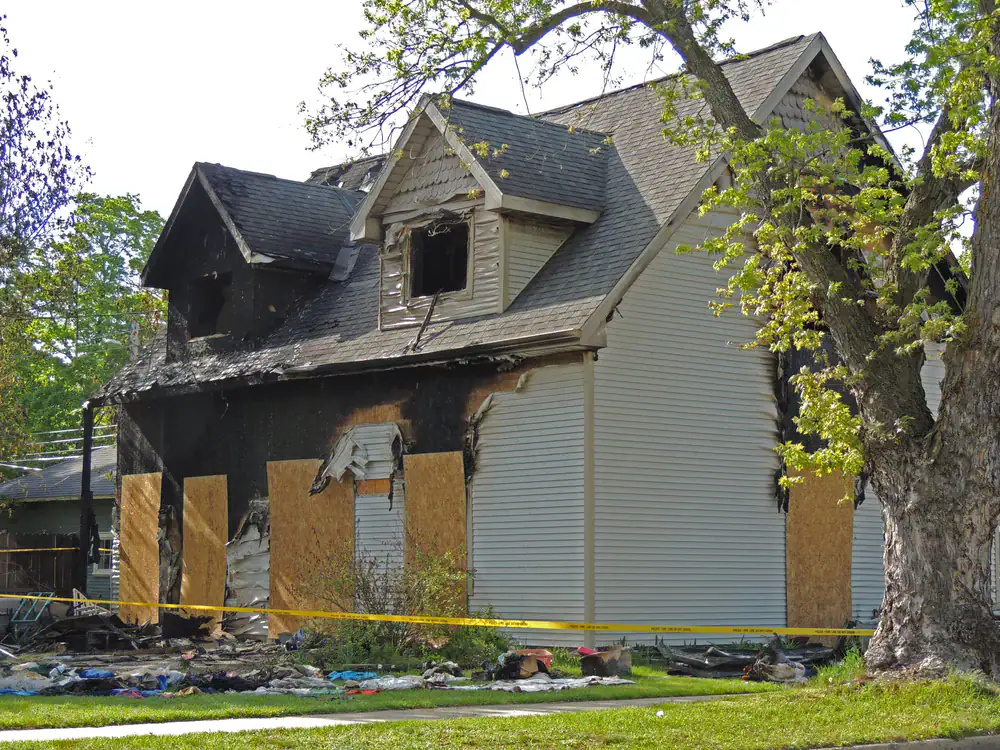
Opening windows and running fans won’t solve smoke odor problems. The particles causing that smell have bonded to surfaces at a molecular level. They’ve infiltrated porous materials like drywall, insulation, and wood. Standard cleaning methods can’t reach these embedded particles.
Soot adds another layer of complexity. This black, powdery residue isn’t just dirt you can wipe away. Soot is acidic. Left on surfaces, it continues causing damage, etching glass, corroding metal, and permanently staining walls and ceilings. The longer soot sits, the more permanent the damage becomes. Within hours, soot can cause discoloration. Within days, it can permanently damage surfaces.
Your HVAC system has become a distribution network for smoke particles. When the fire burned, smoke traveled through your ductwork, coating the inside of every vent, duct, and the system itself. Every time you run your heating or cooling, you’re circulating these contaminated particles throughout your home. This creates ongoing air quality problems and spreads smoke odor to areas the fire never touched.
Professional smoke odor removal uses specialized equipment and techniques that homeowners don’t have access to. Thermal fogging releases a fine mist that penetrates the same spaces smoke particles reached, neutralizing odors at the source. Ozone generators create ozone molecules that break down odor-causing compounds. Hydroxyl generators provide similar results without requiring you to vacate the property during treatment.
HEPA filtration systems capture microscopic particles from the air, while industrial air scrubbers continuously clean the air during the restoration process. These aren’t consumer-grade air purifiers—they’re commercial equipment designed specifically for disaster restoration.
Soot removal requires specific cleaning agents and techniques that vary depending on what burned and what surfaces were affected. Using the wrong cleaning method can actually drive soot deeper into materials or spread it to clean areas. Fire damage specialists assess the type of soot, test cleaning methods on small areas, and use the appropriate techniques for each surface.
The goal isn’t just making your home smell better. It’s removing the health hazards and stopping the ongoing damage that smoke and soot cause. This level of cleaning determines whether your home will ever feel truly clean again or whether that smoke smell lingers for years.
Creating a House Fire Cleanup Checklist for the First 24 Hours
When everything feels chaotic, a clear checklist keeps you focused on what actually matters. These aren’t suggestions you can get to later—they’re time-sensitive actions that protect your family and your property.
Contact your insurance company first, before you do anything else inside your home. Most policies require notification within 24 hours of a loss. Your insurance agent guides you through the initial steps, explains what documentation you’ll need, and may authorize emergency services like temporary housing or property security. This call starts your claim and ensures you’re covered for the restoration costs ahead.
Document everything with photos and videos once you’re cleared to enter safely. Walk through every room, even ones that don’t look damaged. Take wide shots showing overall damage and close-ups of specific items. Photograph the exterior, including roof damage, broken windows, and any structural issues. This documentation becomes crucial when you’re working with your insurance adjuster and trying to remember everything that was damaged.
Notify utility companies to shut off gas, water, and electricity if the fire department hasn’t already done so. Don’t attempt to turn utilities back on yourself. Damaged systems need professional inspection before they’re safe to use. Gas leaks, electrical shorts, and compromised water lines create serious hazards that require qualified technicians to assess and repair.
Secure temporary housing for your family if your home isn’t safe to occupy. Most homeowners insurance policies include loss of use coverage that pays for hotel stays, rental properties, and additional living expenses while your home is being restored. Don’t wait to figure this out—your family needs a safe place to sleep tonight.
Retrieve essential items when it’s safe to do so, but prioritize carefully. Medications, important documents, eyeglasses, and immediate necessities come first. Don’t spend hours sorting through belongings or trying to clean items yourself. Professional restoration companies offer contents pack-out services where they inventory, remove, clean, and store your belongings in a controlled environment while your home is being restored.
Contact fire damage restoration specialists who can begin emergency services immediately. In Greendale, WI and throughout Milwaukee County, WI, professional emergency fire restoration companies respond 24/7 because we understand that securing property and beginning mitigation can’t wait. We handle fire board-up services, water extraction from firefighting efforts, initial cleaning, and create a comprehensive restoration plan.
Avoid these common mistakes that complicate recovery. Don’t attempt to clean smoke damage yourself—you can actually make it worse. Don’t throw away items that might be salvageable without documenting them first. Don’t sign contracts with restoration companies that show up uninvited. Don’t make permanent repairs before your insurance adjuster assesses the damage. And don’t try to live in the house while restoration is happening—the air quality and safety risks aren’t worth it.
Getting Professional Fire Damage Restoration in Milwaukee County
You’ve made it through the immediate crisis. You’ve secured your property, documented the damage, and taken the critical first steps. Now comes the restoration process that returns your house to a home.
Fire damage restoration isn’t a DIY project. It requires specialized training, commercial equipment, and expertise in handling everything from structural repairs to smoke odor removal. Professional fire damage specialists coordinate with your insurance company, follow industry standards for safe cleanup, and manage the entire process from emergency response through final reconstruction.
The first 24 hours set the foundation, but complete recovery takes time, expertise, and the right team. If you’re in Greendale, WI or anywhere in Milwaukee County, WI and facing the aftermath of a house fire, we provide comprehensive fire damage restoration services with the local knowledge and professional care your situation demands.