
Water that comes in from outside is not the same job as a burst pipe. Storm water and sewer surcharge arrive carrying whatever they crossed on the way, so the work is decontamination as much as drying, and a lot of what it touches has to go rather than be dried and saved. We answer 24/7 across Milwaukee County and aim to be there in under 60 minutes.
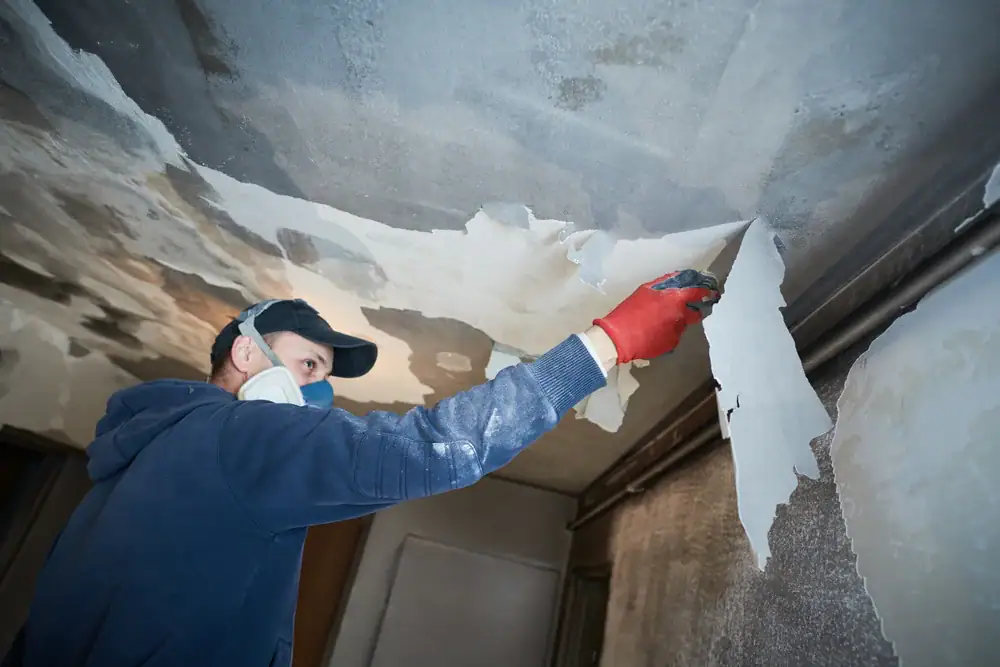
The first priority is containment, not cleanup. Water that has come in from outside is treated as contaminated from the moment it arrives, so the work starts by establishing what it has touched and keeping that separate from the rest of the house. Walking flood water through a dry hallway spreads the problem into rooms that were fine.
Then extraction, then removal. Standing water comes out with pumps, but with an external flood a large part of the job is deciding what leaves the building rather than what gets dried. Porous materials that absorbed contaminated water are not salvageable at any drying speed, and pretending otherwise is how a cleanup turns into a health problem.
Then cleaning and drying. Every surface that stays gets cleaned and treated, not just dried, and the structure is dried to a measured target with readings taken daily.
We answer 24/7 from Greendale and aim to be with you in under 60 minutes anywhere in Milwaukee County. After a widespread storm we are working a queue, so calling early genuinely matters.
Flooding has an outside cause and an inside cause, and they are not the same job. Water arriving from outside has crossed ground, roads and drains, so it is classed as grossly contaminated regardless of how clear it looks. Water from a failed pipe inside the house starts clean.
The distinction decides what can be saved, what protective equipment the crew needs, and, most importantly for you, which insurance policy pays. Here is what we get called to most.
A failed supply line is the one genuinely clean-water cause on this list, and the one your standard homeowners policy is most likely to cover. Volume is the problem rather than contamination: a mains-pressure line puts out a great deal of water quickly, and it travels along joists well beyond the split.
Caught early, most of what it touches can be dried in place rather than removed. That is the opposite of the storm water cases below, which is why the first question we ask is where the water came from.
This is the classic Milwaukee County case. Heavy or prolonged rain overwhelms the storm system, and because the county sits largely on clay soil that drains slowly, the water pushes toward foundations rather than soaking away. It arrives through window wells, foundation cracks, and up through the slab where it meets the wall.
Storm water is category 3, so carpet, pad, saturated drywall and insulation come out rather than being dried. It is also the case least likely to be covered by a standard policy, because surface water and groundwater generally need separate flood insurance.
Spring thaw does the same thing more slowly. Frozen ground cannot absorb meltwater, so it runs across the surface and finds the lowest opening in your building.
A failed washing machine hose, dishwasher, or water heater sits between the two extremes. The water starts reasonably clean but carries detergent, food residue and whatever was in the machine, which puts it in category 2, and it degrades further the longer it sits.
Appliance failures also tend to run unnoticed, often overnight or while the house is empty, so the volume is high and the water has had time to reach places a quick mop will never find. Sudden appliance failure is usually covered; a hose that has been weeping for months usually is not.
If water has come in from outside, the clock on what can be saved is short, and the decisions in the first day are the ones that matter. Call 414-519-9912 any hour.
The assessment is free and carries no obligation. We will tell you what category the water is, what that means for your belongings, and which policy is likely to be in play, before you commit to anything.
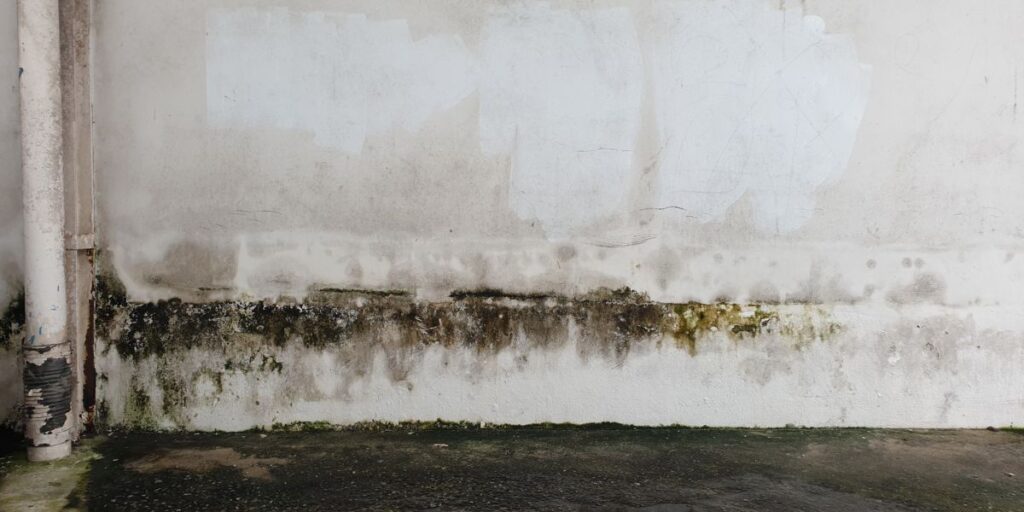
Flood cleanup runs differently from a clean-water job, because removal comes before drying rather than after it.
1. Safety and containment. Electricity to affected areas is isolated before anyone enters standing water. We establish which areas are contaminated and keep traffic out of the clean parts of the building.
2. Water extraction. Pumps for the bulk, then extraction units for what is held in the remaining materials.
3. Removal of what cannot be saved. Carpet and pad, saturated drywall cut back above the water line, wet insulation, and porous contents. Everything that leaves is photographed on the way out, because once it is in the dumpster nobody can prove to an adjuster what it was.
4. Cleaning and treatment. Remaining structure is cleaned rather than merely dried, and treated with an appropriate antimicrobial. This step is the one most often skipped by people trying to do it themselves, and it is the difference between a dry basement and a safe one.
5. Drying to target. Air movers and dehumidifiers sized to the space, readings taken daily against unaffected areas, equipment out only when the numbers say so.
After a widespread storm, every restoration company in the county is working a queue. Being early in it is worth more than any discount you will be offered.
If you are waiting on us or on anyone else, the useful things you can do are photograph everything before it moves, get air moving if it is safe to do so, and avoid throwing anything away until it has been recorded.
This is the question that catches most people, and the honest answer is that it depends entirely on where the water came from, not on how much damage it did.
A standard homeowners policy generally does not cover flooding from outside. Surface water, rising groundwater and storm runoff are excluded from almost every standard policy in the country. Covering those requires separate flood insurance, usually written through the National Flood Insurance Program or a private equivalent, and it typically has a waiting period before it takes effect, so it cannot be bought once rain is forecast.
Sewer and drain backup is its own separate thing again. It is normally excluded unless you specifically bought that endorsement. It is usually inexpensive and it is the single most commonly missing coverage we encounter in this county.
What a standard policy usually does cover is sudden and accidental water from inside the building: a burst supply line, a failed appliance, a water heater letting go.
Because the source decides the policy, documenting the source properly at the first visit is not paperwork, it is the claim. We record where the water entered, how far it reached, and what it was, in the format adjusters expect, and we bill your carrier directly where the policy allows.
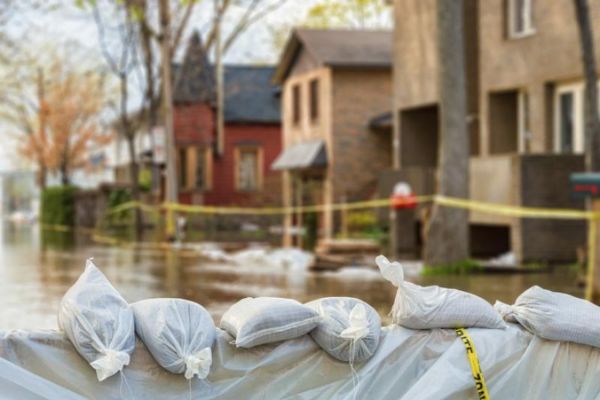
While you wait for our professionals to arrive, here are some helpful tips to manage the situation:
If it’s safe, turn off the main water supply, gas, and electricity to prevent further issues and hazards.
Relocate important documents, electronics, and personal belongings to a dry area to minimize potential loss.
Take photos or videos of the flood damage for your insurance records, which can assist in filing claims.
If you must enter the affected area, wear gloves and boots to protect yourself from contaminants.
Stay away from standing water, as it may be deeper and more hazardous than it appears.
Contact your insurance provider to report the damage and begin the claims process as soon as possible.
With contaminated water the risk is not only structural, it is biological, and it escalates faster than people expect.
Materials stay wet in an enclosed space and mold can begin to establish within roughly 24 to 48 hours. Wood that stays saturated softens and eventually rots. Drywall loses its strength and starts to sag. Wet insulation compresses and stops working permanently.
With category 3 water there is also whatever came in with it, which is why the affected area is treated as contaminated rather than just wet, and why porous materials that absorbed it are removed rather than dried.
The practical version: a fast response usually means removing carpet and a band of drywall. A slow one usually means removing framing, insulation and floors, and dealing with mold on top.
They do not rely on how it feels, because touch is a poor moisture meter. Surfaces dry first and structure dries last, so a floor can feel dry while the subfloor and the bottom of the wall beside it are still saturated.
We use moisture meters on the materials themselves, both pin and pinless depending on the surface, and compare readings against an unaffected part of the same property to establish what dry actually means in your building. Thermal imaging helps scan a large area quickly for suspect spots, but it reads temperature differences rather than moisture, so anything it flags is confirmed with a meter.
Readings are taken daily and logged. That log is what tells us when to pull the equipment, and it is also the evidence that the property was dried properly, which matters if you ever sell it or make a later claim.
No, and the gap between what people assume and what they actually hold is the most common unpleasant surprise in this work.
A standard homeowners policy covers sudden and accidental water from inside the building. It generally excludes surface water and groundwater from outside, which needs separate flood insurance, and it usually excludes sewer and drain backup unless you bought that endorsement.
Two practical notes. Flood insurance normally carries a waiting period, so it cannot be arranged once a storm is coming. And the backup endorsement is usually cheap, so if you own a basement in Milwaukee County it is worth asking your agent about before you need it.
Whatever the answer turns out to be, the documentation from the first visit is what the claim rests on, so let it be recorded before anything is cleared out.
Electricity first. If any part of the flooded area has outlets, appliances or a furnace in or near the water, do not enter it. If your panel is somewhere safe and dry to reach, shut off power to the affected circuits. If reaching it means walking through water, leave it and call an electrician or the utility.
Then treat the water as contaminated, because if it came from outside it is. Keep children and pets out. If you have to be in it, wear waterproof boots and gloves, and wash thoroughly afterwards.
Photograph everything before you move it. This is the step people skip and regret, because your adjuster needs to see the damage as it was, and once contents are out on the drive that evidence is gone.
What not to do: do not run your household vacuum at it, do not use the HVAC system if the ductwork got wet, and do not start throwing things out before they have been recorded.
Because the assessment decides the whole scope, and the visible water is the smallest part of it.
Three things get established. How far the water actually traveled, which is found with meters rather than eyes and is nearly always further than the wet patch suggests. What category it is, which determines what can stay and what has to go. And where it came in, which determines which insurance policy applies.
That last one is why a proper assessment is worth the hour even on a job that looks obvious. A basement with two inches of water might be a covered pipe failure or an excluded groundwater event, and the difference is thousands of dollars. Establishing it properly at the start, with photographs and readings, is what makes the claim straightforward later.
The rule of thumb is that non-porous items usually survive and porous ones usually do not, but it depends heavily on the water category.
With clean water, most things can be dried, cleaned and kept. With contaminated flood water, anything absorbent that took it on is generally not salvageable: upholstered furniture, mattresses, carpet and pad, particle board furniture, and paper goods. Hard items such as glass, metal, sealed plastic and solid wood can usually be cleaned and disinfected.
Where we can save something we will, and there are specialist options for genuinely irreplaceable items such as documents and photographs, which do better than most people expect if they are frozen quickly rather than left to dry.
Everything discarded is photographed and listed before it leaves. That list is what your contents claim is built from, and it cannot be reconstructed afterwards from memory.