

Attic insulation removal Milwaukee County, WI

Wet, moldy insulation doesn't dry out. It comes out.

Water came in through the roof, a pipe let go, or you had a fire, and now there’s insulation up there holding all of it. It won’t dry out on its own and you can’t clean it. We vacuum it out, deal with the wood underneath, and blow new insulation back in.
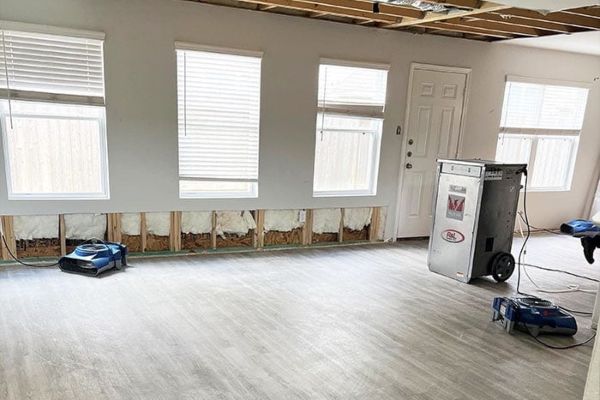
Milwaukee County room with drywall removed, exposed insulation, and drying fans after flood damage.

We work the loss, not just the attic

Insulation coming out after water, fire or mold is a restoration job. We handle the whole thing, not just the part with a hose on it.

Your house stays clean

Drop cloths from the hatch to the door, sealed bags out to the driveway, negative air running the whole time. Nothing comes down your stairs in an open sack.

We'll tell you not to do it

If the wood is dry and the insulation is only shallow, a top-up is cheaper and we'll say so. We'd rather do the smaller job than sell you one you don't need.

Documented for your adjuster

Moisture readings, photos and notes before anyone touches anything, because that is what decides whether your claim covers it.

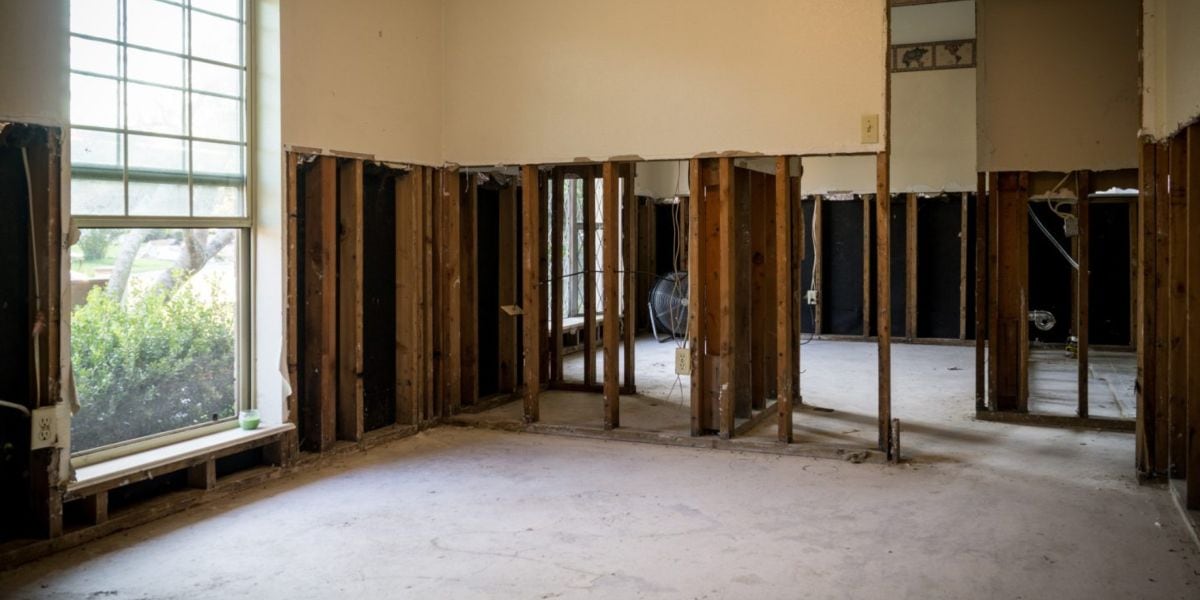
Drywall removed and studs exposed with debris, showing typical water damage restoration in Milwaukee County.

Attic insulation removal services Milwaukee County, WI

What we actually do up there

  • Vacuum out wet, moldy or smoke-damaged blown-in insulation.
  • Seal the attic hatch and run negative air so nothing gets into your living space.
  • Clean and treat the roof boards and framing while the attic is open.
  • Dry the structure and confirm it with a meter before anything new goes in.
  • Blow in new cellulose or fiberglass to the depth your attic should be at.
  • Photograph and log the whole job so your insurance claim has what it needs.

Attic insulation removal and replacement Milwaukee County

What you actually get

You’re not just paying someone to empty an attic. You’re paying to find out what put the water up there in the first place, and to stop it happening again.

A moisture reading on the framing, and we show you what it says.

Photos and documentation for your claim, taken before anything moves.

The roof boards get cleaned and dried, not covered back over.

The insulation leaves by hose into sealed bags outside. It never comes down your stairs.

New depth marked on the joists, so you can go up and check it.

You find out what put the water there: the roof, an ice dam, or a bath fan venting into the attic.

Ready to get started?

A bold white number 1 is centered in a solid black circle, representing top WI water damage restoration.

Share project details

Call us or get a free online quote to help us identify your project needs.

A bold white number 2 stands out in a solid black circle, symbolizing Water Damage Restoration expertise.

We'll follow up

If you requested an online quote, you can expect a callback within 24-48 hours of your request.

A white number 3 on a black circle with light gray background represents WI restoration services.

The floor is yours

Connect with an expert and share all project specifics.

A white number 4 centered in a black circle, symbolizing Water Damage Restoration Milwaukee County.

Plan your project

Like what you hear? We'll provide next steps and expert guidance.

Milwaukee County room with drywall removed, exposed insulation, and drying fans after flood damage.

Wet attic insulation removal near me

Why wet insulation can't just dry out

Insulation works by holding still air. Once it’s wet it holds water instead, and blown cellulose is the worst of it, because it’s treated paper. It soaks up, packs down flat, and never springs back. Even after the moisture has gone, most of what you were paying for has gone with it. The bigger problem is what wet insulation does to everything around it. It sits against the roof boards and keeps them damp for weeks after the leak itself is fixed. That’s where attic mold almost always starts, on the underside of the sheathing rather than in the insulation. By the time anyone smells it downstairs, the wood has been wet for a month. Blowing new insulation over the top is the cheap answer and it’s the wrong one here, because it buries the part that needs treating. Once the attic is covered again, nobody looks at that wood for another twenty years. We’d rather take the day, get the insulation out, deal with the boards, and put new blown-in insulation back knowing what’s underneath it.

Attic insulation removal cost Milwaukee County, WI

What it costs and what moves the number

Square footage is the obvious one, but it isn’t usually what moves the price. What moves it is how deep the existing insulation is, how far the crew has to run hose from the hatch to the driveway, and whether there’s mold or smoke to treat once the attic is empty. A straight removal and a removal with decontamination and drying are different jobs with different day counts. Give us the square footage and the year the house was built and we’ll put a range on it over the phone. The firm number comes once someone has been up there, because the part that costs money is the part you can’t see from the hatch. Anyone quoting a fixed price without going up is guessing. If the insulation is coming out because of a burst pipe, an ice dam, a storm-damaged roof or a fire, the removal and the replacement usually go on your claim. It is normally one line inside a bigger water damage restoration job rather than a job on its own. What insurers won’t pay for is insulation that simply got old or was never thick enough to start with. Your adjuster decides which of those it is from what they can see, which is why we photograph and log the attic before anyone touches it.
Drywall removed and studs exposed with debris, showing typical water damage restoration in Milwaukee County.
Attic Insulation Removal FAQs

Common questions about our Attic Insulation Removal services

Only if there’s a reason underneath it. If the roof boards are stained, the insulation is packed down or damp, or something smells when you open the hatch, then yes, because anything you add on top just seals that in. If the wood is clean and dry and the insulation is simply shallow, a top-up is cheaper and works fine, and we’ll tell you that rather than sell you a removal. A moisture reading on the framing and a look at the underside of the roof settles it in about twenty minutes, and that visit doesn’t cost you anything.
It depends on square footage, how deep what’s up there is, how far we have to run hose, and whether there’s mold or smoke to deal with once the attic is empty. A straight removal is a different job from a removal with decontamination and drying. Tell us the square footage and roughly when the house was built and we’ll give you a realistic range on the phone, then a firm number once we’ve seen it. If it’s coming out because of a covered loss, most of it usually goes on your insurance claim.
You shouldn’t be cleaning up after us. The insulation goes out through a hose into sealed bags outside, not down your stairs in open sacks. We seal the attic hatch, run drop cloths from the hatch to the door, and keep negative air going inside the containment so dust moves out of the house instead of through it. Fiberglass dust travels a lot further than people expect, which is the main reason a do-it-yourself removal usually costs more in cleanup than it saved.
Stop, and do not touch it. Vermiculite installed before about 1990 can contain asbestos, most of it traced to a single mine in Libby, Montana. It looks like small grey-brown pebbles rather than fluff or batts. Do not vacuum it, do not bag it, and do not take a sample to send off. If we open an attic and find it, we stop and bring in a licensed asbestos abatement contractor rather than removing it ourselves. That call costs you nothing and it’s the only safe answer.
A typical Milwaukee attic between 1,200 and 1,600 square feet is a day for the removal, then a second visit to blow the new insulation in once the framing has confirmed dry. Where mold treatment is involved the drying sets the schedule rather than the labor, so it can run to a third visit. We won’t blow new material over framing that hasn’t hit a dry reading, because that traps the problem somewhere nobody will look again for twenty years.
Wisconsin’s Uniform Dwelling Code, SPS 322.32, sets ceilings at R-49 for a new home, with R-38 accepted where the full uncompressed depth carries over the top plate at the eaves, and R-30 as a floor where the roof design leaves no room for more. That’s new construction though. Nobody is going to make you bring an existing attic up to code, so for a house you already own the number worth aiming at is the ENERGY STAR retrofit figure for this climate zone, R-49 to R-60. Roughly, that’s about 15 inches of cellulose or nearer 20 of fiberglass.
A bold white number 1 is centered in a solid black circle, representing top WI water damage restoration.

We look, and we take a reading

We measure how deep the current insulation is, check the roof boards for staining, and put a moisture meter on the framing so you know what you're dealing with.

A bold white number 2 stands out in a solid black circle, symbolizing Water Damage Restoration expertise.

We seal off and vacuum out

Attic hatch sealed, drop cloths down, negative air running, and the insulation goes out through a hose into sealed bags on the driveway.

A white number 3 on a black circle with light gray background represents WI restoration services.

We clean, dry and reinsulate

Mold treated, smoke residue dealt with, framing dried until the meter agrees, then new cellulose or fiberglass blown in to depth and marked.