Summary:
You did not plan for this. Nobody does. One morning there is water where water should not be, and suddenly you are trying to figure out how bad it is, if your insurance covers it, and what it is going to cost before you have even had a second cup of coffee.
The problem with searching for water damage repair costs is that most of what comes up is either too vague to be useful or too national to apply to your situation. Greendale is not a new subdivision with modern drywall and PVC plumbing throughout. The numbers here are shaped by this market, this housing stock, and this climate, and that matters.
Here is a straightforward look at what you can expect to pay, and why.
Water Damage Repair Costs In Greendale, WI And Milwaukee County
Based on completed projects in the Greendale and Milwaukee County area, the average water damage repair runs somewhere between $2,209 and $2,269, but that number can move significantly in either direction depending on what got wet, how long it sat, and what it is made of. Nationally, most homeowners land somewhere between $1,300 and $6,000, with extreme cases going well beyond that.
The per-square-foot math is useful for rough estimates. Emergency extraction and structural drying typically runs $3 to $7.50 per square foot. The rebuild side, which involves replacing drywall, repairing or replacing flooring, and repainting, adds another $20 to $37 per square foot depending on materials and the extent of the damage.
What most people do not realize upfront is that those two phases often come as two separate invoices. That is not a billing trick; it is just how the process works, and understanding it early saves a lot of confusion later.
How Much Does Drywall Repair Cost After A Water Leak?
Drywall repair after a water leak is not the same as standard drywall repair, and the cost reflects that. You are not just patching a hole. You are dealing with material that has absorbed moisture, potentially grown mold behind the paper facing, and may need to be removed, treated, and disposed of as contaminated material before anything new goes up.
For Category 1 damage involving clean water from a supply line or appliance caught quickly, drywall repair typically runs $1 to $3 per square foot. For Category 2 or Category 3 damage, which involves gray water from an appliance drain or black water from sewage or flooding, that range jumps to $2 to $5 per square foot, plus disposal fees for the removed material. Nationally, the average drywall repair from water damage lands around $300 to $850, though Greendale and Milwaukee County labor rates and the specifics of older homes tend to push costs toward the middle and upper end of that band.
Many of Greendale’s homes were built during the village’s New Deal era development in the late 1930s and 1940s and still have plaster walls rather than modern drywall. Plaster behaves differently when it gets wet. It can absorb moisture deeply, it is heavier and more labor intensive to remove, and replacing it with modern drywall involves matching thickness and finish in ways that take more time. If your home falls into that category, budget toward the higher end of the range and ask your restoration company specifically about plaster experience.
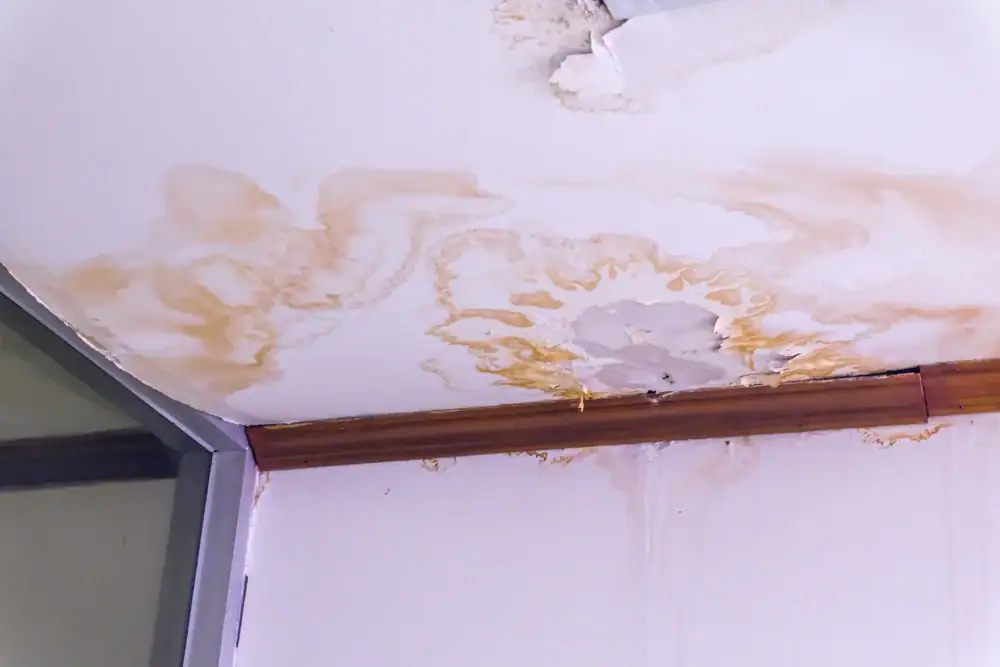
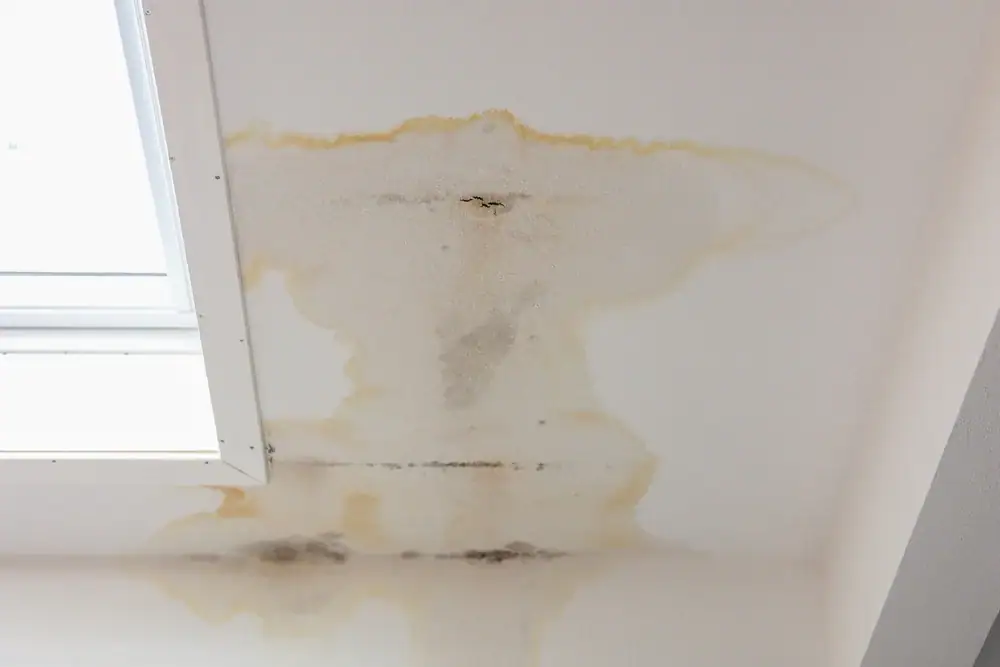
Ceiling repairs from water damage follow a similar logic. National ranges run $450 to $1,600, and Milwaukee County jobs typically trend toward the upper portion of that range. A ceiling stain that looks like a simple cosmetic fix often turns out to involve saturated insulation above it, which has to come out before the ceiling can be properly repaired.
Drywall repair cannot start until the structure is confirmed dry. That is not a scheduling preference, but rather a moisture standard. Enclosing wet framing behind new drywall is how mold problems develop inside walls months after a job looks finished. We will not move forward with reconstruction until that standard is met.
How Much Does Water-Damaged Flooring Repair Cost?
Flooring repair after a water leak runs $200 to $3,000 depending on the type of flooring, how long the water was in contact with it, and if the subfloor underneath was affected. That is a wide range, and the main variable is time. The longer water sits, the deeper it penetrates, and the more expensive the repair becomes.
Carpet is the most vulnerable. It degrades quickly, retains moisture in the padding underneath, and almost always needs to be removed entirely after a significant water event rather than dried in place. Hardwood is more resilient if caught early, meaning short exposure to clean water can sometimes be addressed with professional drying, but prolonged exposure causes cupping, buckling, and separation that requires board replacement or full refinishing. Tile holds up better than most, but the grout and the substrate beneath it can still absorb moisture and become a mold risk if not properly dried.
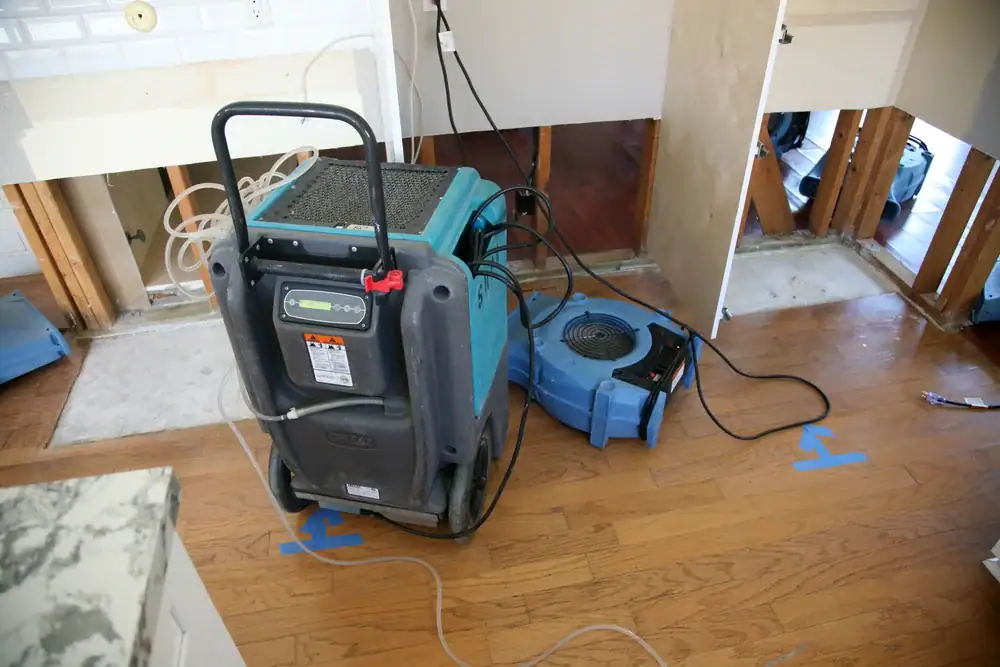
Original hardwood floors are common in Greendale homes built before 1960. These floors are often worth saving because they are solid wood, not engineered, and they have a character that modern flooring cannot replicate. But saving them requires fast action and proper drying with professional equipment. Box fans and a shop vacuum will not pull moisture from the wood itself. We use industrial dehumidifiers and high velocity air movers to reach deep into the material, and moisture meters confirm when the flooring has reached a safe dry standard.
Subfloor damage is where costs can escalate significantly. If water reaches the subfloor and sits, you are looking at potential structural softening, mold growth in the cavity between the subfloor and the floor above, and replacement costs that add substantially to the overall bill. A mid-size room’s drying and dehumidification phase alone (before any repair work begins) typically runs $1,500 to $4,000 and accounts for 20 to 30 percent of total restoration cost.
The 48-Hour Rule: Why Speed Matters For Your Water Damage Repair Bill
Mold can begin growing within 24 to 48 hours of initial water exposure. That timeline governs how we approach every job, and it is the reason the cost of water damage repair is not fixed. It changes based on when you act.
A drywall repair job that costs $1 to $3 per square foot for clean water damage caught quickly becomes a mold remediation job with additional air quality testing and contaminated material disposal if the same space sits wet for 72 hours. The repair cost does not just increase; it changes category entirely.
Wisconsin’s spring thaw season makes this particularly relevant for Greendale homeowners. Sump pump failures during late March and April snowmelt are among the most common causes of basement flooding in Milwaukee County, and they often happen overnight or while residents are at work. By the time the water is discovered, the clock is running.
Does Homeowners Insurance Cover Drywall And Flooring Repair After A Water Leak?
This is the question almost everyone asks, and the answer depends on where the water came from, not just how much damage it caused.
Standard homeowners insurance typically covers sudden and accidental water discharge from internal sources, such as a burst pipe, a failed appliance supply line, or a water heater that gives out. What it generally does not cover is flooding from external sources, including overland flooding, storm surge, or water that backs up through a floor drain due to an overwhelmed municipal system. For that kind of coverage, you need a separate flood insurance policy, typically through the National Flood Insurance Program.
This distinction catches a lot of Milwaukee County homeowners off guard. During heavy rain events, the county’s aging storm drain infrastructure is regularly overwhelmed, causing basement backups and floor drain flooding in communities across the area, including Greendale. If your basement floods because the municipal system backed up during a storm, your standard homeowners policy likely will not cover it, even though the damage looks identical to a burst pipe situation.
When a claim is covered, insurance adjusters in the Milwaukee market use Xactimate pricing software to evaluate and approve restoration costs. We handle that communication directly on your behalf, which means faster claim processing and better documentation of what is needed. We know what adjusters are looking for, and we can move a claim forward without putting that burden back on you.
Why Does Water Damage Repair Come As Two Separate Bills?
If you have talked to a restoration company and found yourself confused about why the estimate covers two different things, here is the explanation that usually gets left out of the conversation.
Water damage restoration has two distinct phases, and they cannot happen at the same time. The first is mitigation, which encompasses everything involved in stopping the damage from getting worse: water extraction, structural drying, moisture monitoring, and antimicrobial treatment. This phase is complete when the structure reaches IICRC acceptable dry standards, confirmed by moisture meter readings rather than how things look or feel. Mitigation typically takes three to seven days in Wisconsin’s climate, and for materials like original hardwood or concrete block, it can run up to 14 days.
The second phase is restoration, which is the rebuild. This is where drywall gets replaced, flooring gets repaired or reinstalled, paint goes back on walls, and fixtures get reinstalled. Restoration cannot begin until mitigation is certified complete. That is not a scheduling preference or a way to stretch out billing, but rather a structural requirement. Enclosing materials that are not fully dry creates conditions for hidden mold growth, which turns a repair job into a remediation job months later.
We handle both phases in-house, which means you work with one team from start to finish. The coordination is seamless, the timeline is clear, and you are not managing two separate contractors during an already stressful period.
Getting An Honest Answer On Water Damage Repair Cost In Greendale, WI
The cost of water damage repair is not one number. It is a range shaped by what got wet, how long it sat, what it is made of, and if the job involves one phase or two. In Greendale and throughout Milwaukee County, where a lot of homes have original plaster, hardwood floors, and older plumbing, those variables matter more than national averages suggest.
What you deserve before committing to anything is a written scope of work breaking down every phase, a clear explanation of what is needed and why, and a company that handles the insurance side without putting that burden back on you. That is not a high bar; it is just what an honest restoration process looks like.
If you are dealing with water damage right now, or trying to understand what you are facing before making a call, we are available around the clock and can have someone at your door within 60 to 90 minutes. Reach out when you are ready, and we will give you a straight answer.