Summary:
Water damage has a way of showing up at the worst possible time. You notice a brown stain spreading across your ceiling after last night’s storm, or you head downstairs to find your basement ankle-deep in water from a burst pipe. In that moment, you’re not thinking about categories and classes—you’re thinking about how bad this is, what it’s going to cost, and who you can actually trust to fix it. That’s exactly what this guide is for. We’re going to walk through the different types of water damage Milwaukee homeowners face, what causes them, how to tell if you’re dealing with something you can handle or something that needs immediate professional help, and what a real assessment process looks like when someone who knows what they’re doing shows up at your door.
Understanding Water Damage Categories: Clean, Grey, and Black Water
When we assess water damage, the first thing we determine is what kind of water we’re dealing with. It’s not about being picky—it’s about safety, health risks, and knowing what kind of cleanup is actually required. The restoration industry breaks water damage into three categories based on contamination level, and understanding these can help you know what you’re facing before anyone even walks through your door.
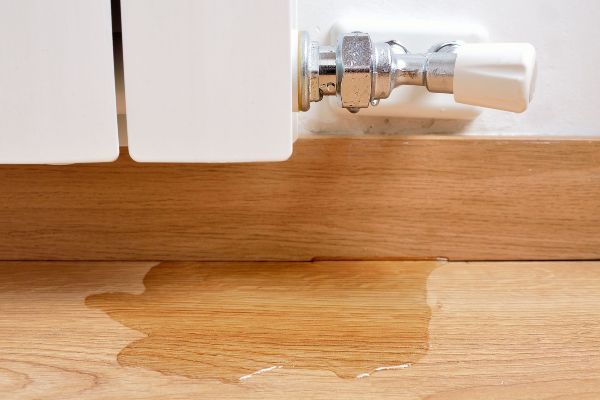
Category 1 is clean water. This comes from sanitary sources like a broken supply line, a leaking faucet, or your water heater. If you catch it quickly, this type of water doesn’t pose a health risk. But here’s the thing—clean water doesn’t stay clean. If it sits for too long or comes into contact with building materials, it can degrade into Category 2.
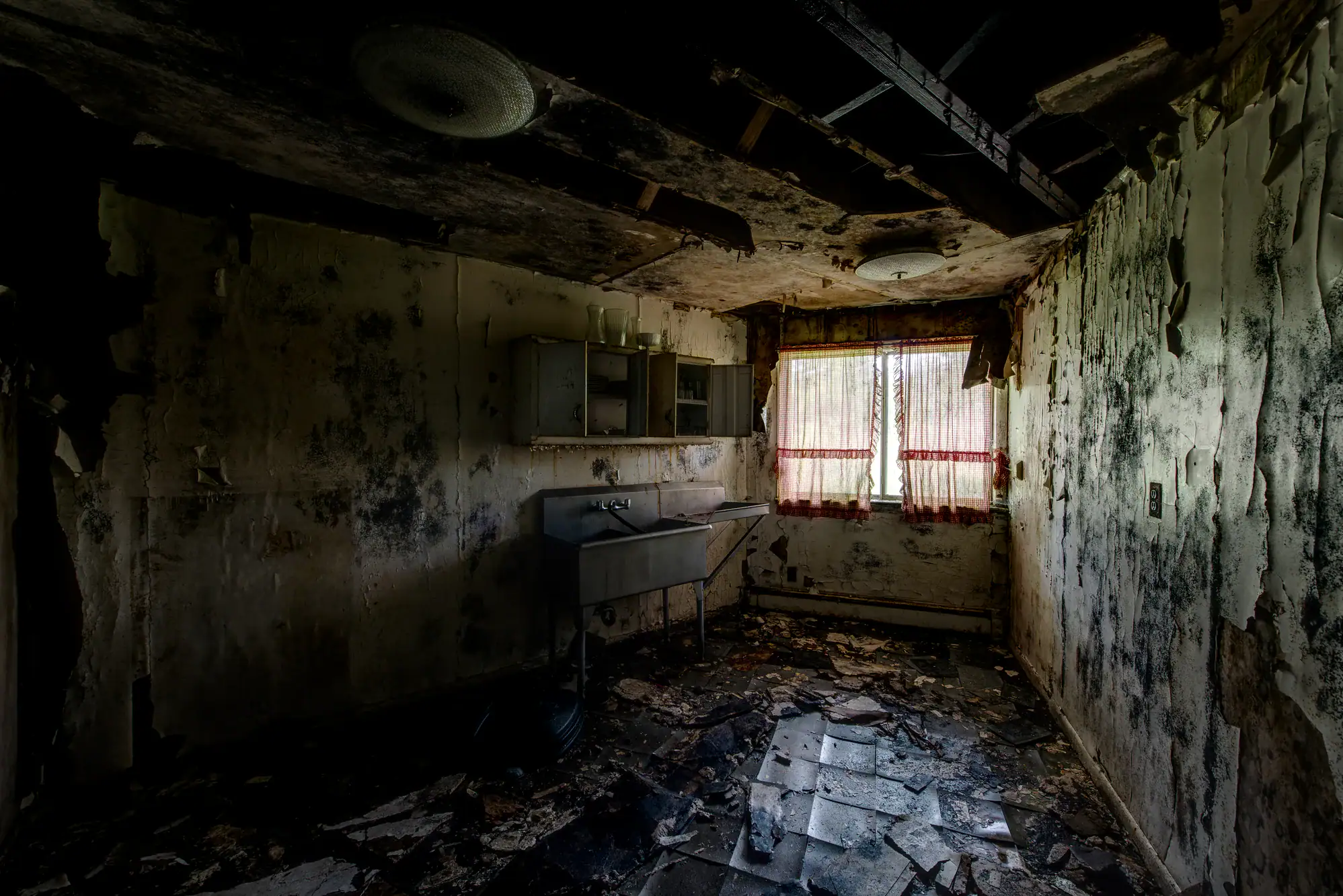
Category 2 is grey water, and this is where contamination becomes a real concern. Grey water comes from sources like dishwashers, washing machines, toilet overflows without solid waste, or sump pump failures. It contains bacteria, chemicals, or other substances that can make you sick if you’re exposed. This isn’t something you want to mess with using a shop vac and some towels. Category 3 is black water, and it’s exactly as bad as it sounds. This is grossly contaminated water from sewage backups, flooding from rivers or storms, or toilet overflows with waste. Black water contains pathogens and toxins that can cause serious illness. If you’re dealing with this, you need professionals with proper protective equipment and training, and you need them now.
Why Water Categories Matter for Milwaukee Homeowners
Milwaukee homeowners face specific scenarios that put them at risk for all three water categories. Spring storms bring heavy rains that overwhelm sewer systems, leading to basement backups —that’s Category 3 black water. Winter freezes cause burst pipes in older homes, which starts as Category 1 clean water but can quickly escalate if not addressed. Even something as common as an aging washing machine hose failure can flood your laundry room with Category 2 grey water. Approximately 1 in 60 insured homes files a water damage claim each year, with an average cost of nearly $14,000, making this one of the most common and expensive problems homeowners face.
Understanding these categories isn’t just academic. It affects how the cleanup happens, what safety precautions are needed, what materials can be saved versus what needs to be removed, and ultimately what your insurance will cover. A Category 1 situation might be manageable with quick action and proper drying. Category 2 requires disinfection and careful handling. Category 3 often means removing and disposing of contaminated materials entirely because they simply can’t be safely cleaned.
The other critical piece: water categories can degrade over time. That clean water from your burst pipe? If it sits in your walls for a day or two, it’s now breeding bacteria and becoming Category 2. This is why speed matters so much in water damage situations. It’s not just about preventing mold—though that’s certainly part of it—it’s about preventing clean water damage from becoming a much more serious contamination issue.
Milwaukee’s humid climate doesn’t help. When water sits in enclosed spaces during our warm months, bacterial growth happens fast. When it happens during winter, you’re dealing with frozen ground that won’t absorb water and ice dams that create ongoing infiltration. Every season brings its own complications, which is why we understand these local patterns and can respond more effectively than someone reading from a generic playbook.
Water Damage Classes: How Severity Affects Restoration
While categories tell you about contamination, classes tell you about extent and severity. The restoration industry uses four classes to describe how much water is present and how difficult it will be to dry everything out. This directly impacts timeline, equipment needs, and cost.
Class 1 is the best-case scenario. This is minimal water affecting a small area with materials that haven’t absorbed much moisture. Think of a small leak under your sink that you caught early. The affected area is limited, evaporation rate is slow, and you might be able to handle this yourself if you act fast—dry everything thoroughly, run fans, and monitor for any signs of lingering moisture.
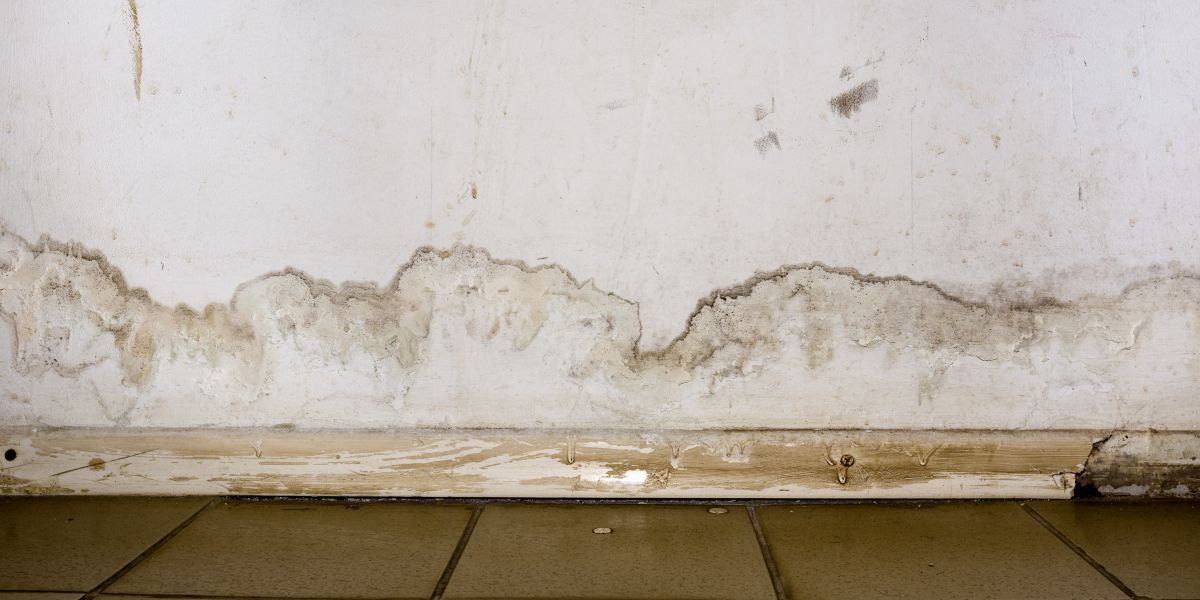
Class 2 means water has affected an entire room. Carpet is soaked, water has wicked up walls less than 24 inches, and moisture has gotten into structural materials like plywood or drywall. This requires professional equipment—commercial dehumidifiers and air movers—to dry properly. The evaporation rate is faster here because there’s more surface area affected, but that also means more opportunity for mold if not handled correctly.
Class 3 is when water comes from overhead or has saturated everything in a space. Ceilings, walls, insulation, subfloors—all soaked. This is common with burst pipes on upper floors or roof leaks during heavy storms. The evaporation rate is the fastest of all classes because water has penetrated so many porous materials. This absolutely requires professional restoration with industrial drying equipment running continuously for days, not hours.
Class 4 involves specialty drying situations where water has deeply saturated materials with low porosity—hardwood floors, plaster, concrete, stone, brick. These materials don’t give up moisture easily, so drying takes significantly longer and requires specialized techniques. You’ll see this in older Milwaukee homes with original hardwood or plaster walls that have absorbed water. Standard drying equipment isn’t enough; we need to use advanced methods and monitor moisture levels constantly to ensure complete drying.
The class designation isn’t just about describing the problem—it determines the restoration approach. A Class 1 situation might be resolved in a day or two with basic equipment. Class 4 could take a week or more with specialized drying systems. Understanding this helps you set realistic expectations when you’re getting estimates and timelines from restoration companies. If someone tells you they can dry out a Class 3 situation in 24 hours, they’re either using equipment from another dimension or they’re not being straight with you.
Water Leaking from Ceiling: Causes and Immediate Action Steps
Few things create instant panic like looking up and seeing water dripping from your ceiling. Your mind immediately goes to worst-case scenarios—how much damage has already happened that you can’t see, how much this is going to cost, whether your ceiling is about to collapse. Let’s start with what’s actually happening and what you need to do right now.
Water leaking from a ceiling means water is accumulating somewhere above that spot. But here’s what catches people off guard: the leak location on your ceiling often isn’t directly below the source. Water travels along joists, pipes, and roof panels before it finds a weak spot to drip through. That stain in your living room might be from a bathroom pipe ten feet away or a roof issue on the opposite side of the house.
The most common causes in Milwaukee homes break down into a few categories. Roof-related leaks come from damaged or missing shingles, worn flashing around chimneys and vents, ice dams from our freeze-thaw cycles, or clogged gutters that cause water to back up under roofing materials. Plumbing issues include burst pipes from winter freezes, leaking fixtures in upstairs bathrooms, corroded pipes in older homes, or failed seals around tubs and showers. HVAC problems like clogged condensate drain lines or overflowing drip pans can also cause ceiling leaks, especially during summer when air conditioning runs constantly.
What to Do When Water Starts Dripping from Your Ceiling
First: stay calm and stay safe. If water is near light fixtures, outlets, or any electrical components, turn off power to that area at your breaker box. Water and electricity don’t negotiate. If you’re not sure which breaker controls that area, shut off the main. Yes, you’ll lose power to your whole house temporarily, but that’s better than the alternative.
Next, contain the water. Put buckets, pots, whatever you have under the drip. If you’re seeing a bulge in your ceiling where water is pooling, you might need to carefully puncture it with something like a screwdriver to let water drain in a controlled way rather than having a section of ceiling suddenly give way and dump gallons of water and drywall all over your floor. This sounds counterintuitive—why would you poke a hole in your ceiling—but it prevents a much bigger mess.
Move furniture, electronics, and anything valuable away from the affected area. Use towels or plastic sheeting to protect items you can’t move. Take photos and videos of everything—the leak, the damage, the source if you can identify it. Your insurance company will want documentation, and it’s much easier to do this now than trying to recreate what happened after cleanup starts.
If the leak is plumbing-related and you can identify which pipe, turn off the water supply to that fixture or shut off your main water valve. This is usually located in your basement, crawl space, or where the water line enters your house. If it’s raining and you suspect a roof leak, you’re not going to stop the rain, but you can try to minimize further intrusion by placing a tarp over the suspected area if it’s safe to do so. Don’t climb on a wet or steep roof—that’s how people get hurt.
Once you’ve done immediate damage control, call a professional restoration company. Not tomorrow, not when you have time to get three quotes—now. Every hour that water sits increases damage and increases the likelihood of mold growth. Mold can begin developing within 24 to 48 hours of water exposure, turning a manageable situation into a health hazard. A legitimate restoration company will send someone out quickly to assess the situation, identify the source, and start mitigation immediately. We should explain what we’re finding, what needs to happen next, and give you a clear timeline and cost estimate before work begins.
Signs Your Ceiling Water Damage Is Worse Than It Looks
Sometimes ceiling water damage announces itself with an obvious drip. Other times, it’s been happening for a while before you notice. Knowing the warning signs of hidden or worsening damage helps you catch problems before they become catastrophic.
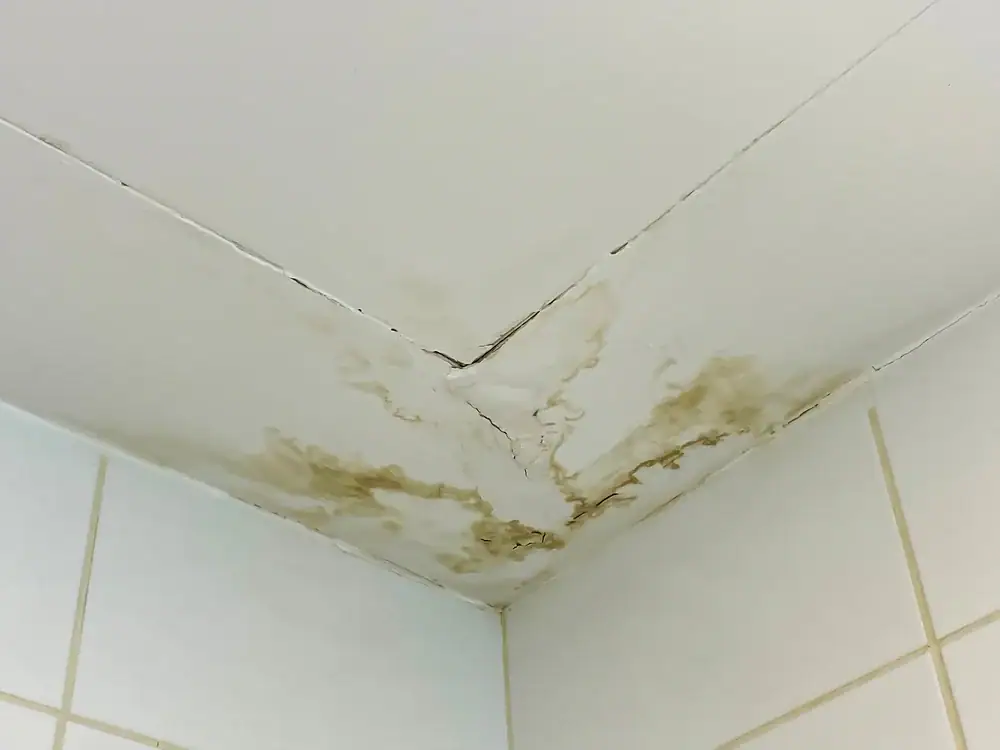
Water stains are the most visible indicator. These typically appear as brown, yellow, or rust-colored rings or patches on your ceiling. If the stain is growing, the leak is active. If it’s dry but present, you’ve had water intrusion at some point—and you need to find out if the source is still a problem. Don’t make the mistake of thinking a dry stain means the problem solved itself. It just means the water stopped temporarily or found a new path.
Sagging or bulging ceiling sections mean water has pooled and the drywall or plaster has absorbed significant moisture. This is a structural concern. The weight of the water is compromising the ceiling’s integrity, and it could collapse without warning. If you’re seeing this, get out from under it and call for help immediately.
Peeling or bubbling paint indicates moisture trapped behind the surface. Even if you’re not seeing active dripping, water is there, and it’s breaking down the paint’s adhesion to the ceiling material. This often happens with slow leaks that allow moisture to accumulate gradually.
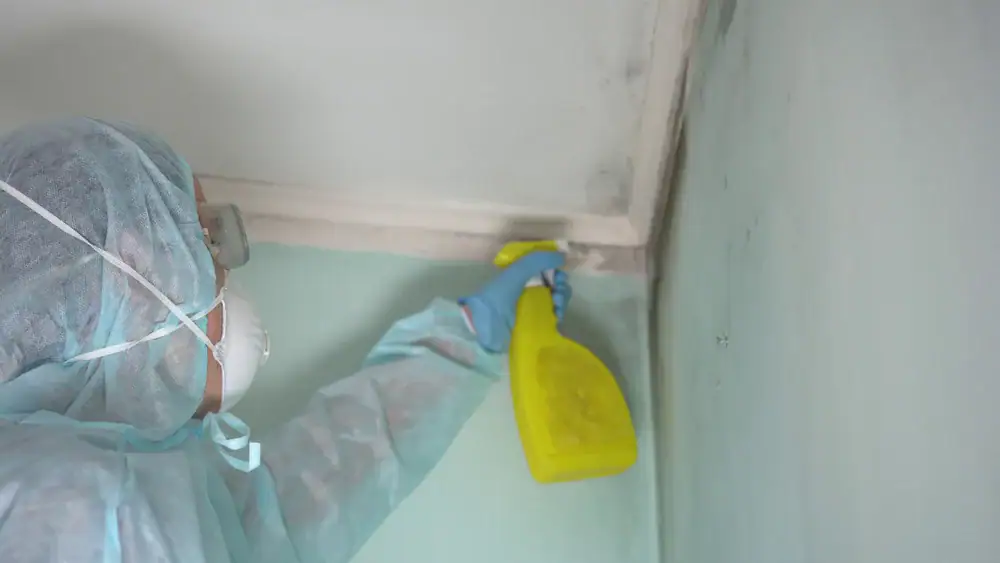
Mold or mildew growth appears as dark spots, patches, or fuzzy growth on the ceiling. If you’re seeing visible mold, you’ve had moisture present for at least 24-48 hours, and possibly much longer. Mold doesn’t just appear on the surface you can see—if it’s visible, there’s likely more behind the ceiling material. This requires professional remediation, not just wiping it down with bleach.
A musty odor without visible signs of water damage often means you have hidden moisture somewhere. Your nose is picking up on mold or mildew growth that hasn’t become visible yet. Don’t ignore this. Moisture meters and thermal imaging cameras can detect water you can’t see, and catching it early prevents much more expensive repairs down the line.
Cracks in the ceiling, especially if they’re new or growing, can indicate water damage has weakened the structure. Water causes materials to swell, warp, and lose strength. What looks like a minor crack might be a sign that the ceiling material has been compromised by prolonged moisture exposure. Milwaukee’s older homes with plaster ceilings are particularly vulnerable to this type of damage because plaster doesn’t handle moisture well and can fail suddenly once it’s saturated.
Getting Professional Water Damage Assessment You Can Trust
Understanding water damage types, categories, and classes helps you make informed decisions when something goes wrong. But here’s what matters most: when you’re standing in your home looking at water where it shouldn’t be, you need someone who’s going to tell you the truth about what’s happening and what needs to be done—nothing more, nothing less.
A proper water damage assessment starts with identifying and stopping the source. Then it’s about determining the category and class of damage, using moisture detection equipment to find hidden water, evaluating structural integrity and safety concerns, documenting everything, and creating a restoration plan that makes sense for your specific situation. That plan should include clear timelines, transparent pricing, and regular communication throughout the process—not vague promises or inflated scopes designed to maximize billing.
If you’re dealing with water damage in Milwaukee County, WI, we approach every situation at Flood Guys Restoration with the same straightforward honesty we’d want if it were our own home. We’re available 24/7 because water damage doesn’t wait for business hours, and we back our work with a commitment to doing only what’s actually needed. We’re not interested in selling you services you don’t need. We’re interested in fixing the actual problem, preventing future issues like mold growth, and getting your home back to normal as efficiently as possible. If you’re facing a water damage emergency or you’re seeing signs that make you concerned, reach out to us. We’ll assess the situation, explain what we’re seeing in plain language, and help you figure out the right next steps.