
Summary:
You need work done on your home. Maybe it’s planned—a kitchen remodel you’ve been thinking about for months. Maybe it’s urgent—a burst pipe flooding your basement at 2 AM. Either way, you’re about to make calls, get estimates, and hope the person you hire actually knows what they’re doing.
Here’s what makes this complicated: Milwaukee County has hundreds of contractors. Some are excellent. Some shouldn’t be touching anyone’s property. The difference often comes down to licensing, experience, and whether they’re willing to be transparent about both.
This isn’t a directory. It’s what you actually need to know before you hire anyone—how licensing works in Wisconsin, which credentials matter for different types of work, and how to find contractors who specialize in what you need.
Top General Contractors in Milwaukee County
General contractors in Milwaukee County coordinate the big picture. They pull permits, manage subcontractors, and make sure your project moves from concept to completion without falling apart halfway through.
But “general contractor” in Wisconsin doesn’t mean what it does in other states. There’s no universal general contractor license here. Instead, anyone working on one- or two-family homes needs two specific credentials: a Dwelling Contractor certification for the business and a Dwelling Contractor Qualifier license held by at least one person in the company. Miss either one, and they can’t legally pull permits for residential work.
That’s where things get murky for homeowners. A contractor might have years of experience and a great reputation, but if they’re not holding both credentials, they’re operating outside the rules. And if something goes wrong—shoddy work, project abandonment, insurance disputes—you’re the one left dealing with it.
What Licensing Actually Means for Milwaukee County Homeowners
Licensing in Milwaukee County isn’t just paperwork. It’s your first line of protection when things go sideways.
Wisconsin requires dwelling contractors to carry at least $250,000 in general liability insurance and post a $25,000 surety bond. That bond exists so homeowners have recourse if a contractor violates state regulations or walks off a job. But those protections only apply if the contractor is actually licensed.
In Milwaukee specifically, there’s an extra layer. Home improvement contractors need a City Home Improvement Contractor License on top of the state credentials. That means a certificate of insurance, a performance bond, and fingerprinting through the Milwaukee Police Department. The city license costs $225 and has to be renewed regularly.
When you’re vetting contractors, you’re not just asking if they’re licensed. You’re checking two systems: the Wisconsin Department of Safety and Professional Services for state credentials, and the City of Milwaukee for local compliance. Both matter. A contractor who’s current with the state but hasn’t bothered with the city license is still operating illegally within Milwaukee County.
The good news? Verification is free and takes about five minutes. The Wisconsin DSPS runs a public license lookup tool where you can search by business name, individual name, or license number. If a contractor hesitates to give you that information or tells you licensing “doesn’t apply” to their type of work, that’s your signal to keep looking.
You’re also checking for complaints and disciplinary actions. The DSPS tracks every formal complaint filed against licensed contractors. A clean record doesn’t guarantee perfection, but a history of violations should make you pause.
Don’t skip insurance verification either. Licensed contractors are required to carry it, but policies lapse. Ask for a current certificate of insurance and call the provider to confirm it’s active. If a contractor gets hurt on your property and they’re not covered, you could be liable. That’s not a risk worth taking to save a few bucks on a quote.
The Five-Minute License Check Every Homeowner Should Do
Verification starts with the license number. Any legitimate contractor in Wisconsin will hand it over without hesitation. It should be on their business card, their truck, their website. If they dodge the question or say they “don’t have it handy,” that tells you something.
Once you have the number, head to the DSPS credential search portal. Enter the license number, business name, or the individual’s name. The results show you the license type, issue date, expiration date, and current status. You’re looking for “active” or “current.” Anything else—expired, suspended, revoked—means they shouldn’t be working.
But don’t stop there. Check both the Dwelling Contractor certification and the Dwelling Contractor Qualifier license. Some contractors let one lapse while keeping the other active, assuming homeowners won’t notice. Both need to be current for the business to operate legally.
Next, look at continuing education. The Dwelling Contractor Qualifier license requires 12 hours of approved coursework every two years. If the individual hasn’t completed that education, their license isn’t valid for renewal, even if the expiration date hasn’t technically passed yet. The DSPS portal doesn’t always flag this in real time, so if you’re hiring for a major project, it’s worth calling the DSPS directly to confirm.
Then verify insurance and bonding separately. The DSPS lookup doesn’t integrate those records, so you’ll need to request proof from the contractor. A certificate of insurance should list the policy number, coverage amount, effective dates, and the issuing company. Call that company. Confirm the policy is active and covers the scope of work you’re planning.
For the surety bond, ask for the bond number and issuing surety company. Bonds protect you if the contractor violates regulations or abandons the project, but only if they’re actually in place. Some contractors post a bond to get licensed, then let it lapse once they’re approved. A quick call to the surety company confirms whether it’s still active.
Finally, check references—but not the ones the contractor hands you. Those are obviously going to be glowing. Ask for the addresses of their three most recent projects in Milwaukee County, then look them up. Drive by if you can. If the contractor is willing to share that level of detail, it’s a good sign. If they’re vague or defensive, that tells you something too.
Emergency Repair Contractors in Milwaukee County
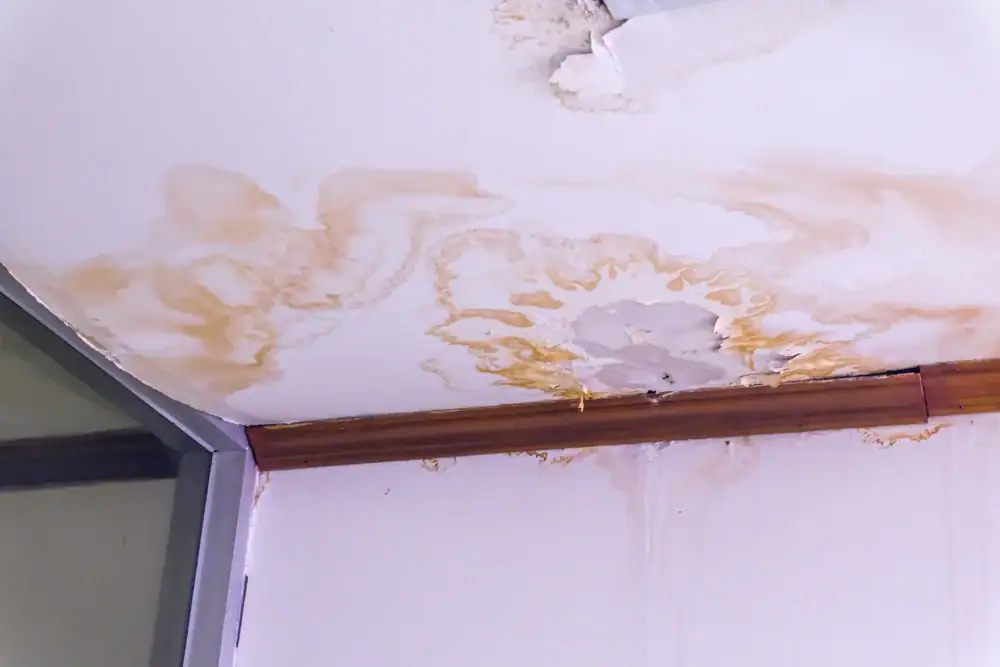
Emergencies don’t wait for business hours. A pipe bursts at midnight. A storm tears shingles off your roof. A fire damages half your kitchen. In those moments, you need someone who can respond fast and actually fix the problem, not just show up and give you an estimate.
Milwaukee County has contractors who specialize in emergency response—water damage restoration, fire cleanup, storm repairs, and structural emergencies. These aren’t your typical remodeling crews. They operate 24/7, carry specialized equipment, and know how to work with insurance companies to document damage and file claims.
But speed doesn’t mean you skip due diligence. Even in an emergency, you’re checking licenses, verifying insurance, and making sure the contractor is qualified for the specific type of damage you’re dealing with. A water restoration specialist might not be the right call for electrical storm damage, and vice versa.
What Separates Real Emergency Contractors from Everyone Else
Emergency contractors should offer a few non-negotiables: immediate response, clear communication about next steps, and the ability to start mitigation work right away to prevent further damage.
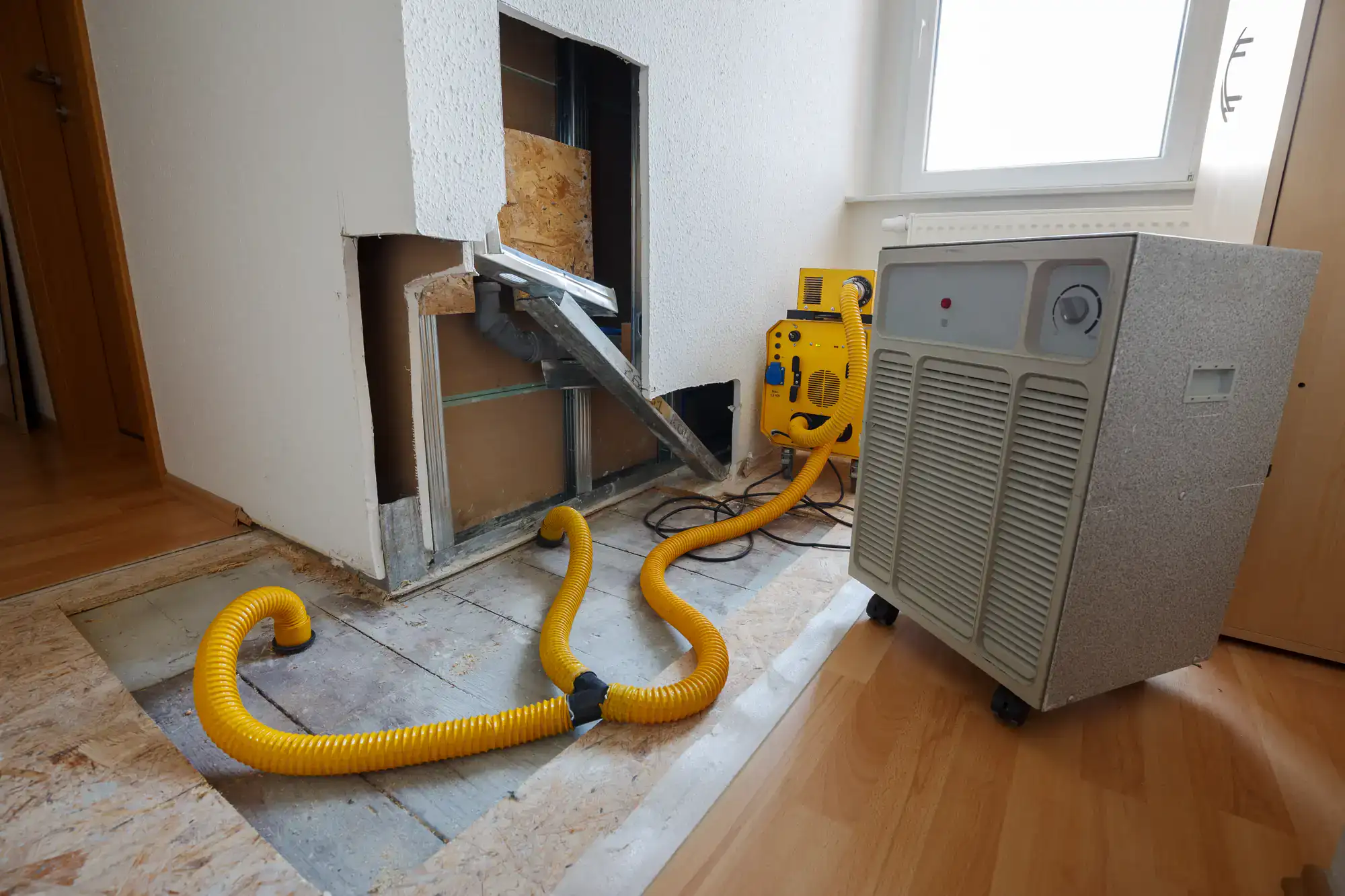
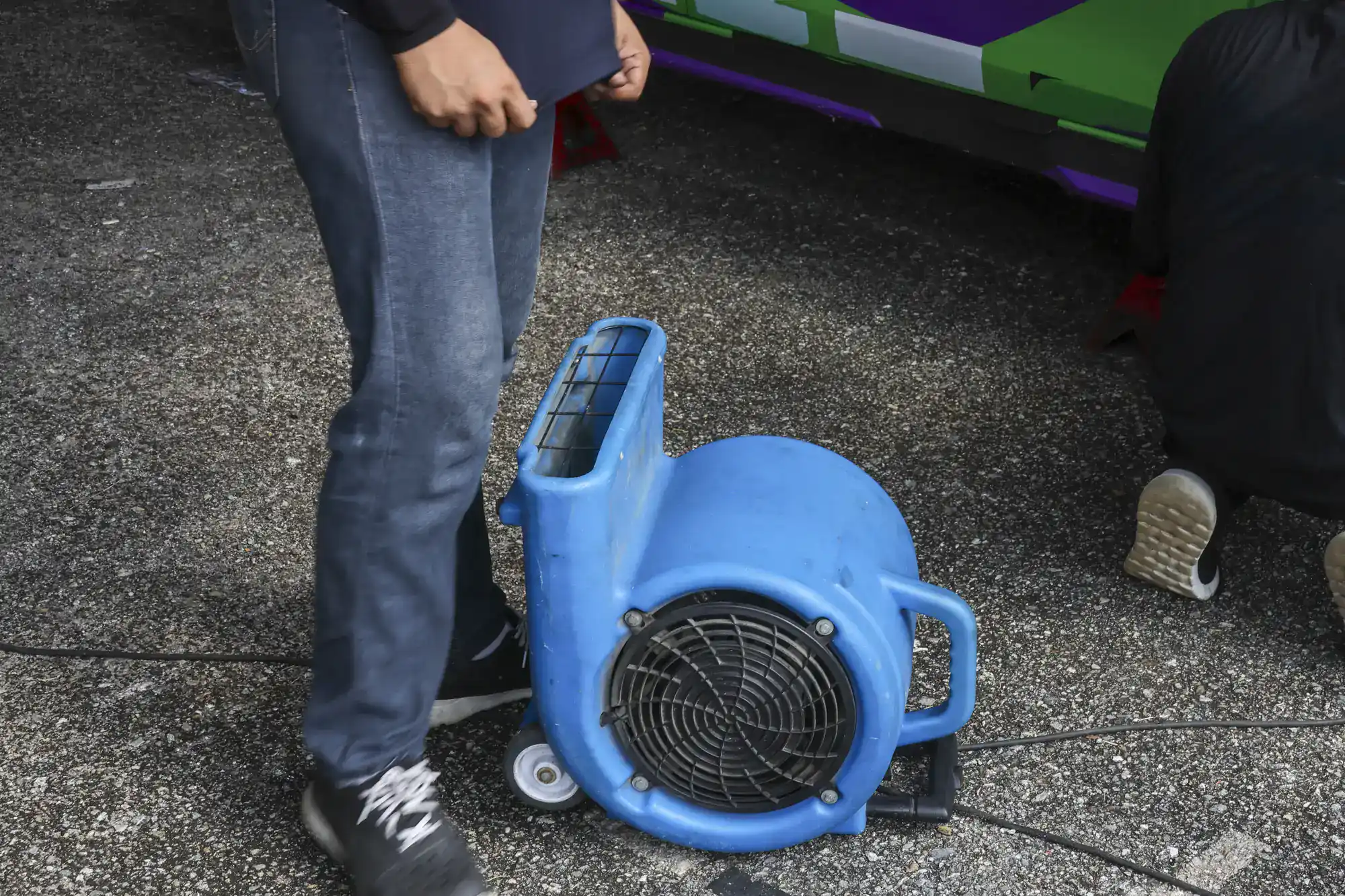
For water damage, that means extraction equipment, industrial dehumidifiers, and moisture detection tools. A contractor who shows up without that gear isn’t equipped to handle the job. They might be able to rip out drywall, but if they’re not addressing the moisture trapped behind your walls, you’re looking at mold growth within 48 hours.
Fire and smoke damage requires a different skill set. Soot removal, odor neutralization, air purification—these aren’t things a general handyman can tackle. You need a contractor with IICRC certification (that’s the Institute of Inspection, Cleaning and Restoration Certification) and experience working with insurance adjusters to document structural damage and content loss.
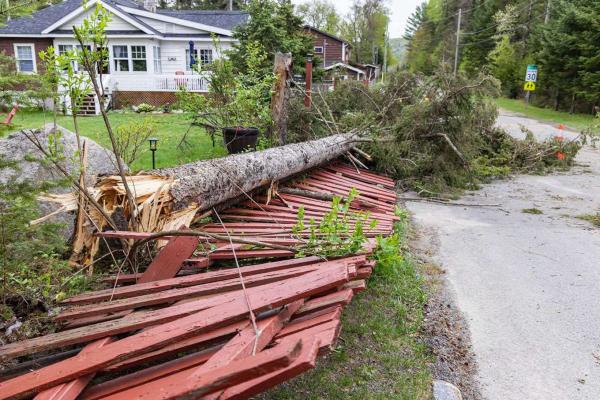
Storm damage often involves multiple trades. A tree through your roof means you need emergency tarping to prevent water intrusion, a structural assessment to check for compromised framing, roofing repairs, and possibly electrical work if wires were damaged. The best emergency contractors either handle all of that in-house or have established relationships with licensed subcontractors they can mobilize quickly.
Response time matters, but so does the plan. A contractor who shows up in 30 minutes but has no clear process for assessment, mitigation, and repair isn’t doing you any favors. Ask what their first steps will be. If they can’t walk you through a structured approach—assessment, containment, extraction or removal, drying or cleanup, and restoration—they’re winging it.
Pay attention to how they handle insurance too. Emergency repairs are almost always insurance claims, and a good contractor knows how to document everything: photos, moisture readings, material inventories, labor logs. They should be willing to meet with your adjuster, provide detailed estimates, and work within your policy limits. If they’re pushing you to sign off on work before the insurance company has weighed in, that’s a red flag.
One more thing: emergency contractors should offer temporary solutions while permanent repairs are being planned. That might mean board-up services after a break-in, tarping after storm damage, or temporary power if your electrical panel was compromised. If they’re only interested in the big rebuild and can’t help you secure your property in the meantime, keep looking.
Finding Licensed Specialty Contractors for Electrical, Plumbing, HVAC, and Roofing
Not every project needs a general contractor. Sometimes you just need an electrician, a plumber, or an HVAC tech who knows what they’re doing.
Specialty contractors in Wisconsin hold trade-specific licenses separate from the dwelling contractor credentials. An electrician needs a state electrical license. A plumber needs a master plumber credential. HVAC contractors have their own registration requirements. And if they’re working on one- or two-family homes, they also need the Dwelling Contractor Qualifier license.
That dual licensing requirement trips people up. You might hire a licensed electrician assuming they’re good to go, but if they don’t also hold the dwelling contractor qualifier, they can’t legally pull permits for residential work. That puts you in a bind if the city inspector shows up and flags unpermitted electrical upgrades.
Roofing is another specialty where credentials vary. Wisconsin doesn’t require a specific roofing license for most residential work, but roofers still need the dwelling contractor certification if they’re pulling permits. And in Milwaukee County, they need that city home improvement license too. A roofer who skips permitting might save you a couple hundred bucks upfront, but if there’s ever a problem—leaks, structural issues, insurance claims—you’re stuck explaining to your insurance company why the work wasn’t permitted.
Plumbing contractors face the strictest requirements. The business needs a dwelling contractor license, and they must employ a master plumber who’s passed the state exam and logged at least 3,000 hours of journeyman experience. That’s not a credential you fake. If you’re hiring for plumbing work and the contractor can’t produce a master plumber license number, they’re not qualified.
HVAC work has similar rules. Contractors need DSPS registration, and the technicians doing the work need individual HVAC credentials. If you’re replacing a furnace or installing central air, you’re checking both the business registration and the individual tech’s license. It’s not overkill—it’s making sure the person working on your heating and cooling system actually knows how to do it safely and to code.
For smaller jobs—handyman repairs, painting, minor carpentry—licensing requirements are less stringent as long as the work doesn’t require a permit. But the moment you’re talking about structural changes, electrical, plumbing, or HVAC, you’re back in permit territory, and that means licensed contractors only.
The best way to find specialty contractors in Milwaukee County? Start with the DSPS license lookup and filter by trade. You’ll get a list of active, credentialed professionals in your area. From there, you’re checking reviews, asking for references, and getting at least three quotes before you commit.
How to Choose the Right Contractor in Milwaukee County
Finding a contractor in Milwaukee County isn’t about picking the cheapest bid or the first name that pops up in a search. It’s about verifying credentials, asking the right questions, and making sure the person you hire is actually qualified to do the work.
Start with licensing. Check the DSPS database. Confirm both state and city credentials. Verify insurance and bonding. Get it all in writing before any work starts.
Then look at experience. A contractor who’s been working in Milwaukee County for years understands local building codes, knows how to navigate city inspections, and has relationships with suppliers and subcontractors who can keep your project moving.
And trust your gut. If a contractor is evasive about licensing, pushy about signing contracts, or dismissive of your questions, that’s not someone you want working on your home. The right contractor will be transparent, patient, and willing to prove they’re qualified.
When you need help—whether it’s an emergency or a planned project—we’re here at Flood Guys Restoration. Licensed, insured, and built on the idea that homeowners deserve honest answers and dependable service.