Summary:
It’s January. It’s 11 p.m. You hear a sound you can’t quite place, and then you see it — water spreading across the floor faster than you can grab a towel. A pipe has burst, and your brain is doing that thing where it tries to process five things at once while you stand there in socks that are now soaked through.
This guide is written for exactly that moment. We’ll walk you through what to do right now, who to call and in what order, how to protect your insurance claim, and what mistakes to avoid while you wait for help to arrive. By the end, you’ll have a clear picture of what comes next.
Burst Pipe Emergency Wisconsin: What to Do in the First 30 Minutes
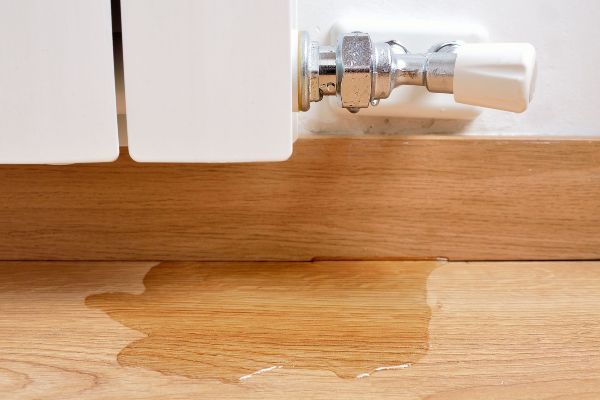
The first thing to do is stop the water. Find your main shut-off valve — in most Milwaukee County homes, it’s in the basement near the front foundation wall, often close to where the water line enters the house. Turn it clockwise until it stops. If you’re not sure where it is, now is a good time to check before you ever need it.
Once the water is off, open a cold-water faucet somewhere in the house to relieve pressure in the lines. Then start moving. Get valuables, furniture, and electronics off the floor and away from the water. Don’t use electrical outlets or appliances in the affected area — water and electricity are a dangerous combination, and it’s not worth the risk.
Take photos and video of everything before you touch it. Walk through every affected room, capture the water line on the walls, the damaged flooring, the wet insulation if it’s visible. This documentation is the foundation of your insurance claim, and the more thorough it is, the smoother that process goes.
Frozen Pipe Burst Repair: Why Professional Drying Is Not Optional
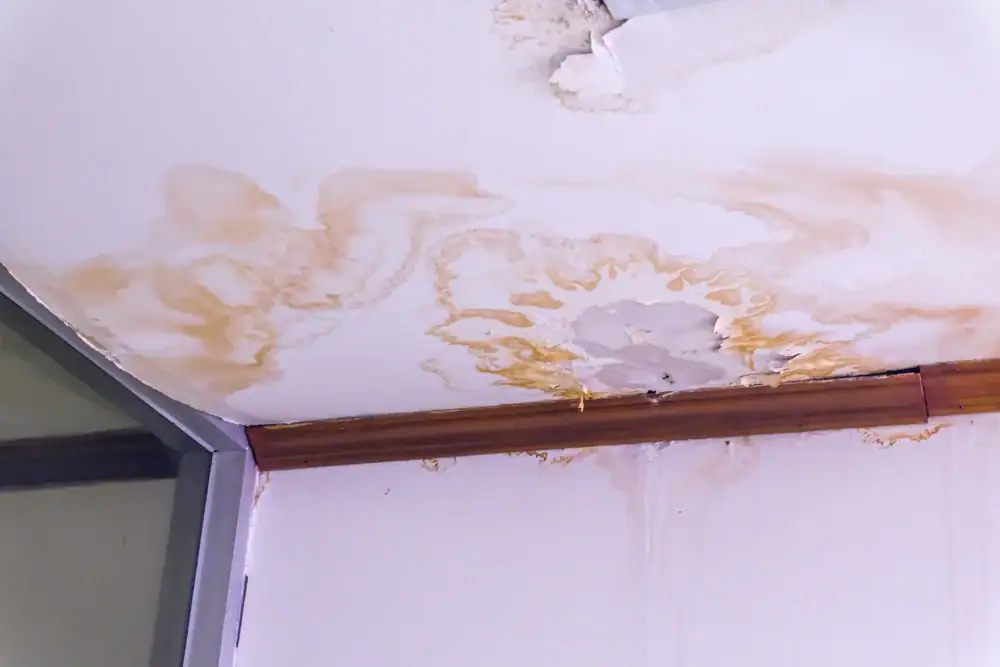
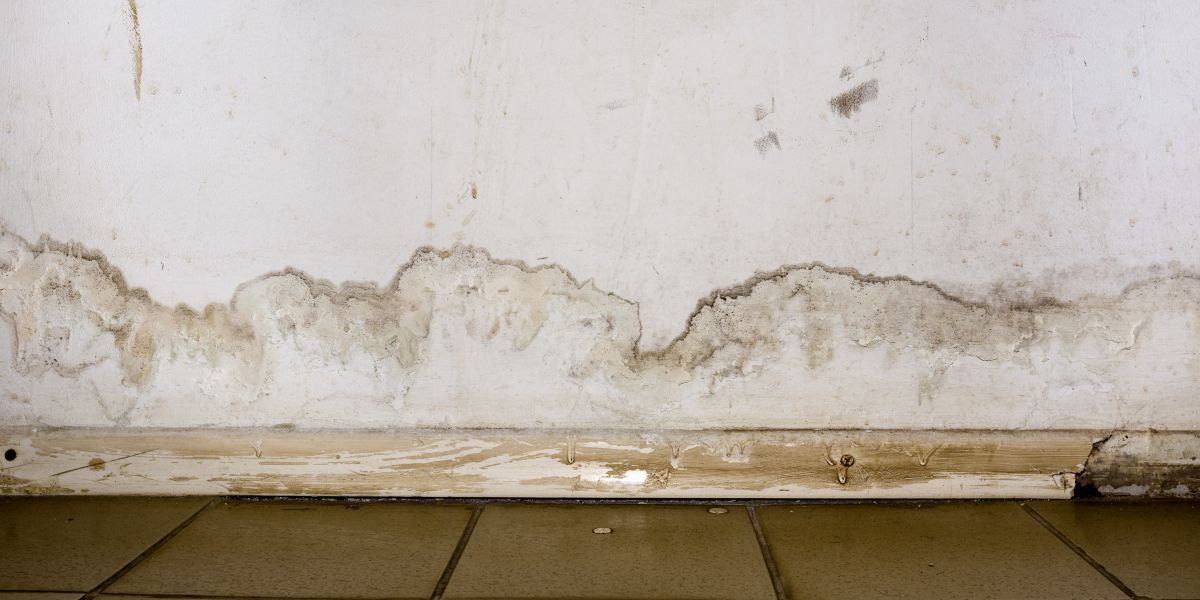
Here’s something most homeowners don’t realize until it’s too late: the water you can see is only part of the problem. When a pipe bursts inside a wall or above a ceiling, water travels along framing members, wicks into drywall, saturates insulation, and pools in floor cavities — all in places you can’t see and can’t reach with a mop or a shop vac.
Consumer fans and dehumidifiers are not built for this. They move surface air, but they don’t penetrate the structural materials where moisture actually hides. Professional restoration equipment — industrial air movers, high-capacity dehumidifiers, thermal imaging cameras — is designed specifically to find and eliminate that hidden moisture. Without it, you can dry a room to the point where it looks and feels fine, and still have a mold problem developing inside the wall within a week.
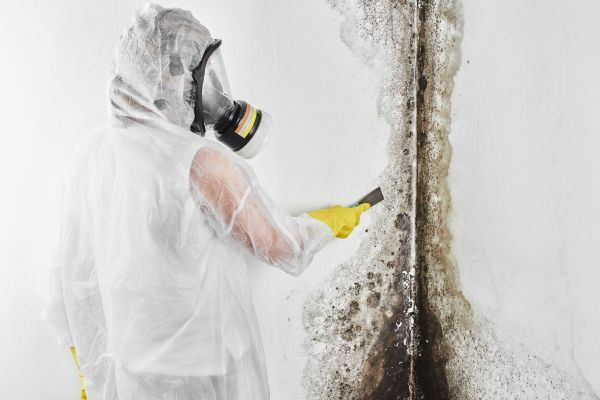
Mold can begin growing within 24 to 48 hours of water exposure. After 72 hours, even clean water from a supply line can create conditions that require significantly more intensive remediation. The window between “manageable water damage” and “mold remediation project” is shorter than most people expect.
A comprehensive assessment in the first 24 hours can reduce total restoration costs by an average of 30 percent. That number reflects a simple reality: the faster moisture is found and removed, the less structural damage accumulates. A cracked pipe — not even a full rupture — can leak 250 gallons of water in a single day. The math on waiting is not in your favor.
For Milwaukee County homeowners specifically, this urgency is compounded by the age of the local housing stock. Many homes in neighborhoods like Bay View, Riverwest, Sherman Park, and Layton Park were built before 1960 and have galvanized steel or older copper plumbing. These pipe types are more vulnerable to freeze-and-burst events than modern PEX piping, and when they fail, they often fail in walls and crawlspaces where water can spread undetected for hours before anyone notices.
Emergency Plumber vs. Burst Pipe Restoration Company: Who Do You Call First?
This is the question that trips up almost every homeowner in the middle of a water emergency, and it’s worth answering clearly because the order matters.
Call a plumber first to stop the active leak — if you haven’t been able to shut off the water yourself, or if the pipe needs immediate physical repair. A licensed plumber diagnoses and fixes the broken pipe. That’s their job, and they’re good at it. But once the water stops flowing, their work is largely done. They don’t extract standing water, they don’t dry your structure, they don’t map moisture behind your walls, and they don’t handle your insurance documentation. That’s where we come in.
Call a water damage restoration company as soon as the pipe is addressed — or simultaneously, if you can manage two calls. We handle everything that happens after the pipe is fixed: water extraction, structural drying, moisture monitoring, mold prevention, and if needed, reconstruction of damaged materials. These are two completely separate scopes of work, and assuming one covers the other is one of the most common and costly mistakes homeowners make.
Then call your insurance company to report the claim and get the process started. Most standard homeowners insurance policies cover sudden and accidental water damage from burst pipes — including the restoration work, though not typically the pipe repair itself. Coverage can be denied if the damage is attributed to negligence, like a home that was left without heat for an extended period, so acting quickly and documenting thoroughly protects your claim.
If you’re not sure whether to call your insurer before or after the restoration company, here’s the practical answer: call the restoration company first. We work directly with your insurance adjuster, provide the documentation your claim requires, and help you avoid the paperwork headaches that come with filing a major claim on your own. Forty percent of homeowners don’t fully understand their water damage coverage — and finding out what you have while standing in a flooded room is stressful.
Burst Pipe Prevention in Milwaukee County's Freeze-or-Thaw Climate
Milwaukee County averages around 54 days per year below freezing, with January and February routinely bringing single-digit temperatures and occasional polar vortex events that push wind chills to -20°F or lower. The city’s position on the western shore of Lake Michigan also creates rapid temperature swings — conditions can drop 20 to 30 degrees in a matter of hours, which puts pipes under stress even when the cold snap is brief.
Frozen pipes generally occur when temperatures fall below 20°F, but pipes in uninsulated spaces — exterior walls, unheated basements, garage ceilings, under-cabinet plumbing on outside-facing walls — can freeze above that threshold. Knowing where your vulnerable pipes are before winter hits is the most practical thing you can do.
How Milwaukee County's Older Homes Create Unique Pipe Freeze Risk
If your home was built before 1970 — and a significant portion of Milwaukee County’s housing stock was — there’s a good chance your plumbing includes galvanized steel or copper pipes. Both materials conduct cold efficiently, which means they lose heat faster than modern PEX piping when temperatures drop. Galvanized pipes also corrode from the inside over time, which weakens the walls and makes them more likely to crack under the pressure that builds when water freezes.
That pressure is what causes the burst. Water expands as it freezes, and the force it generates is enough to rupture even structurally sound metal pipe. The break doesn’t necessarily happen at the ice blockage itself — it happens in the section of pipe between the faucet and the blockage, where pressure has nowhere to go. This is why pipes can burst in areas that don’t feel particularly cold, and why the damage sometimes shows up far from where the freeze actually occurred.
For homeowners in older Milwaukee County neighborhoods, a few practical steps make a real difference. Keep cabinet doors under sinks open on the coldest nights so interior heat can reach the pipes. Let faucets on exterior walls drip slowly during sustained cold snaps — moving water is harder to freeze. If you’re leaving town for more than a day or two in winter, don’t drop the thermostat below 55°F, and have someone check on the house. A vacant home with a failed furnace during a polar vortex is one of the highest-risk scenarios for a catastrophic pipe burst.
The Wisconsin Weatherization Assistance Program, available through Milwaukee County providers, offers resources for homeowners who need help insulating pipes and improving their home’s overall cold-weather resilience. It’s worth looking into if you’re in an older home and dealing with recurring freeze concerns.
What to Expect During the Restoration Process After a Burst Pipe
Once you’ve shut off the water, documented the damage, and made the right calls, the restoration process follows a clear sequence — and understanding it in advance makes the experience significantly less stressful.
The first step is a thorough assessment. One of our trained technicians walks the property, identifies all affected areas including hidden moisture zones, evaluates potential hazards, and develops a restoration plan. This isn’t a quick visual scan — it involves moisture meters, thermal imaging, and a systematic review of every area water could have reached. You’ll know exactly what was found and what needs to happen before any work begins.
Water extraction comes next, using industrial-grade equipment that removes standing water and surface moisture quickly. Then comes the drying phase — typically three to five days, depending on the extent of the damage — during which air movers and dehumidifiers run continuously to pull moisture out of structural materials. Our technicians monitor moisture readings throughout this phase to confirm that drying is progressing and that no hidden pockets are being missed.
After the structure is confirmed dry, repair and reconstruction begin — replacing damaged drywall, flooring, insulation, and any other structural elements that couldn’t be salvaged. The process ends with a final inspection and walkthrough with you, the homeowner, to review the results, address any remaining concerns, and make sure you’re satisfied before the job is considered complete.
That last step matters more than it might seem. We assign a dedicated project manager to every job specifically so there’s one consistent person accountable to you from the first call through that final conversation — not a rotating crew with no one keeping track of the full picture.
Getting Through a Winter Pipe Burst Emergency in Milwaukee County
A burst pipe in a Wisconsin winter is one of those situations where the decisions you make in the first hour shape everything that follows. Shut off the water, document the damage, and call the right people fast. The math on waiting genuinely doesn’t work in your favor.
Milwaukee County’s climate, its older housing stock, and the way water moves through a structure make this a situation where professional help isn’t a luxury — it’s what keeps a bad day from turning into a six-week mold remediation project.
If you’re dealing with this right now, or want to talk through what you’re seeing before you make any decisions, reach out to us at Flood Guys Restoration. We’re based in Greendale, we serve all of Milwaukee County, and we answer the phone when it matters — including at 2 a.m. in January.