Summary:
That musty smell in your basement didn’t just appear overnight. Neither did the water stain on your ceiling or the condensation you keep wiping off your windows. You’ve been noticing things, maybe for weeks, and now you’re wondering if you have a mold problem—and what to do about it.
A professional mold inspection gives you answers. It’s not about scaring you into unnecessary work or inflating a problem that doesn’t exist. It’s about using the right tools and experience to figure out what’s actually happening in your home, where moisture is coming from, and whether that growth you’re worried about is isolated or spreading. You’ll walk away knowing what you’re dealing with and what comes next.
Here’s how the inspection process actually works.
Professional Mold Inspection: What to Expect
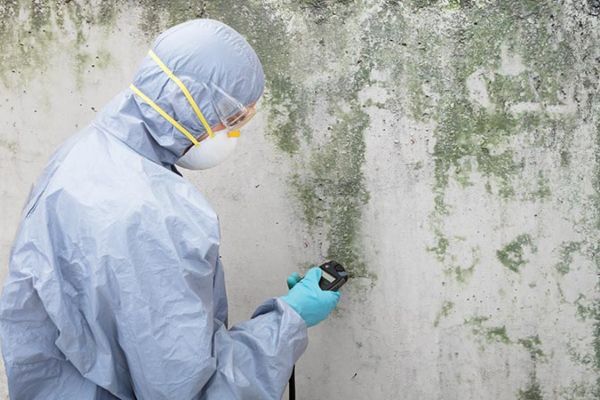
A mold inspection starts with a conversation, not a sales pitch. Our inspector asks about what you’ve noticed—when the smell started, where you’ve seen discoloration, whether anyone in your home has been experiencing unexplained respiratory symptoms. Your observations matter because they help direct the inspection to the areas most likely to have problems.
From there, the inspector conducts a thorough visual examination of your property. This isn’t a quick glance around. We’re checking everywhere moisture tends to accumulate: under sinks, around windows, in crawl spaces, behind appliances, inside HVAC systems, and in attics and basements. Milwaukee County homes face specific challenges—older construction, proximity to rivers and the lake, seasonal flooding—so our inspectors know exactly where to look.
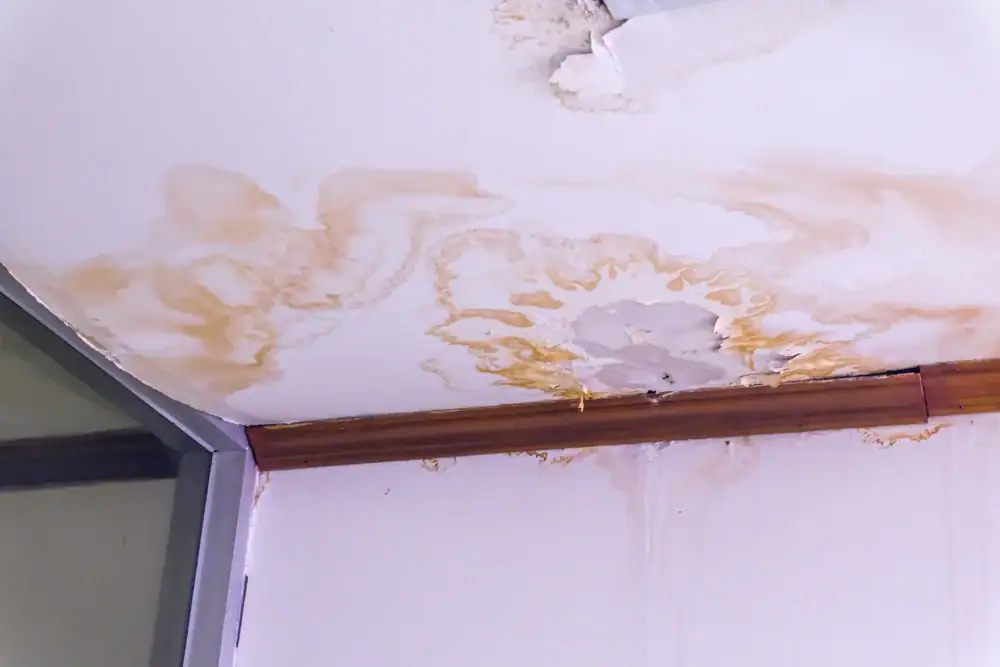
The visual assessment identifies obvious mold growth, but it also looks for the conditions that allow mold to thrive. Water stains, peeling paint, condensation patterns, and musty odors all signal that moisture is present, even if you can’t see active growth yet.
Visual Assessment and Moisture Mapping
Once the inspector has walked through your home and identified areas of concern, we move into the technical phase. This is where specialized equipment comes into play.
Moisture meters measure how much water is trapped inside your walls, floors, and ceilings. These readings tell us whether a problem is active, old, or spreading to new areas. A single damp spot might be from a recent leak that’s already drying out. Multiple elevated readings across a wall could mean water is traveling through your structure, creating conditions for mold growth in places you’ll never see without tearing into drywall.
Thermal imaging cameras detect temperature differences that indicate hidden moisture. When water is present behind a surface, it shows up as a cooler area on the thermal scan. This technology is especially useful in Milwaukee County homes where finished basements hide foundation moisture or where older plumbing runs behind walls that haven’t been opened in decades.
Humidity meters measure the moisture content in your indoor air. Mold thrives when relative humidity stays above 60 percent, which happens more often than most homeowners realize—especially in poorly ventilated bathrooms, basements near the water table, or homes with HVAC systems that aren’t keeping up with Milwaukee’s summer humidity.
We document all of these readings and map out where moisture levels are elevated. This moisture map becomes the foundation for understanding not just where mold is, but why it’s there and where else it’s likely to develop if the source isn’t addressed.
Air Quality Testing and Laboratory Analysis
Not all mold inspections require laboratory testing, but when there’s ambiguous growth, hidden contamination, or a need for documentation—whether for insurance claims, real estate transactions, or health concerns—air and surface sampling provides the scientific evidence you need.
Air sampling captures mold spores floating through your home’s indoor environment. The inspector uses a specialized pump to pull a measured volume of air through a collection cassette, trapping spores that are then analyzed under a microscope at an accredited laboratory. Indoor samples are compared against outdoor baseline samples because mold spores exist everywhere. The question isn’t whether spores are present, but whether indoor levels are elevated compared to what’s naturally occurring outside.
Surface sampling involves swabbing or tape-lifting material from areas with visible growth or suspicious discoloration. This identifies the specific species of mold present and confirms whether what you’re seeing is actually mold or something else entirely—mineral deposits, dirt, or residue from past water damage that’s already been remediated.
Laboratory results typically come back within a few business days. The report identifies which mold species were found, quantifies spore concentrations, and notes whether any of the species present are known to produce allergens or other compounds that affect indoor air quality. This data helps determine the scope of remediation needed and provides documentation that insurance companies and remediation contractors can work from.
What the lab report won’t do is tell you that your home is “toxic” or “dangerous” in absolute terms. There are no federal health-based standards for mold exposure, which means interpretation requires experience. Our inspectors explain what the numbers mean in the context of your specific situation—your home’s construction, your family’s health concerns, and the moisture conditions that allowed the growth in the first place.
Advanced Mold Detection Methods and Technology
Mold doesn’t always announce itself. It grows in the dark, damp places you don’t look—inside wall cavities, under flooring, in ductwork, behind finished surfaces. Finding it requires more than a flashlight and a keen eye.
Professional mold detection uses a combination of tools designed to locate hidden moisture and mold growth without destructive investigation. Infrared cameras reveal temperature anomalies that suggest water intrusion. Borescopes—flexible cameras on the end of a cable—allow us to see inside walls, above ceilings, and into HVAC systems without cutting large access holes.
Moisture meters come in two types: pin meters that penetrate surfaces to measure moisture content in wood and drywall, and pinless meters that scan surfaces without causing damage. Both have their place, and we use them together to build an accurate picture of where water is hiding.
Identifying Hidden Mold Growth Behind Walls and Floors
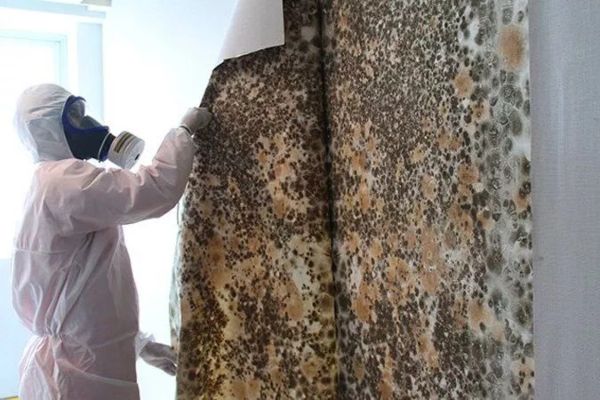
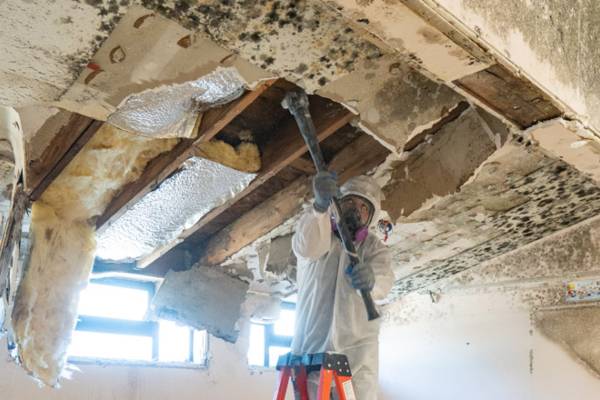
The mold you can see is rarely the whole problem. Growth on a bathroom wall might be surface-level, easily cleaned with the right products. But if that same wall shows elevated moisture readings and thermal imaging reveals a cool spot behind the drywall, there’s likely a bigger issue—water traveling from a leaky pipe, condensation from poor ventilation, or moisture wicking up from a foundation crack.
Milwaukee County’s older homes present unique challenges. Many were built before modern moisture barriers and ventilation standards. Basements in homes near the rivers or lake often deal with hydrostatic pressure pushing water through foundation walls. Finished basements hide this moisture behind paneling or drywall, allowing mold to colonize the hidden side of the wall while the visible side looks fine.
We look for indirect evidence: musty odors with no visible source, health symptoms that improve when occupants leave the home, or patterns of moisture damage that suggest water is entering from multiple points. We check HVAC systems because mold in ductwork spreads spores throughout the entire house every time the system runs. We inspect crawl spaces where standing water or damp soil creates constant humidity. We examine attics where roof leaks or inadequate ventilation trap moisture against sheathing and framing.
When hidden mold is suspected but not confirmed, we may recommend targeted sampling—drilling a small access hole to collect an air sample from inside a wall cavity, or using a borescope to visually inspect the space before committing to more invasive investigation. This approach gives you information without the cost and disruption of tearing into walls that might turn out to be fine.
The goal is always the same: find the moisture source, determine the extent of contamination, and give you enough information to make an informed decision about what happens next.
Mold Inspection and Removal: Coordinated Service Approach
One of the most important things to understand about mold inspection is who should be doing it. Companies that perform both inspection and remediation face an inherent conflict of interest. If they’re the ones who will profit from the cleanup work, they have an incentive to find problems—or to overstate the severity of what they find.
That’s why many homeowners choose independent mold assessors who don’t perform remediation. These inspectors have no financial stake in the size of the cleanup project. Their job is to tell you what’s actually there, how serious it is, and what needs to be done—nothing more, nothing less.
At Flood Guys Restoration, our project managers oversee the entire process from initial assessment through final verification. This coordination ensures that the inspection findings guide the remediation work, and that the work is completed according to the scope outlined in the inspection report. It’s a system built around accountability and transparency, not upselling.
If mold is found, the inspection report becomes your roadmap. It documents the locations of contamination, identifies the moisture sources that need to be addressed, and provides a scope of work that remediation contractors can bid on. This documentation also supports insurance claims when mold resulted from a covered event like a burst pipe or storm damage.
After remediation is complete, post-remediation verification testing confirms that the work was done properly. We return, collect new air samples from the remediated areas, and compare them to clearance standards. If levels are back to normal, the project is cleared and you can move forward with repairs and reconstruction. If levels are still elevated, the remediation contractor needs to address the remaining contamination before the job is considered complete.
This coordinated approach—independent assessment, clearly scoped remediation, and third-party verification—protects you from both incomplete work and unnecessary expenses. You get what you need, and nothing you don’t.
Understanding Your Mold Inspection Results and Next Steps
A mold inspection gives you clarity. You’ll know whether that smell is actually mold or just musty air from poor ventilation. You’ll know if the water damage you dealt with last year left behind hidden growth. You’ll know whether your family’s health symptoms might be connected to your indoor air quality.
The inspection report breaks down everything we found—moisture readings, lab results if samples were taken, photographs of problem areas, and recommendations for addressing the issues. It’s written in plain language because the goal is to help you understand your situation, not to confuse you with technical jargon.
What you do with that information depends on what was found. Minor surface mold in a bathroom might just need better ventilation and a thorough cleaning. Extensive hidden growth behind walls requires professional remediation. Either way, you’re making decisions based on facts, not fear.
If you’re in Milwaukee County and dealing with mold concerns, water damage, or just want peace of mind about your home’s air quality, we provide honest, thorough inspections backed by the right equipment and experience. You’ll get straight answers, clear documentation, and a plan that makes sense for your situation.