Summary:
The water’s been shut off. You’ve mopped up what you could see. But the water you can’t see—the moisture soaking into drywall, spreading through insulation, pooling under flooring—that’s what turns a manageable problem into a disaster.
Water doesn’t announce where it’s going. It travels through wall cavities, wicks upward through porous materials, and saturates structural components you won’t discover until mold appears or materials start failing. Professional water damage restoration isn’t about cleaning up puddles. It’s about finding and eliminating moisture in places you didn’t know to look, before that hidden moisture costs you thousands in repairs.
This guide explains what actually happens during restoration, why timing matters more than most people realize, and what you should expect when you need emergency help in Milwaukee County, WI.
Emergency Water Restoration: Why the First 48 Hours Decide Everything
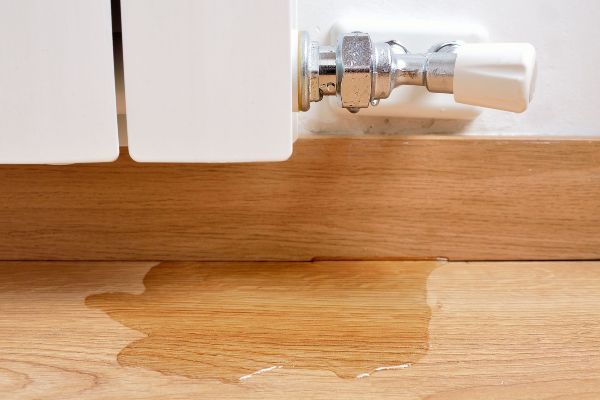
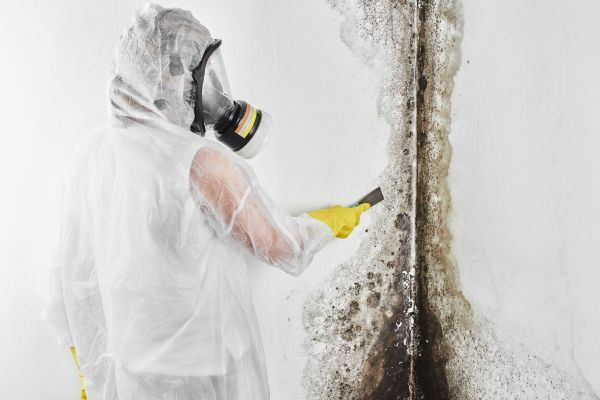
Mold spores are always in the air around you. Under normal conditions, they’re harmless. But introduce moisture from a burst pipe, roof leak, or flooded basement, and those spores start germinating within 24 to 48 hours.
This timeline isn’t an estimate—it’s backed by FEMA, the EPA, the CDC, and every professional restoration certification body. Mold can begin growing on damp surfaces in as little as one day. Visible colonies typically appear within three to seven days. By the time you see black patches on baseboards or smell that musty odor, growth has been happening for longer than it appears.
Emergency water restoration focuses on this critical window. The goal is removing moisture completely before mold has a chance to establish. That means industrial-grade extraction equipment running within hours, not days. It means dehumidifiers powerful enough to pull moisture from inside wall cavities, not just surface air. It means moisture meters verifying materials are actually dry, not assuming they are because they look fine.
Every hour water remains in contact with porous materials like drywall, insulation, carpet, and wood, those materials absorb more moisture and become harder to dry. What could have been saved with fast action becomes unsalvageable with delay. The difference between getting help immediately versus waiting until tomorrow can determine whether you need drying services or full reconstruction.
Emergency Water Damage Services: What Happens During the Call
When you call for emergency water damage services, the conversation starts with safety and source control. Is the water still flowing? Are there electrical hazards? Is anyone at risk? These aren’t procedural questions—they determine whether you need emergency services dispatched before a restoration team even arrives.
The next questions establish scope. Where is the water coming from, and what category is it? Clean water from a supply line gets handled differently than contaminated water from sewage or flooding. How much water are you seeing? Is it isolated to one area or affecting multiple rooms? How long has it been present?
Response time separates professional operations from companies that treat water damage like a scheduled appointment. In Milwaukee County, where August 2025 flooding led to over 7,000 damage reports and spring storms routinely overwhelm basement drainage systems, fast response isn’t a luxury—it’s the difference between mitigation and major reconstruction.
When our team arrives, we’re equipped to start work immediately. Truck-mounted extraction equipment, industrial dehumidifiers, air movers, moisture detection tools, and safety gear come standard. We’re not showing up to give you an estimate and schedule work for next week. We’re showing up to stop damage from spreading right now.
The initial assessment happens while extraction begins. Moisture meters measure water content inside walls, floors, and ceilings. Thermal imaging cameras detect temperature differences that indicate hidden moisture. We map affected areas, identify materials that can be saved versus those that need removal, and develop a drying strategy based on your specific situation.
Documentation starts immediately. Photos of standing water, moisture readings in structural materials, and evidence of damage aren’t just for our records—they’re critical for your insurance claim. The more thorough the documentation during these first hours, the fewer questions your insurance adjuster will have later about scope and necessity.
Safety protocols go into effect based on water category. Clean water from a burst pipe requires different handling than gray water from an appliance or black water from sewage backup. If contamination is present, affected areas get isolated, protective equipment gets used, and disposal protocols follow EPA guidelines. You’re not just getting water removed—you’re getting a contamination event handled properly.
Water Extraction Services: Removing Water You Can't See
Standing water is obvious. But water extraction services address moisture you wouldn’t know to look for without professional equipment.
Industrial pumps remove hundreds of gallons per minute from flooded basements. Weighted extraction tools force water out of carpet and padding. Portable extractors pull moisture from upholstery and contents. This equipment works faster and more thoroughly than any combination of shop vacs, mops, and towels you could deploy yourself.
The real difference shows up after visible water is gone. Moisture doesn’t just evaporate when you stop seeing puddles. It continues moving through porous materials, spreading to adjoining areas, and creating conditions for mold growth in hidden spaces. Professional extraction continues until moisture meters confirm materials have returned to normal moisture content levels, not just until surfaces look dry.
This is particularly critical in Milwaukee County homes with older construction. When water gets into wall cavities in homes built before modern moisture barriers were standard, it can travel significant distances before becoming visible. A pipe burst on the second floor can cause ceiling damage on the first floor, wall damage in adjacent rooms, and moisture problems in areas that never showed obvious water.
Extraction also addresses water category appropriately. Clean water from a supply line might allow carpets and padding to be saved if extracted and dried within 24 to 48 hours. Gray water from washing machine overflow requires more aggressive extraction and antimicrobial treatment. Black water from sewage or flooding means porous materials get removed entirely, not dried and reused.
The extraction phase typically runs 24 to 48 hours, with equipment monitored and adjusted as moisture levels change. Dehumidifiers pull moisture from the air. Air movers create airflow that speeds evaporation from surfaces and materials. The combination removes moisture faster than passive drying could ever achieve, and fast drying is what prevents mold growth.
Water Damage Assessment: Understanding What You're Actually Dealing With
Before restoration work can be planned, a water damage assessment establishes the full scope of damage. This systematic evaluation determines category, class, affected materials, safety hazards, and restoration strategy.
Water category comes first. Category 1 is clean water from supply lines, rain, or condensation. Category 2 is gray water with some contamination from appliances, toilets, or washing machines. Category 3 is black water from sewage, flooding, or water that’s been sitting long enough to support bacterial growth. Category determines cleaning protocols, what can be saved, and what must be removed.
Class describes extent and difficulty. Class 1 affects minimal area with low moisture absorption—maybe a small leak caught quickly. Class 2 involves an entire room with moisture in walls, floors, and contents. Class 3 means water came from above, saturating walls, ceilings, insulation, and subflooring. Class 4 involves specialty materials like hardwood, stone, or concrete that require specific drying techniques and extended time.
The assessment identifies affected materials and how deeply moisture has penetrated. Surface moisture on tile is one thing. Moisture saturating drywall, insulation, and wood framing is another. Moisture readings taken at multiple depths and locations create a map of where drying efforts need to focus.
Water Damage Mitigation: The Emergency Response Phase
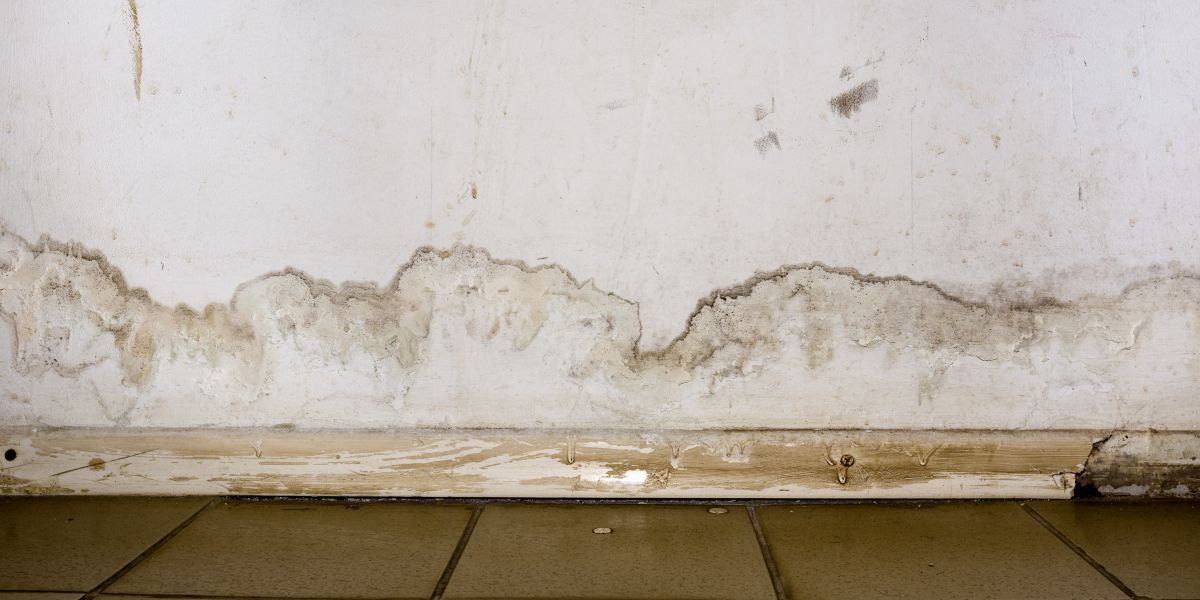
Water damage mitigation is everything done to stop active damage and stabilize your property. It’s the extraction, the drying, the containment—all the emergency work that happens before reconstruction begins.
Mitigation starts the moment we arrive. If water is still entering the property, that source gets addressed first. A plumber might need to be called for burst pipes. Roof tarping might be needed for storm damage. Appliances get shut down and isolated. The goal is stopping additional water from entering so we can focus on removing what’s already there.
Containment prevents damage from spreading. If water is isolated to one room, barriers keep it from migrating to others. HVAC systems get evaluated and sometimes shut down to prevent moisture distribution through ductwork. Contents get moved from wet areas to dry ones. These steps limit the damage footprint and prevent a localized problem from becoming a whole-house issue.
Extraction and drying equipment gets positioned based on moisture readings and airflow patterns. Dehumidifiers get placed in central locations where they can process the most air. Air movers get angled to create circulation that speeds evaporation without just pushing moisture to new areas. Equipment placement isn’t random—it’s engineered for maximum efficiency.
Mitigation work is also when most insurance documentation happens. Adjusters want to see evidence of prompt action to prevent further damage. They want moisture readings, photos of affected areas, and documentation of what was done when. We know what documentation is needed and collect it as part of the mitigation process.
The mitigation phase typically lasts three to five days for residential water damage, though severe cases can take longer. Equipment runs continuously, with our technicians checking moisture levels daily and adjusting equipment as conditions change. The phase ends when moisture readings return to normal ranges and the property is stable enough for restoration work to begin.
Your insurance policy likely includes language about your responsibility to mitigate damage. Waiting days to call for help can complicate claims because insurers may argue that damage beyond the initial event was preventable. Prompt mitigation work demonstrates you took reasonable steps to limit the loss.
Water Damage Clean Up: Sanitization and Safety
Water damage clean up goes beyond making things look better. It addresses contamination, eliminates health hazards, and makes your property safe for occupancy again.
Even clean water becomes contaminated once it sits for any length of time. Bacteria multiply rapidly in standing water. Moisture in wall cavities picks up dust, debris, and organic material. What started as clean water from a supply line can become a bacterial concern within 48 hours if not addressed properly.
Gray water and black water carry contamination from the start. Gray water from appliances, washing machines, or toilets contains chemicals, detergents, and biological matter. Black water from sewage or flooding contains pathogens that create serious health risks. These categories require aggressive sanitization protocols and often mean porous materials must be removed rather than cleaned.
Professional clean up uses EPA-approved antimicrobial treatments applied to all affected surfaces. Hard surfaces get cleaned with hospital-grade disinfectants. Porous materials that can’t be adequately sanitized—like carpet padding exposed to black water or drywall that’s been saturated—get removed and disposed of according to health department guidelines.
Odor elimination targets sources, not symptoms. Musty smells indicate moisture or microbial growth. Covering odors with air fresheners doesn’t solve the underlying problem. Professional odor control uses air scrubbers with HEPA filtration to remove particles and spores. Ozone treatments or thermal fogging might be used for persistent odors, but only after moisture sources are eliminated and sanitization is complete.
Contents cleaning is part of the process. Furniture, clothing, and personal items affected by water need evaluation. Items exposed to clean water and dried quickly can often be saved. Items exposed to black water typically can’t be adequately sanitized and need to be documented as losses for insurance purposes. We can arrange specialty cleaning for salvageable items or help you document what needs replacement.
The final aspect of clean up addresses hidden areas. Water doesn’t just affect visible surfaces—it gets into wall cavities, under flooring, into insulation, and through HVAC systems. If these hidden spaces aren’t properly cleaned and dried, they become ongoing sources of odor, mold growth, and indoor air quality problems. Thorough clean up means accessing these spaces, not assuming they’re fine because you can’t see them.
Basement Water Damage Repair: Milwaukee County's Most Common Problem
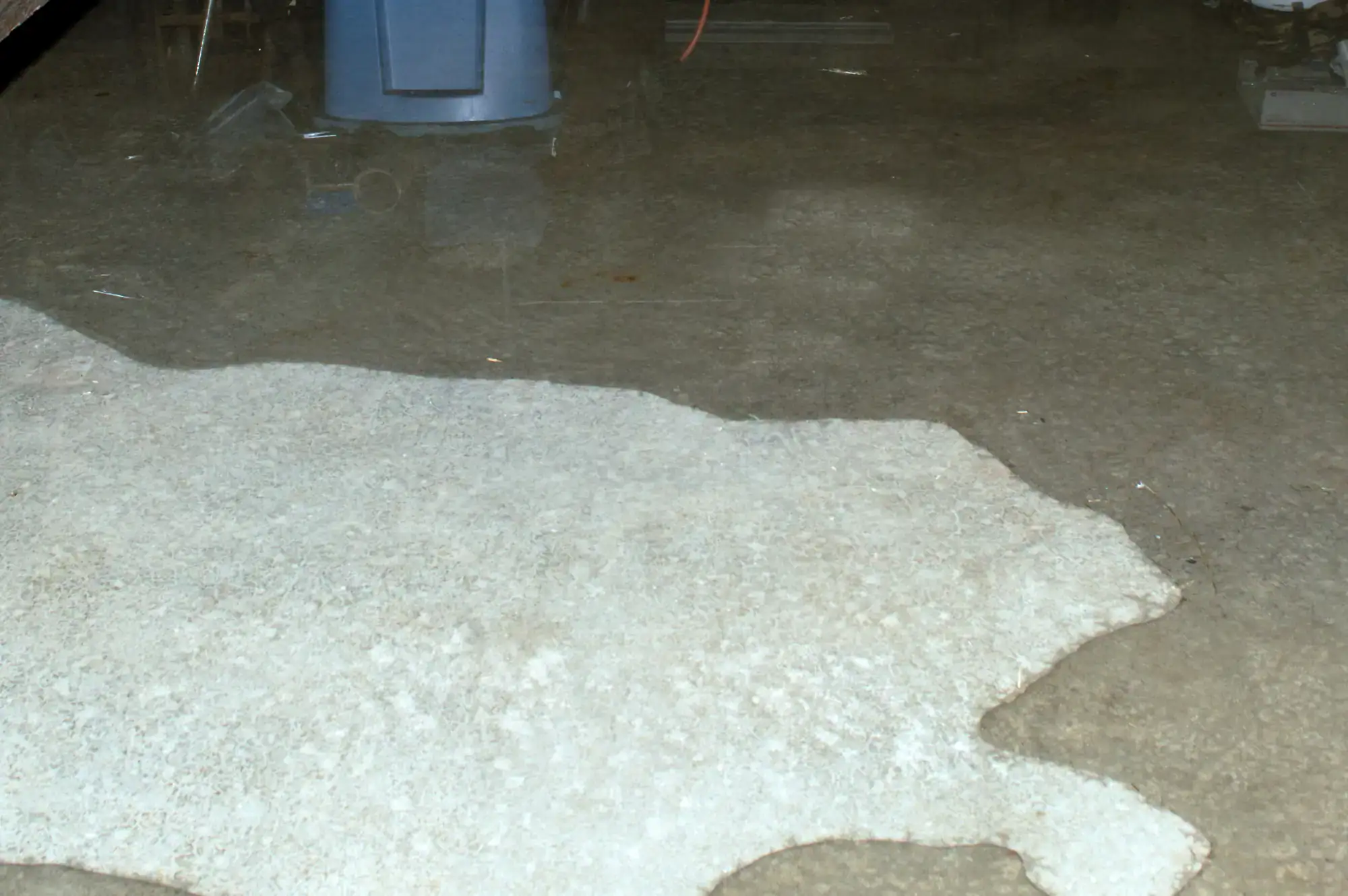
Basement flooding is a recurring reality in Milwaukee County. Heavy spring rains overwhelm drainage systems. Aging sewer infrastructure backs up during storms. The August 2025 flooding that dropped over 14 inches of rain in 48 hours led to more than 1,100 reports of water backing up into basements through the Milwaukee Metropolitan Sewerage District alone.
Basement water damage repair starts with identifying how water entered. Sewer backup requires different handling than groundwater seepage or a burst pipe. The entry point determines whether you’re dealing with contaminated black water that requires aggressive removal protocols or clean water that might allow some materials to be saved.
Basements present unique challenges. Concrete floors and foundation walls absorb water differently than wood-framed construction. Finished basements with drywall, insulation, and flooring trap moisture in ways that make thorough drying difficult without removing materials. Unfinished basements might seem simpler, but moisture in concrete can take weeks to dry completely without professional equipment.