
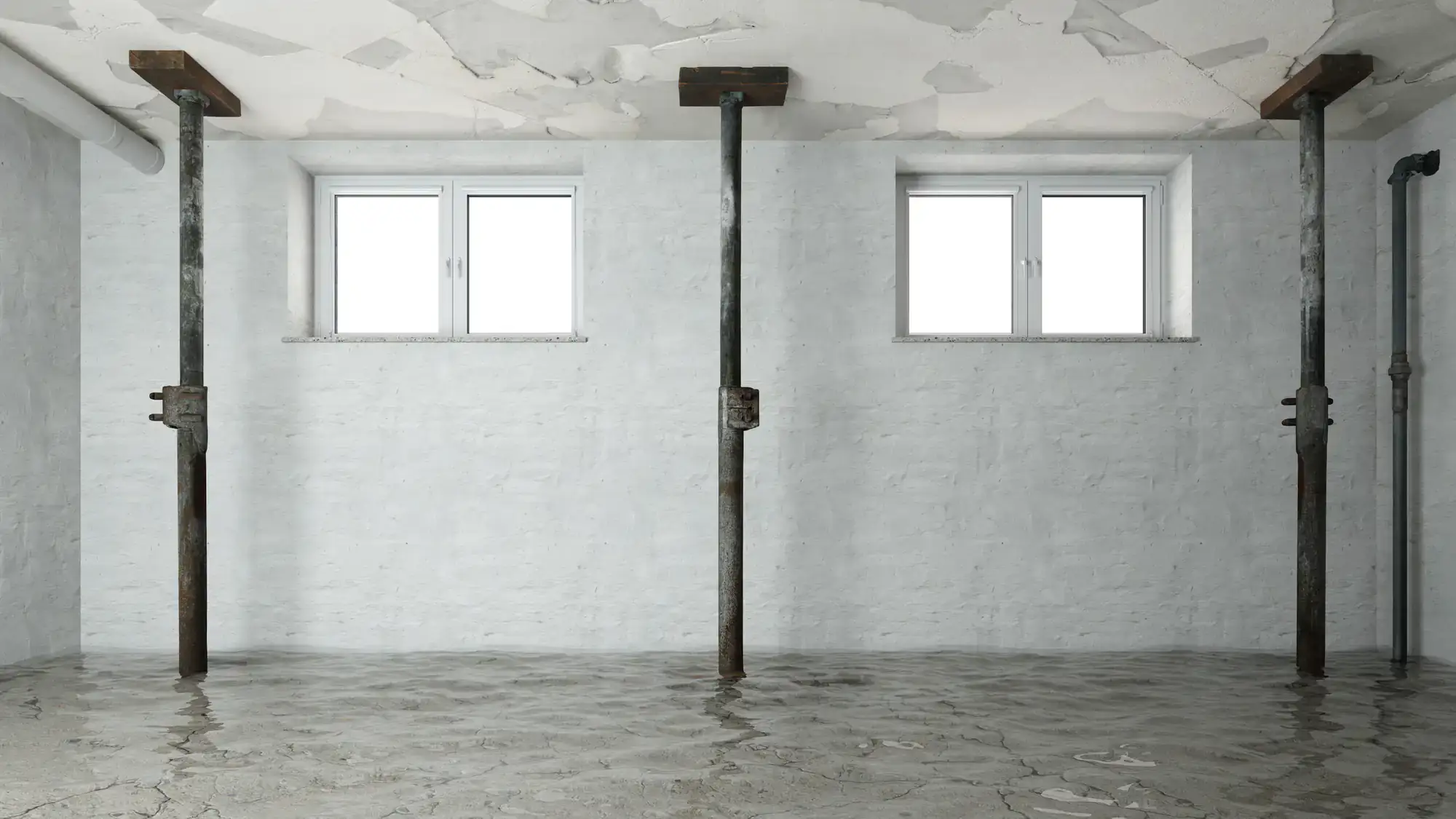
You’re not wondering if the water will come back. You’re not staring at wet carpet three days later, waiting for “the guy” to call you back. Your basement is dry, your belongings are salvaged where possible, and the air doesn’t smell like a swamp.
That’s what happens when flooded basement cleanup in Hampton Heights is done right. The water gets pulled out with commercial-grade extraction equipment, not a shop vac. The floors, walls, and hidden spaces get dried with actual moisture monitoring, not guesswork. And if there’s a mold risk, it gets addressed before it becomes your next nightmare.
You get your basement back. Not in two weeks. Not “whenever we can fit you in.” Fast enough that you’re not dealing with compounding damage, insurance headaches, or a restoration bill that doubles because someone waited too long to do it right.
We serve Hampton Heights and the surrounding Milwaukee area with one goal: be the company people actually trust when their basement floods. Not the one that inflates the scope. Not the one that disappears after the estimate. The one that shows up, does the work, and explains what’s happening along the way.
We know the homes in Hampton Heights. The bungalows and Cape Cods built in the 1920s through 1970s weren’t designed for the kind of rain Wisconsin gets now. Older foundations, shifting soil, and spring snowmelt create the perfect conditions for water to find its way in. We’ve seen it hundreds of times, and we know how to fix it.
You’ll work with a project manager who keeps you updated. You’ll get clear answers about what’s covered by insurance and what’s not. And when the job’s done, your basement will be dry, restored, and ready to use again.
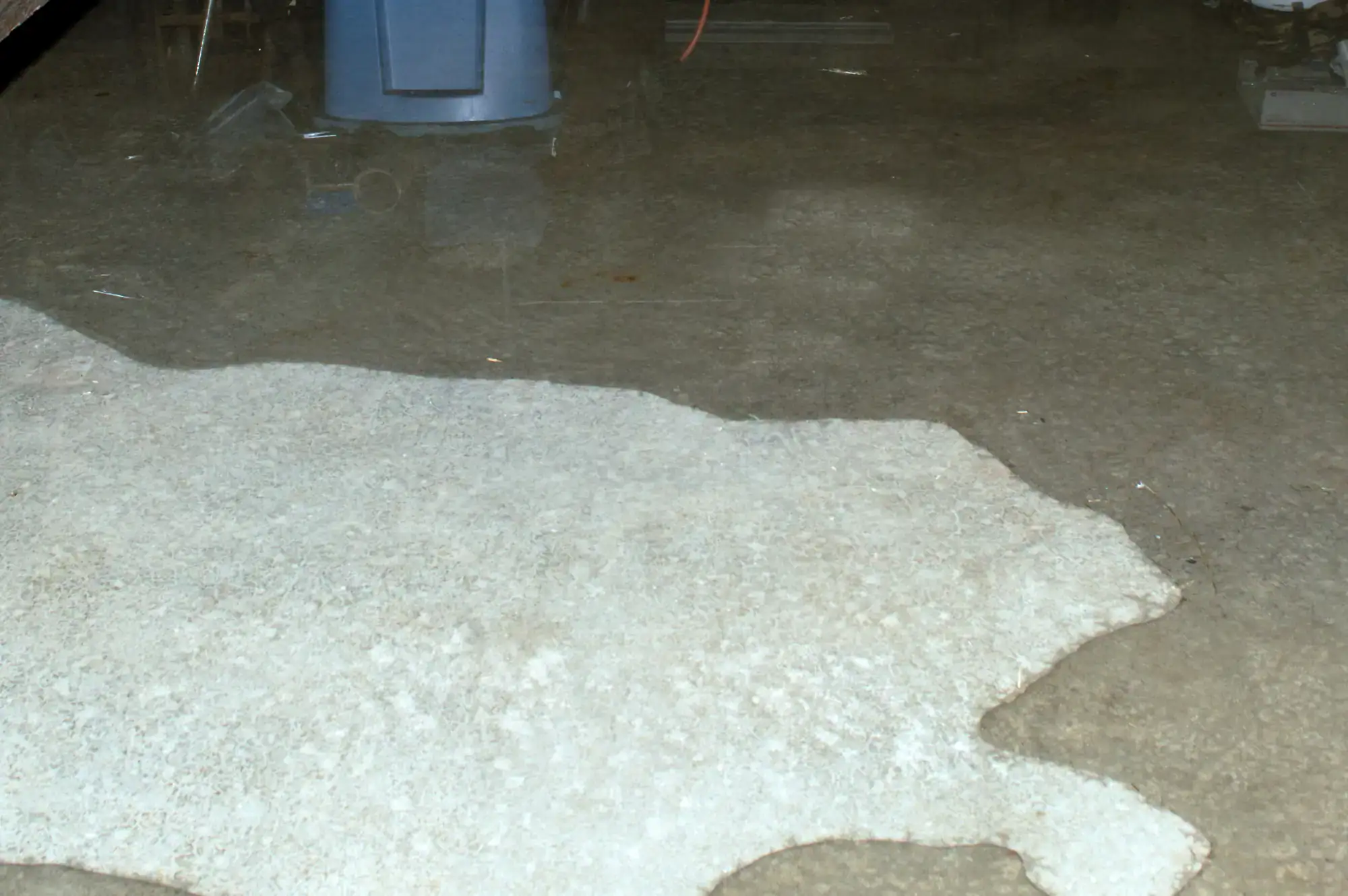
First, we assess the damage. Our team inspects your basement to see how much water came in, where it’s sitting, and what’s at risk. We’re looking at floors, walls, belongings, and any structural concerns. This isn’t a five-minute walkthrough—it’s a real evaluation so we know what needs to happen next.
Then we extract the water. We use commercial pumps and vacuums to pull out standing water fast. The goal is to get it out before it soaks deeper into your floors, drywall, or foundation. Speed matters here, and we don’t leave until the water’s gone.
After that, we dry everything out. We set up industrial fans, dehumidifiers, and moisture meters to make sure your basement isn’t just surface-level dry. Hidden moisture leads to mold, and we’re not interested in setting you up for that. We monitor levels until everything hits safe ranges.
Finally, we handle the restoration. That means repairing damaged drywall, replacing flooring, treating for mold if needed, and getting your space back to how it was—or better. We coordinate with your insurance company, document everything, and keep you in the loop from start to finish.
Ready to get started?
You get 24/7 emergency response, because basement floods don’t wait for business hours. When you call, we answer. When we say we’re coming, we show up.
You get complete water extraction and drying. That means pumping out standing water, pulling moisture from floors and walls, and running dehumidifiers until everything is verifiably dry. We use moisture meters to confirm it, not assumptions.
You get mold prevention and treatment. If your basement’s been wet for more than 48 hours, mold is a real risk. We assess for it, treat it if it’s there, and take steps to prevent it from coming back. This is especially important in Hampton Heights, where older homes with less ventilation can create perfect conditions for mold growth after a flood.
You get insurance documentation and support. We know what insurance companies need to see, and we provide it. Photos, moisture readings, scope of work—all of it. We’ll work directly with your adjuster if that makes your life easier.
And you get honest communication. If something doesn’t need to be replaced, we’ll tell you. If there’s a bigger issue we find during the job, we’ll explain it and give you options. No surprises, no upselling, no runaround.
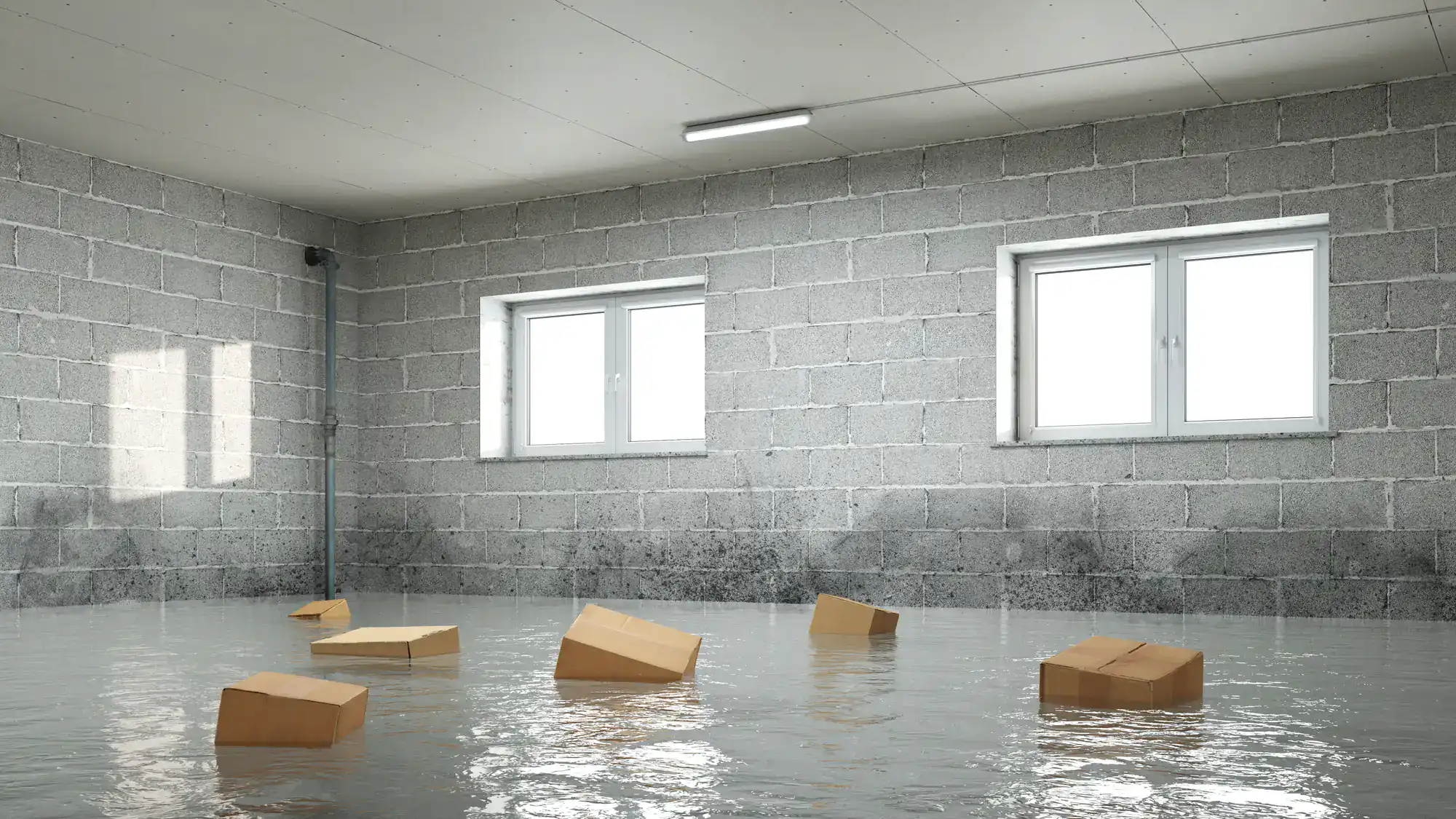
As fast as possible. Ideally within the first few hours, but definitely within 24 hours if you want to avoid serious damage.
Here’s why that timeline matters. Water doesn’t just sit there—it spreads. It soaks into drywall, seeps under flooring, and gets into places you can’t see. The longer it sits, the more it damages. And once you hit the 48-hour mark, mold starts to grow. At that point, you’re not just dealing with water damage anymore—you’re dealing with a mold problem too.
The other issue is your insurance. Most policies require you to mitigate damage as soon as reasonably possible. If you wait a week to call someone and the damage gets worse, your claim could get denied or reduced. Insurance companies expect you to act fast, and they’re not shy about using delays against you.
If your basement floods in Hampton Heights, call us right away. We’re available 24/7, and we’ll get someone out to start the water extraction process before the damage spreads. Even if it’s the middle of the night or a weekend, we’ll be there.
It depends on what caused the flood. If a pipe burst, your sump pump failed, or your water heater leaked, standard homeowners insurance usually covers it. If the water came from outside—like heavy rain, snowmelt, or a river overflowing—you’ll need separate flood insurance through FEMA.
That’s a critical distinction, and a lot of people don’t realize it until they file a claim. Standard policies cover sudden internal water damage but exclude external flooding. So if spring rains overwhelm your foundation or a storm dumps water into your window wells, you’re likely not covered unless you have a flood policy.
Here’s what we do to help. We document everything. We take photos, log moisture levels, and write up a detailed scope of work. We’ll note what caused the damage, what areas are affected, and what needs to be repaired. That documentation is what your insurance company will use to process your claim.
We also work directly with adjusters if you want us to. We’ve done this hundreds of times, and we know what they’re looking for. If there’s a coverage question, we’ll give you our honest take based on what we’ve seen before. We’re not going to promise you something that won’t get approved.
Usually three to five days, but it depends on how much water came in, what materials got wet, and how quickly we started the drying process.
If we get there fast and the water didn’t sit for long, drying happens quicker. If the water soaked into drywall, insulation, or wood framing, it takes longer. We’re not just drying the surface—we’re pulling moisture out of everything, and that takes time if you want to do it right.
We use industrial dehumidifiers, air movers, and moisture meters to track progress. Every day, we check the readings. When the moisture levels hit the safe range and stay there, we know it’s dry. We don’t pull equipment early just to move on to the next job. We wait until it’s actually done.
Rushing this part is how people end up with mold problems three weeks later. You can’t see moisture trapped in a wall cavity or under flooring, but it’s there. And if it doesn’t get dried out completely, mold moves in. We’ve been called to fix that scenario more times than we’d like to count, and it’s always more expensive than just drying it right the first time.
First, stay safe. If the water is deep or you see electrical outlets or appliances in contact with water, don’t go down there. Shut off the power to your basement at the breaker box if you can do it safely. Water and electricity don’t mix, and we’d rather you wait for us than risk getting hurt.
Next, stop the water source if you can. If it’s a burst pipe, shut off your main water line. If it’s a failed sump pump and you have a backup, try to get that running. If the water is coming from outside, there’s not much you can do except wait for it to stop.
Then call us. Don’t wait to see if it gets worse. Don’t try to clean it up yourself with a wet vac and hope for the best. Call a professional water removal service, get someone out there fast, and let them handle the extraction and drying. The faster we start, the less damage you’ll deal with.
If you have time before we arrive, move valuables to higher ground. Get boxes, furniture, and anything important off the floor. Take photos of the damage for your insurance claim. But don’t start tearing things apart or throwing stuff away—your insurance company will want to see the damage before repairs start.
You can try, but you’ll probably regret it. A shop vac and a couple of fans aren’t going to pull moisture out of your walls, subfloor, or insulation. And if you don’t get it completely dry, you’re setting yourself up for mold, warping, and smells that won’t go away.
Here’s what most people don’t realize. Water doesn’t just sit on top of surfaces—it soaks in. Your concrete might look dry on top, but it’s still holding moisture underneath. Your drywall might feel dry to the touch, but there’s water trapped inside. A regular fan can’t pull that out. You need commercial dehumidifiers, air movers, and moisture meters to track what’s actually happening.
The other issue is mold. If you don’t dry everything within 48 hours, mold starts growing. And once it’s there, it’s not just a cleaning problem—it’s a remediation problem. You’ll end up paying more to fix the mold than you would have spent on professional water extraction in the first place.
We’ve been called in to fix DIY cleanup jobs more times than we can count. Someone tries to handle it themselves, thinks they got it, and then two weeks later they’re smelling mildew or seeing spots on the walls. At that point, the damage is worse and the bill is higher. If your basement flooded, call someone who has the right equipment and knows how to use it.
Age, construction methods, and how the ground has shifted over time. Most homes in Hampton Heights were built between the 1920s and 1970s, and they weren’t designed to handle the kind of rain Wisconsin gets now. Foundations crack, drainage systems fail, and water finds its way in.
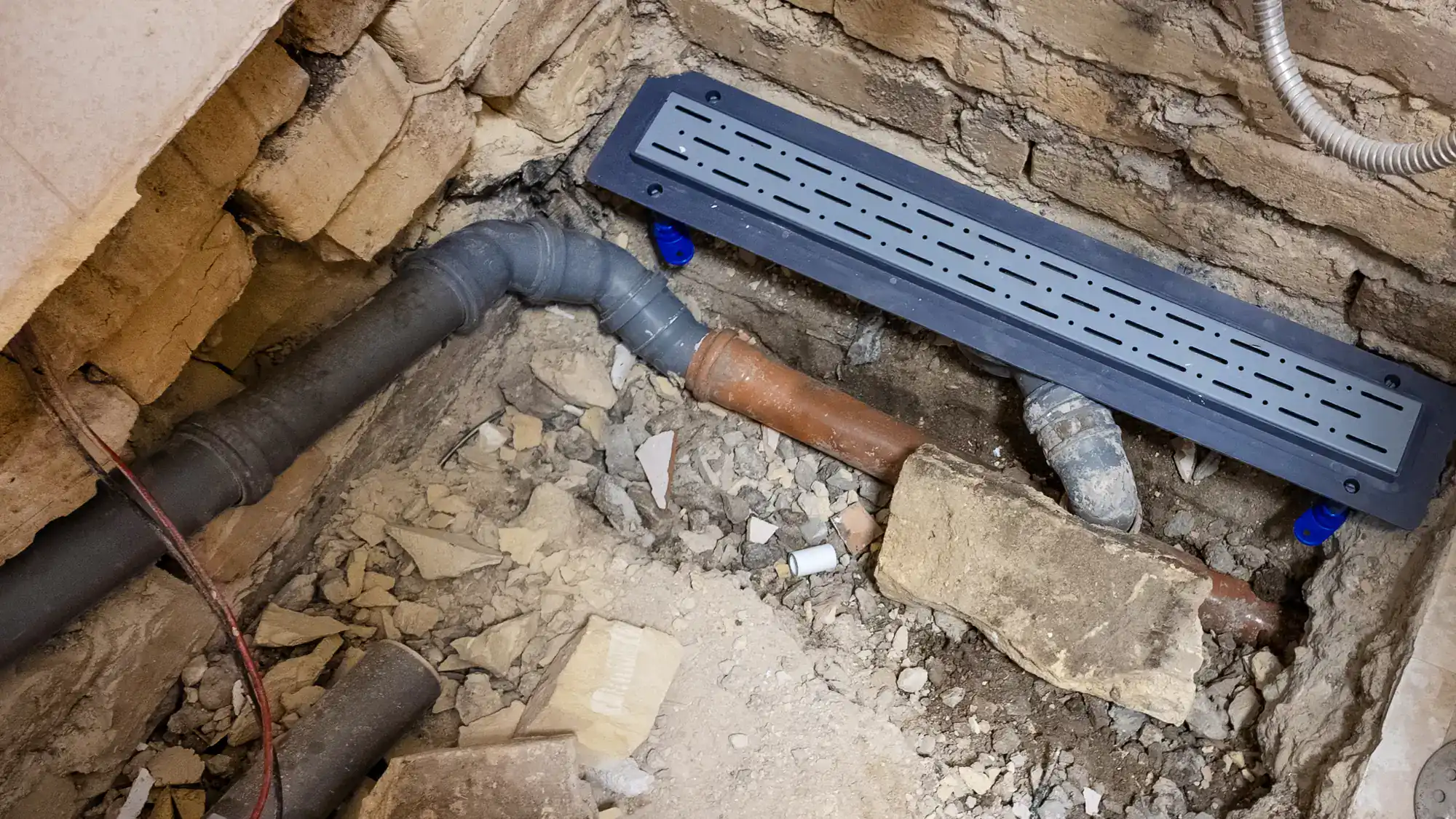
Older homes often have stone or block foundations that weren’t sealed the way modern foundations are. Over decades, those materials shift and crack. When heavy rain hits or snow melts fast in the spring, water seeps through those cracks and ends up in your basement. Add in outdated or nonexistent sump pump systems, and you’ve got a recipe for flooding.
The other issue is grading and drainage. A lot of these homes were built before modern drainage codes. The ground around the foundation might slope toward the house instead of away from it. Gutters might dump water right next to the foundation. Over time, that water saturates the soil and pushes through any weak point it can find.
We see this all the time in Hampton Heights. A homeowner has lived in their house for years with no issues, and then one spring they get hit with a flooded basement. It’s not bad luck—it’s an aging home meeting modern weather patterns. The good news is that it’s fixable. Once we dry out your basement and identify how the water got in, we can help you prevent it from happening again.
Other Services we provide in Hampton Heights