Summary:
You spot mold. Maybe it’s a patch in the bathroom, maybe it’s creeping up from the basement. Your first thought is probably whether you can handle this yourself or if you need to call someone.
It’s a fair question. Some mold situations are manageable on your own. Others aren’t—and the difference isn’t always obvious until you’re halfway through a failed cleanup, breathing in spores, or watching the same growth return three weeks later.
Here’s what you actually need to know about professional mold removal versus doing it yourself, without the scare tactics or the overselling.
When DIY Mold Removal Actually Makes Sense
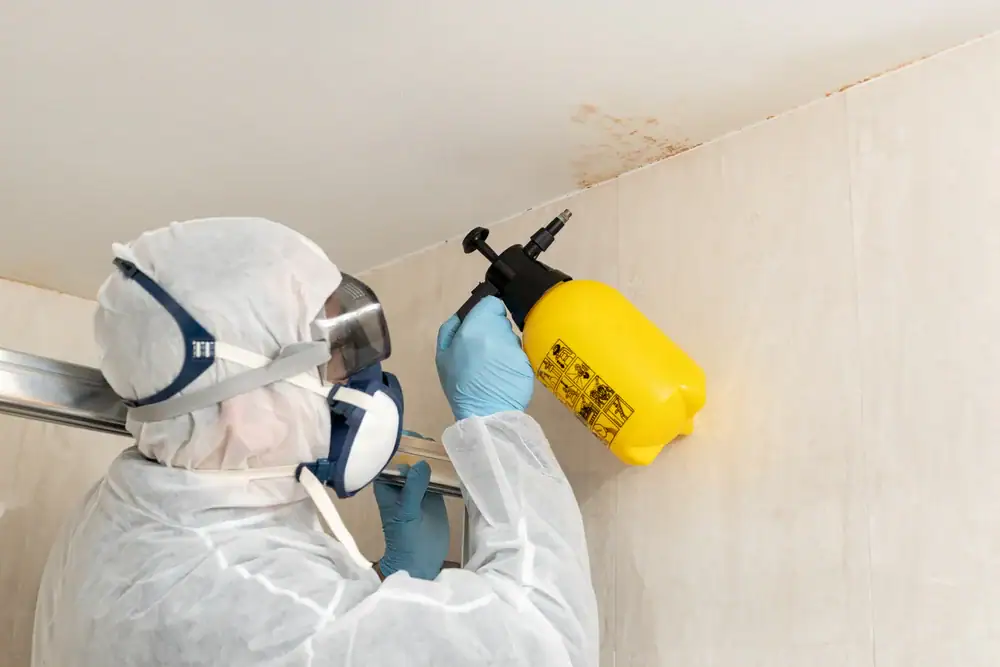
Let’s start with the truth: not every mold problem requires a professional. If you’re dealing with a small, surface-level issue on a non-porous material—think tile grout, a fiberglass shower, or a small spot on painted drywall—you might be fine handling it yourself.
The EPA uses a 10-square-foot guideline. That’s roughly a 3-by-3-foot area. Anything smaller than that, on a hard surface, with no underlying moisture problem, can often be cleaned with household products and some careful effort.
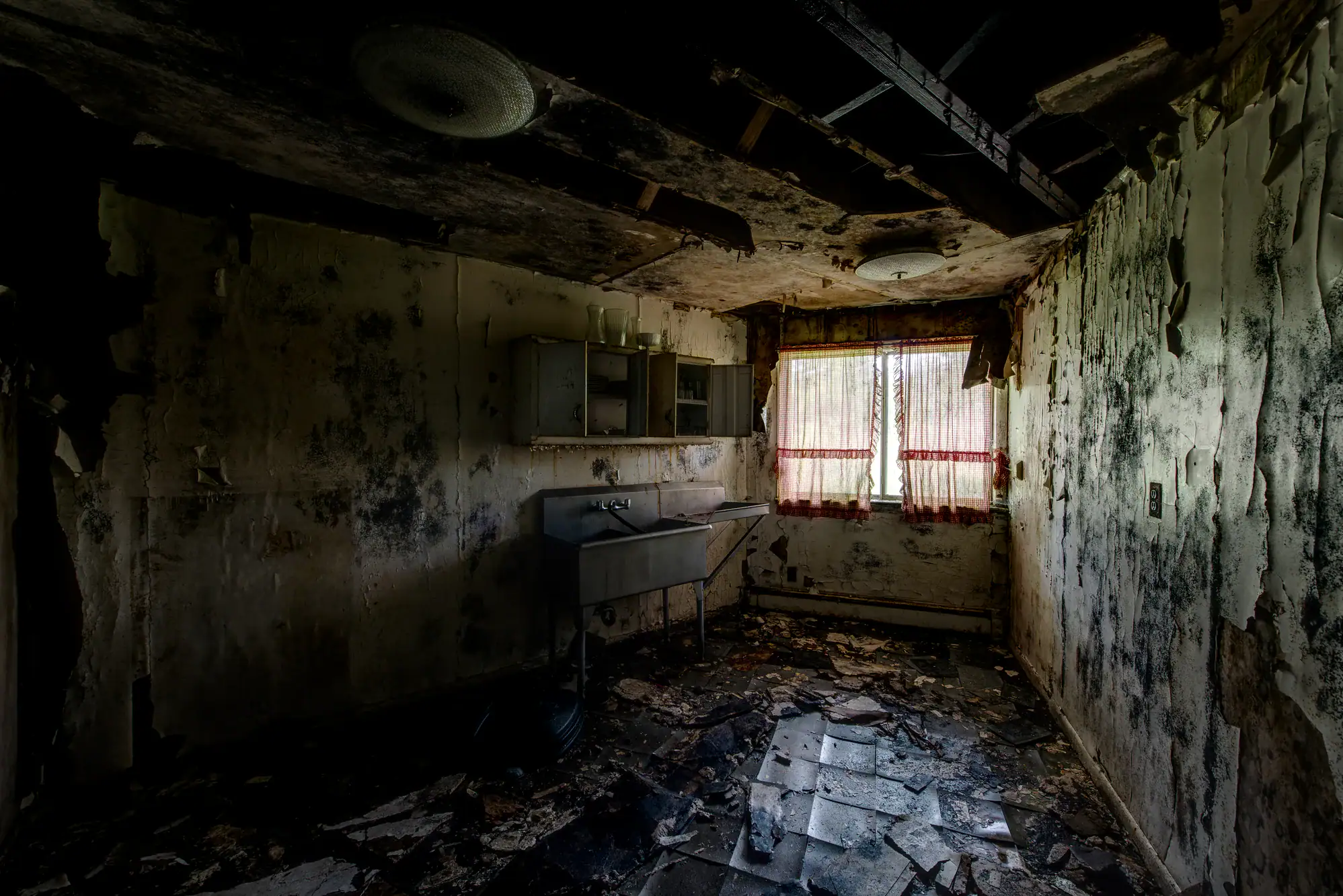
But here’s where most people get it wrong. They see a small visible patch and assume that’s the whole problem. Mold you can see is often just the surface. What’s growing behind the wall, under the floor, or inside the HVAC system is what actually matters—and you can’t see that without the right tools.
What DIY Mold Treatment Can and Can't Do
If you’re going the DIY route, you need to know what you’re up against. Mold grows in damp environments, and it spreads through microscopic spores that travel through the air. When you start scrubbing, you’re disturbing those spores and sending them airborne—which is exactly how mold spreads to new areas of your home.
Most DIY approaches use bleach or household cleaners. These can kill surface mold on non-porous materials like tile or glass. But they don’t penetrate porous materials like drywall, wood, or carpet. On those surfaces, bleach might lighten the stain and make it look like the mold is gone, but the roots stay intact. Give it a few weeks and the same moisture conditions, and it’s back.
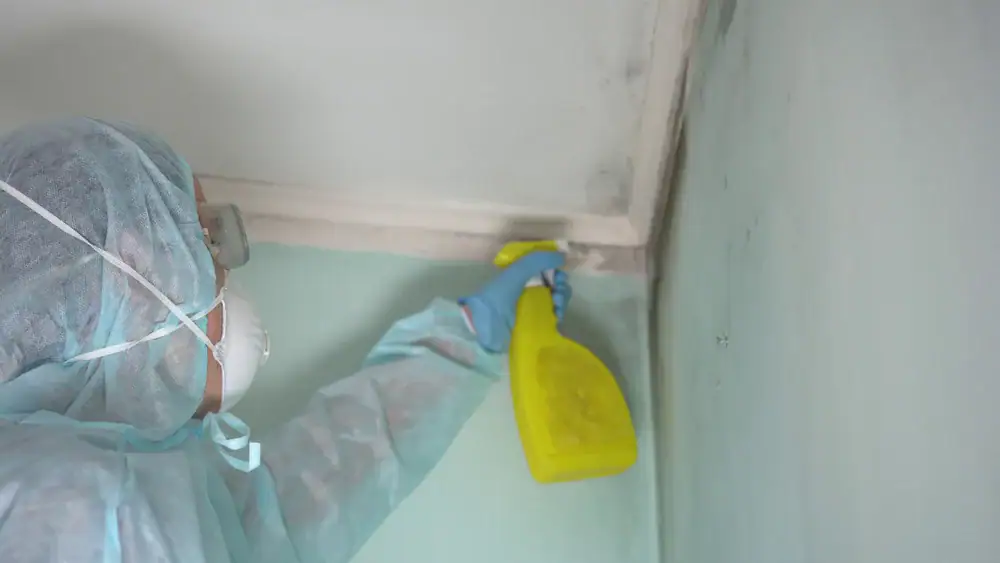
Then there’s the safety issue. When you’re cleaning mold yourself, you need proper protection—an N95 mask at minimum, goggles, gloves, and clothing you can wash immediately. Most people skip this step. They don’t realize that inhaling mold spores can trigger allergic reactions, asthma attacks, respiratory issues, and other health problems. For people with existing respiratory conditions or weakened immune systems, the risks are even higher.
The other thing DIY can’t do is find the moisture source. Mold is a symptom, not the root problem. If you’re not fixing the leak, the condensation issue, the poor ventilation, or whatever’s creating the damp environment, you’re just cleaning up a mess that will reappear. That’s why so many DIY attempts fail—they address the visible growth but ignore the cause.
And if the mold is hidden—behind walls, under flooring, in ductwork—DIY methods can’t reach it. You’d need moisture meters, thermal imaging, and sometimes air sampling to even know it’s there. By the time you see it, the problem has usually spread far beyond what’s visible.
The Real Cost of DIY vs Professional Mold Removal
DIY mold removal looks cheap on paper. You’re spending maybe $50 to $300 on cleaning supplies, protective gear, and a weekend of your time. Compare that to professional mold remediation, which averages between $1,200 and $3,750 depending on the scope, and it’s tempting to try it yourself.
But here’s what that cost comparison doesn’t account for: what happens when DIY doesn’t work. If you clean the visible mold but miss the hidden growth, you’re not solving anything. The mold keeps spreading behind your walls, damaging structural materials, lowering your indoor air quality, and putting your family’s health at risk.
Then there’s the cost of doing it twice. Homeowners who attempt DIY mold removal often end up calling professionals anyway—after they’ve already spent money on supplies, wasted time on ineffective cleaning, and potentially made the problem worse by spreading spores during the process. At that point, you’re paying for professional remediation on top of what you already spent.
There’s also the health cost. Mold exposure is linked to respiratory infections, asthma exacerbation, allergic rhinitis, chronic coughing, and other respiratory symptoms. Research shows that 30 to 50 percent of asthma-related health outcomes are associated with mold and dampness in buildings. If someone in your household develops health issues because of prolonged mold exposure, the medical bills and missed work far exceed what professional mold removal would have cost in the first place.
And if you’re planning to sell your home, undisclosed mold problems can derail the sale. Buyers will find it during inspection, and suddenly you’re negotiating from a position of weakness—either paying for remediation under pressure or accepting a lower offer. Professional mold remediation with documentation protects your property value and gives buyers confidence.
The math changes when you factor in these hidden costs. What looked like a money-saving DIY project can quickly become more expensive—and more stressful—than hiring mold experts from the start.
What Professional Mold Remediation Services Actually Include
Professional mold removal isn’t just cleaning with better products. It’s a systematic process designed to find all the mold, remove it safely, fix the underlying cause, and prevent it from coming back.
It starts with a real assessment. We use moisture meters to detect dampness inside walls and floors. We use thermal imaging to spot temperature differences that indicate water intrusion. We conduct air sampling to measure spore levels and identify hidden mold you can’t see. This inspection tells us the full scope of the problem—not just what’s visible on the surface.
Once we know what we’re dealing with, we create a containment plan. This is critical. Mold spreads through spores, and disturbing it during removal sends those spores airborne. Professional mold remediation services use plastic barriers and negative air pressure systems to isolate the affected area and prevent cross-contamination to other parts of your home.
How Mold Experts Remove Mold Without Spreading It
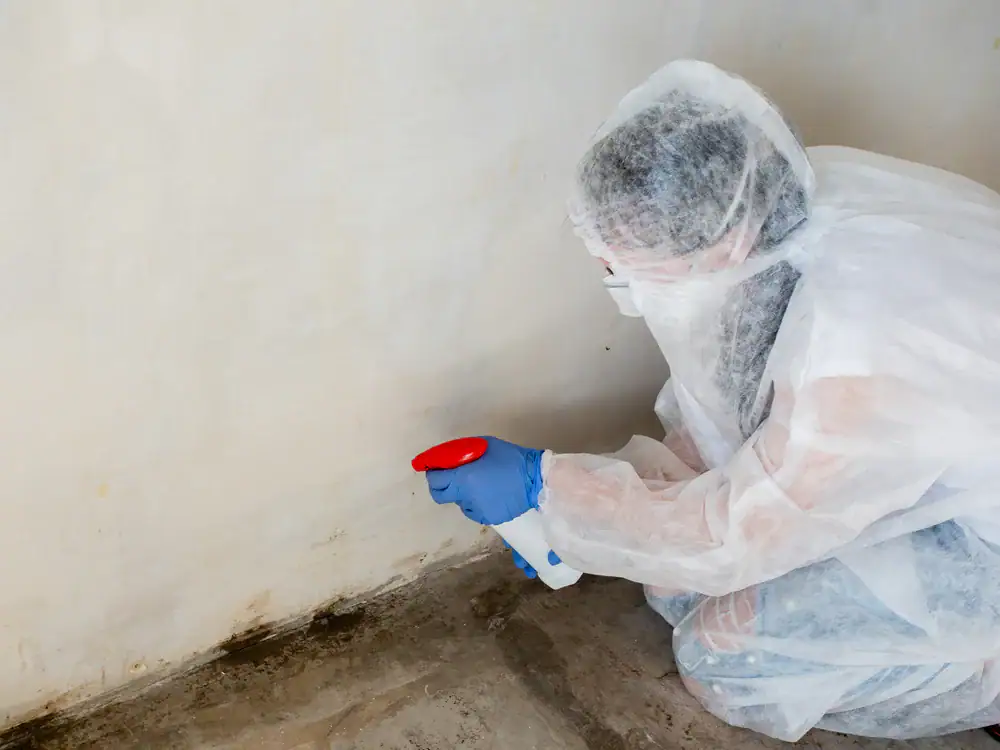
The actual removal process depends on what’s contaminated. Non-porous surfaces like tile, metal, or glass can be cleaned with antimicrobial treatments. Porous materials like drywall, insulation, carpet, or ceiling tiles usually can’t be saved—they have to be removed and disposed of properly.
This is where professional equipment makes a difference. HEPA vacuums capture microscopic mold spores that regular vacuums would just blow back into the air. Air scrubbers with HEPA filters continuously clean the air during the removal process, trapping spores before they can spread. Dehumidifiers and air movers dry out the affected areas completely, eliminating the moisture that mold needs to grow.
We also know which materials to remove and which to save. Homeowners often remove more than necessary—or not enough. A trained mold remediation specialist can assess whether a section of drywall can be treated or needs to be cut out, whether insulation is salvageable, and how far the contamination has spread into structural materials.
After the mold is removed, we don’t just walk away. We apply antimicrobial treatments to surfaces to prevent regrowth. We verify that the area is dry and that moisture levels are back to normal. We offer post-remediation air quality testing to confirm that spore counts have returned to safe levels.
And here’s the part that matters most: we identify and fix the moisture source. Whether it’s a leaky pipe, poor ventilation, condensation from inadequate insulation, or water seeping through foundation cracks, we address the root cause. Without that step, the mold will return—no matter how thoroughly it’s been cleaned.
In Milwaukee County, WI, that moisture source identification is especially important. Homes near Lake Michigan deal with elevated humidity year-round. Older properties with finished basements built over aging foundations often have hidden moisture intrusion. Areas near the Milwaukee, Menomonee, and Kinnickinnic Rivers face seasonal flooding and high water tables. We’re familiar with these local conditions and know where to look and how to prevent future problems.
When You Should Call Professionals Instead of Trying DIY
There are clear situations where DIY isn’t an option. If the mold-affected area is larger than 10 square feet, the EPA recommends professional help. That’s not arbitrary—larger areas mean higher spore counts, greater health risks, and a higher likelihood that the problem extends beyond what you can see.
If the mold is growing on porous materials like drywall, insulation, or carpet, you need professionals. These materials can’t be cleaned effectively. They have to be removed, and doing that without proper containment spreads spores throughout your home.
If you’ve had significant water damage—from flooding, a burst pipe, a roof leak, or sewage backup—assume there’s mold even if you don’t see it yet. Mold can start growing within 24 to 48 hours of water exposure. By the time it’s visible, it’s usually already established in hidden areas. Professional mold remediation services can assess the damage, dry out the affected areas quickly, and prevent mold from taking hold.
If anyone in your household has asthma, allergies, respiratory conditions, or a weakened immune system, don’t attempt mold removal yourself. The health risks are too high. We have the equipment and training to remove mold without exposing you or your family to harmful spore levels.
If the mold keeps coming back despite your cleaning efforts, that’s a clear sign of an underlying moisture problem. You’re not going to solve that with bleach and a scrub brush. You need someone who can find the source—whether it’s a hidden leak, poor ventilation, or structural issues—and fix it permanently.
If you smell a persistent musty odor but can’t find visible mold, there’s likely hidden growth somewhere. Mold behind walls, under floors, or in HVAC systems isn’t something you can tackle yourself. You need specialized detection equipment and the expertise to access those areas without causing additional damage.
And if you’re dealing with black mold—Stachybotrys chartarum—don’t attempt DIY removal. This type produces mycotoxins that can cause serious health effects. It requires professional handling with strict safety protocols.
The decision isn’t about whether you’re capable of scrubbing a surface. It’s about whether you can identify the full scope of the problem, remove it safely without spreading spores, address the moisture source, and verify that it’s actually gone. For most mold situations, the honest answer is no.
Making the Right Choice for Your Home and Health
Professional mold removal wins in most scenarios—not because DIY is never an option, but because most homeowners can’t tell the difference between a simple surface issue and a larger hidden problem until it’s too late.
If you’re looking at a small patch on a non-porous surface, no underlying moisture issue, and no health concerns in your household, DIY might work. Anything beyond that—larger areas, porous materials, hidden growth, recurring mold, recent water damage, or vulnerable family members—calls for professional help.
The cost of getting it wrong is higher than the cost of doing it right the first time. Your health, your home’s structural integrity, and your property value are all at stake. When you’re ready to address mold the right way, we’re available to assess your situation, explain your options, and handle the remediation process with the transparency and project oversight you deserve.