Summary:
The fire’s out. The water’s been shut off. Now comes the question that keeps you up at night: what’s this going to cost?
If you’re like most Milwaukee County homeowners facing fire or water damage, you need real numbers before you can even think about next steps. Not vague estimates or “it depends” answers. You need to know if you should file an insurance claim, what your deductible means for your budget, and whether the restoration company quoting you is being straight about pricing.
This guide walks through actual fire damage restoration costs, water remediation pricing, and what you’ll pay for everything from initial inspection to final drywall repairs. Let’s start with what most restoration projects actually involve.
Understanding Fire Damage Restoration Costs in Milwaukee County
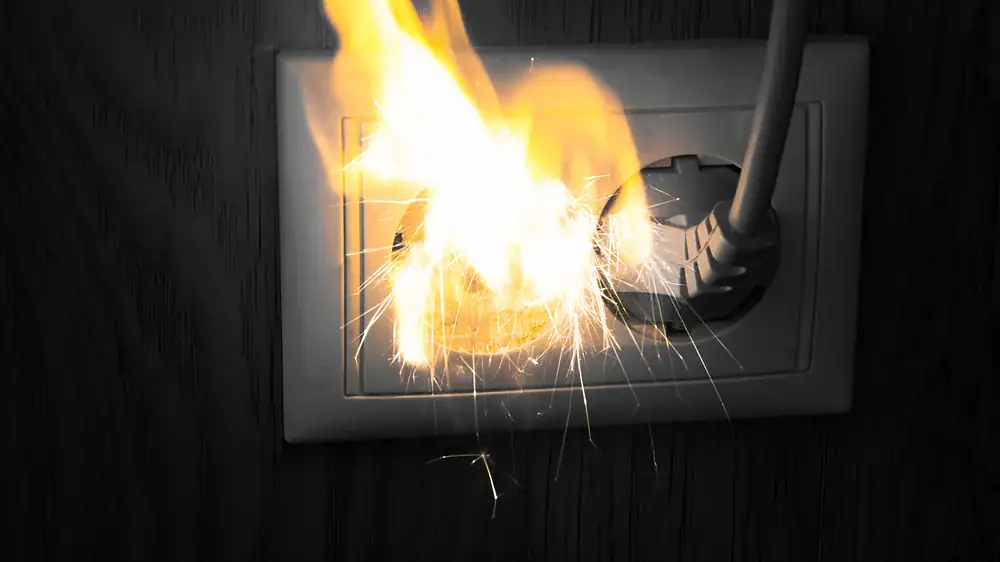
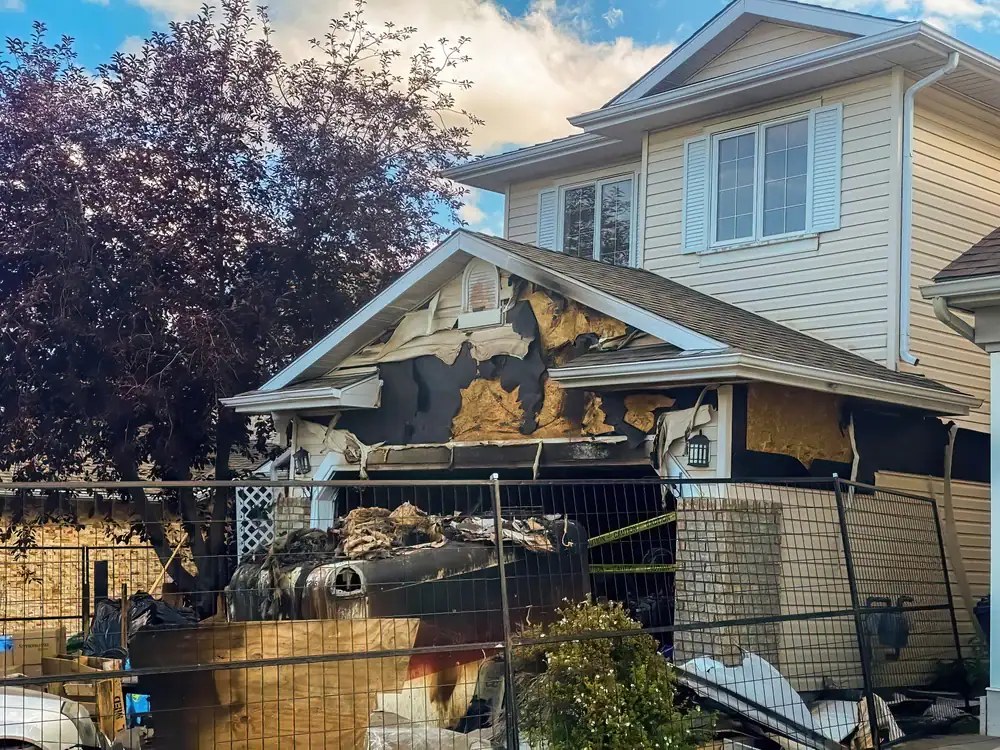
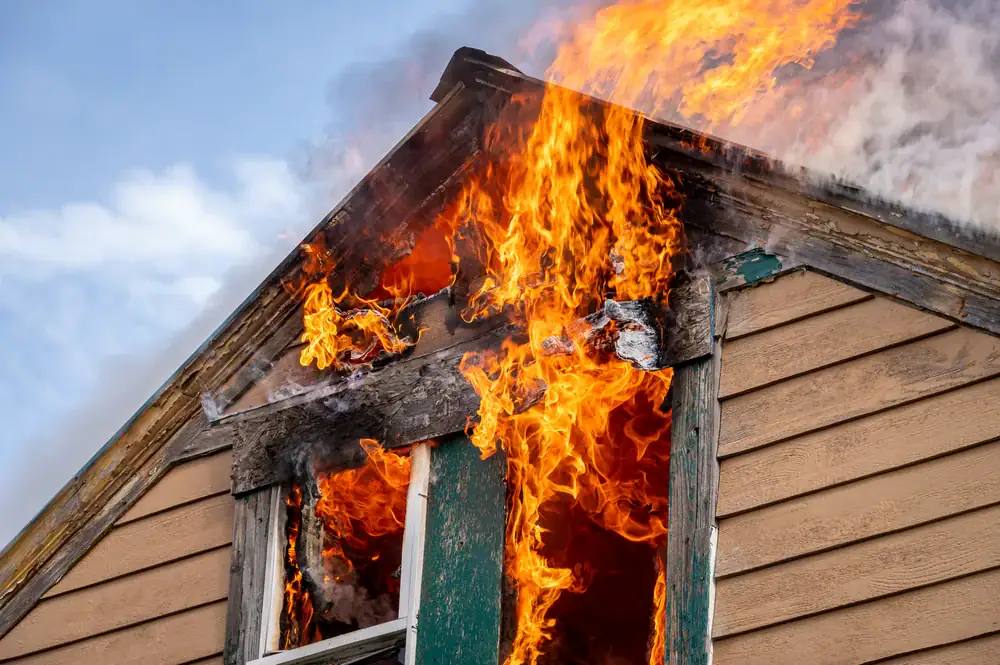
Fire damage restoration isn’t one price. It’s a series of phases, each with its own cost structure. The total depends on how far the fire spread, how much water the fire department used, and what kind of secondary damage developed afterward.
In Milwaukee County, most fire restoration projects fall between $3,000 and $50,000. That’s a wide range because a small kitchen grease fire that was caught quickly costs dramatically less than a fire that spread through multiple rooms. The national average sits around $27,000, but your actual cost depends entirely on your specific situation.
What drives that number up or down? Three main factors: the extent of structural damage, the scope of smoke and soot cleanup, and whether you’re dealing with water damage from firefighting efforts. Many homeowners don’t realize that the water used to extinguish flames often causes as much damage as the fire itself.
What Fire Restoration Actually Includes
When we give you an estimate for fire damage restoration, you’re not just paying for someone to clean up soot. The work involves multiple distinct services, and understanding what each one costs helps you evaluate whether the pricing makes sense.
First comes the emergency response and assessment. Most companies in Milwaukee County charge between $150 and $500 for this initial phase, though we waive inspection fees when you hire us for the full restoration. This assessment determines the scope of work needed and identifies safety hazards like compromised electrical systems or structural weaknesses.
Next is the actual fire and smoke damage cleanup. This includes removing burned materials, cleaning soot from surfaces, and eliminating smoke odor that seeps into walls, ceilings, and belongings. Smoke damage restoration typically runs $200 to $1,200 per room depending on how thoroughly the smoke penetrated. Soot removal from structural elements adds another layer of cost, usually $400 to $1,700 for thorough cleaning.
Then there’s the water damage component. If firefighters used hoses to extinguish the blaze, you’re dealing with standing water, saturated drywall, and potential mold growth. Water extraction costs $300 to $1,200 depending on volume. Drying and dehumidification runs $500 to $1,500 and typically takes three to five days with industrial equipment running continuously.
Finally comes reconstruction. Replacing burned or water-damaged drywall, repairing structural elements, and rebuilding affected areas. This is where costs vary most widely. Minor repairs might run $800 to $3,000. Major structural work can reach $180,000 if the fire compromised load-bearing walls, electrical systems, or roofing.
The key is getting a detailed, line-by-line estimate that breaks out each phase. Vague quotes that lump everything together make it impossible to know what you’re actually paying for or spot inflated pricing.
Milwaukee-Specific Pricing Factors You Should Know
Milwaukee County has some unique characteristics that affect restoration costs. Understanding these helps you evaluate whether estimates reflect actual local market conditions or whether a company is padding numbers.
First, Milwaukee’s housing stock ranges from historic 19th-century homes to modern construction. Older homes often cost more to restore because they may contain plaster instead of drywall, have outdated electrical systems that need upgrading to current code, or contain materials like asbestos that require certified removal. If your home was built before 1980 and has textured ceilings, asbestos testing and removal can add $400 to $500 minimum, or $3 to $7 per square foot for larger areas.
Second, Milwaukee’s weather creates specific damage patterns. Lake-effect conditions mean homes here face frozen pipes in winter, heavy snow loads that stress structures, and spring flooding. When fire damage happens during winter months, frozen conditions can complicate water extraction and drying. Restoration companies working in Milwaukee during cold months may need to run temporary heating to properly dry structures, which can add to equipment costs.
Third, local labor rates and material costs in Milwaukee County fall somewhere in the middle compared to national averages. You’re not paying Chicago prices, but you’re also not getting rural Wisconsin rates. Most restoration contractors here charge $60 to $90 per hour for labor, with per-square-foot pricing averaging $4 to $7 for fire restoration work.
Insurance considerations matter too. The average homeowners insurance premium in Milwaukee County is $1,520, which is about 6% higher than the Wisconsin state average. Standard policies cover fire damage if the fire was accidental, but deductibles typically run $1,000 to $2,500. That deductible is what you pay out of pocket before insurance coverage kicks in. Understanding this number before you get estimates helps you plan your actual financial exposure.
One more Milwaukee-specific factor: the city’s older neighborhoods may have homes with unique architectural features that cost more to restore properly. Matching historic trim, repairing plaster medallions, or sourcing period-appropriate materials for historic districts adds to costs but may be necessary to maintain property value and comply with local preservation requirements.
Water Remediation Cost Planning: Budget for Complete Restoration
Water damage rarely travels alone. Whether it’s from firefighting efforts, a burst pipe, or basement flooding, water remediation follows a predictable cost structure once you understand the phases involved.
The national average for water damage restoration sits around $3,860, with most projects falling between $1,383 and $6,370. But those numbers don’t tell you much without context. What matters is the class and category of water damage you’re dealing with, because that determines both the work required and the final price.
Water damage gets classified by severity. Class 1 is minor—maybe a small area with minimal moisture absorption. This typically costs $150 to $400 to address. Class 2 affects an entire room including walls up to 12 inches high, running $500 to $1,000. Class 3 means water came from above, saturating walls, ceilings, insulation, and carpet. This can hit $7 per square foot. Class 4 involves specialty drying for materials like hardwood or stone and represents the most expensive category.
Water Damage Inspection Cost: What Your Investment Gets You
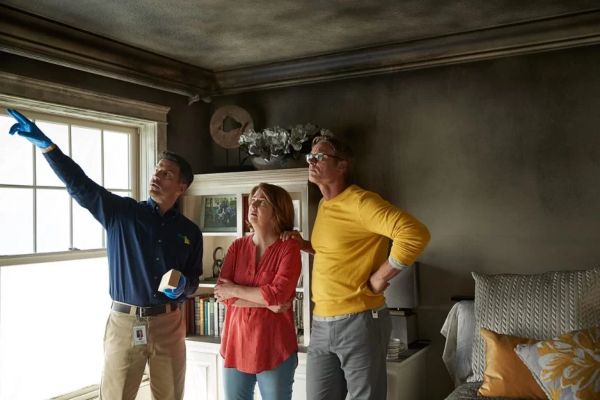
Before any work begins, you need to know what you’re dealing with. That’s where the inspection comes in, and this is one area where Milwaukee County homeowners can often save money if they know what to ask for.
We offer free inspections when you hire us for the full restoration job. That inspection typically includes moisture detection using specialized meters, thermal imaging to find hidden water behind walls, assessment of the water category (clean, grey, or black water), and a detailed scope of work with cost estimates.
If you want an independent inspection before committing to a restoration company, expect to pay $200 to $500. This gets you an objective assessment of damage extent, recommendations for remediation, and documentation you can use when talking to insurance companies or getting competitive bids. Some homeowners find this worthwhile when dealing with insurance disputes or when the damage seems minor and they’re not sure if filing a claim makes sense.
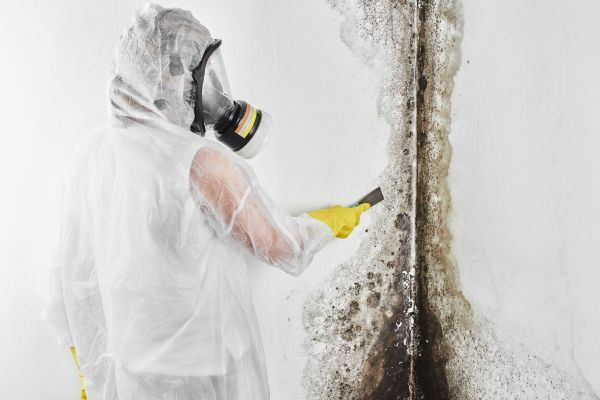
For mold concerns specifically, a mold inspection runs $300 to $650 on average. This includes air quality testing, surface sampling, and a report identifying mold types and concentration levels. In Milwaukee County’s humid climate, mold can develop within 24 to 48 hours after water intrusion, so quick action matters more than anywhere with drier conditions.
Here’s what makes inspection costs tricky: some companies offer “free” inspections but then pressure you into unnecessary work or inflate the scope to make up for the waived inspection fee. We provide a detailed written estimate breaking down each phase of work, explain what’s urgent versus what can wait, and don’t push you to decide on the spot.
The inspection should answer these questions clearly: What’s the source of the water damage? How far has moisture spread, including behind walls and under flooring? What category is the water (clean, grey, or contaminated)? What materials need removal versus what can be dried and saved? What’s the estimated timeline for each phase? And most importantly, what’s the detailed cost breakdown for each service?
If a company can’t or won’t answer those questions in writing before starting work, that’s a red flag. The inspection phase is where transparent pricing either happens or doesn’t. You’re investing in information that protects you from surprise costs later, not just paying for someone to walk through your property.
Cost to Repair Drywall Ceiling Water Damage and Other Common Fixes
Water damage from above—whether from a leaky roof, burst pipe on a second floor, or firefighting efforts—often means ceiling repairs. Understanding what this costs helps you budget realistically and spot when estimates don’t match the actual work needed.
The cost to repair drywall ceiling water damage varies based on the extent of damage and whether you’re dealing with a simple patch or full replacement. For a small patch (roughly 16×16 inches), expect to pay $311 to $472. This includes cutting out the damaged section, installing new drywall, taping and mudding the seams, sanding smooth, and priming for paint.
Larger ceiling repairs cost more because of the labor involved. Professional ceiling repair typically runs $45 to $90 per square foot including materials. That higher rate compared to wall repairs reflects the difficulty of working overhead—it requires more time, specialized equipment like scaffolding or lifts, and creates more challenging working conditions.
For a typical water-damaged ceiling in a Milwaukee County home, most homeowners pay between $350 and $1,200 depending on the room size and damage extent. A bathroom ceiling with localized damage from a leaky pipe might hit the lower end. A living room ceiling saturated from firefighting water or a major roof leak can easily reach the higher end or beyond.
Here’s what drives those costs up: If the ceiling is textured (popcorn, knockdown, or other finishes), matching that texture adds labor time and cost. If your home was built before the 1980s and has popcorn ceiling texture, asbestos testing is necessary before any work begins. Asbestos removal, if present, adds $400 to $500 minimum.
Plaster ceilings common in Milwaukee’s older homes cost significantly more to repair than drywall. Plaster work requires specialized skills and takes longer, typically running 1.5 to 3 times the cost of drywall repairs. A plaster ceiling patch that would cost $400 in drywall might run $600 to $1,200 in plaster.
Beyond the ceiling itself, water damage often affects related systems. If water saturated insulation above the ceiling, that needs removal and replacement at $1 to $3 per square foot. If moisture reached electrical fixtures or wiring in the ceiling, electrical inspection and repair adds $200 to $1,500 depending on extent.
The smart approach to ceiling water damage is addressing it quickly. A small leak that’s dried and patched promptly might cost $300 to $500. That same leak ignored for weeks can develop mold, compromise structural framing, and damage electrical systems—turning a $500 repair into a $3,000 to $5,000 problem.
When you’re getting estimates for ceiling repairs, ask for line-item breakdown showing demolition and disposal, new drywall or plaster materials, labor for installation and finishing, texture matching if applicable, primer and paint, and any structural or electrical work needed. This transparency helps you understand what you’re paying for and ensures the estimate covers all necessary work.
Moving Forward With Your Restoration Budget
Fire and water damage restoration costs feel overwhelming because you’re making financial decisions during one of the most stressful times a homeowner faces. But with real cost data and an understanding of how pricing works in Milwaukee County, WI, you can approach the process with more confidence.
The most important takeaway: demand transparency. Any restoration company worth hiring will provide detailed, written estimates that break down costs by phase and explain what each service includes. We walk you through what’s urgent, what can wait, and how to work with your insurance company to maximize coverage while minimizing out-of-pocket costs.
Remember that speed matters for your budget. The faster you address water damage, the less you’ll pay in total. Mold remediation, structural repairs, and secondary damage all cost more than quick extraction and drying. Companies that respond 24/7 aren’t just convenient—they’re protecting you from the cost multipliers that come with delays.
If you’re facing fire or water damage in Milwaukee County and need straight answers about restoration costs, we provide free inspections and transparent pricing. No pressure, no inflated scopes—just honest assessment of what your situation requires and what it will cost to make it right.