Summary:
That dark patch in your basement didn’t appear overnight. Neither did the musty smell that hits you when you open the bathroom door. But now that you’ve noticed it, you can’t unsee it.
Black mold has a way of making homeowners feel helpless. You know it’s bad. You know it needs to go. But between conflicting advice online and horror stories about restoration companies, you’re not sure who to trust or what to do next.
Here’s what actually matters when you’re facing black mold in your Milwaukee County home.
Black Mold Removal: Specialized Safety Protocols
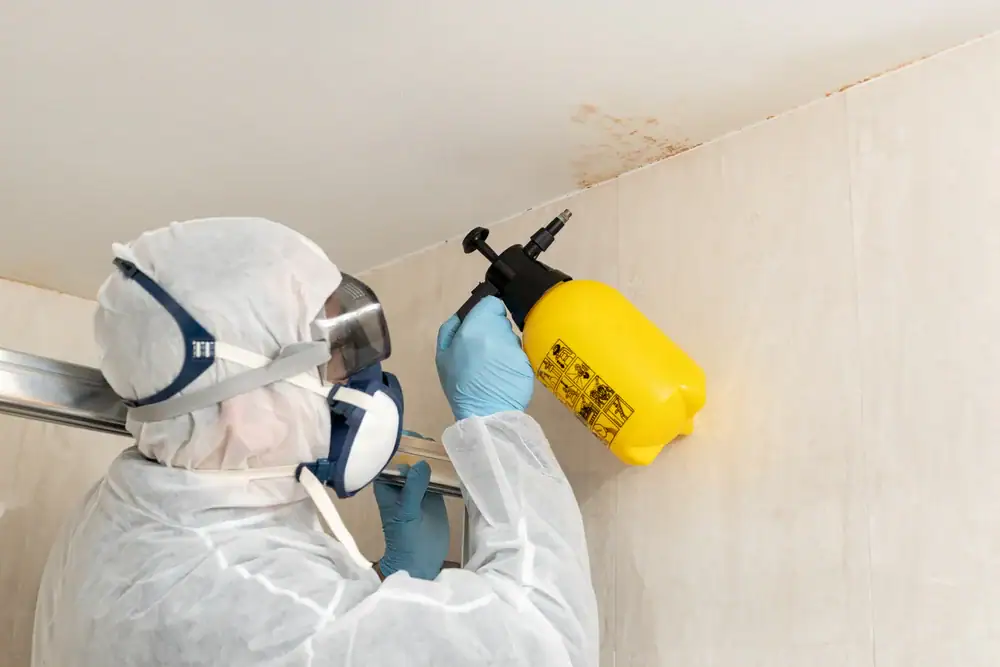
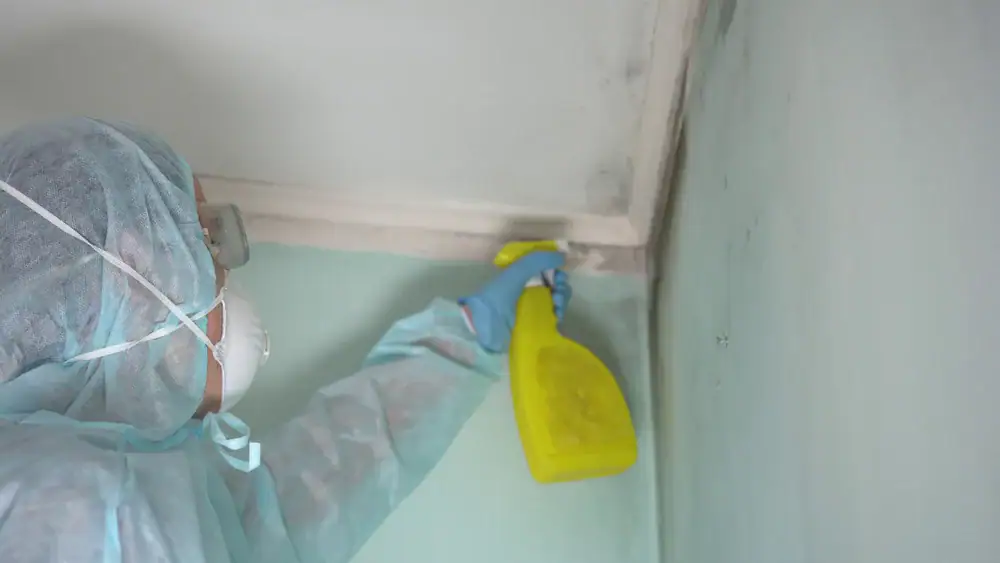
Black mold removal isn’t the same as scrubbing mildew off grout. The process requires containment systems, specialized filtration, and safety protocols that go far beyond what most homeowners can manage safely.
Professional removal starts with isolation. Physical barriers seal the work area. Negative air pressure systems ensure contaminated air flows into the contained space but doesn’t escape to clean areas. Your HVAC system gets shut down to prevent spore distribution through ductwork.
The equipment matters as much as the process. HEPA filtration captures microscopic spores that standard vacuums would recirculate. Air scrubbers run continuously. Antimicrobial treatments follow to prevent regrowth on salvageable surfaces. This isn’t dramatic—it’s the baseline for safe black mold removal.
What Makes Black Mold Different
Black mold typically refers to Stachybotrys chartarum, though several mold species appear dark in color. You can’t identify toxic mold by looking at it. That greenish-black growth might be Stachybotrys, Cladosporium, Aspergillus niger, or another species entirely.
What you can identify: the conditions that let it thrive. Black mold grows on cellulose-based materials—drywall, wood, paper, cardboard. It needs sustained moisture from leaks, flooding, or high humidity. In Milwaukee County, that moisture often comes from ice dams in winter, spring basement flooding, or humidity from Lake Michigan creating condensation in poorly ventilated spaces.
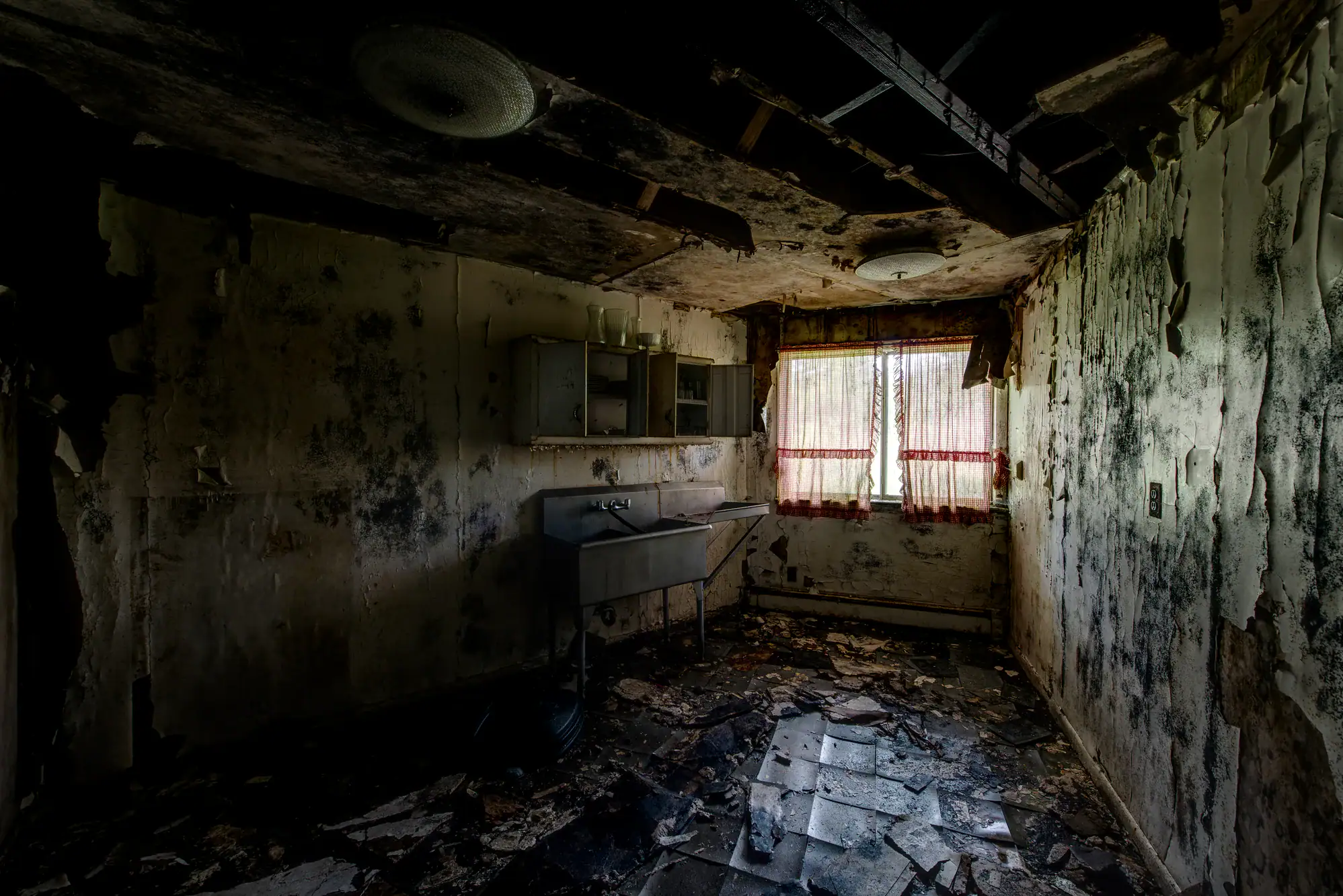
The mold appears slimy when wet, leaves dark stains, and resists simple cleaning. But visible growth is only part of the problem. The real concern is what’s growing behind walls, under flooring, or in HVAC systems where you can’t see it.
Any significant mold growth can trigger respiratory symptoms, allergic reactions, and worsening asthma. Some people tolerate more exposure than others. Nobody benefits from breathing mold spores at home. Children, elderly family members, and anyone with existing respiratory conditions face heightened risks.
Professional black mold removal means finding all of it. Moisture meters detect elevated levels behind surfaces. Infrared cameras spot temperature differentials indicating water intrusion. Experience shows where mold hides in Milwaukee County’s older housing stock and newer construction alike.
Surface cleaning makes visible mold disappear temporarily. Without addressing moisture sources and hidden growth, you’re just buying time before it returns.
Cleaning Black Mold: Why DIY Methods Fall Short
The EPA guideline is straightforward: if mold covers less than 10 square feet and you don’t have asthma or sensitivities, you can attempt cleaning yourself. Anything larger, anything involving hidden growth, anything in HVAC systems—call professionals.
DIY black mold cleaning fails for reasons most homeowners don’t anticipate. First, disturbing mold without proper containment releases spores throughout your home. Those spores land on furniture, get into ductwork, and settle in areas that were previously clean.
Second, household cleaners don’t penetrate porous materials. Bleach kills surface mold on non-porous materials like tile or glass. It doesn’t reach mold growing into drywall, wood, or insulation. The visible growth disappears. The roots remain. The mold returns.
Third, you can’t see what you’re missing. Mold growing behind walls, under flooring, or in wall cavities requires detection equipment and removal techniques beyond DIY capability. Cleaning visible mold while missing hidden growth solves nothing.
The health risk from improper cleaning compounds the problem. Without respirators, protective equipment, and proper ventilation, you’re exposing yourself to high spore concentrations during the most dangerous phase—active disturbance. Professional technicians wear N95 or P-100 respirators, protective suits, and gloves specifically because disturbing mold is when exposure risk peaks.
For black mold specifically, the stakes increase. The potential for mycotoxin production, the difficulty of complete removal, and the health implications of incomplete remediation all point to professional intervention. This isn’t about lacking confidence in your abilities. It’s about having the right tools and training for a job that demands both.
Professional Black Mold Remediation Process
Remediation means restoring your home to conditions where mold can’t easily return. That’s different from removal. It’s a more comprehensive approach that addresses causes, not just symptoms.
The process begins with thorough assessment. Visual inspection covers obvious problem areas and the spots most homeowners never check—inside wall cavities, under flooring, in attic spaces. Moisture meters detect elevated levels that indicate active water intrusion or residual dampness.
Every mold situation is different. A small bathroom corner requires different strategies than a finished basement with contaminated drywall, insulation, and framing. We develop remediation plans that account for your specific situation, not generic protocols.
Black Mold Testing: Identification and Confirmation
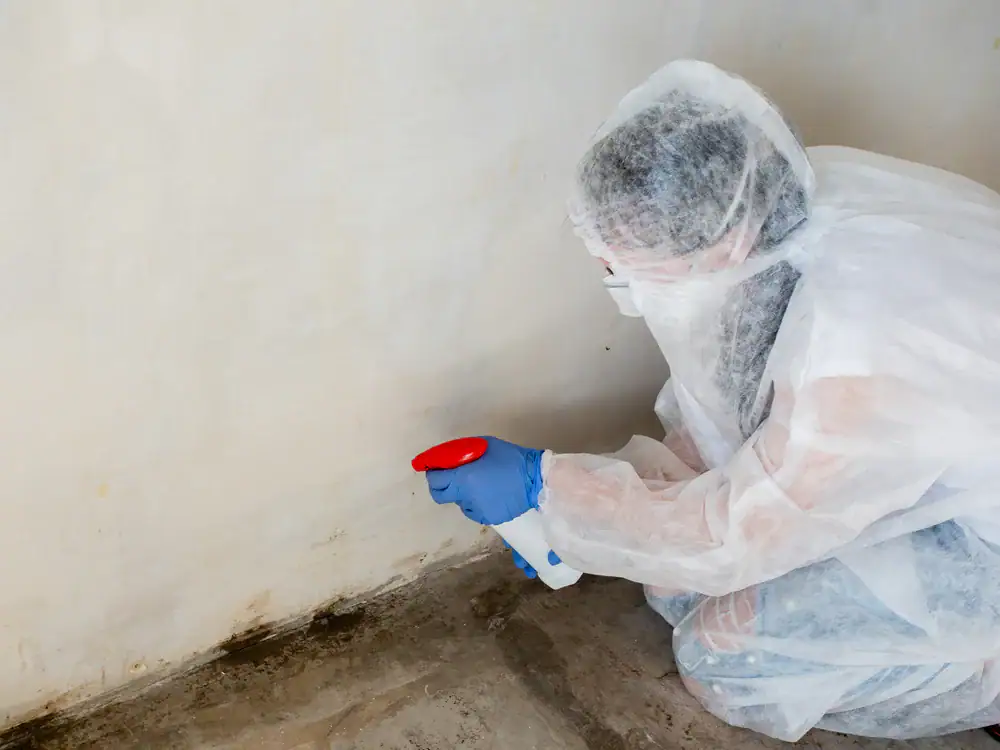
Black mold testing serves specific purposes, though it’s not always necessary. If you can see or smell mold, you have a mold problem. Testing won’t change that fundamental truth.
Testing becomes valuable in certain situations. When you smell mold but can’t locate the source, air sampling or surface testing helps identify hidden growth locations. When health symptoms suggest mold exposure but no visible growth appears, testing confirms or rules out mold as the culprit. When you need documentation for insurance claims or real estate transactions, professional testing provides required evidence.
Testing methods vary by situation. Air sampling measures spore concentrations in indoor air compared to outdoor baseline levels. Surface sampling collects material from visible growth for lab identification of specific species. Bulk sampling removes pieces of contaminated materials for analysis.
The CDC and NIOSH don’t recommend routine mold testing because health effects vary by individual, and no agreed-upon standards define safe versus unsafe exposure levels. Visual inspection and odor detection often prove more reliable and cost-effective than air sampling for finding problems.
When testing does occur, interpretation matters. Elevated spore counts indicate a problem. Species identification helps understand potential health risks. But the response remains the same regardless of results: remove the mold and fix the moisture source.
In Milwaukee County, testing sometimes reveals mold problems stemming from regional issues—ice dam damage in attics, basement moisture from high water tables near the rivers, or condensation issues in homes near Lake Michigan. Professional testing identifies these patterns and informs remediation strategies specific to local conditions.
Testing costs typically range from $250 to $800 depending on the number of samples and analysis required. That investment makes sense when you need confirmation, documentation, or help locating hidden growth. It’s less valuable when visible mold already indicates obvious problems requiring immediate remediation.
Containment, Removal, and Moisture Control
Once assessment and any necessary testing conclude, active remediation begins with containment. Physical barriers isolate the work area from occupied spaces. Negative air pressure ensures airflow moves into the contaminated zone but doesn’t escape. HVAC systems stay off to prevent spore distribution.
Air scrubbers with HEPA filtration run continuously, capturing microscopic particles as contaminated materials get disturbed. This phase protects your family and prevents cross-contamination to clean areas of your home.
Removal follows containment. Porous materials heavily infiltrated with mold—drywall, insulation, carpet, ceiling tiles—typically require disposal. Mold penetrates these materials beyond surface depth, making complete cleaning impossible. Non-porous surfaces like metal, glass, and sealed wood can usually be cleaned and treated successfully.
HEPA vacuums remove surface spores without redistributing them into the air. Antimicrobial treatments applied at professional concentrations eliminate remaining spores and discourage regrowth. These aren’t consumer-grade spray bottles. Professional antimicrobials work at concentrations and contact times proven effective through industry testing.
The critical phase that separates professional remediation from amateur attempts: moisture source elimination. Cleaning mold without fixing water intrusion is temporary at best. Mold needs moisture to grow. Eliminate moisture, and mold can’t return even if some spores remain.
In Milwaukee County, moisture sources vary by season and location. Winter ice dams force water under shingles into attics and walls. Spring brings basement flooding from snowmelt and heavy rains. Summer humidity near the lake creates condensation on cool surfaces in poorly ventilated spaces. Fall freeze-thaw cycles crack foundations, allowing groundwater seepage.
We address these root causes as part of professional remediation. That might mean roof repairs, improved ventilation, basement waterproofing, foundation sealing, or plumbing fixes. We identify and resolve underlying moisture problems. We don’t just clean visible mold and leave you vulnerable to recurrence.
Final verification confirms successful remediation. Visual inspection ensures no mold remains visible. Moisture readings confirm affected areas have dried to normal levels. Some situations warrant post-remediation testing to verify spore counts have returned to acceptable ranges.
Getting Black Mold Removal Right in Milwaukee County
Black mold removal isn’t something to delay or attempt without proper resources. The health risks to your family, the potential for widespread contamination, and the complexity of permanent solutions all demand professional intervention.
Effective remediation combines fast response, proper containment, complete removal, moisture source elimination, and verification. It requires specialized equipment, trained technicians, and commitment to solving actual problems instead of treating visible symptoms. In Milwaukee County’s climate with seasonal moisture challenges, local expertise matters as much as technical capability.
When black mold threatens your home, you need a restoration partner who responds quickly, communicates honestly, and delivers results that last. We bring that combination to Milwaukee County homeowners facing mold crises—with the integrity to do what’s needed, the transparency to explain why, and the expertise to get it done right the first time.