Summary:
A storm rolls through. You walk downstairs and find water across your basement floor. Or you notice the ceiling is stained, the carpet is soaked, and there is a smell you do not recognize. Your first instinct might be to grab towels, call your insurance company, or just stare at it and hope it is not as bad as it looks.
Here is the thing: what you do in the next 60 minutes matters more than most people know. The wrong move can make your insurance claim harder, let damage spread further, or start a mold clock you did not know was ticking. This guide is here to help you move through that first hour with a clear head.
What To Do Immediately After Storm Damage In Greendale
The first priority is always safety. Before you touch anything or try to assess the damage, make sure the space is safe to enter. If there is standing water near electrical panels, outlets, or appliances, do not go in until the power is shut off at the breaker. If you smell gas, leave the building and call your gas provider before anything else.
Once you have confirmed it is safe to move through the space, start documenting. Take photos and short videos of everything you can see, including water levels, affected walls, flooring, furniture, ceiling damage, and visible structural issues. Do this before you move a single thing. That documentation forms the foundation of your insurance claim, and it is much harder to reconstruct after the fact.
Should You Call Insurance Or A Restoration Company First?
This is one of the most common questions we hear, and the answer matters. A lot of homeowners assume they need to wait for an insurance adjuster before doing anything, but that instinct can cost you. Insurance adjusters can take days, sometimes weeks, to arrive after a storm event. Meanwhile, your home sits wet.
Most homeowner insurance policies require you to take reasonable steps to prevent further damage after a loss. Waiting passively while water soaks deeper into your walls, subfloor, and insulation is risky for your home and can complicate your claim. The practical answer is to call us at Flood Guys Restoration at the same time you notify your insurer, not after.
There is also something worth understanding about what your policy covers. Standard homeowner insurance covers sudden and accidental water damage, such as a roof breach during a storm, a burst pipe, or water that enters through a damaged structure. It does not cover rising water from ground saturation or storm surge. That falls under a separate flood insurance policy, and many homeowners in Greendale and Milwaukee County do not realize the distinction until they file a claim. Knowing this upfront helps you document the damage correctly and communicate with your adjuster in a way that reflects what happened.
When you call us, we can help you understand what you are looking at before you have committed to anything. We will walk you through what we have found, explain what it means, and help you figure out the next step without pressure and without a sales pitch. If your damage is covered, we will help you document it in a way your adjuster can work with. If there is a gap in your coverage, we will tell you that too.
The goal in that first hour is not to have everything figured out. It is to stop the damage from getting worse while you gather the information you need to make good decisions.
Why The 48-Hour Mold Window Changes Everything
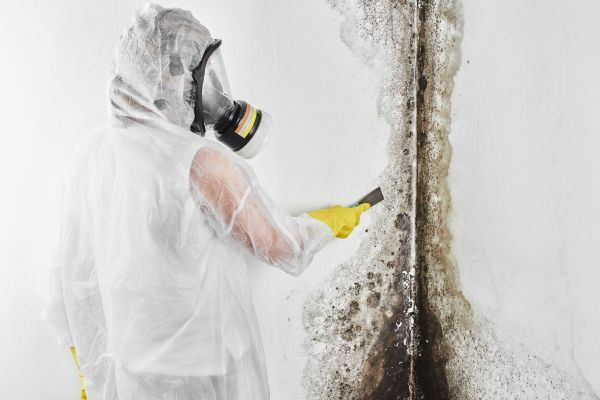
Here is something most homeowners do not know until it is too late: mold can begin growing within 24 to 48 hours of water exposure. That is not a worst-case scenario, but rather the standard timeline established by the EPA and recognized by the IICRC, the primary certification body for the restoration industry. Once mold takes hold in porous materials like drywall, wood framing, insulation, or carpet padding, the scope of your cleanup grows significantly. Research consistently shows that mold growth after water damage increases remediation costs by 30 to 50 percent.
This is why the first hour matters. The decisions you make right now, such as whether to start extraction immediately or wait a few days, directly affect if you are dealing with a water damage job or a water and mold job.
The other piece of this is hidden moisture. A surface can look dry while the wall cavity behind it, the subfloor underneath it, or the insulation packed around it remains fully saturated. Consumer fans and shop vacuums do not reach those areas. Professional moisture meters and industrial extraction equipment do. If you dry what you can see and leave the rest, you are not ahead of the mold clock; you have just made it harder to spot what is still wet.
Greendale’s housing stock adds another layer to this. Much of the village was built in the 1940s through the 1970s as planned community construction from Greendale’s New Deal origins. Older homes often feature more porous building materials, aging foundations that were not built with modern waterproofing, and mechanical systems more vulnerable to moisture intrusion. That does not mean the damage is always worse, but it does mean hidden moisture travels further and stays longer in older structures.
The August 2025 floods that swept through Milwaukee County caused over $33 million in residential damage, following a pattern Greendale and the county have seen before. The National Weather Service recorded more than six and a half inches of rainfall in twelve hours near Greendale during the August 2020 flooding event. These are not once-in-a-generation flukes anymore. Milwaukee County has received fifteen Presidential Disaster Declarations and recorded twelve flood events among its twenty major natural disasters. The risk here is real, recurring, and worth taking seriously.
How Storm Damage Restoration Works
Once the immediate safety steps are handled and you have documented the damage, professional restoration follows a clear sequence. It starts with a thorough assessment, looking at not just what is visible, but what moisture meters and a trained eye can find behind walls, under flooring, and in structural cavities. From there, water extraction removes standing water using industrial grade equipment, followed by structural drying with high capacity dehumidifiers and air movers that pull moisture out of the materials themselves.
After drying is confirmed through exact readings rather than assumptions, the repair phase begins. That might mean replacing sections of drywall, addressing floor damage, treating for mold, repairing structural elements, or coordinating emergency board-up if the building envelope was breached. Every step gets documented for your insurance claim.
What Does Storm Damage Cleanup Include?
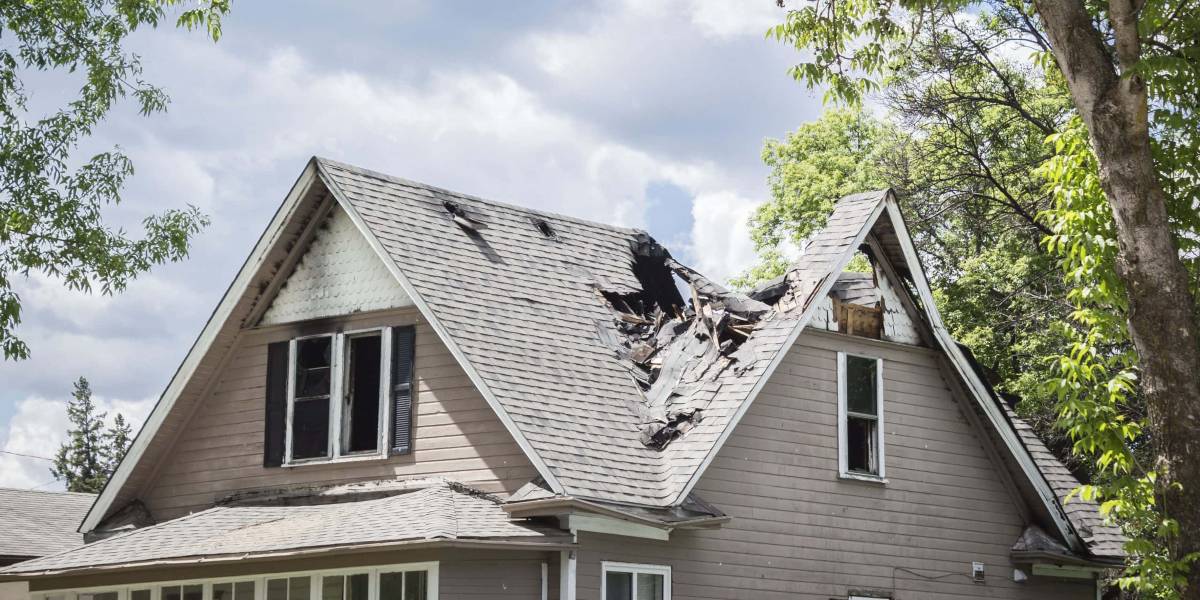
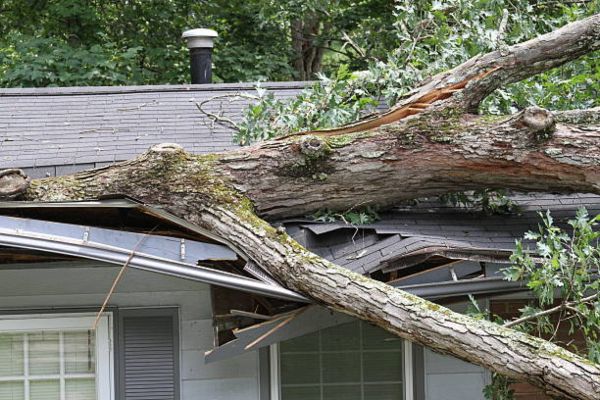
Storm damage cleanup covers more ground than most people expect. Depending on what the storm did to your home, the scope can include water removal from flooded basements, structural drying of walls and subfloors, mold prevention treatments, debris removal, emergency board-up of compromised windows or roof sections, and full coordination with your insurance adjuster throughout the process.
Basement flooding is one of the most common outcomes after a heavy storm in Greendale and Milwaukee County, and one of the most misunderstood. A flooded basement is not just a wet floor. Water that sits against a foundation wall can work its way into the wall assembly. Sump pump failures during power outages, which happen frequently during severe storms, can allow water to accumulate faster than most homeowners anticipate. In Milwaukee County, the combined sewer system creates a specific risk because intense rainfall events can overwhelm the system and push sewage back into basements. That is a different category of contamination than clean rainwater, and it requires a different level of remediation.
Floor damage after a storm is another area where the visible problem understates the real one. Hardwood floors that look warped or buckled show you the surface of a moisture problem that often runs deeper into the subfloor, floor joists, and insulation below. Acting quickly gives you the best chance of saving the flooring material itself. Waiting turns a salvage job into a replacement job.
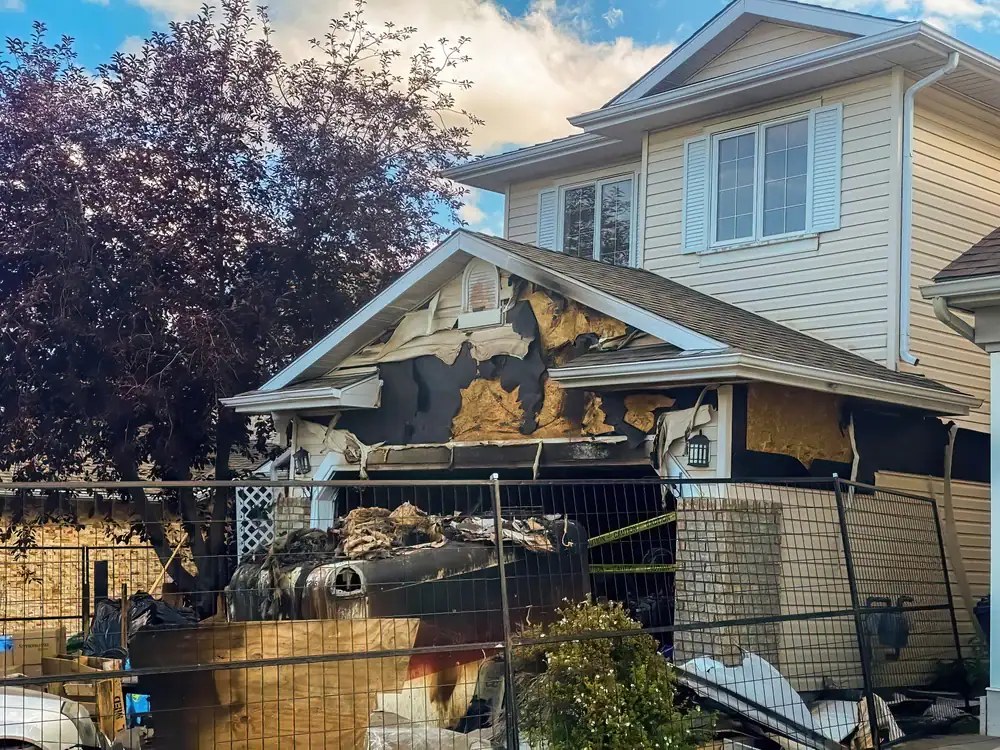
Fire damage can also follow storm events, particularly when lightning strikes or downed power lines cause electrical fires. In those cases, the restoration scope expands to include smoke and soot removal, structural repairs, and full rebuilding of affected areas, all of which we handle as part of our complete restoration services.
Throughout all of it, a dedicated project manager oversees your job from assessment to final walkthrough. That means one person who knows your situation, keeps you updated, and remains accountable to you from start to finish, rather than a rotating crew with no continuity.
How To Tell If A Restoration Company Is Worth Trusting
The restoration industry has a reputation problem, and it is earned. Storm events draw contractors who work fast, talk big, and sometimes disappear once they collect payment. Homeowners who are already stressed and time-pressured are exactly the kind of customers predatory companies target.
A few things separate a trustworthy restoration company from one you should walk away from. The first is transparency. A legitimate company will tell you what they found, show you where the moisture is, and explain what needs to happen and why before asking you to sign anything. If someone shows up and immediately describes catastrophic damage without walking you through what they see, that is a red flag worth paying attention to.
The second is a written, itemized estimate. Not a verbal quote or a ballpark figure, but a document breaking down what is being done, why each item is included, and what it costs. That protects you and holds the company accountable.
IICRC certification serves as the industry’s primary credential for restoration work. It means technicians have been trained to the documented standard of care that insurance companies recognize and courts use as the benchmark for whether restoration work was done correctly. We hold IICRC certification in water and mold remediation, and our technicians train to those standards on every job.
We are locally owned and based in Greendale. We are not a national franchise routing your call through a call center and dispatching whoever is available from the nearest affiliate. When you call us, you talk to a team that works in Greendale and Milwaukee County, understands the local housing stock, and has seen what Milwaukee’s weather does to homes in this area. That matters because the challenges a 1940s Greendale bungalow faces after a storm differ from what a newer suburban build faces, and we know the difference.
We also do not sell you work you do not need, which is the reason this company exists. The restoration industry’s reputation for inflated scopes and unnecessary work is exactly what we built our business to counter. We do what is needed, explain why, and document everything so you can see the work performed.
Storm Damage Cleanup In Greendale: The Faster You Move, The Better The Outcome
The first hour after storm damage is the most important one. Get safe, document what you see, call your insurer and a restoration company at the same time, and do not wait for things to dry on their own. The 24 to 48 hour mold window is real, and it does not pause while you figure things out.
Greendale and Milwaukee County have a documented history of significant storm and flood events, and Greendale sits in a part of the county that has seen some of the highest rainfall totals during those events. If your home has taken on water, the worst thing you can do is assume it will be fine with a little time.
If you are dealing with storm damage right now, or want to know what to do before the next storm season hits, reach out to Flood Guys Restoration. We will give you a straight answer, a free inspection, and a clear path forward with no pressure, no upsells, and honest help when you need it.