

Summary:
Your basement smells musty. Windows fog up even when it’s warm outside. The air feels heavy, and you’re wondering if that’s just summer in Wisconsin or if something’s actually wrong. Humidity doesn’t announce itself with alarms or flashing lights. It creeps in, settles into porous surfaces, and creates conditions where mold can thrive in as little as 24 hours. You’re here because you know that waiting until you see visible growth means you’ve already lost time and money. This guide gives you the numbers that matter, the strategies that work, and the clarity to know when you’re handling it and when you need help.
Understanding Wisconsin's Summer Humidity Challenges
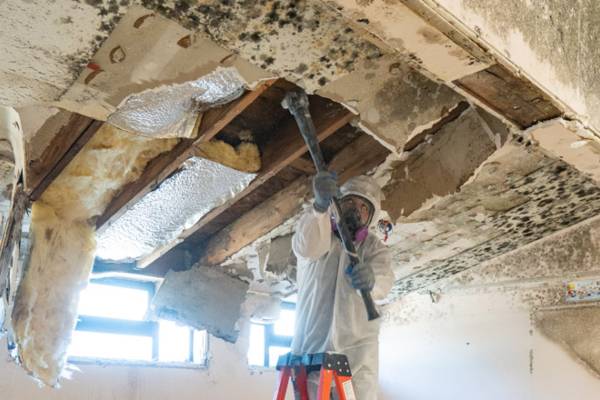
Milwaukee County sits in a humid continental climate zone where summer isn’t just hot—it’s wet. Average humidity hovers around 72% year-round, but June through August can push morning readings past 80%. That’s nearly double what health experts recommend for indoor spaces.
Lake Michigan amplifies the issue. The lake creates localized moisture pockets and temperature differentials that keep humidity elevated even when other parts of the Midwest start to dry out. Your home becomes a battleground between warm, moisture-laden outdoor air and the cooler surfaces inside—especially in basements and crawl spaces that sit below grade.
The problem isn’t the outdoor humidity you can’t control. It’s what happens when that moisture finds its way indoors and meets the right conditions. Mold spores are always present. They’re harmless until they land on a damp surface with enough moisture to grow. At 60% relative humidity or higher, you’ve crossed the threshold where mold, dust mites, and bacteria start to thrive.
What Are Safe Home Humidity Levels
The Environmental Protection Agency recommends keeping indoor relative humidity between 30% and 50%. That range isn’t arbitrary—it’s the sweet spot where your home stays comfortable, your health isn’t compromised, and mold struggles to gain a foothold.
Below 30%, you’ll deal with dry skin, irritated sinuses, and static electricity. Wood furniture and flooring can crack as moisture gets pulled from the material. Above 50%, especially during summer months, you’re inviting trouble. Mold can begin growing at 55%, but the real risk zone starts at 60%. At that level, given the right temperature and organic material, mold can establish colonies within 24 to 48 hours.
Wisconsin homes face a unique challenge in summer. Outdoor humidity regularly exceeds safe indoor levels, so your goal isn’t to match the outside—it’s to create a controlled environment inside. Air conditioning helps by cooling and removing some moisture, but it’s not designed to be your primary dehumidification system. You need a layered approach that includes monitoring, ventilation, and targeted moisture removal in problem areas.
Most homeowners don’t realize how much moisture daily activities generate. Cooking, showering, even breathing adds water vapor to your indoor air. A family of four can produce several gallons of moisture per day. In winter, that moisture escapes through ventilation and heating. In summer, when windows stay closed and air conditioning runs, that moisture has nowhere to go unless you actively remove it.
Basements present the biggest challenge. They’re cooler than the rest of your home, surrounded by soil that holds moisture, and often poorly ventilated. When warm, humid summer air enters a cool basement, condensation forms on surfaces. That’s why basements in Milwaukee County often feel damp even when there’s no active water leak. The moisture is coming from the air itself, condensing on cold concrete walls and floors.
Monitoring your humidity is straightforward. Inexpensive hygrometers—devices that measure relative humidity—are available at hardware stores for under $20. Place them in different areas of your home, particularly basements and bathrooms. Check readings during different times of day. If you’re consistently seeing numbers above 50%, especially in summer, you need to take action before visible problems develop.
How Milwaukee County Climate Affects Indoor Moisture
Milwaukee’s proximity to Lake Michigan creates microclimates that standard weather forecasts don’t always capture. The lake moderates temperatures but increases humidity, especially during summer months when water temperatures rise. Dewpoints—the temperature at which air becomes saturated and condensation forms—regularly climb into the 60s during July and August. That means any surface in your home cooler than the dewpoint will collect moisture.
Your basement is almost always cooler than the dewpoint during humid summer days. Concrete foundation walls stay cool because they’re in contact with soil that rarely warms above 55-60°F even in peak summer. When 80°F air with a dewpoint of 65°F enters your basement and contacts a 58°F wall, condensation is inevitable. It’s not a leak—it’s physics.
This explains why so many Milwaukee County basements develop that characteristic musty smell even without obvious water intrusion. The moisture is being pulled from the air itself. Over time, this condensation soaks into porous materials like drywall, wood framing, carpet, and stored items. Once these materials reach moisture content above 20%, mold growth becomes likely.
The challenge intensifies after summer storms. Wisconsin sees frequent thunderstorms from May through September, and each storm adds moisture to the air and soil around your foundation. Even if your basement’s doesn’t flood, the increased soil moisture can seep through foundation walls through a process called capillary action. Concrete isn’t waterproof—it’s porous. Without proper waterproofing and drainage, moisture migrates through foundation walls and evaporates into your basement air, raising humidity levels further.
Understanding these regional factors helps you make better decisions about humidity control. You’re not fighting a temporary problem that goes away in a few weeks. You’re managing a seasonal reality that requires consistent attention from June through September, and sometimes longer if fall stays warm and humid.
Basement Humidity Control Solutions
Basements demand different strategies than upper floors. They’re naturally prone to moisture accumulation, poorly ventilated, and filled with porous materials that absorb and hold water. Controlling basement humidity isn’t optional if you want to prevent mold growth and protect stored belongings.
The first step is measurement. Don’t guess—know your actual humidity levels. Place a hygrometer in your basement and check it daily for a week. If readings consistently exceed 50%, you need active dehumidification. If they’re approaching or exceeding 60%, you need it urgently.
Dehumidifiers work by pulling moisture from the air and either collecting it in a reservoir or draining it continuously. For basements, continuous drainage is essential. Emptying a reservoir daily or twice daily isn’t sustainable, and if the unit shuts off when the reservoir fills, humidity climbs right back up. Position your dehumidifier to drain into a floor drain, sump pump, or use a condensate pump to move water to an appropriate drainage point.
Where to Place Dehumidifiers for Best Results
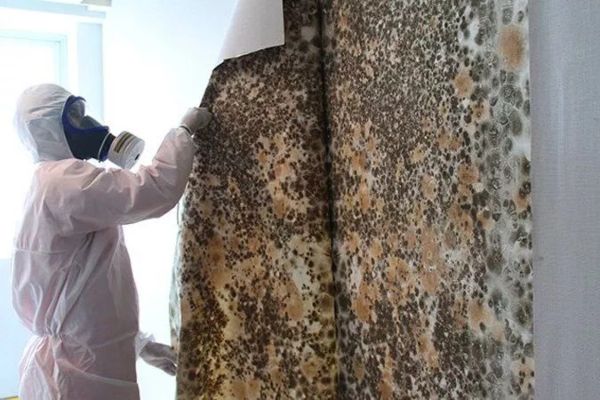
Placement determines effectiveness. A dehumidifier tucked in a corner behind boxes won’t circulate air properly and will short-cycle, running constantly without actually controlling humidity throughout the space. Central, open placement works best.
Position your dehumidifier in the largest open area of your basement, away from walls and obstructions. Air needs to flow freely around the unit. If your basement has multiple rooms or enclosed areas, you may need more than one unit or strategically placed fans to move air toward the dehumidifier. Closed doors block airflow—keep interior basement doors open during dehumidifier operation.
Pay attention to moisture sources. If one area of your basement is consistently damper—maybe near an exterior wall or where you’ve noticed condensation—position the dehumidifier within 6 to 10 feet of that area but not directly against the wall. You want to address the problem zone while still allowing the unit to process air from the entire space.
Set your dehumidifier to maintain 45-50% relative humidity during summer months. Going lower wastes energy and can over-dry the space. Most modern units have built-in humidistats that automatically cycle on and off to maintain your target level. Check the settings—some units default to 60%, which is too high for mold prevention.
Maintenance matters. Clean or replace filters monthly during heavy use. Dirty filters restrict airflow, reduce efficiency, and can cause the unit to freeze up. Check the drainage hose or pump regularly to ensure water is flowing freely. A clogged drain line means the unit shuts off and humidity climbs while you think you’re protected.
Size the unit appropriately. Dehumidifier capacity is measured in pints of moisture removed per 24 hours. A moderately damp 1,000-square-foot basement needs at least a 30-40 pint unit. A wet basement with visible moisture or frequent condensation needs 50-70 pints. Undersized units run constantly, wear out faster, and never achieve target humidity levels. Slightly oversizing is better—the unit reaches your target faster and cycles off, using less energy than a smaller unit running continuously.
Improving Basement Ventilation and Airflow
Dehumidifiers remove moisture, but ventilation and airflow prevent it from accumulating in the first place. Stagnant air allows moisture to settle and concentrate in corners, behind stored items, and in enclosed spaces. Movement is your ally.
Open windows strategically, but not during humid conditions. This seems counterintuitive, but opening basement windows on a humid summer day brings more moisture in than it removes. Only ventilate when outdoor humidity is lower than indoor levels—typically early morning or after a cold front passes through. Otherwise, you’re working against yourself.
Use fans to circulate air even when you can’t ventilate to the outside. A simple box fan or oscillating fan keeps air moving, prevents dead zones where moisture accumulates, and helps your dehumidifier work more efficiently. Position fans to move air from damp corners toward the dehumidifier.
Address storage practices. Boxes and belongings pushed against exterior walls block airflow and trap moisture against cool surfaces where condensation forms. Pull stored items at least 6 inches away from walls. Use shelving instead of storing items directly on concrete floors. Elevating belongings allows air to circulate underneath and prevents moisture wicking from the floor into cardboard boxes and fabrics.
Check for and seal air leaks between your basement and outdoors, but maintain intentional ventilation paths. Uncontrolled air leakage around windows, doors, and rim joists brings in humid outdoor air. Seal these leaks with weatherstripping or caulk. However, don’t seal your basement so tightly that air can’t circulate. You need controlled ventilation—exhaust fans, properly sized dehumidifiers, and strategic window opening when conditions allow.
If your basement has a bathroom or laundry area, install and use exhaust fans vented to the exterior. Showers and washing machines generate significant moisture. An exhaust fan removes that moisture before it spreads throughout the basement. Run bathroom fans for 20-30 minutes after showering. For laundry, ensure your dryer vents to the outside, not into the basement. A dryer venting indoors adds gallons of moisture to your basement air with every load.
HVAC Systems and Home Humidity Levels
Your heating and cooling system plays a larger role in humidity control than most homeowners realize. Air conditioning doesn’t just cool air—it removes moisture as a natural part of the cooling process. But that dehumidification is a side effect, not the primary function, and it’s only effective when the system is properly maintained and sized correctly.
When your AC runs, warm indoor air passes over cold evaporator coils. Moisture in the air condenses on these coils and drains away, similar to how a cold glass of water “sweats” on a humid day. The cooled, drier air then circulates back through your home. But if your system isn’t maintained, if coils are dirty, or if airflow is restricted by clogged filters, this process becomes inefficient.
Regular HVAC maintenance directly impacts humidity control. Dirty coils can’t transfer heat effectively, reducing both cooling capacity and moisture removal. Clogged air filters restrict airflow, causing the system to run longer cycles that cool the air too much without adequately removing moisture. The result is a cold, clammy house with humidity levels still in problem territory.