Summary:
You found something dark growing in the corner of your basement. Or you smell that musty, stale odor every time you walk into a certain room. Maybe a recent leak has you wondering what’s happening behind the drywall.
Whatever brought you here, you’re asking the right questions. Black mold inspection is how you move from suspicion to certainty—and from worry to action. A proper inspection doesn’t just confirm mold is present. It tells you how much, where it’s hiding, what type it is, and most importantly, what to do about it. You’ll walk away knowing whether this is something you can tackle on your own or if it requires professional containment and removal. That clarity matters, especially when your family’s health and your home’s integrity are on the line.
What Professional Black Mold Inspection Actually Involves
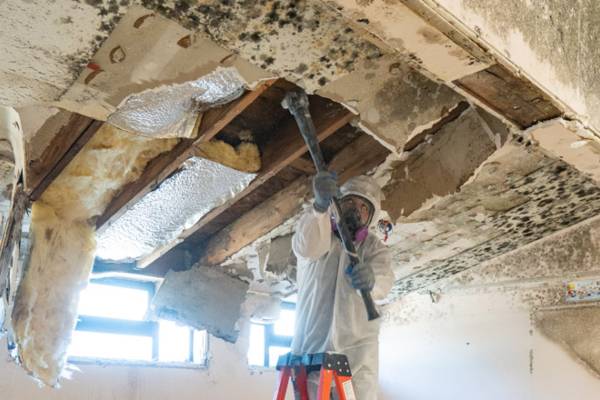
A real black mold inspection goes well beyond someone showing up, looking around, and telling you there’s a problem. Professional inspectors use specialized tools and protocols that homeowners simply don’t have access to—and that’s intentional.
The process typically starts with a visual examination using infrared cameras and moisture meters to detect temperature variations and dampness you can’t see or feel. Inspectors check attics, crawl spaces, behind walls, inside HVAC systems, and other areas where mold thrives unnoticed. In Milwaukee County, that often means focusing on basements prone to spring flooding and exterior walls near Lake Michigan where humidity stays elevated year-round.
Air quality testing captures airborne mold spores throughout your home, even in rooms that look perfectly clean. Surface samples are collected from suspected contamination areas and sent to independent laboratories for analysis. These labs identify specific mold types and concentration levels, which helps determine health risks and remediation requirements. The whole process usually takes a few hours onsite, with lab results arriving within a few days.
Why Air Quality Testing Matters More Than You Think
Here’s what most people don’t realize: the mold you can see is rarely the whole story. Mold reproduces through microscopic spores that float through the air and settle on surfaces throughout your home. You can scrub every visible spot and still have elevated spore counts circulating through your ventilation system.
Air quality testing measures those airborne spore concentrations in different rooms and compares them to outdoor control samples. This comparison matters because mold exists everywhere—outdoors, indoors, in every building. The question isn’t whether mold spores are present. It’s whether the levels inside your home are abnormally high compared to what’s normal for your area.
High indoor spore counts often indicate hidden growth somewhere in the building. Maybe it’s in ductwork. Maybe it’s behind a bathroom wall where a slow leak has gone unnoticed for months. Air testing gives inspectors clues about where to look, even when nothing is visible. It also establishes a baseline for comparison after remediation is complete, confirming that spore levels have returned to normal ranges.
In Milwaukee’s humid climate, homes near rivers or the lake can have naturally higher ambient moisture, which means spores distribute more easily through building materials. Air testing helps distinguish between normal environmental mold and an active infestation that requires intervention. Without it, you’re guessing. With it, you have data that guides decisions.
Hidden Mold Detection Homeowners Can't Perform Safely
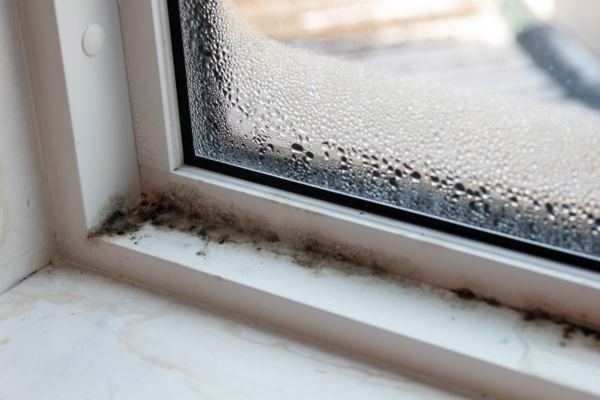
Black mold doesn’t announce itself. It grows in dark, damp places where you’re not looking—and often where you can’t look without tearing into walls or crawling into tight spaces that could expose you to high concentrations of spores.
Professional inspectors use thermal imaging cameras to detect temperature differences that indicate moisture trapped inside walls, ceilings, or floors. Cold spots often reveal where water is pooling or where insulation has gotten wet and stayed wet. Moisture meters measure the water content in building materials without damaging them, identifying problem areas that feel dry to the touch but are actually saturated beneath the surface.
Milwaukee homes face specific challenges that make hidden mold common. Ice dams form during winter when heat escapes through poorly sealed attics, melting roof snow that refreezes at the eaves and forces water under shingles and into wall cavities. Freeze-thaw cycles crack foundation masonry, creating pathways for groundwater to seep into basements each spring. Finished basements over aging foundations can hide mold for years because the growth happens behind drywall or paneling where you never see it until the problem is extensive.
Trying to find hidden mold on your own means either missing it entirely or disturbing contaminated materials without proper containment, which spreads spores into previously clean areas. Inspectors know how to access these spaces safely, using protective equipment and containment barriers that prevent cross-contamination. They also know what to look for—the subtle discoloration, the moisture patterns, the ventilation issues that create perfect conditions for mold growth. That expertise protects you from exposure while gathering the information needed to develop an effective remediation plan.
Black Mold Treatment: When DIY Works and When It Doesn't
Not every mold situation requires professional intervention. Small surface patches on non-porous materials like tile, glass, or metal can often be cleaned safely with household products. The EPA guideline is simple: if the affected area is less than 10 square feet and the mold is on a hard, non-porous surface, DIY cleaning is usually appropriate.
But here’s where honesty matters. Most mold problems in homes aren’t small surface patches. They’re larger areas on porous materials like drywall, carpet, or wood. They’re recurring spots that keep coming back no matter how many times you scrub them. They’re situations where you can smell mold but can’t find the source. Those scenarios require professional black mold treatment because the risks of incomplete removal, spore spread, and health exposure outweigh any cost savings from doing it yourself.
Professional treatment involves containment barriers to isolate contaminated areas, HEPA filtration to capture airborne spores, specialized cleaning agents that kill mold at the root, and proper disposal of materials that can’t be salvaged. It also includes identifying and fixing the moisture source—because if you don’t address why the mold grew in the first place, it will come back.
Getting Rid of Black Mold Safely Without Spreading Spores
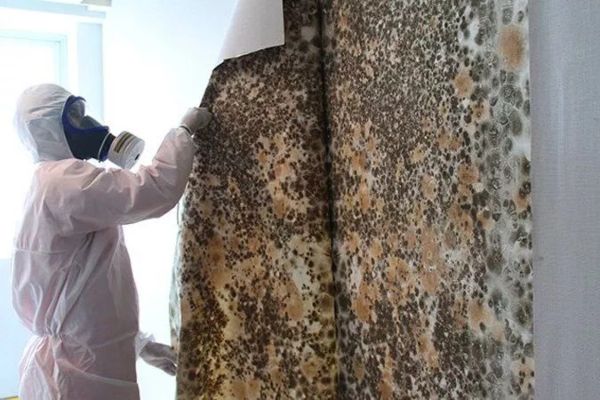
The biggest mistake people make when getting rid of black mold on their own is disturbing it without containment. Scrubbing or wiping mold releases thousands of spores into the air. Those spores land on furniture, clothing, and other surfaces, spreading contamination to areas that were previously clean. In homes with forced-air heating or cooling, spores get pulled into ductwork and distributed throughout the entire house.
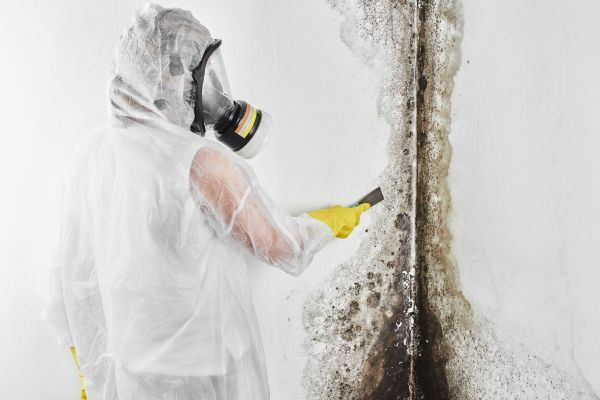
Safe mold removal requires containment first. Professional remediators seal off the work area with plastic sheeting and create negative air pressure using specialized fans and HEPA filters. This setup ensures that any spores released during removal are captured and filtered rather than escaping into other rooms. Workers wear protective suits, gloves, goggles, and N95 or better respirators to avoid inhaling spores or getting them on skin.
Contaminated materials are removed carefully and double-bagged before disposal. Porous materials like drywall, insulation, and carpet typically can’t be cleaned effectively—they have to be removed and replaced. Non-porous surfaces are cleaned with antimicrobial solutions and HEPA-vacuumed to remove residual spores. The entire process is methodical and controlled, minimizing exposure risks for both workers and occupants.
After removal, the area is dried thoroughly using industrial dehumidifiers and air movers. Moisture is the enemy. If materials aren’t completely dry, mold will return. This is especially critical in Milwaukee County, where humidity from Lake Michigan can keep indoor moisture levels elevated even after visible water is gone. Professional equipment monitors humidity levels continuously until they’re back to safe ranges—typically between 30 and 50 percent.
Post-remediation verification testing confirms that spore levels have returned to normal. Air samples are collected and analyzed to ensure the work was successful. This step provides peace of mind that the problem is actually resolved, not just hidden or temporarily suppressed.
Understanding Black Mold Health Risks and When to Act Fast
Black mold—specifically Stachybotrys chartarum—has a reputation that’s partly deserved and partly media hype. Yes, it can produce mycotoxins under certain conditions. Yes, it can cause health problems. But the “toxic mold syndrome” stories you’ve heard are often exaggerated. Most health effects from mold exposure are allergic reactions and respiratory irritation, not severe poisoning.
That said, those allergic reactions and respiratory symptoms are real and can be serious, especially for vulnerable people. Common symptoms include sneezing, coughing, nasal congestion, eye irritation, skin rashes, and worsened asthma. People with existing allergies, asthma, or weakened immune systems face higher risks. Young children and elderly individuals are also more susceptible to mold-related health issues.
The key question isn’t whether your mold is the “toxic” kind. It’s whether you have mold growing indoors at levels that are causing or could cause health problems. Any indoor mold growth is a sign that moisture is present where it shouldn’t be, and that moisture problem needs to be fixed regardless of which specific mold species you’re dealing with.
You should act fast if you notice symptoms that improve when you leave the building and return when you come back. That pattern suggests environmental triggers, and mold is a common culprit. You should also act fast if you’ve had recent water damage—flooding, leaks, burst pipes—because mold can begin growing within 24 to 48 hours of water exposure. The longer you wait, the more extensive the growth becomes and the more difficult and expensive remediation will be.
In Milwaukee, spring thaw flooding and winter ice dams create predictable mold risks. If you’ve experienced either, inspection should happen quickly, even if you don’t see visible mold yet. Finding and addressing hidden growth early prevents it from becoming a major remediation project later.
Making the Right Call on Black Mold Inspection and Treatment
Black mold inspection gives you what you need most when you’re dealing with potential contamination: clarity. You learn the scope of the problem, the health risks involved, and whether you can handle it yourself or need professional help. That information protects your family and prevents small issues from becoming expensive disasters.
Professional treatment makes sense when the affected area is large, when mold is on porous materials, when it’s hidden behind walls or in HVAC systems, or when it keeps coming back despite your best efforts. DIY works for small surface patches on hard materials—but only if you’re honest about the scope and willing to take proper safety precautions.
The most important part of any mold situation isn’t the removal. It’s fixing the moisture source. Without that, you’re just cleaning up a symptom while the cause continues creating new growth. Whether you’re in Milwaukee County dealing with basement flooding or attic condensation, or anywhere else facing mold concerns, addressing moisture is what makes the solution permanent.
If you’re facing a mold situation and need honest guidance on what comes next, we’re here to help. We’ll assess the situation, explain your options clearly, and do what’s actually needed—nothing more, nothing less.