Summary:
You had the mold removed. The walls were cleaned, the damaged materials replaced, everything looked good. Then three months later, you’re staring at new growth in the same spot. Sound familiar? Most mold problems aren’t solved by removal alone—they come back because the conditions that caused them never changed. Real mold control isn’t about scrubbing surfaces. It’s about managing moisture, maintaining systems, and addressing the specific challenges that come with owning a home in Milwaukee County. Here’s what actually prevents mold from returning.
Understanding Why Mold Control Fails
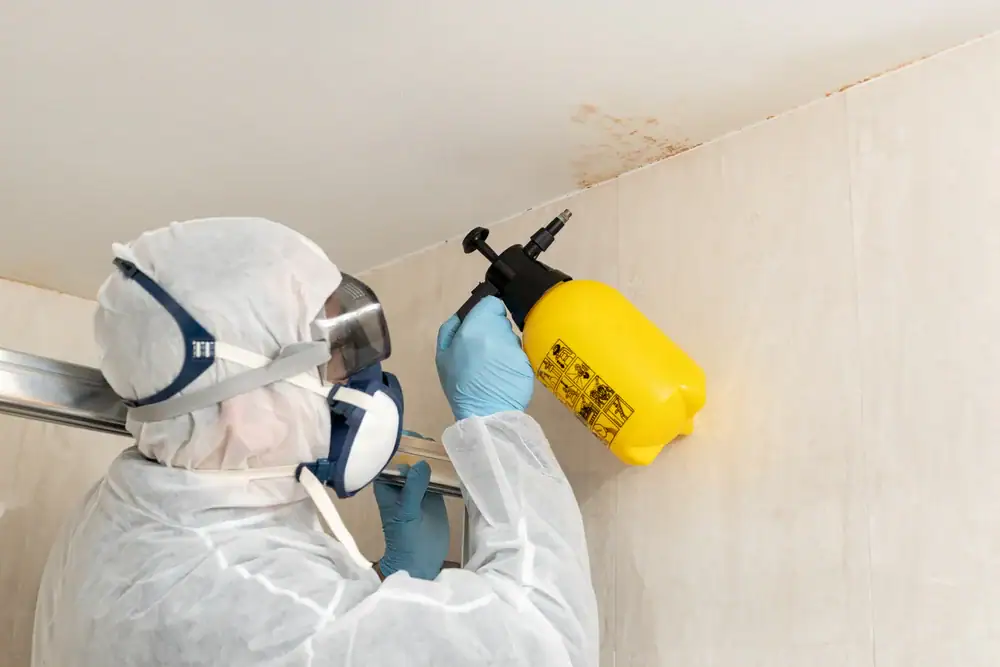
The mold you see is just a symptom. The actual problem is moisture—and if that doesn’t get fixed, you’re just buying time until the next outbreak. Mold needs three things to grow: moisture, a food source like drywall or wood, and time. You can’t eliminate the building materials in your walls, but you can control the moisture. That’s where most mold removal jobs fall short.
A crew comes in, removes the visible growth, treats the area, and leaves. But if the humidity in your basement is still sitting at 70%, or if that slow roof leak is still dripping water into your attic, the mold will be back. It’s not a question of if—it’s when. Effective mold control means identifying every source of moisture in your home and putting systems in place to manage it year-round.
How Milwaukee's Climate Creates Mold Problems
Milwaukee’s weather doesn’t do homeowners any favors when it comes to mold prevention. Winters here are cold and long, which means tightly sealed homes trapping moisture from daily activities—cooking, showering, even breathing. That moisture has nowhere to go, and it condenses on cold surfaces, creating perfect conditions for mold to take hold in places you can’t see.
Then there are ice dams. When heat escapes through a poorly sealed attic, it melts snow on your roof. That water refreezes at the eaves and forces its way under shingles, dripping into wall cavities where it feeds hidden mold colonies. By the time you notice water stains on your ceiling, the mold has been growing for weeks or months.
Spring brings its own problems. When temperatures rise, all that snow melts fast. The ground around your foundation becomes saturated, and hydrostatic pressure forces water through cracks in your basement walls and floor joints. This is the leading cause of basement mold in Milwaukee, and it happens every year to homes that aren’t properly waterproofed.
Summer humidity is the third challenge. Even if you don’t have active leaks, Milwaukee’s humid air creates condensation in basements and crawl spaces where cool surfaces meet warm, moist air. If your dehumidification system isn’t keeping up, you’re giving mold everything it needs to spread. This is why mold prevention in Milwaukee requires year-round attention—not just a one-time fix.
What Happens When You Only Remove Mold
Mold removal is necessary, but it’s not sufficient. Cleaning the visible growth stops the immediate problem, but it doesn’t change the environment that allowed the mold to grow in the first place. Think of it like bailing water out of a boat without plugging the hole—you’re treating the symptom, not the cause.
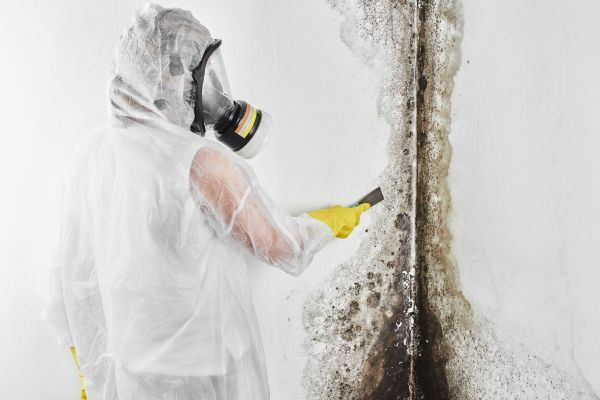
Professional mold remediation involves containment, removal of affected materials, HEPA filtration to capture airborne spores, and antimicrobial treatments to kill remaining mold. All of that matters. But if the relative humidity in your basement is still above 60%, or if condensation is still forming on your cold water pipes, or if that bathroom exhaust fan is still venting into your attic instead of outside, the conditions for mold growth haven’t changed.
This is where many restoration companies stop. They handle the removal, collect payment, and move on to the next job. You’re left with a clean surface and no plan for keeping it that way. Within months, the mold returns—sometimes in the same spot, sometimes in a new area that was always vulnerable but just hadn’t been colonized yet.
Effective mold control requires a different approach. It means looking at your home as a system—identifying every source of moisture, every area with poor ventilation, every structural issue that allows water intrusion. Then it means putting solutions in place to address those problems permanently. That’s the difference between removal and control.
Mold Solutions That Address the Root Cause
Real mold control starts with moisture management. Every effective strategy comes back to this: if you can keep indoor humidity below 50% and prevent water intrusion, mold can’t establish itself. That requires multiple systems working together, not a single fix.
Dehumidification is the foundation. In Milwaukee’s climate, portable dehumidifiers aren’t enough—you need a whole-home system integrated with your HVAC that can maintain consistent humidity levels throughout your property. These systems remove moisture from the air before it’s circulated through your home, preventing humidity from reaching levels where mold can grow. They’re especially critical in basements and crawl spaces where humidity naturally accumulates.
HVAC maintenance plays a bigger role than most homeowners realize. Your heating and cooling system doesn’t just control temperature—it manages air circulation and moisture removal. When filters are clogged, drain pans are full, or coils are dirty, your HVAC system can actually spread moisture instead of removing it. Regular maintenance ensures your system is working with you, not against you, in the fight against mold.
Home Mold Removal vs. Long-Term Prevention
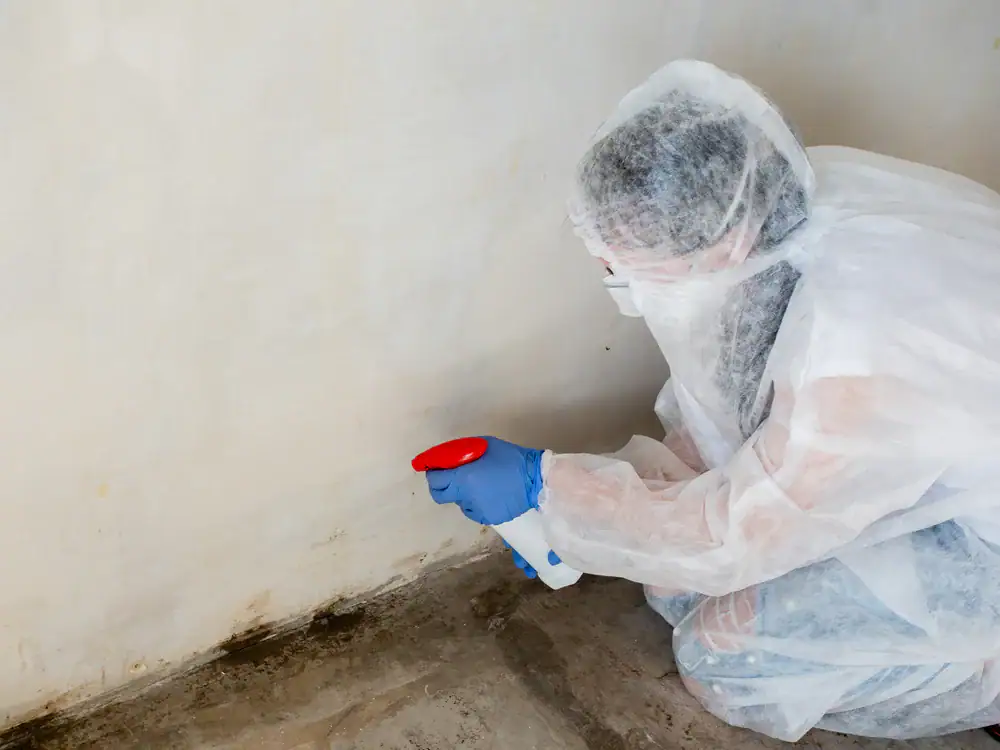
There’s a fundamental difference between removing mold and preventing it from returning. Removal is reactive—you’re responding to growth that’s already happened. Prevention is proactive—you’re changing the conditions that allow growth in the first place. Both are necessary, but prevention is what keeps you from repeating the cycle.
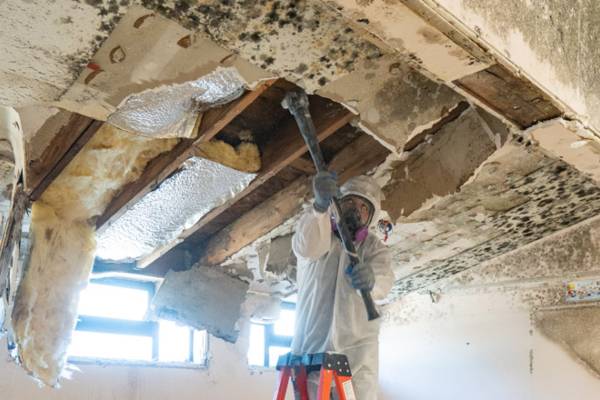
Home mold removal involves physical elimination of existing colonies. That means removing contaminated materials like drywall and insulation, cleaning non-porous surfaces with antimicrobial solutions, and using HEPA filtration to capture spores that become airborne during the process. This work is essential when mold is present, but it’s only the first step.
Long-term prevention requires addressing every moisture source in your home. That includes fixing plumbing leaks within 24-48 hours before mold can establish itself. It means ensuring your gutters drain properly and water flows away from your foundation, not toward it. It includes sealing air leaks around windows and doors that let humid outdoor air into your home.
Ventilation is another critical piece. Bathrooms and kitchens generate enormous amounts of moisture through showers and cooking. If that moisture isn’t vented outside, it settles on walls, ceilings, and in hidden spaces where mold thrives. Exhaust fans should run during activities and for 20 minutes after, and they should vent directly outside—not into your attic where the moisture just relocates to a different problem area.
Structural modifications may be necessary in some homes. If your basement floods every spring, waterproofing the foundation and installing a proper sump pump system prevents water intrusion at the source. If ice dams are forcing water into your attic, improving insulation and air sealing stops heat loss that melts snow on your roof. These aren’t quick fixes, but they’re permanent solutions that eliminate recurring problems.
Creating a Seasonal Mold Prevention Schedule
Mold prevention in Wisconsin isn’t a one-time project—it’s an ongoing process that changes with the seasons. Each time of year brings different challenges, and your prevention strategy needs to adapt accordingly.
Fall is your preparation window. Before winter arrives, inspect your attic insulation and air sealing. Make sure your roof is in good condition with no missing shingles or damaged flashing that could allow ice dam formation. Clean your gutters and downspouts so snowmelt can drain properly in spring. Check your sump pump to ensure it’s working before you need it. These preventive steps in fall save you from emergency repairs in winter and spring.
Winter requires vigilance about indoor humidity. With your home sealed tight against the cold, moisture from daily activities has nowhere to go. Run your whole-home dehumidifier consistently, even when it doesn’t feel humid inside. Watch for condensation on windows—that’s a sign your humidity levels are too high. If you see ice dams forming on your roof, address them immediately before water finds its way into your walls.
Spring is when Milwaukee homeowners discover problems that developed over winter. As temperatures rise, check your basement for water intrusion from snowmelt. Inspect areas where you had ice dams for water damage and hidden mold. This is also the time to schedule HVAC maintenance before cooling season begins, ensuring your system is ready to manage summer humidity.
Summer brings its own moisture challenges. Milwaukee’s humid air creates condensation in cool basements and crawl spaces. Your dehumidification system works hardest during these months, and it needs to keep indoor humidity between 30-50% to prevent mold growth. Monitor humidity levels with a hygrometer and adjust your systems as needed. Keep an eye on areas prone to condensation, like cold water pipes and AC ducts.
This seasonal approach to mold control means you’re always one step ahead of problems instead of reacting to them after they’ve developed. It’s the difference between maintaining a mold-free home and constantly fighting recurring growth.
Building a Long-Term Mold Control Strategy
Effective mold control isn’t about one dramatic intervention—it’s about consistent systems that manage moisture year-round. It’s about understanding that Milwaukee’s climate creates unique challenges and addressing them with solutions designed for this environment. It’s about recognizing that prevention costs less than repeated remediation, both in money and in stress.
The homes that stay mold-free aren’t lucky—they’re maintained. They have dehumidification systems that run consistently, HVAC equipment that’s serviced regularly, and homeowners who address water problems within days, not months. They have proper ventilation in bathrooms and kitchens, waterproofed basements, and attics that don’t develop ice dams.
If you’re dealing with recurring mold or want to prevent it from developing in the first place, we can help you build that system. We look at your home’s specific vulnerabilities, identify every moisture source, and create a prevention plan that works for Milwaukee’s climate. Because real mold control isn’t about what we remove—it’s about what we prevent.