Summary:
You’re standing in your basement at 2 AM, watching water spread across the floor from a burst pipe. Or you’ve just discovered a ceiling stain that wasn’t there yesterday. The question hits immediately: can this wait until morning?
Here’s the truth most Milwaukee County homeowners learn the hard way—water damage operates on its own timeline, and it’s not friendly to your schedule. What starts as a manageable leak can become a mold problem, a structural issue, and a financial nightmare faster than you’d think.
This isn’t about scare tactics. It’s about understanding why leak restoration services work best when they work fast, and what actually happens to your home in those first critical hours after water shows up where it shouldn’t be.
24 Hour Water Damage Response: What Happens in the First 48 Hours
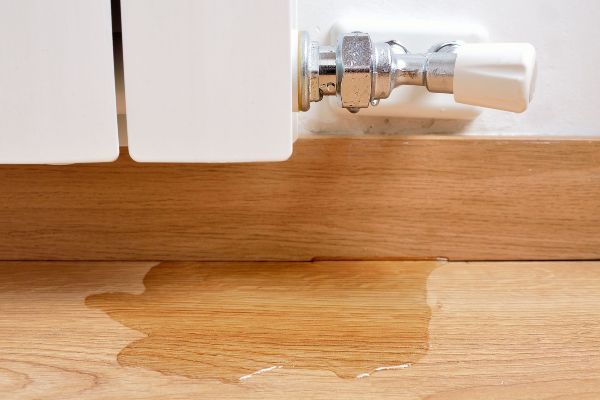
Water doesn’t just sit there. It moves. It spreads. It soaks into porous materials like drywall, wood, insulation, and carpet within minutes of contact.
During the first 24 hours, materials begin swelling and warping. Drywall starts to break down. Wood furniture absorbs moisture. What looks like surface water is actually seeping into hidden spaces behind walls, under flooring, and inside cabinets.
Between 24 and 48 hours, something more serious begins. Mold spores—which are always present in the air—detect the moisture and start activating. According to the EPA and IICRC standards, mold can begin growing within this window. Once it starts, it spreads quickly through your home, creating health risks and requiring expensive remediation that goes far beyond basic leak restoration services.
Emergency Water Damage Restoration Company Response: The First Four Hours Matter Most
Industry standards put emergency response time between one and four hours for water damage restoration. That’s not arbitrary. Research shows that responding within the first 24 to 48 hours can limit overall damage by up to 70%.
When we arrive quickly, we’re not just removing visible water. We’re stopping the damage progression before it reaches the expensive stages. Immediate water extraction prevents moisture from traveling deeper into building materials. Industrial dehumidifiers start pulling humidity from the air before mold spores can colonize. Moisture meters and thermal imaging cameras identify hidden water pockets that household fans would never touch.
Milwaukee County homeowners know this reality well. After the August 2025 storms that generated over 1,100 basement backup reports across the Milwaukee area, the families who called for emergency leak restoration services immediately faced dramatically different outcomes than those who waited. The difference wasn’t just in repair costs—it was in whether they needed basic drying or full mold remediation and structural repairs.
Fast response also protects your belongings. Furniture, electronics, documents, and sentimental items have a much better chance of survival when water extraction happens within hours, not days. Once materials stay saturated beyond that initial window, salvage rates drop significantly.
The clock matters because water damage compounds. What starts as clean water from a supply line becomes contaminated as it sits, picking up bacteria and creating increasingly unhealthy conditions. Category 1 damage (clean water) can degrade to Category 2 or 3 (contaminated or black water) over time, especially in warmer temperatures. That changes everything about the cleanup process and the cost.
How Professional Leak Restoration Services Stop Secondary Damage
Secondary damage is what happens after the initial water intrusion—and it’s often more destructive and expensive than the original leak. This is where homeowners who delay calling professionals end up paying the price.
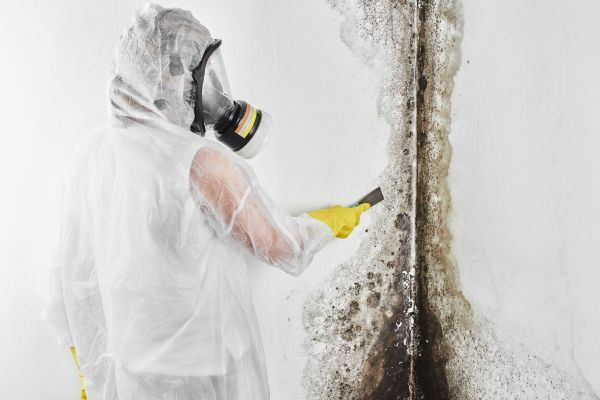
Mold growth is the most common secondary problem. Within 24 to 48 hours of water exposure, mold spores germinate on damp surfaces. By 48 to 72 hours, visible colonies start forming and releasing more spores into your air. At that point, you’re not just dealing with water damage anymore—you’re looking at mold remediation that can cost $1,500 to $15,000 or more, depending on the extent.
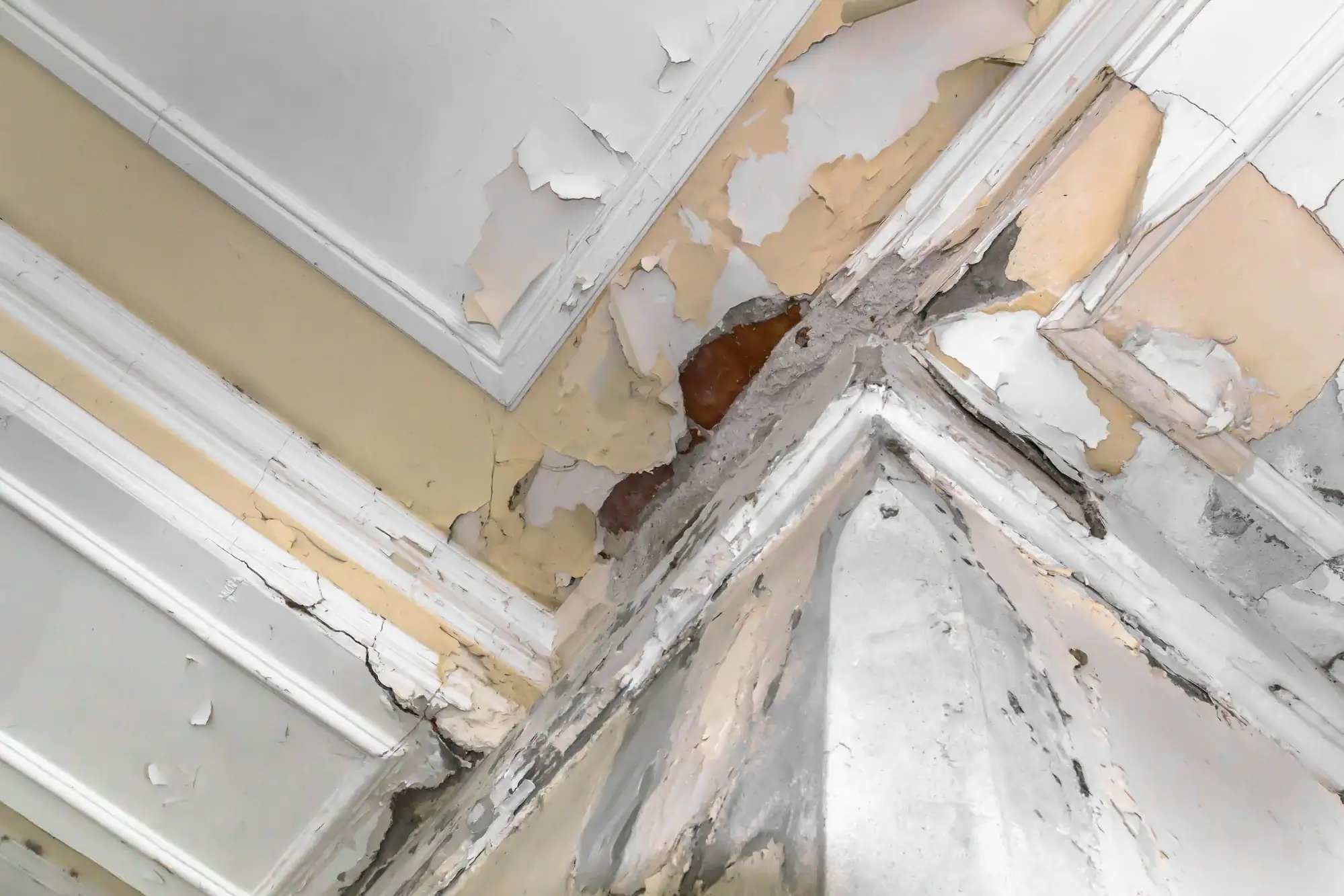
Structural damage follows close behind. Wood framing absorbs water and begins to warp and weaken. Drywall deteriorates and loses its structural integrity. Flooring buckles. Insulation becomes saturated and ineffective. What could have been saved with immediate drying often needs complete replacement after prolonged exposure.
Professional leak restoration services prevent this cascade by addressing moisture at every level. Industrial-grade equipment doesn’t just dry surfaces—it removes moisture from inside wall cavities, beneath subflooring, and within dense materials. We use moisture meters to track drying progress in real time, ensuring that hidden pockets of dampness don’t get left behind to cause problems weeks later.
The process also includes antimicrobial treatments that prevent bacterial growth and odor development. Water that’s been sitting—especially if it’s come into contact with sewage, soil, or organic materials—creates breeding grounds for harmful microorganisms. Professional sanitization addresses these health risks before they become serious.
Milwaukee’s climate adds another layer of urgency. The area’s humid summers create perfect conditions for accelerated mold growth. What might take three days to develop in a drier climate can happen in 24 hours here. We understand this reality and adjust our response protocols accordingly.
Insurance companies also recognize the importance of immediate action. Many policies require homeowners to mitigate damage promptly. Waiting too long can jeopardize your claim, leaving you responsible for costs that could have been covered. We document everything—moisture readings, equipment placement, daily progress—creating the paper trail insurers need to process claims efficiently.
What to Expect When You Call for Emergency Leak Restoration Services
Understanding the process removes some of the stress from an already overwhelming situation. When you call us for leak restoration services, here’s what typically happens.
The initial response begins with a phone assessment. You’ll describe what’s happening, and we’ll ask specific questions about the water source, how long it’s been present, and what areas are affected. This helps us arrive prepared with the right equipment.
We aim to be on-site within one to four hours for emergency calls, often targeting even quicker arrival times. When we get there, the first priority is assessment—identifying the water source, stopping it if possible, and evaluating the extent of damage using moisture detection tools.
24 Hour Water Removal: The Equipment and Process Behind Professional Drying
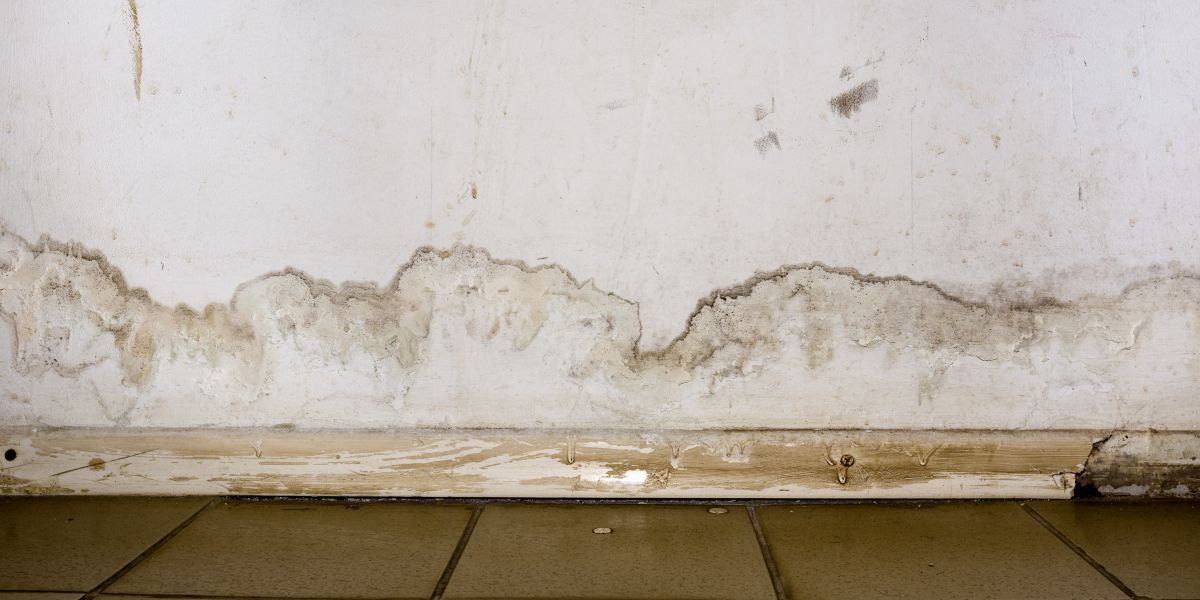
Water removal isn’t as simple as mopping up what you can see. Professional 24 hour water removal involves multiple stages and specialized equipment that most homeowners don’t have access to.
Extraction comes first. Industrial-grade pumps and wet vacuums remove standing water quickly—sometimes hundreds of gallons within the first hour. This immediate removal stops water from spreading further and reduces the moisture load that drying equipment needs to handle.
Next comes the drying phase, which typically takes three to five days depending on the extent of saturation. High-powered air movers create airflow across wet surfaces, accelerating evaporation. Commercial dehumidifiers pull moisture from the air, preventing it from being reabsorbed by other materials. This equipment runs continuously, with our technicians returning daily to monitor progress and adjust placement as needed.
Moisture monitoring is critical during this phase. We use non-invasive moisture meters to track water content in walls, floors, and ceilings without cutting into them. Thermal imaging cameras reveal temperature differences that indicate hidden moisture. These tools ensure that drying is complete, not just superficial.
The goal is to return materials to their normal moisture levels—typically 12-15% for wood, lower for drywall and concrete. Stopping too early leaves trapped moisture that will cause problems later. We follow IICRC S500 standards, which provide specific guidelines for proper drying based on material type and saturation level.
Throughout this process, proper documentation happens continuously. Photos, moisture readings, equipment logs, and daily progress notes create a comprehensive record. This matters for insurance claims, but it also gives you transparency into what’s being done and why. We assign a dedicated project manager to oversee each job, making this phase significantly less stressful for homeowners dealing with an already difficult situation.
Choosing a Leak Restoration Company in Milwaukee County: What Actually Matters
When water is actively damaging your home, you don’t have time for extensive research. But a few key factors separate companies that will genuinely help from those that might create more problems than they solve.
Response time sits at the top of the list. A company that can’t get to you within a few hours—especially during an emergency—isn’t set up for the reality of 24 hour water damage situations. Ask about their average response time and whether they have crews available 24/7, not just an answering service that takes messages.
Certification and training matter because water restoration is more complex than it looks. IICRC certification indicates that technicians have been trained in industry standards for water damage restoration. It’s not a guarantee of quality, but it’s a baseline that separates professionals from companies just trying to make a quick buck.
Equipment tells you a lot about capability. Companies that own industrial dehumidifiers, air movers, moisture detection tools, and extraction equipment can handle jobs properly. Those that rent equipment or use consumer-grade tools often can’t achieve the thorough drying needed to prevent mold and secondary damage.
Transparency in pricing and scope protects you from one of the biggest homeowner fears—being taken advantage of during a crisis. Reputable companies provide clear explanations of what needs to be done and why. They work with your insurance company rather than inflating scopes to maximize their payout. They don’t push unnecessary demolition or replacement when drying and cleaning would work.
Local knowledge makes a difference in Milwaukee County, where basement flooding, sump pump failures, and storm-related water damage are recurring challenges. Companies familiar with the area understand local infrastructure issues, common problem spots in Milwaukee homes, and how the climate affects drying timelines. After the repeated flooding events Milwaukee has experienced—including the August 2025 storms and more recent April 2026 rainfall—local expertise in handling basement water intrusion has become even more valuable.
Project management and communication separate good experiences from frustrating ones. You should have a single point of contact who keeps you informed about what’s happening, what comes next, and any changes to the timeline or scope. Being left in the dark during an already stressful situation compounds the anxiety.
Insurance assistance can save you significant time and hassle. Companies experienced in working with insurance providers help with documentation, communicate directly with adjusters, and understand what’s needed to support your claim. This doesn’t mean they inflate costs—it means they know how to present the work in a way that insurance companies accept.
Fast Response to Water Damage Protects More Than Your Home
The difference between calling for leak restoration services immediately and waiting until morning—or worse, until you “see how bad it gets”—can literally be thousands of dollars and weeks of disruption. Water damage follows a predictable timeline, and the science is clear: mold begins within 24 to 48 hours, structural damage compounds daily, and costs escalate exponentially with delay.
Milwaukee County homeowners have learned this lesson repeatedly through basement floods, burst pipes, and storm damage. The families who act fast, who call professionals equipped to respond immediately, consistently face better outcomes. Not just in repair costs, but in stress levels, displacement time, and long-term home health.
If you’re dealing with water where it shouldn’t be—whether it’s a visible flood or a suspicious stain—the clock is already running. We provide 24/7 emergency response throughout Milwaukee County because water damage doesn’t respect business hours. Fast response, transparent service, and genuine commitment to doing what’s needed—not what’s most profitable—make the difference when your home is on the line.