Summary:
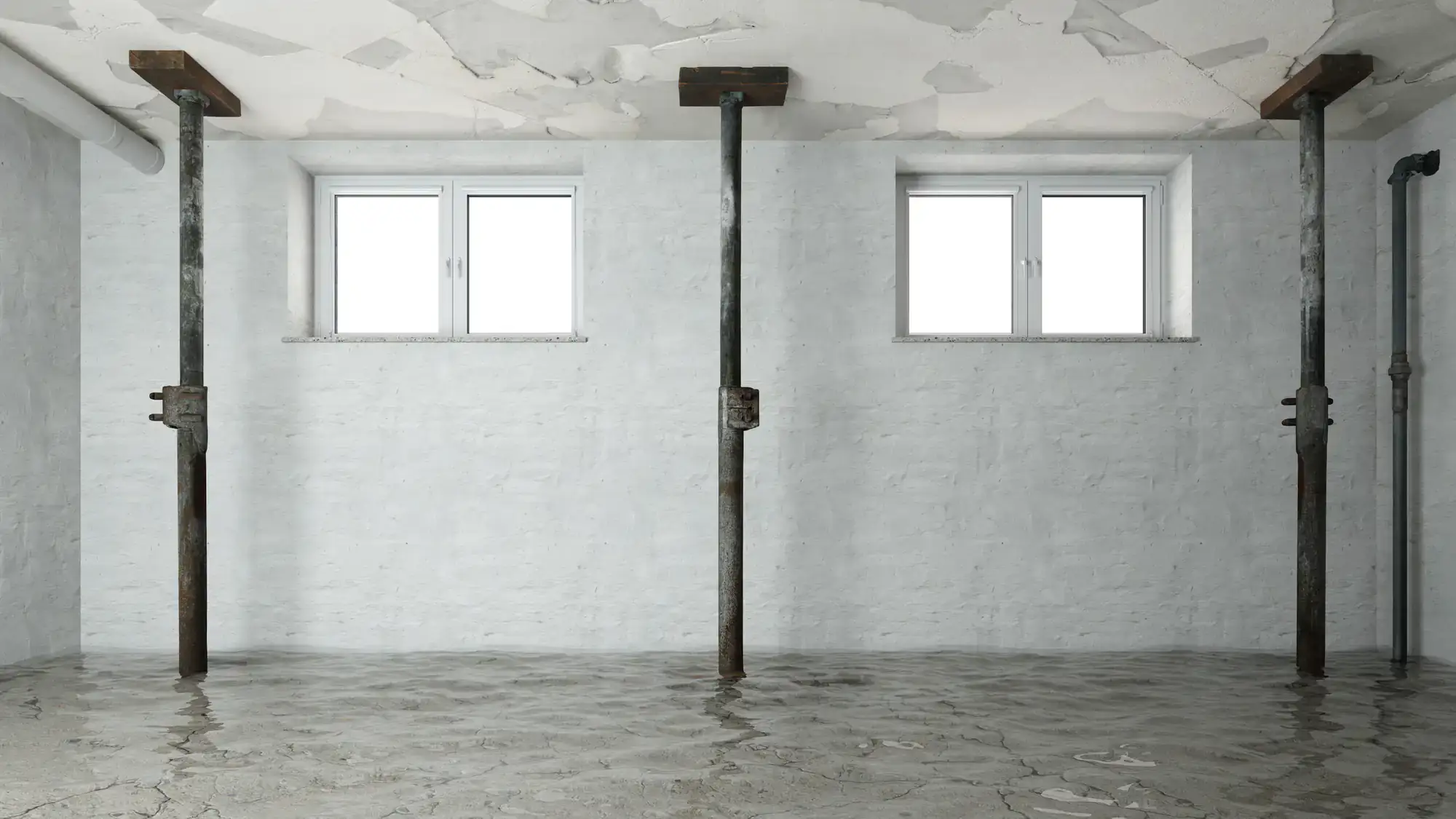
You walk downstairs and your stomach drops. Water. Everywhere.
Maybe it’s from last night’s storm. Maybe a pipe finally gave out. Either way, your basement is flooded, and you need to know what happens next—not tomorrow, right now.
Milwaukee County basements flood. Spring rains overwhelm the sewer system. Clay soil holds water against your foundation. Sump pumps fail at the worst possible time. And when it happens, the clock starts ticking on damage that gets worse by the hour.
This isn’t about what you should have done. It’s about what you do from here—the steps that actually matter, the timeline you’re looking at, and how to make sure this gets handled right the first time.
Flooded Basement Help: First Steps When You Discover Water
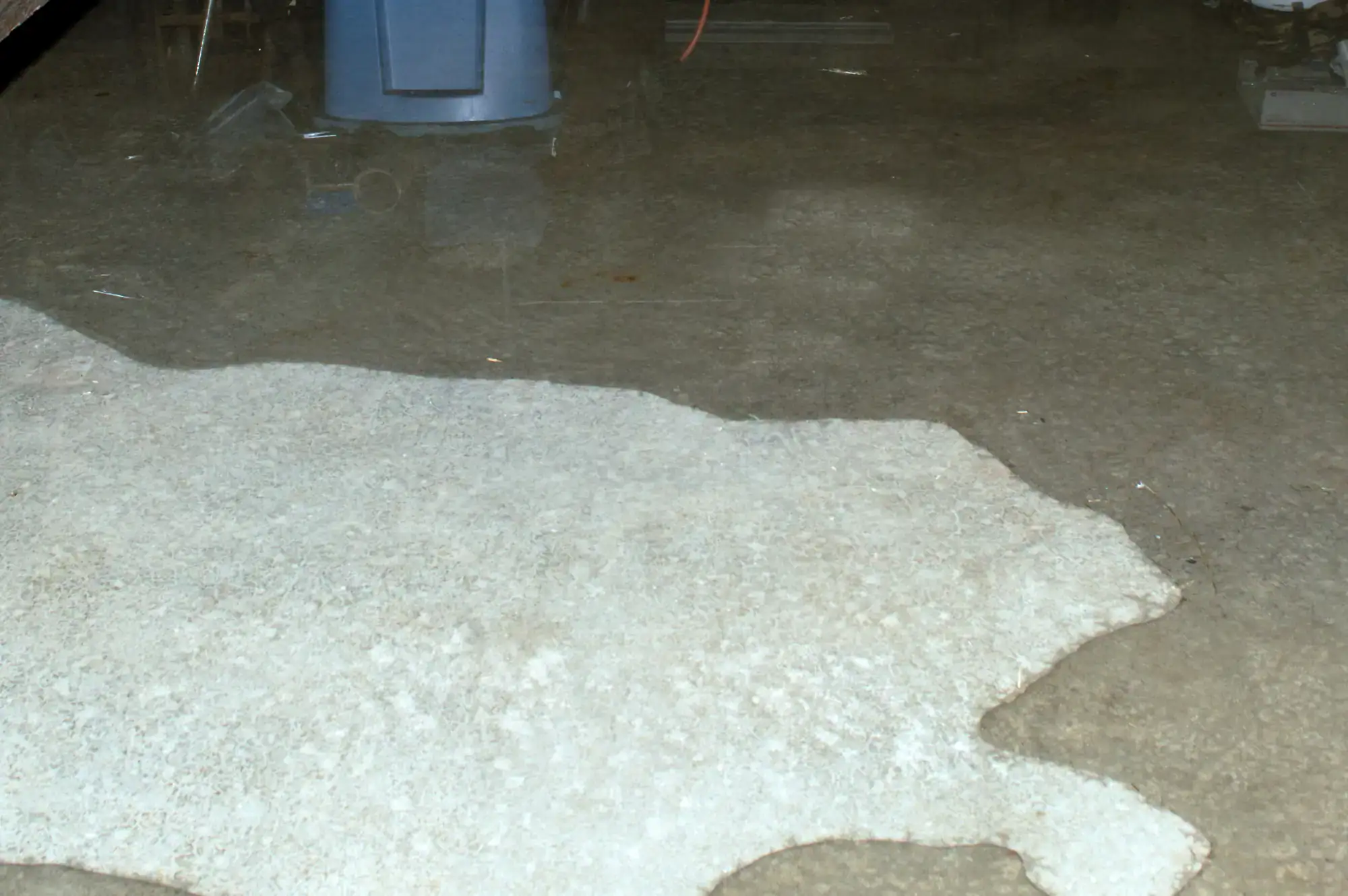
Before you touch anything, before you start moving boxes or grabbing a shop vac, you need to think about safety. Water and electricity don’t mix, and a flooded basement can hide serious hazards.
If the water level is anywhere near outlets, appliances, or your electrical panel, do not go down there. Shut off power to the basement from your main breaker if you can access it safely. If you can’t, call an electrician first. Electrocution risk is real, and it’s not worth gambling on.
Once power is off and it’s safe to enter, take photos. Document everything—the water level, damaged items, the source if you can see it. Your insurance company will want this, and you’ll want proof of what you’re dealing with. Then call for professional help. Basement water damage repair isn’t optional if you want to avoid mold, structural damage, and a problem that comes back worse next month.
Stop the Water Source Before It Gets Worse
You can’t fix what you can’t stop. If water is still coming in, everything else you do is just buying time.
Check the obvious first. Is a pipe broken? Shut off your main water supply. Is your sump pump sitting silent in a pit full of water? That’s your answer. Did the last 48 hours bring three inches of rain across Milwaukee County, WI? Then you’re probably looking at groundwater seepage or an overwhelmed drainage system, and the water won’t stop until the storm does.
Milwaukee County’s spring storms are notorious for this. The ground gets saturated, the sewer system can’t keep up, and water backs up into basements across entire neighborhoods in West Allis, Wauwatosa, and Greenfield. If that’s your situation, you’re not alone—and you’re also not going to fix it with a bucket.
For burst pipes or appliance failures, stopping the source is straightforward. For groundwater or sewer backup, you’re managing the situation until conditions improve. Either way, knowing what you’re dealing with tells you what comes next.
The source matters for another reason too. Clean water from a supply line is one thing. Water that’s been sitting in your sewer system or mixed with soil contaminants is another. That affects how the cleanup happens, what materials can be saved, and what needs to be thrown out entirely. We classify the water type and handle it accordingly, but you should know the difference going in.
Why the First 24 Hours Determine Your Final Bill
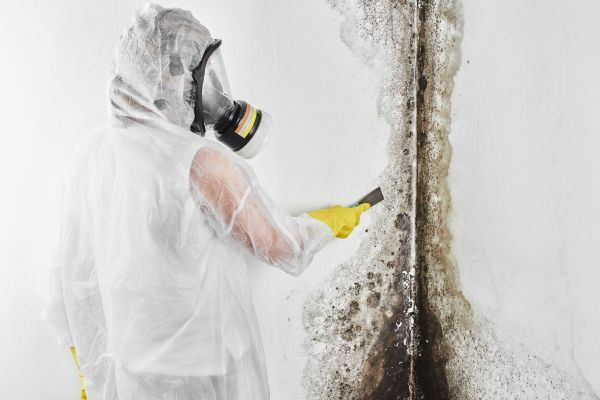
Mold doesn’t wait for you to figure things out. It starts growing within 24 to 48 hours of water exposure, and once it takes hold, you’re not just dealing with water damage anymore—you’re dealing with a health hazard and a much bigger bill.
That’s why speed matters with flooded basement help. Not panic, but action. The faster standing water gets removed and the drying process starts, the less damage you’ll see. Drywall that sits wet for three days isn’t drying out—it’s getting torn out and replaced. Wood framing that stays damp starts to rot. Carpets and padding that don’t get addressed within the first day or two are headed for the dumpster.
Milwaukee County’s humidity doesn’t help. Summer moisture in the air slows down drying times, especially in basements where air doesn’t circulate well. That means even after the visible water is gone, you’re fighting moisture trapped in materials you can’t see. We use industrial dehumidifiers and moisture meters to track this, because eyeballing it doesn’t work.
The other thing that happens in the first 24 hours is damage spread. Water doesn’t stay where it lands. It wicks up walls, soaks into insulation, travels along floor joists, and finds its way into spaces you didn’t even know existed. A small leak can become a whole-room problem if it’s not contained quickly.
This is also when you should be talking to your insurance company. Most policies cover sudden water damage like burst pipes, but not gradual leaks or flooding from outside sources unless you have specific flood coverage. Knowing what your policy actually covers before you start work can save you from paying for repairs you thought were included.
Basement Water Damage Repair: The Complete Restoration Process
Once the immediate emergency is handled, the real work begins. Basement water damage repair isn’t just about getting the water out—it’s about making sure your basement is actually dry, structurally sound, and safe to use again.
The process follows a specific sequence for a reason. Skip a step or rush through it, and you end up with hidden moisture, mold growth, or repairs that fail in six months. A proper basement restoration water damage project includes assessment, extraction, drying, cleaning, and reconstruction. How long each phase takes depends on how much water you had, what materials were affected, and how quickly the work started.
For a typical Milwaukee County basement flood affecting a couple of rooms, you’re looking at about three weeks from start to finish. Minor damage might wrap up in a few days. Severe flooding with structural issues can stretch into months. The timeline isn’t something we make up—it’s driven by physics, building materials, and doing the job right.
Water Extraction and Structural Drying That Actually Works
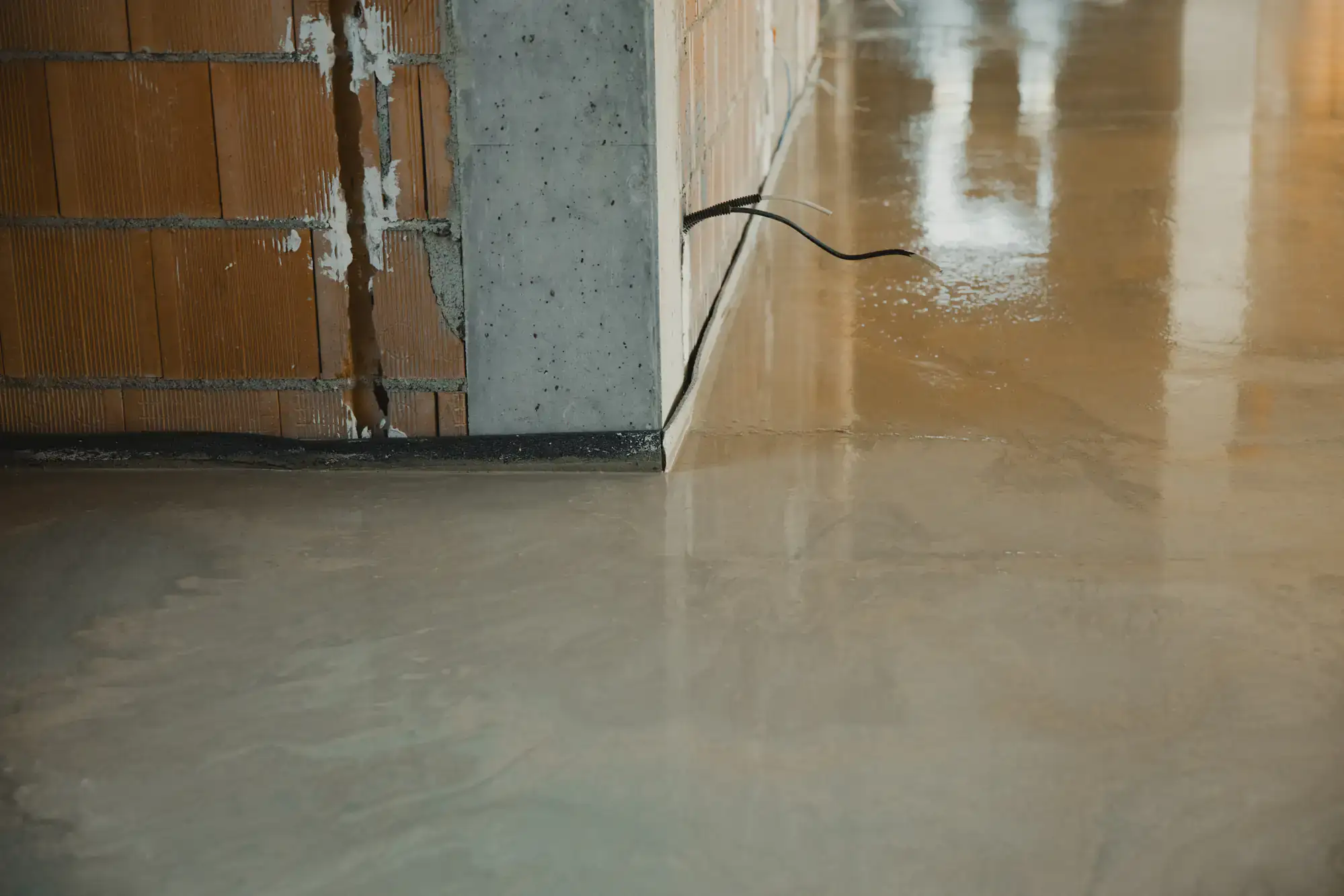
Getting standing water out is step one. Industrial pumps and extractors pull water from floors, carpets, and anywhere else it’s pooled. This isn’t a job for a household wet vac—you need equipment that can move hundreds of gallons quickly and handle contaminated water safely.
Once the bulk of the water is gone, the real challenge starts: drying everything you can’t see. Water soaks into concrete, hides in wall cavities, saturates insulation, and gets trapped in subfloors. We use moisture meters and thermal imaging to find it, then set up commercial-grade dehumidifiers and air movers to pull that moisture out.
Drying takes time. For typical residential water damage, you’re looking at three to five days. Concrete and dense materials can take seven to ten. Milwaukee County’s humid summers extend that timeline, especially in basements where moisture naturally accumulates. Rushing this phase is how you end up with mold problems three months later.
The equipment runs constantly during this phase—dehumidifiers, fans, sometimes negative air machines to control airflow. Your basement will sound like a construction site and your electric bill will show it. But that’s what thorough drying looks like. The alternative is hidden moisture that rots your framing and grows mold behind your walls.
We monitor the drying process daily, taking moisture readings and adjusting equipment as conditions change. When the readings hit the right levels across all materials, drying is complete. Not before. There’s no shortcut that doesn’t create problems later. This is where our project manager oversight makes a difference—someone tracking progress and keeping you informed instead of leaving you guessing.
Flooded Crawl Space and Crawl Space Water Removal Challenges
Crawl spaces flood differently than basements, and they’re harder to deal with. Low ceilings, tight access, dirt floors, and poor ventilation turn a straightforward water problem into a complicated one.
Water in a flooded crawl space doesn’t just sit there—it soaks into wooden beams, floor joists, and support structures. It creates humidity that rises into your living space. It attracts pests and creates conditions for mold that affects your whole house’s air quality. And because most people don’t check their crawl space regularly, the problem often goes unnoticed until damage is severe.
Crawl space water removal requires specialized equipment that fits in confined spaces. Sump pumps, wet vacs, and portable extraction units get the standing water out. Then comes the challenge of drying wood framing and subfloors in an area with limited air circulation. This is where vapor barriers, dehumidifiers, and proper ventilation become critical.
If your crawl space floods when it rains, you’re dealing with a drainage problem that won’t fix itself. Clogged gutters, poor grading around your foundation, or groundwater seepage all push water into crawl spaces. A sump pump helps manage the water once it’s there, but preventing it from entering in the first place requires addressing the source.
Milwaukee County’s clay soil makes this worse. Water doesn’t drain away—it sits against your foundation and finds any crack or gap to seep through. Older homes in neighborhoods like Washington Heights and Sherman Park have limestone foundations that absorb water like a sponge. If your crawl space floods repeatedly, you need more than cleanup. You need waterproofing, drainage improvements, and possibly encapsulation to seal the space from ground moisture entirely.
Getting Your Milwaukee County Basement Back to Normal
Basement flooding is overwhelming, but it’s not the end of the world. With the right response, professional equipment, and a clear understanding of what needs to happen, your home can be fully restored.
The key is acting fast, choosing a restoration company you can trust, and not cutting corners on the drying process. Mold prevention, structural integrity, and long-term solutions all depend on doing the work thoroughly the first time. Cheap fixes and rushed timelines create problems that cost more to fix later.
Milwaukee County, WI homeowners deal with basement flooding more than most, but that also means we understand the specific challenges—clay soil, spring storms, aging infrastructure, and the building construction common to homes throughout the area. When you need flooded basement help, reach out to us at Flood Guys Restoration for honest service, transparent pricing, clear communication, and a restoration process built on integrity—not inflated scopes or unnecessary work.