Summary:
You’ve got water where it shouldn’t be. The clock is ticking. And before you pick up the phone, you want to know what this is actually going to cost.
That’s not unreasonable. In fact, it’s smart.
Because in an industry where some companies inflate estimates expecting insurance to push back, getting straight answers about water restoration pricing can feel impossible. You’re not asking for a theatrical sales pitch or a lecture about water damage categories. You just want to know what you’ll actually pay and whether the number you’re hearing is fair.
Here’s what you need to know about water restoration costs in Milwaukee County—the real numbers, the factors that drive them, and how to make sure you’re not overpaying when your home needs help fast.
What Water Restoration Services Actually Cost in Milwaukee
Most Milwaukee homeowners pay between $1,400 and $6,400 for professional water restoration, with the average landing around $3,900. That’s the baseline. But your actual cost depends on factors that have nothing to do with which company you call and everything to do with what happened in your home.
The size of the affected area matters. So does how long the water sat before you caught it. A bathroom sink that overflowed for an hour creates a different situation than a basement that flooded overnight while you were sleeping.
The type of water involved changes everything. Clean water from a broken supply line requires different protocols than contaminated water from a sewer backup. That difference shows up in your final bill, not because companies charge more when they can get away with it, but because the work itself is fundamentally different.
Here’s what most people don’t realize until they’re already mid-project: “water restoration” can mean two very different scopes of work. Mitigation stops the damage and dries everything out. Restoration rebuilds what was lost. Some estimates cover both. Others only cover the emergency response. That difference can be thousands of dollars, and it’s where confusion usually starts.
Water Mitigation Cost: Emergency Response and Drying
Water mitigation is the first response. It’s what stops your situation from getting worse.
This phase includes water extraction, industrial drying equipment, dehumidification, and antimicrobial treatment to prevent mold. In Milwaukee, mitigation typically runs $3 to $7.50 per square foot depending on the water category.
Clean water from a broken supply line sits at the lower end of that range. Gray water from a washing machine overflow or dishwasher leak costs more because it requires additional sanitization. Black water from sewage backups or flood contamination hits the top of the range because technicians need protective equipment, biocide treatments, and specialized disposal protocols.
A 500-square-foot basement affected by clean water might cost $1,500 to $2,000 for complete mitigation. The same space with sewage contamination could run $3,500 to $3,750. The difference isn’t markup. It’s the reality of what’s required to make your home safe again.
Equipment rental drives a significant portion of mitigation costs. Commercial air movers, dehumidifiers, and moisture meters run continuously for days. Most companies charge daily equipment fees, and in Milwaukee’s humid climate, drying times often extend beyond the typical three to five days. A job that takes seven days to dry completely costs more than one that’s done in three, even if the initial damage looked similar.
The timing of your call matters more than most people realize. Water damage addressed within the first 24 hours often stays in Category 1—clean water. Wait 48 hours and that same water can escalate to Category 2 as bacteria multiply. Your $2,000 mitigation job just became a $4,000 problem, not because the company changed their rates, but because the scope of work changed.
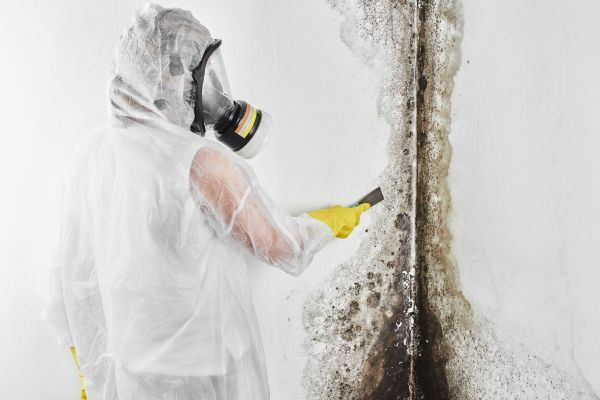
Mold can begin colonizing damp materials within 24 to 48 hours in the right conditions. Once that happens, you’re not just paying for water mitigation anymore. You’re paying for mold remediation too, which adds another $1,200 to $3,800 on average. This is why insurance companies require prompt notification and why we emphasize fast response times. The faster you act, the less you pay.
Water Damage House Repair Costs: Reconstruction After Drying
Once everything is dry, the real work begins. Reconstruction covers everything that mitigation doesn’t: replacing damaged drywall, installing new flooring, rebuilding cabinetry, repainting, and restoring your home to how it looked before the damage happened.
This is where costs climb significantly, especially if water affected multiple rooms or sat long enough to damage structural elements.
Reconstruction pricing typically runs $20 to $37 per square foot for standard finishes. That includes material costs, labor, and disposal fees for damaged items that can’t be salvaged. A single room with moderate damage—drywall replacement up to four feet, new baseboards, carpet removal, and painting—might cost $2,500 to $5,000 depending on size and materials.
Flooring replacement represents one of the largest single expenses in most water damage projects. Carpet and padding that absorbed water rarely survive, especially if the water was anything other than clean. Hardwood floors sometimes can be saved if they’re solid wood and caught quickly, but engineered wood, laminate, and vinyl almost always need replacement once saturated.
Budget $2 to $8 per square foot for carpet replacement, $7 to $25 per square foot for hardwood, depending on the quality and finish level you choose.
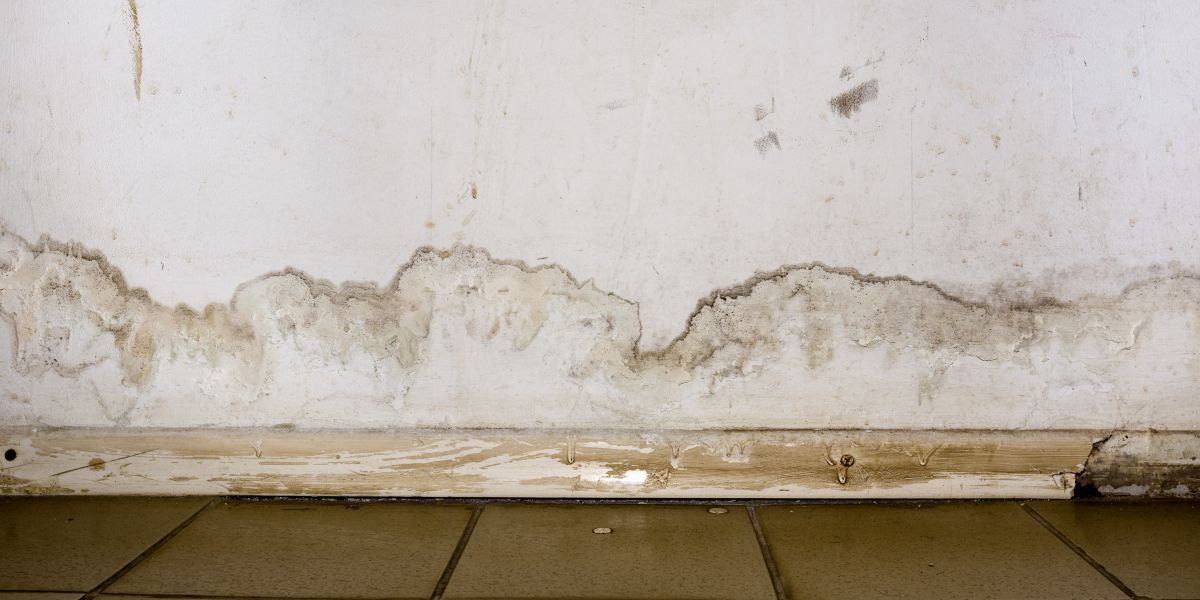
Drywall damage follows a predictable pattern. Water wicks up from the floor, saturating the lower portions of your walls. Most restoration companies remove drywall from floor level to at least 12 inches above the visible water line to ensure all affected material is gone. In a room with significant flooding, that might mean removing drywall three to four feet up all the way around.
Drywall replacement costs $1.50 to $3.50 per square foot installed, which includes taping, mudding, sanding, and priming for paint.
The difference between mitigation-only pricing and full restoration pricing catches homeowners off guard constantly. You might get an initial estimate for $3,000 to handle the emergency response, only to learn that rebuilding everything will cost another $8,000. Both numbers can be accurate and fair. They’re just measuring different scopes of work.
This is why it’s critical to ask upfront whether an estimate covers mitigation only or includes reconstruction as well. Some restoration companies handle both phases under one roof. Others focus on emergency mitigation and refer you to contractors for the rebuild. What matters is understanding what you’re paying for at each stage so there are no surprises when the work is done and the final invoice arrives.
Water Restoration Cost Factors That Drive Your Final Bill
Three primary factors determine what you’ll actually pay: the category of water involved, the class of damage, and how quickly you respond. Understanding these classifications helps you evaluate estimates and recognize when pricing is fair versus when it’s inflated.
Water categories describe contamination levels. Category 1 is clean water from supply lines, broken pipes, or rainwater that hasn’t contacted contaminants. Category 2 is gray water with some contamination from appliances, toilet overflow, or water that’s been sitting long enough for bacteria to grow. Category 3 is black water from sewage backups, flooding, or any water that’s been stagnant for days.
Each category requires different safety protocols, which directly impacts labor costs and equipment needs.
Damage classes measure severity and how much moisture materials absorbed. Class 1 affects minimal square footage with low absorption. Class 2 impacts an entire room with water wicking up walls. Class 3 means water came from overhead or affected ceilings, walls, insulation, and subflooring throughout a space. Class 4 involves specialty drying situations where water saturated materials like hardwood floors or concrete, requiring advanced equipment and extended drying times.
How Insurance Coverage Affects Your Water Restoration Costs
Most homeowners insurance policies cover water damage if it’s sudden and accidental. A pipe that bursts without warning typically qualifies. A roof leak that developed over months due to deferred maintenance typically doesn’t.
That distinction determines whether you’re paying out of pocket or filing a claim, which changes how you should think about pricing.
When insurance is involved, most restoration companies use Xactimate, the industry-standard pricing software that insurance adjusters also use. This creates consistency. Two different companies using Xactimate for the same job should produce very similar estimates because labor rates, material costs, and equipment fees are standardized by ZIP code.
The differences between companies at that point come down to response time, expertise, customer service, and how well they document and advocate for your claim.
Here’s where the industry gets messy. Some restoration companies inflate their initial estimates knowing insurance companies will negotiate down. They might add unnecessary equipment, extend timelines beyond what’s needed, or recommend services that aren’t actually required for your specific situation.
The thinking goes: quote high, settle somewhere in the middle, everyone walks away satisfied. Except you’re not satisfied because you just spent three weeks negotiating over line items that shouldn’t have been there in the first place.
The alternative approach—the one that builds trust—is to provide honest estimates from the start. Quote what the job actually requires based on industry standards. Don’t pad timelines. Don’t add equipment that’s not necessary. If insurance pushes back on a legitimate cost, advocate for your customer with documentation and moisture readings that prove the work was needed.
This approach takes longer to explain upfront, but it eliminates the frustration of surprise costs or disputed charges later.
Your deductible matters more than most people realize when evaluating estimates. If your deductible is $2,500 and the total job costs $3,000, you’re only getting $500 from insurance. At that point, you might consider paying out of pocket to avoid a claim on your record, especially for smaller incidents. Some restoration companies offer flexibility on payment terms or financing for homeowners in this situation. It’s worth asking before you commit.
Settlement timing also affects your experience. Insurance companies typically issue an initial payment for mitigation costs minus your deductible. The remaining balance for reconstruction comes after that work is completed and documented. This means you might wait weeks or months between payments depending on how quickly the rebuild happens. Understanding this timeline helps you plan financially and avoid stress when you’re not seeing immediate reimbursement for costs you’ve already incurred.
Transparent Pricing vs. Hidden Fees: What to Watch For
Pricing transparency in the restoration industry is rare, which makes it valuable when you find it. Most companies don’t publish rates because every job is different. That’s true.
But it’s also true that ballpark ranges exist, and providing them upfront helps homeowners make informed decisions instead of feeling cornered during an emergency.
Hidden fees show up in a few predictable places. After-hours emergency response fees are common and often legitimate—you’re paying for immediate availability at 2 AM on a Sunday. But some companies charge these fees even during normal business hours or fail to disclose them until the final invoice. Ask upfront whether emergency fees apply and what they cover.
Equipment rental charges can balloon if not clearly outlined. You should know the daily rate for air movers, dehumidifiers, and other equipment, plus an estimated timeline for how long they’ll be needed. If a company says “we’ll run equipment until everything is dry” without giving you a projected end date or daily cost, push for specifics.
Legitimate companies monitor moisture levels daily and can give you reasonable timelines based on the size and severity of damage.
Disposal fees for damaged materials are often necessary but sometimes inflated. Removing waterlogged carpet, padding, drywall, and insulation costs money. Dumpster rental and dump fees are real expenses. But you shouldn’t be charged $800 to dispose of materials from a single room. Ask for an itemized breakdown that shows what’s being removed and what disposal actually costs. If the numbers seem high, get a second opinion.
Antimicrobial treatments are frequently oversold. They’re essential for Category 2 and 3 water to prevent bacterial growth and odors. They’re often unnecessary for Category 1 clean water if drying happens quickly. Some companies apply antimicrobials to everything regardless of water category and charge accordingly.
Make sure the treatment matches the contamination level and that you’re not paying for services that don’t apply to your situation.
The best protection against hidden fees is asking questions before work begins. Request a detailed written estimate that breaks down labor, materials, equipment rental, and any additional charges. Understand what’s included in the base price and what might trigger additional costs as the project progresses. A company that’s confident in their pricing will welcome these questions. One that’s evasive or dismissive might be hiding something.
Milwaukee homeowners learned this lesson the hard way after the August 2025 floods, when some companies took advantage of the crisis with inflated estimates and unnecessary services. The restoration companies that earned lasting trust were the ones that provided clear, honest pricing even when demand was overwhelming and they could have charged more.
Getting Fair Water Restoration Pricing in Milwaukee County
Water damage pricing doesn’t have to be a mystery, and you don’t have to accept vague estimates or inflated quotes just because you’re in an emergency. The companies that build lasting reputations in this industry are the ones that treat pricing transparency as a competitive advantage, not a weakness.
When you’re evaluating restoration companies in Milwaukee County, look for clear communication about what you’re actually paying for. Ask whether estimates cover mitigation only or include reconstruction. Understand the water category and damage class that apply to your situation. Get specifics on equipment rental timelines and daily costs.
Don’t hesitate to request itemized breakdowns that show exactly where your money is going.
The right restoration partner explains costs before you commit, advocates for you during insurance claims, and delivers exactly what they promised without surprise fees or scope creep. If you’re dealing with water damage and need honest answers about what restoration will actually cost, we provide free inspections and transparent estimates for Milwaukee County homeowners. No pressure. No hidden fees. Just clear information so you can make the right decision for your home.