Summary:
You’re standing in your living room looking at soaked carpet, and the clock is ticking. A burst pipe. Heavy rain that found its way inside. An appliance that decided today was the day to fail. Whatever the cause, you’re facing a decision that feels urgent and expensive at the same time. Can this carpet be saved, or are you looking at full replacement? The answer isn’t always obvious, and it matters more than you might think—not just for your wallet, but for your home’s safety and your family’s health. Let’s walk through what actually determines whether water-damaged flooring can be restored, starting with the factor that matters most.
What Determines If Carpet Water Damage Can Be Restored
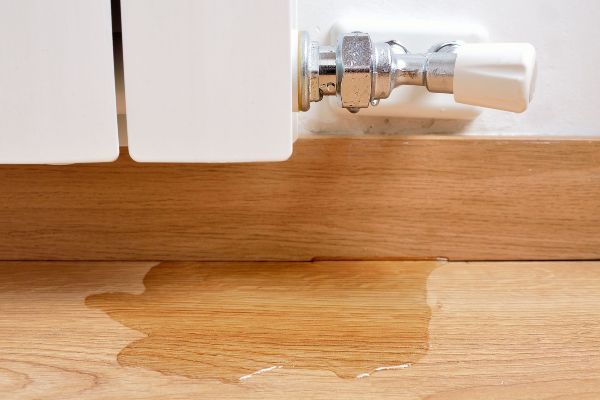
Not all carpet water damage is created equal. The difference between a carpet you can save and one you need to rip out comes down to a few specific factors that we evaluate during our initial assessment.
The source of the water tops the list. Clean water from a broken supply line or rainwater leak gives you options. Contaminated water from sewage backups or outdoor flooding typically means replacement is the only safe choice. Then there’s the middle ground—graywater from dishwashers or washing machines—where the decision depends on how quickly you act and what else is involved.
Time is the other critical piece. Carpet that’s been wet for 24 hours is a different situation than carpet that’s been soaked for three days. Mold doesn’t wait for your schedule, and neither should your response to emergency water damage.
Water Damaged Floor Repair: The 72-Hour Rule
You’ve got a window. It’s not a long one, but it’s real. Within 72 hours of water exposure, you’re still in the zone where professional carpet restoration might work. After that, you’re fighting a losing battle against mold growth, deteriorating padding, and structural issues that compound by the hour.
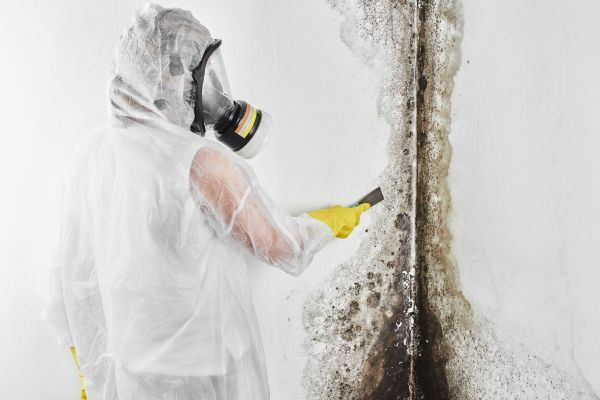
Here’s what happens in that timeframe. In the first 24 to 48 hours, mold spores start finding damp surfaces to call home. Your carpet fibers, the padding underneath, even the subfloor—all of it becomes potential real estate for growth you don’t want. By hour 72, if the carpet hasn’t been properly dried and treated, mold isn’t just possible. It’s likely already there, creating dark spots and that unmistakable musty smell that tells you the damage has moved beyond surface level.
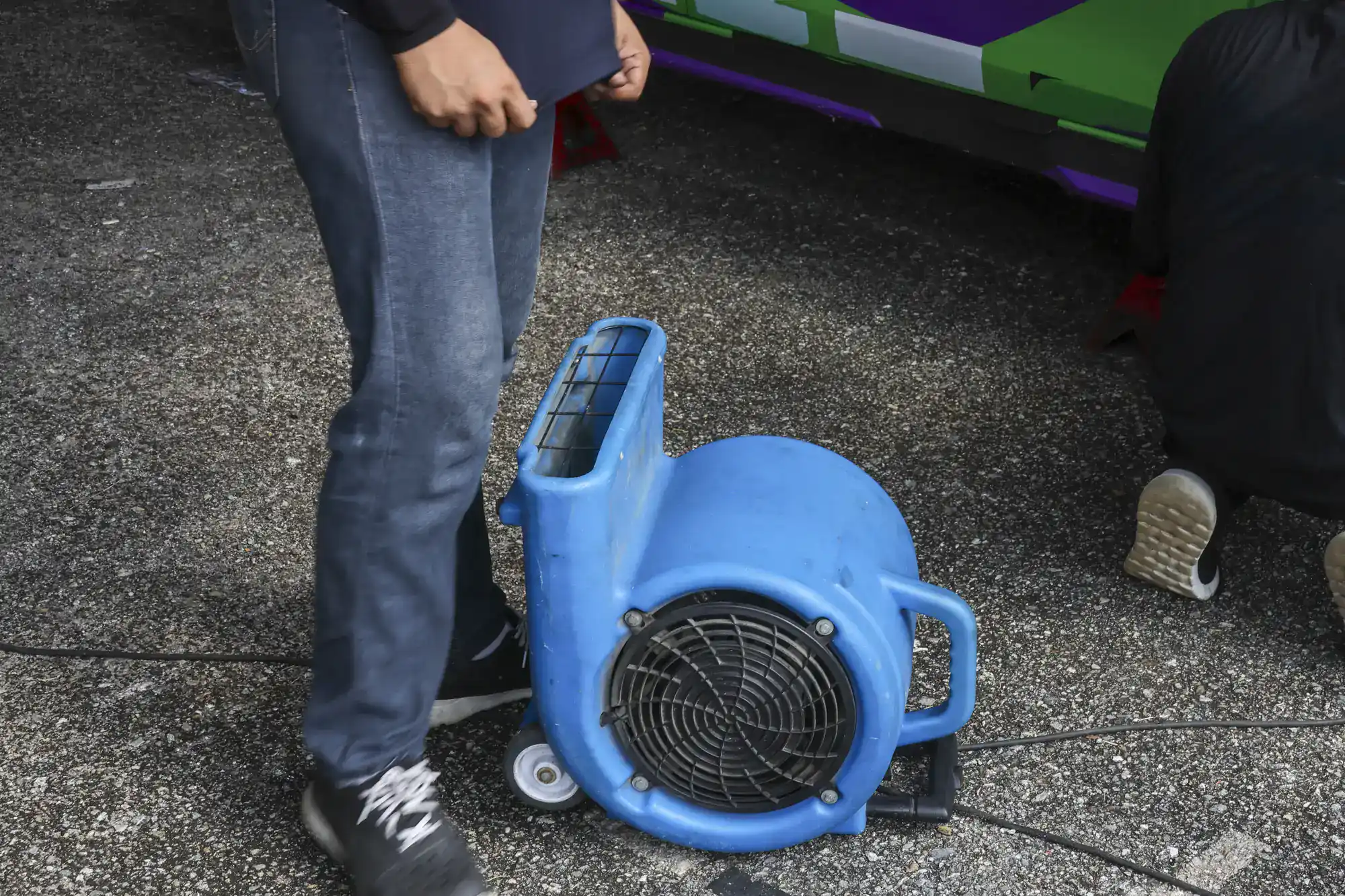
This is why the first call you make matters. Emergency water damage response from our team can extract standing water, set up industrial dehumidifiers, and create airflow that stops the clock on mold development. Wait too long, and the conversation shifts from “how do we dry this” to “how fast can we remove it.”
The carpet padding is usually the first casualty. It absorbs water like a sponge and holds onto moisture even after the carpet surface feels dry to the touch. If padding stays damp beyond that 72-hour mark, it becomes a breeding ground that no amount of surface cleaning will fix. At that point, you’re looking at carpet padding replacement at minimum, and often full carpet replacement along with it because pulling up saturated carpet frequently damages it beyond repair.
But if you’re inside that window and the water source was clean, professional water extraction and drying can save both your carpet and your budget. The key is moving fast and bringing in equipment that actually removes moisture from every layer—not just what you can see on top.
Clean Water vs. Contaminated Water: Why Source Matters
The restoration industry breaks water damage into three categories, and understanding which one you’re dealing with removes a lot of guesswork from the restore-or-replace decision.
Clean water comes from sources that don’t pose immediate health risks. Broken water supply lines, leaking faucets, rainwater that came through a window or roof—these fall into the clean category. If you catch it early and the water hasn’t been sitting long enough to pick up contaminants from your home, restoration is often viable. Professional drying, antimicrobial treatment, and thorough cleaning can bring carpet back to a safe, usable state.
Graywater sits in the middle. This is water with some level of contamination—think dishwasher discharge, washing machine overflow, or a toilet overflow that didn’t involve waste. It’s not as immediately dangerous as sewage, but it’s not something you want soaking into your flooring for extended periods either. The decision here depends on how quickly you respond and how thoroughly the affected area can be cleaned and disinfected. Sometimes restoration works. Sometimes it doesn’t. An honest assessment from a qualified professional will tell you which side of that line you’re on.
Black water is the category where restoration stops being an option. Sewage backups, flooding from rivers or streams, toilet overflows with waste—any water that contains pathogens, chemicals, or biological hazards falls here. When black water saturates carpet, the health risks are too high to justify trying to save it. The bacteria and toxins soak into fibers and padding in ways that cleaning can’t fully address. Replacement isn’t just recommended in these cases. It’s necessary for your family’s safety.
Milwaukee County homeowners see all three types regularly. Basement flooding from heavy rains can bring in contaminated groundwater. Aging plumbing in older homes can mean sudden pipe failures with clean water. Winter freeze-thaw cycles create their own set of problems. Knowing which type of water you’re dealing with helps you understand why we might tell you one carpet can be saved while another needs immediate removal—even if they look similarly wet on the surface.
Hardwood Floor Repair Water Damage: Different Material, Different Rules
Hardwood responds to water differently than carpet, and the restoration approach reflects that. Where carpet is often an all-or-nothing proposition after contamination or extended exposure, hardwood floor repair water damage has more variables in play.
The type of damage you see tells the story. Cupping happens when water gets underneath boards, causing edges to curl upward as the wood swells. Crowning is the opposite—the center of the board rises higher than the edges. Buckling means boards have actually pulled away from the subfloor. Each of these indicates a different severity level and a different restoration path.
Surface water that’s caught quickly might only require drying and refinishing. Water that’s been sitting or has reached the subfloor often means board replacement. The age of your flooring matters too. Older hardwood that’s already been sanded and refinished multiple times has less material to work with, making restoration trickier than it would be with newer floors.
When Hardwood Can Be Saved vs. When It Can't
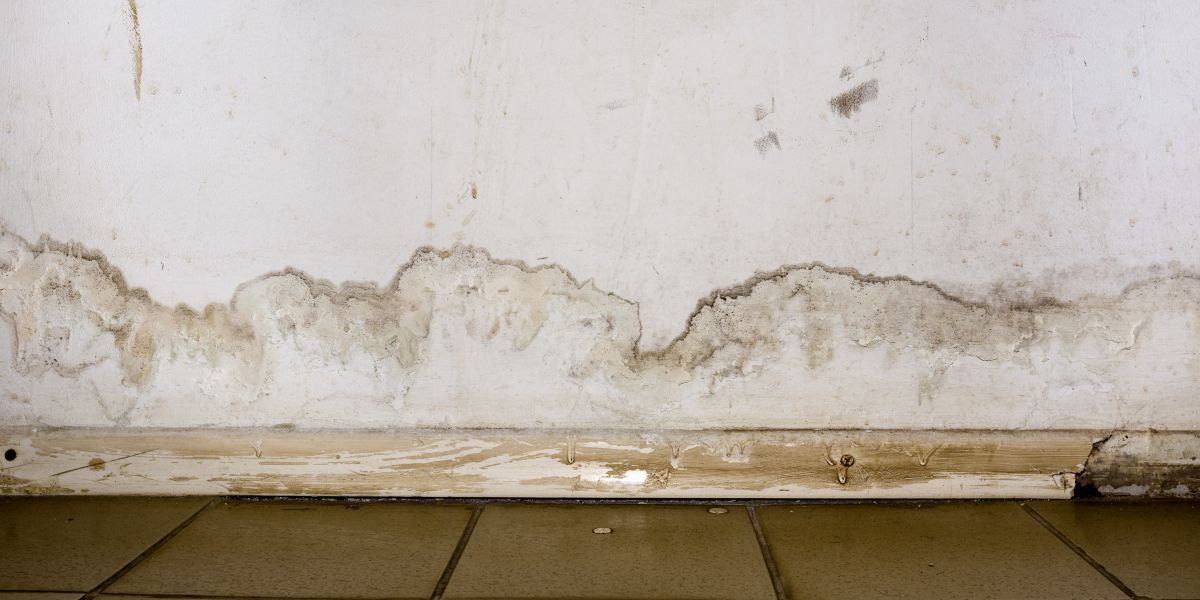
Hardwood floor water damage repair starts with moisture detection. We use specialized meters to measure how deep the water has penetrated—not just what you see on the surface, but what’s happening in the wood itself and in the subfloor below. Those readings determine whether you’re looking at a drying project, a refinishing project, or a replacement project.
If water damage is caught within the first 48 hours and the source was clean, the recovery rate for hardwood is actually pretty good—somewhere in the 70 to 85 percent range according to industry data. The process involves controlled drying using commercial dehumidifiers and air movers, monitoring moisture levels daily, and then waiting. Sometimes for weeks. Wood that looks permanently damaged when it’s saturated can flatten back out once it’s completely dry, especially if the drying happens slowly and evenly.
Cupping that’s still present after complete drying can often be sanded down and refinished. You’re removing the damaged surface layer and applying new stain and sealant to match the rest of the floor. It’s not a quick process, but it’s considerably less expensive than replacing boards—and in many cases, it’s completely effective.
Warping and buckling are different animals. When boards have twisted or pulled away from the subfloor, sanding won’t fix the structural issue. Those boards need to come out. The challenge then becomes matching replacement boards to your existing floor, especially if you have an older or discontinued wood species. This is where our experience comes in—we know how to source matching material or blend new boards in ways that aren’t obvious to the untrained eye.
Subfloor damage is the wild card that changes everything. If water has compromised the plywood or structural elements beneath your hardwood, you’re looking at a more extensive repair that goes beyond the visible flooring. Ignoring subfloor issues to save money on the surface repair is a mistake that comes back to haunt you through squeaks, unevenness, and recurring problems. A thorough assessment catches these issues early, before you invest in refinishing floors that are sitting on a compromised foundation.
Water Damage Wall Repair: The Hidden Extension of Floor Damage
Water doesn’t respect boundaries. When it saturates your flooring, it wicks up into drywall, baseboards, and wall studs. What starts as a floor problem becomes a water damage wall repair situation if you’re not paying attention to the full scope.
The first few inches of drywall above water-damaged flooring almost always need inspection. Water travels up through capillary action, and drywall is particularly good at absorbing and holding moisture. You might not see obvious damage on the surface, but moisture meters will tell a different story. Drywall that’s been wet for extended periods loses structural integrity. It crumbles, develops mold, and needs replacement—not just drying.
Baseboards and trim are usually casualties of significant water damage. They sit right at the intersection of floor and wall, which means they’re getting hit from both directions. Wood baseboards warp and swell. Even if they dry out, they rarely return to their original shape. The good news is that baseboard replacement is relatively straightforward and inexpensive compared to other restoration work. The bad news is that it’s often necessary even when the flooring itself can be saved.
Wall studs are the concern that keeps us up at night. These are structural elements, and if water has reached them, you need to know the extent of the damage. Studs that have been wet but dried properly might be fine. Studs that stayed wet long enough for rot to set in are a structural issue that goes beyond cosmetic repair. This is why we use moisture meters at multiple depths and locations during our assessments—we’re looking for problems you can’t see but that absolutely need to be addressed.
Insulation inside walls is another hidden factor. If water has reached the insulation, it’s almost certainly compromised. Wet insulation doesn’t dry effectively, and it becomes a mold factory inside your walls. Removal and replacement is usually the only option, which means opening up sections of drywall to access it. This is part of why water damage restoration can escalate in scope—the initial problem on the floor reveals secondary issues in walls that have to be dealt with for the repair to actually be complete.
Milwaukee County’s older homes add another layer of complexity. Plaster walls, horsehair insulation, and construction methods from decades ago don’t respond to water damage the same way modern materials do. Restoration in these homes requires understanding how water moves through older building assemblies and what warning signs indicate damage that’s more extensive than it appears. We’re familiar with the area’s housing stock and know what to look for and how to address these unique challenges without unnecessary demolition.
Making the Right Call for Your Milwaukee County Home
Water damage doesn’t give you the luxury of endless deliberation. The decisions you make in the first few hours and days determine whether you’re looking at restoration or replacement, manageable costs or major renovation, safe recovery or ongoing problems.
The factors are clear enough once you know what to look for. Water source and contamination level. Time since exposure. Extent of damage to padding, subfloor, and surrounding materials. Presence or absence of mold. Age and condition of the flooring before the damage occurred. An honest professional assessment weighs all of these against each other and tells you what’s actually salvageable versus what’s wishful thinking.
What matters most is getting that assessment from someone who isn’t incentivized to sell you more than you need. We built our reputation in Milwaukee County on being the company that tells you the truth—when flooring can be saved, and when it can’t. When the right move is aggressive drying and restoration, and when replacement is the only option that makes sense for your safety and your investment. If you’re dealing with carpet water damage or hardwood floor water damage, that honest conversation is available 24/7, because emergency water damage doesn’t wait for business hours and neither should your response.