
You’re not looking for a sales pitch. You need someone who can assess the damage, explain what needs to happen, and start fixing it before things get worse.
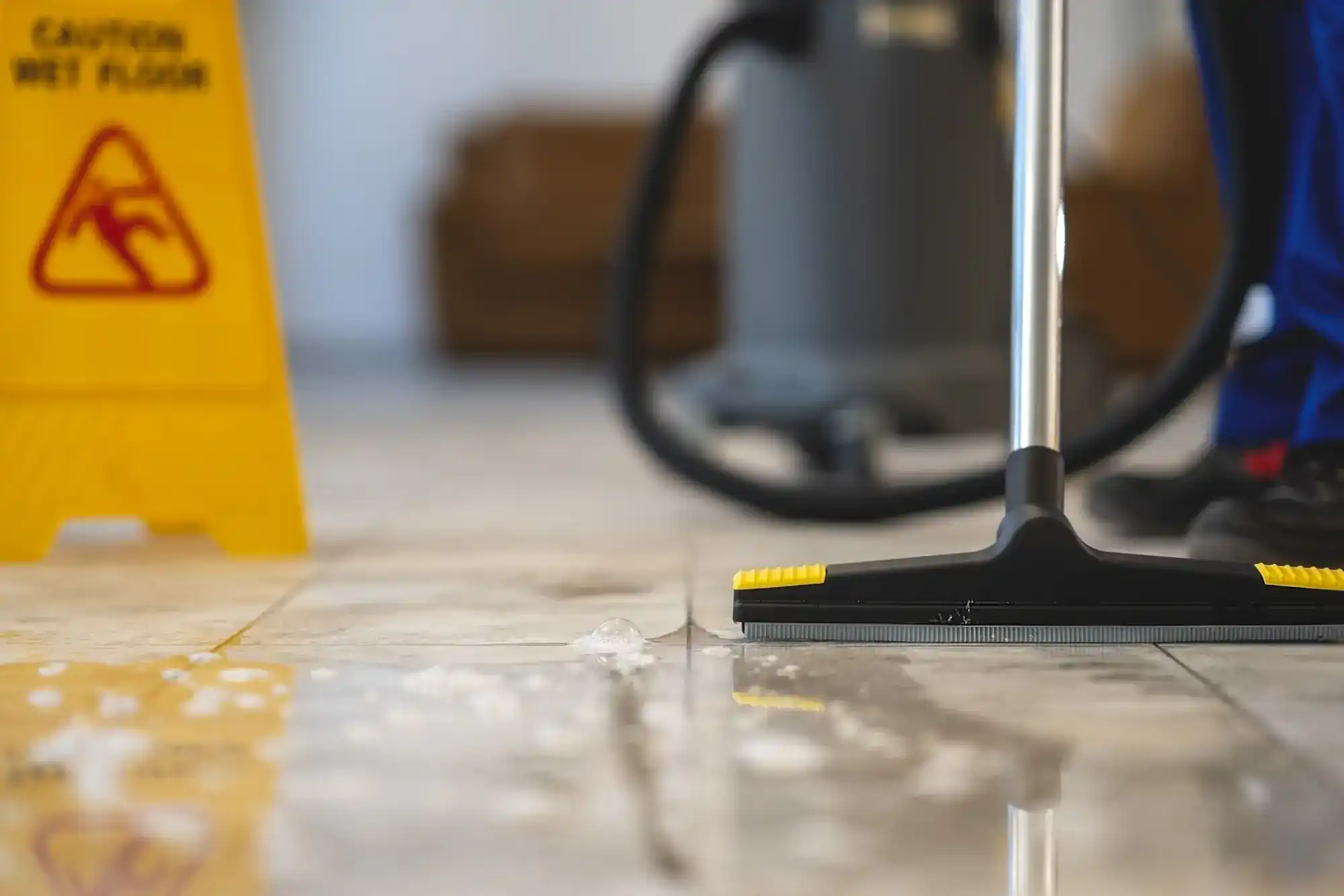
That’s what we do. Our team responds quickly to property damage in Wilson Park—whether it’s a burst pipe flooding your basement, fire and smoke damage from a kitchen accident, or storm water coming through your roof. We bring the equipment to extract water, dry out your space, and handle the repairs that get your home livable again.
You’ll work with a project manager who keeps you updated and answers your questions without the runaround. We document everything for your insurance claim, explain the scope before we start, and focus on getting you back to normal as fast as possible. No inflated estimates. No disappearing after the first day. Just clear communication and solid work.
Flood Guys Restoration exists because too many homeowners in Wilson Park and across Milwaukee have been burned by contractors who overpromise and underdeliver. We started this company to do the opposite—show up when we say we will, charge what the job actually costs, and treat your home like it matters.
We know this neighborhood. Wilson Park homeowners are working families, renters, and property owners who can’t afford to get taken advantage of when something goes wrong. Our team has handled everything from frozen pipe bursts during Wisconsin’s brutal winters to fire damage cleanup and mold remediation. We’ve worked with dozens of insurance companies, and we know how to document your claim so you’re not left covering costs you shouldn’t have to pay.
When you call us, you’re getting a local team that understands what you’re dealing with and knows how to fix it.
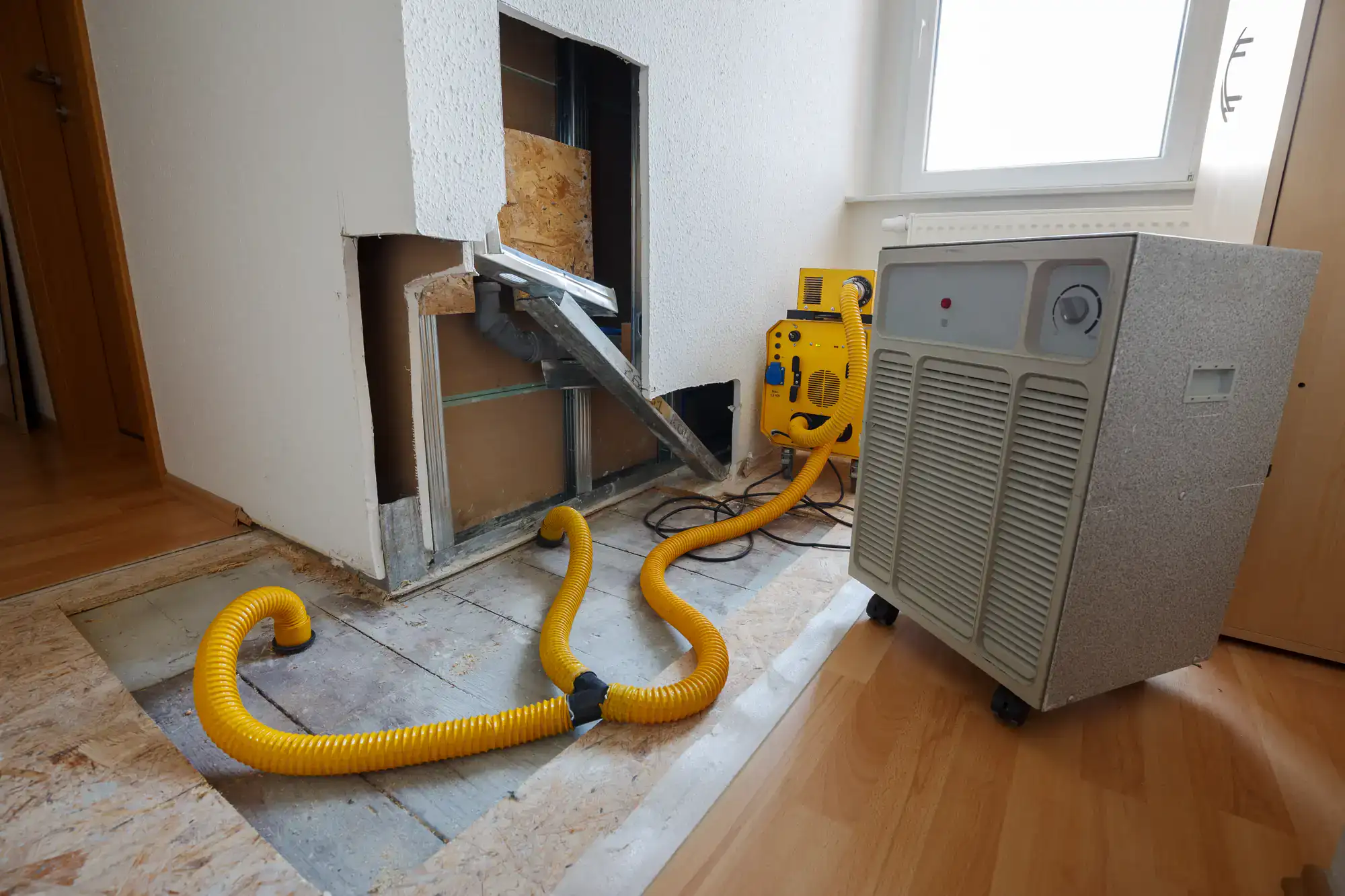
First, we get to your property fast—usually within an hour if it’s an emergency. Our technician walks through with you, assesses the damage, and explains what needs to happen immediately to stop things from getting worse. That might mean extracting standing water, setting up dehumidifiers, or securing areas affected by fire or storm damage.
Next, we document everything. Photos, moisture readings, affected materials—all of it gets recorded for your insurance claim. We’ll help you understand what your policy should cover and provide the paperwork your adjuster needs. No guessing, no surprises.
Then the restoration work begins. Depending on the situation, that could involve drying out walls and floors, removing damaged materials, treating for mold, cleaning up smoke and soot, or rebuilding sections of your home. Your project manager stays in contact throughout, so you know what’s happening and when.
Once the work is done, we do a final walkthrough with you to make sure everything is back to how it should be. You’re not done until you’re satisfied.
Ready to get started?
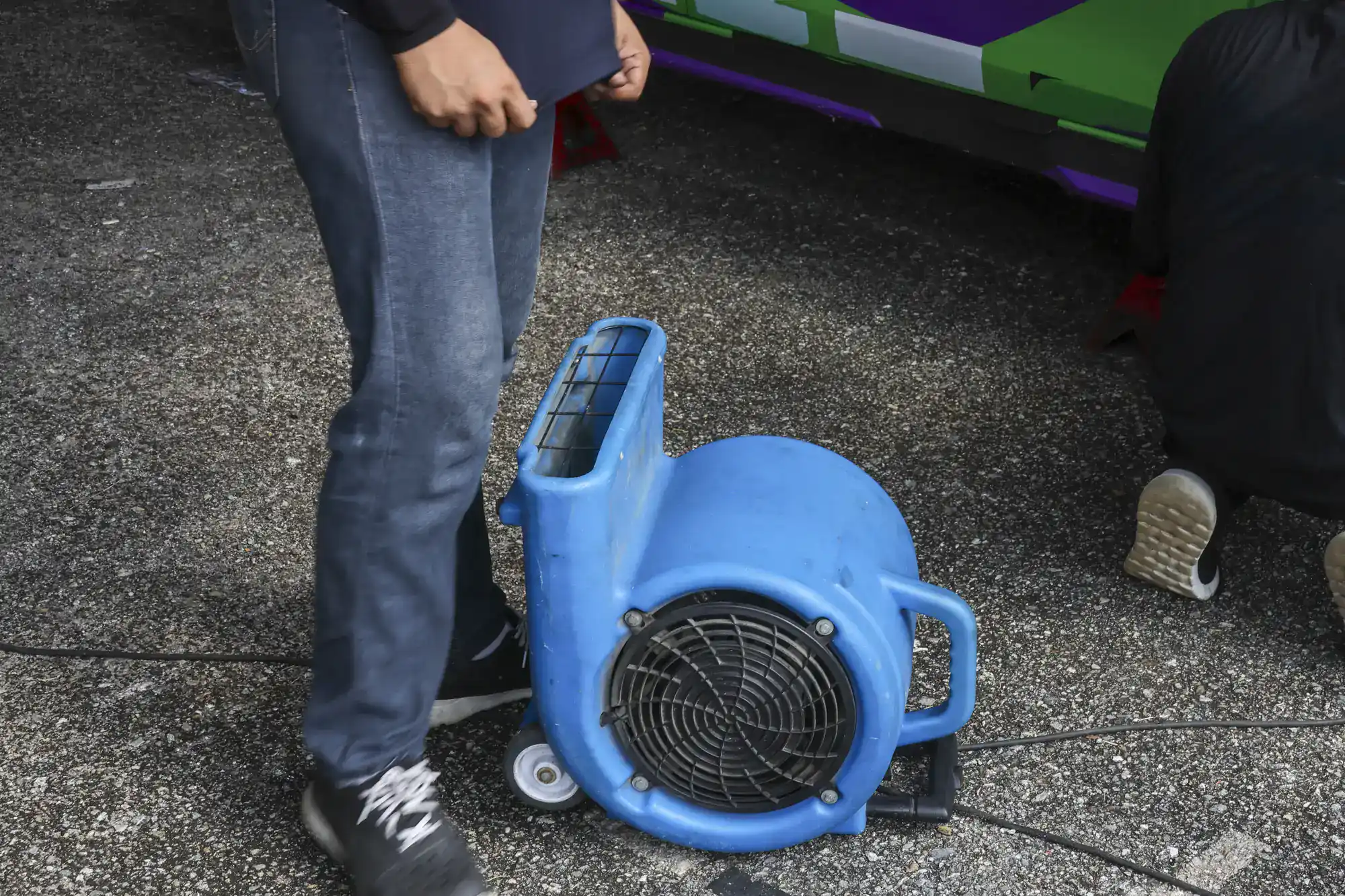
Our damage restoration services in Wilson Park cover the full scope of what you need after water, fire, or storm damage. That includes emergency water extraction using industrial-grade equipment, structural drying with commercial dehumidifiers and air movers, and mold remediation if moisture has been sitting too long.
For fire damage, we handle smoke and soot cleanup, odor removal, and repairs to walls, ceilings, and floors. Storm damage work includes tarping, board-up services, water intrusion repairs, and debris removal.
Wilson Park sees its share of weather extremes. When temperatures drop below zero in January and February, frozen pipes become a serious risk—especially in older homes where insulation and plumbing weren’t built for modern winters. We’ve responded to dozens of burst pipe calls in this neighborhood, and we know how to move fast before water spreads into flooring, drywall, and insulation.
We also coordinate directly with your insurance company. That means we provide detailed estimates, progress photos, and all the documentation your claim requires. You shouldn’t have to fight your insurer while your home is torn apart—we handle that part so you can focus on getting back to normal.
We aim to arrive within 60 minutes for emergency calls in Wilson Park. That response time matters because the first few hours after water or fire damage are critical—the longer you wait, the more damage spreads.
Water soaks into flooring, drywall, and insulation fast. Mold can start growing within 24 to 48 hours in the right conditions. Fire damage leaves behind acidic soot that continues to corrode surfaces if it’s not cleaned quickly. Getting a team on-site immediately means we can stop the damage from getting worse and start the restoration process before secondary problems develop.
When you call, we’ll ask a few quick questions about what happened, and then dispatch a technician to your address. We’re available around the clock because disasters don’t wait for business hours.
Most homeowners insurance policies in Wisconsin cover sudden and accidental damage—things like burst pipes, fire, storm damage, and water heater failures. What they typically don’t cover is damage from neglect or long-term issues like a slow leak you ignored for months.
The key is documenting everything properly from the start. That’s where we come in. We take photos, record moisture levels, note all affected materials, and provide a detailed scope of work for your insurance adjuster. We’ve worked with nearly every major insurance company, and we know what they need to process your claim quickly.
If you’re not sure what your policy covers, we can walk through it with you and help you understand what to expect. Some policies have separate deductibles for water damage or wind damage, and coverage limits can vary. The sooner you file and get documentation submitted, the smoother the process goes. We’ll provide everything your insurer asks for so you’re not stuck in limbo waiting for approval.
Water damage and flood damage sound similar, but they’re treated very differently by insurance companies—and that affects how you pay for restoration.
Water damage usually refers to issues inside your home: burst pipes, leaking appliances, roof leaks, sewer backups, or water heater failures. Most standard homeowners insurance policies cover this type of damage as long as it’s sudden and accidental.
Flood damage refers to water that comes from outside your home—like heavy rain overwhelming storm drains, rivers overflowing, or snowmelt saturating the ground and pushing water into your basement. Standard homeowners insurance doesn’t cover flood damage. You need a separate flood insurance policy through the National Flood Insurance Program or a private insurer.
From a restoration standpoint, the work is similar—we extract water, dry out your property, remove damaged materials, and rebuild. But knowing which type of damage you’re dealing with helps you file the right claim and avoid delays. If you’re not sure, we can help you figure it out based on where the water came from.
It depends on how much damage there is and what needs to be done. A small water leak that we catch early might take three to five days to dry out and repair. A house fire with smoke damage throughout multiple rooms could take several weeks once you factor in cleaning, odor removal, and reconstruction.
Here’s a general timeline: Water extraction and initial drying usually happen within the first 24 to 48 hours. Full structural drying can take three to seven days depending on how much water soaked in and what materials were affected. Mold remediation adds a few days if it’s necessary. Repairs and reconstruction—replacing drywall, flooring, painting—can take one to three weeks depending on the scope.
We’ll give you a realistic timeline after we assess the damage. If something changes or takes longer than expected, your project manager will let you know why and what’s happening next. The goal is always to get you back in your home as quickly as possible without cutting corners that lead to problems later.
This is one of the most common concerns we hear, and it’s completely valid. Some restoration companies have earned a bad reputation by inflating scopes, recommending unnecessary work, or disappearing once they get paid.
Here’s what to look for: A trustworthy company will explain what they’re doing and why. They’ll show you the damage, walk you through the moisture readings or inspection findings, and break down what needs to happen in plain language. If something doesn’t need to be replaced, they’ll tell you. If drying out a material will work, they won’t push you to tear it out.
You should also get everything in writing—scope of work, timeline, cost estimate. If a company is hesitant to document what they’re doing, that’s a red flag. Legitimate restoration work is backed by industry standards and insurance guidelines, so there’s no reason to be vague or evasive.
We built Flood Guys Restoration specifically to be the company people can trust when they’re in a vulnerable situation. That means transparent pricing, clear communication, and doing only the work that actually needs to be done. If you ever feel like something doesn’t make sense, ask. We’ll explain it until it does.
It depends on the extent of the damage and what kind of work is being done. For minor water damage in one area—like a bathroom or basement—you can usually stay in your home while we work. We’ll set up containment barriers and run equipment in the affected area, but the rest of your house remains livable.
For more serious damage—especially fire or widespread water damage—you might need to stay somewhere else temporarily. If there’s structural damage, active mold growth, or unsafe air quality from smoke and soot, it’s not worth the health risk to stay. Your insurance policy may cover temporary housing costs while the work is being done, and we can help you document that for your claim.
We’ll be upfront with you during the initial assessment. If it’s safe to stay, we’ll let you know. If it’s not, we’ll explain why and how long you’ll likely need to be out. The last thing we want is for you or your family to be exposed to hazards while we’re trying to fix your home.
Other Services we provide in Wilson Park