
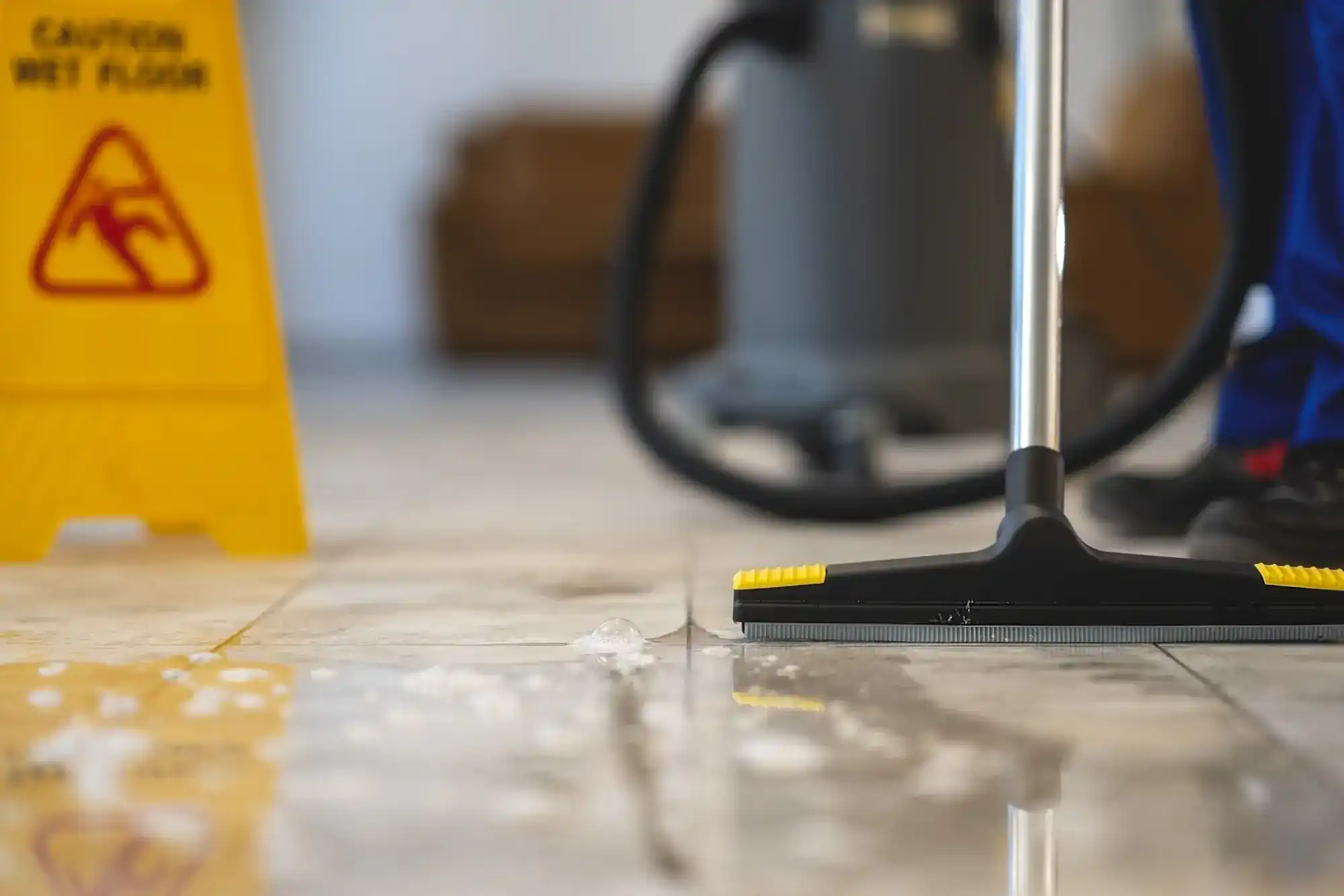

When a pipe bursts at 2 AM or you walk downstairs to a flooded basement, you need someone who picks up the phone and shows up fast. Not someone who quotes you one price and bills another. Not a crew that disappears halfway through the job.
You’re dealing with enough stress already. The last thing you need is a disaster restoration company that makes the situation worse with inflated scopes or vague timelines.
What you actually get here is straightforward communication from the first call through final walkthrough. A project manager who keeps you updated without you having to chase them down. Work that gets done right the first time, so you’re not dealing with mold growth or hidden moisture three months later. And pricing that reflects what your property damage restoration actually requires—nothing more, nothing less.
Story Hill homeowners face real flood risk, especially with nearly 9% of properties vulnerable to severe flooding over the next 30 years. That’s why emergency restoration near me searches spike after every heavy rain. You want a 24-hour restoration company that understands local conditions and responds accordingly.
We operate throughout Story Hill and the greater Milwaukee area with one clear focus: doing what’s needed without the typical restoration company nonsense. We’re not the biggest name you’ll find, and we’re fine with that.
What matters more is that when you call, you’re talking to someone who knows Story Hill’s housing stock—the older homes near Miller Park, the basements that flood during spring thaw, the unique challenges that come with properties in this neighborhood. We’ve worked with families, young professionals, and retirees here who all had the same concern: “How do I know you’re not going to take advantage of me?”
Fair question. The answer is in how we operate—IICRC-certified technicians, transparent project management, and a reputation we’ve built by treating your emergency like it’s happening in our own home. Because in a community this tight-knit, word travels fast.
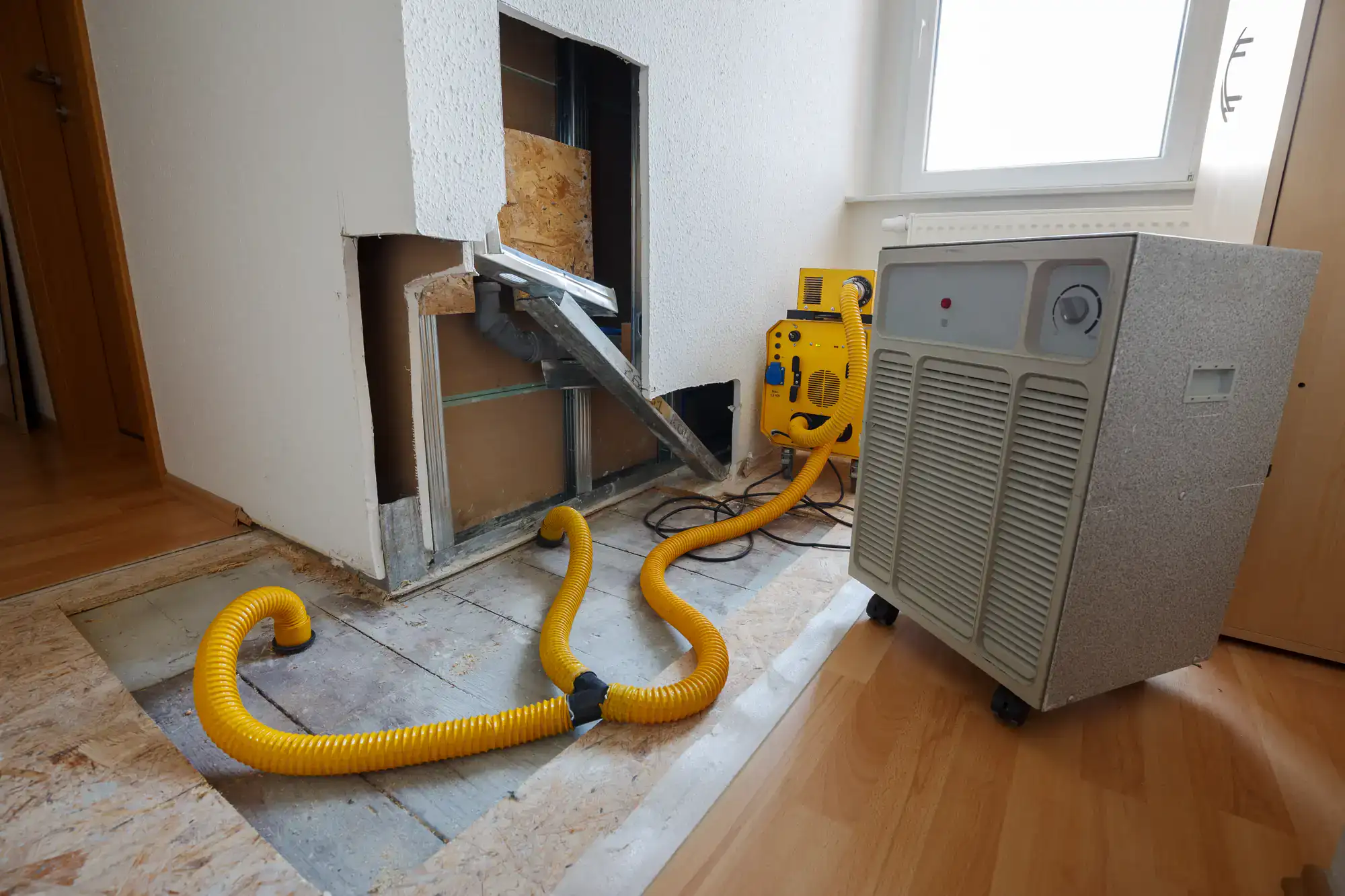
You call us—day or night—and talk to a real person who asks the right questions to understand what you’re dealing with. We’re on-site within the hour in most cases, sometimes faster depending on where you are in Story Hill.
Once we arrive, we assess the damage and walk you through what needs to happen immediately versus what can wait. Water extraction and structural drying come first if you’re dealing with flooding. Fire damage means securing the property and addressing smoke residue before it sets in permanently.
You get a written scope of work that breaks down each phase: mitigation, drying, demolition if necessary, and restoration. No surprise charges later. Your project manager stays in contact throughout—not just when it’s convenient, but when you have questions or your insurance adjuster needs documentation.
Most damage restoration services in Story Hill take anywhere from a few days to a couple weeks depending on severity. We’re not going to rush through and leave moisture behind. But we’re also not going to drag it out and keep you in limbo. You’ll know the timeline upfront, and we’ll tell you immediately if anything changes.

Ready to get started?
Every restoration job in Story Hill starts with emergency mitigation—stopping the damage from getting worse. That means water extraction, board-up services for fire or storm damage, and immediate drying equipment deployment. You’re not waiting days for someone to start protecting your property.
From there, you get full documentation for your insurance claim. Photos, moisture readings, detailed notes about what was affected and why certain work is necessary. Most homeowners don’t realize how important this step is until their claim gets denied because of missing paperwork. We handle that part so you’re not scrambling to prove your case.
Story Hill’s housing market shows median home values around $395K, and properties here sit on the market for about 40 days. That matters because if you’re trying to sell or you’re a new homeowner, unresolved water damage or improper restoration tanks your home’s value fast. We make sure the work is done right—meaning no hidden moisture, no shortcuts that come back to haunt you during inspection.
The restoration phase covers everything from drywall and flooring replacement to paint and final finishes. One crew, one point of contact, one company accountable for the entire job. You’re not coordinating between five different contractors hoping they all show up when they’re supposed to.
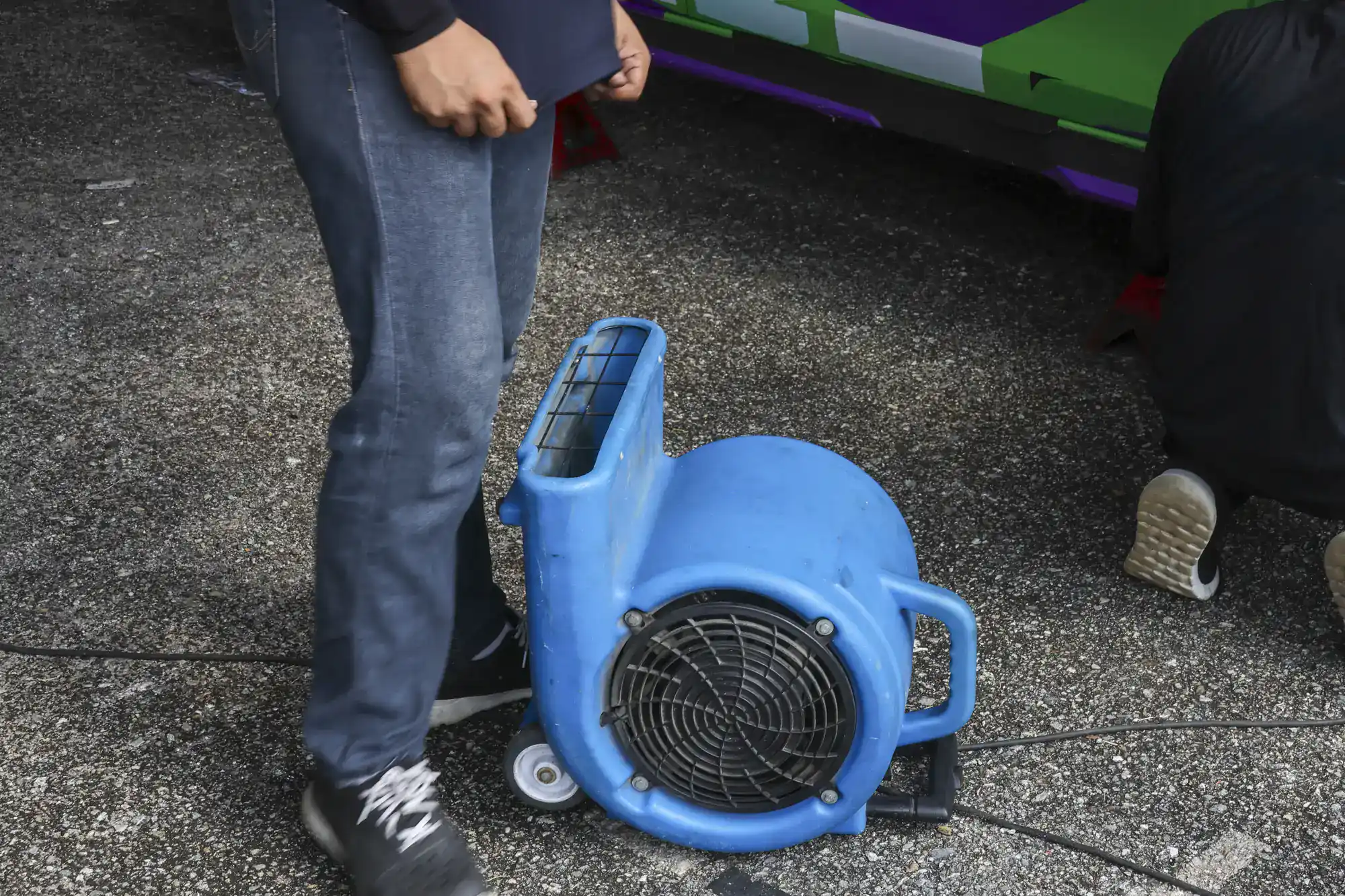
We’re on-site within an hour for most emergency calls in Story Hill, sometimes within 30 minutes depending on where our crews are when you call. That response time matters more than most people realize—especially with water damage.
The first 24 to 48 hours determine whether your hardwood floors can be saved or need full replacement. Whether that drywall can dry out or has to be torn out. Whether you’re dealing with a manageable cleanup or a mold remediation project three weeks from now.
A true 24-hour restoration company means someone answers at 3 AM on a Sunday and dispatches a crew immediately. Not a voicemail. Not a call-back in the morning. If you’re searching “emergency restoration near me” at midnight because your basement is flooding, you need help now—not during business hours.
Honest answer: it depends entirely on what’s damaged and how far the damage spread before it was caught. A small supply line leak caught early might run a few thousand. A finished basement that sat in water for six hours is a different conversation.
Most water damage insurance claims average around $12,514 according to industry data, but that’s a national average. In Story Hill, where older homes and basement flooding are common, costs vary based on your property’s age, the materials involved, and how quickly mitigation started.
What you should expect from any restoration company is a written estimate before work begins—not a vague range or a “we’ll figure it out as we go” approach. You’ll know what your insurance should cover, what your deductible is, and whether any additional work falls outside the claim. No surprises on the final invoice.
You ask questions, and you pay attention to how they answer. A trustworthy disaster restoration company explains why each step is necessary and what happens if you skip it. They’re not pushy about add-ons, and they’re willing to show you the moisture readings or damage assessment that justifies the work.
Red flags include pressure to sign immediately, reluctance to provide written estimates, or vague explanations like “this is just what we always do.” If they can’t explain why six dehumidifiers are necessary instead of three, or why they need to remove drywall four feet up instead of two, keep asking.
In Story Hill, where 9% of properties face serious flood risk, some companies see dollar signs and pad the scope accordingly. The difference is whether they’re documenting real damage or assuming you won’t question the plan. You should always feel comfortable asking “why” at any point in the process—and getting a clear answer.
Most homeowner policies cover sudden and accidental water damage—like a burst pipe or appliance failure. They typically don’t cover gradual damage from a slow leak you didn’t notice, or flooding from external sources unless you have separate flood insurance.
Your policy will also have a deductible, usually between $500 and $2,500, that you pay out of pocket before coverage kicks in. After that, insurance should handle the restoration costs up to your policy limits, assuming the damage falls under a covered event.
Where this gets tricky is documentation. Insurance adjusters need proof of what was damaged, how it happened, and why certain repairs are necessary. That’s where working with a restoration company experienced in insurance claims makes a real difference. We provide the documentation, communicate directly with adjusters, and make sure you’re not stuck paying for covered work because of missing paperwork.
Mitigation and drying typically take three to five days depending on how much water was involved and what materials were affected. Hardwood floors and drywall take longer to dry than tile and concrete. Humid Milwaukee summers slow the process compared to drier months.
Once everything’s dry and demolition is complete, reconstruction timelines depend on scope. Replacing drywall and flooring in one room might take a week. A whole-floor restoration with kitchen or bathroom work involved can stretch to three weeks or more.
The bigger variable is usually insurance approval and material availability, not the actual work. If your adjuster takes a week to approve the estimate, or if your flooring choice is backordered, that delays the timeline regardless of how fast the crew works. A good project manager keeps you updated on what’s causing any delays and what the realistic completion date looks like as things progress.
Mold growth starts within 24 to 48 hours in the right conditions—and Story Hill’s humid climate during summer creates those conditions fast. If water damage isn’t dried properly or hidden moisture gets missed, you’re looking at mold remediation on top of restoration work.
That’s why thorough drying and moisture testing matter so much. It’s not enough to run fans for a couple days and call it done. Professional drying equipment, moisture meters, and thermal imaging catch problem areas before mold takes hold.
If mold does appear, it needs to be handled separately from standard restoration. Containment, air filtration, removal of affected materials, and treatment of surfaces all fall under mold remediation protocols. It’s more expensive and time-consuming than just addressing the water damage correctly in the first place—which is exactly why proper drying matters from day one.
Other Services we provide in Story Hill