
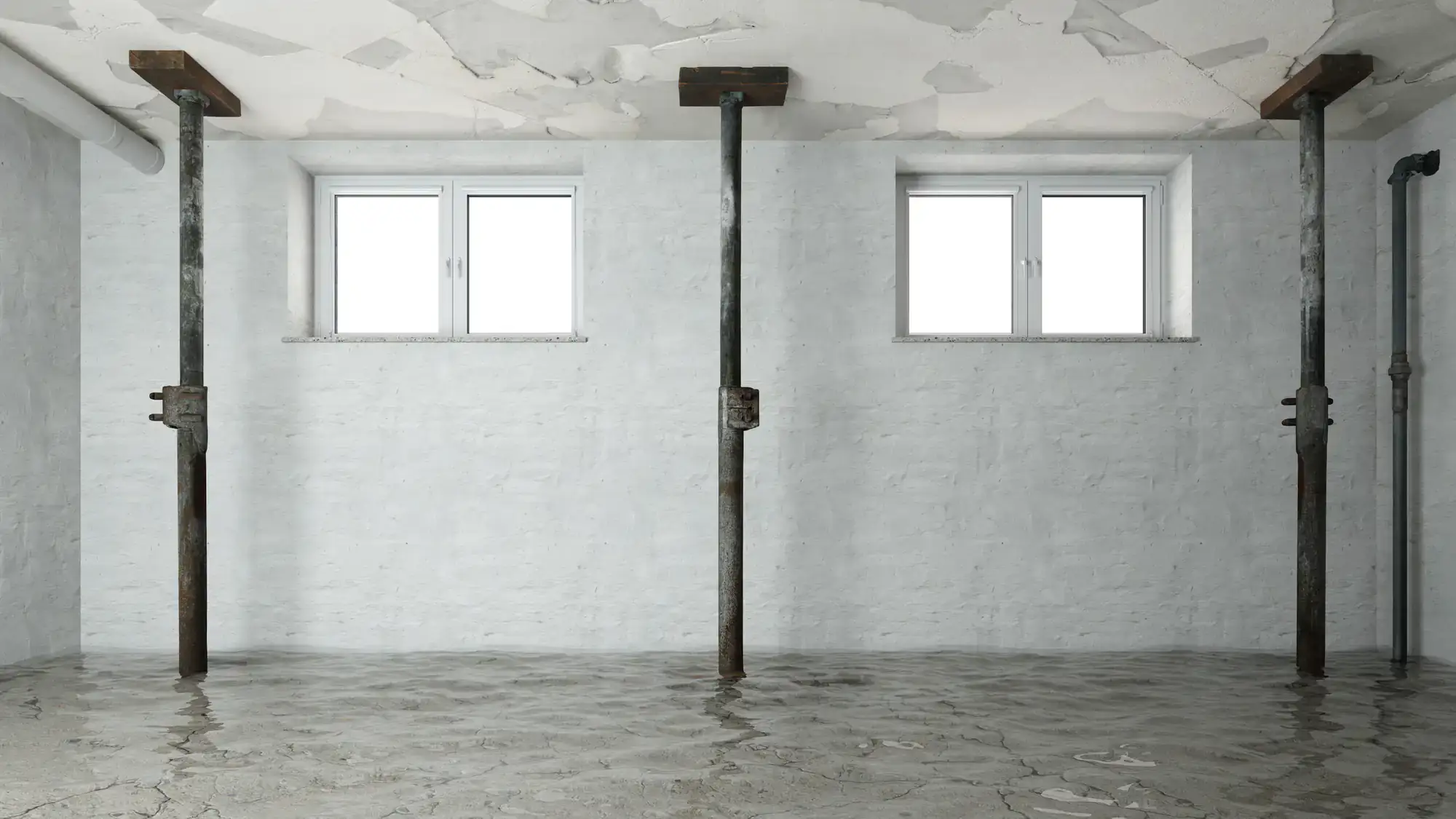
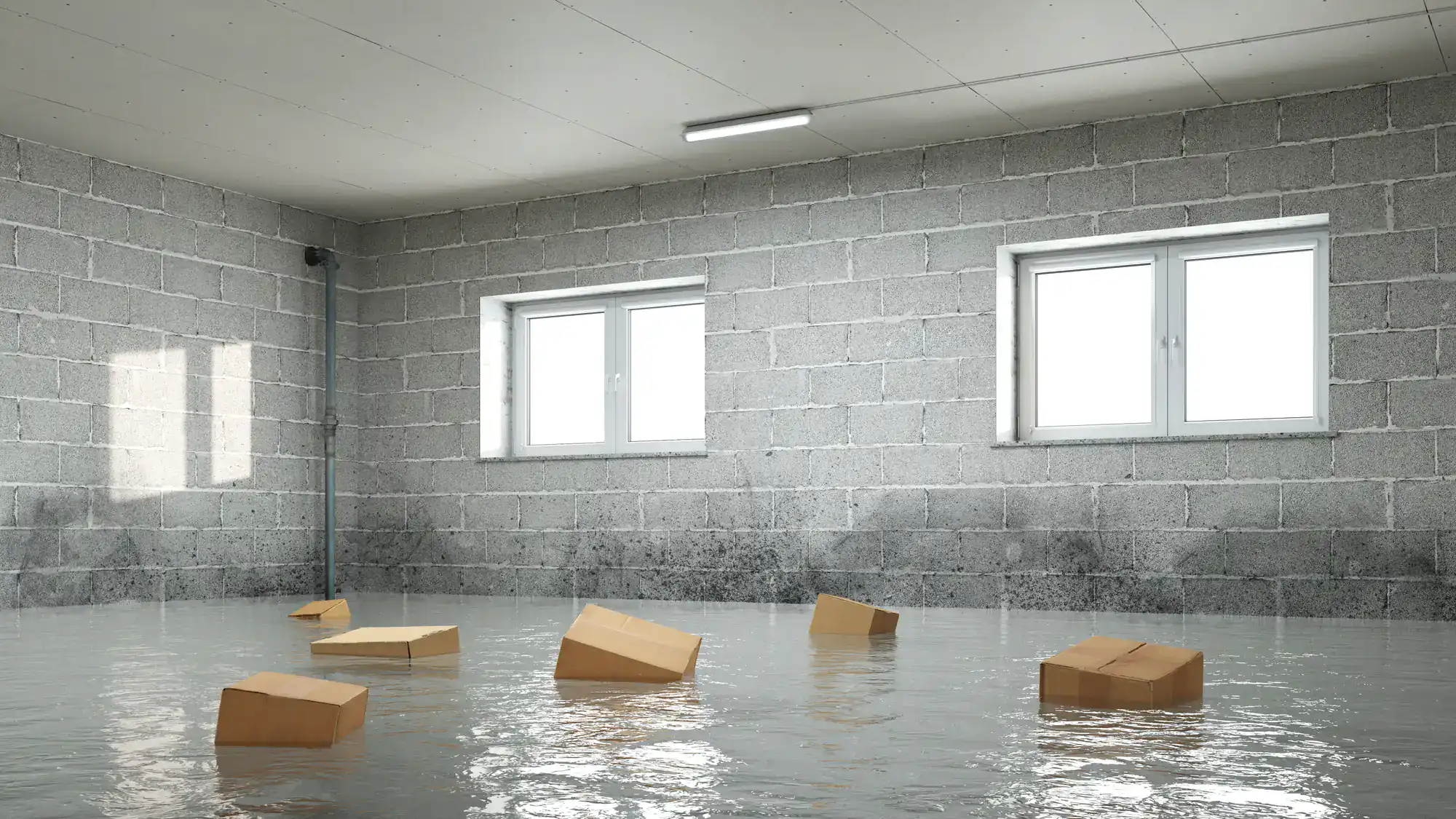
When your basement floods, the clock starts immediately. Standing water seeps into drywall, insulation, flooring, and anything stored below grade. What starts as a few inches of water becomes structural damage, ruined belongings, and mold growth if you wait too long.
We pump out flooded basements fast using high-powered extraction equipment that removes standing water in hours, not days. Then we dry what’s left behind using commercial dehumidifiers and air movers that pull moisture out of materials most homeowners can’t even see.
The goal isn’t just to make your basement look dry. It’s to actually get it dry—down to safe moisture levels that won’t support mold, won’t warp your floors, and won’t leave you dealing with lingering damage months later. You get your space back, your air quality stays safe, and the problem stops where it started.
We serve homeowners across Wilson Park and the greater Milwaukee area when basements flood, pipes burst, and water damage hits without warning. We’re not a national franchise. We’re a local team that understands how Wisconsin weather works—heavy spring rains, summer storms, and fluctuating humidity that makes basements vulnerable year-round.
You won’t get inflated scopes or unnecessary add-ons. Every job gets a project manager who walks you through what needs to happen, why it needs to happen, and what it’s going to cost. We explain the work in plain terms because you deserve to understand what’s being done in your home.
When Wilson Park homeowners call us after a basement flood, they’re usually stressed, overwhelmed, and worried about cost. We treat that situation the way we’d want to be treated—with clarity, respect, and real solutions that actually solve the problem.
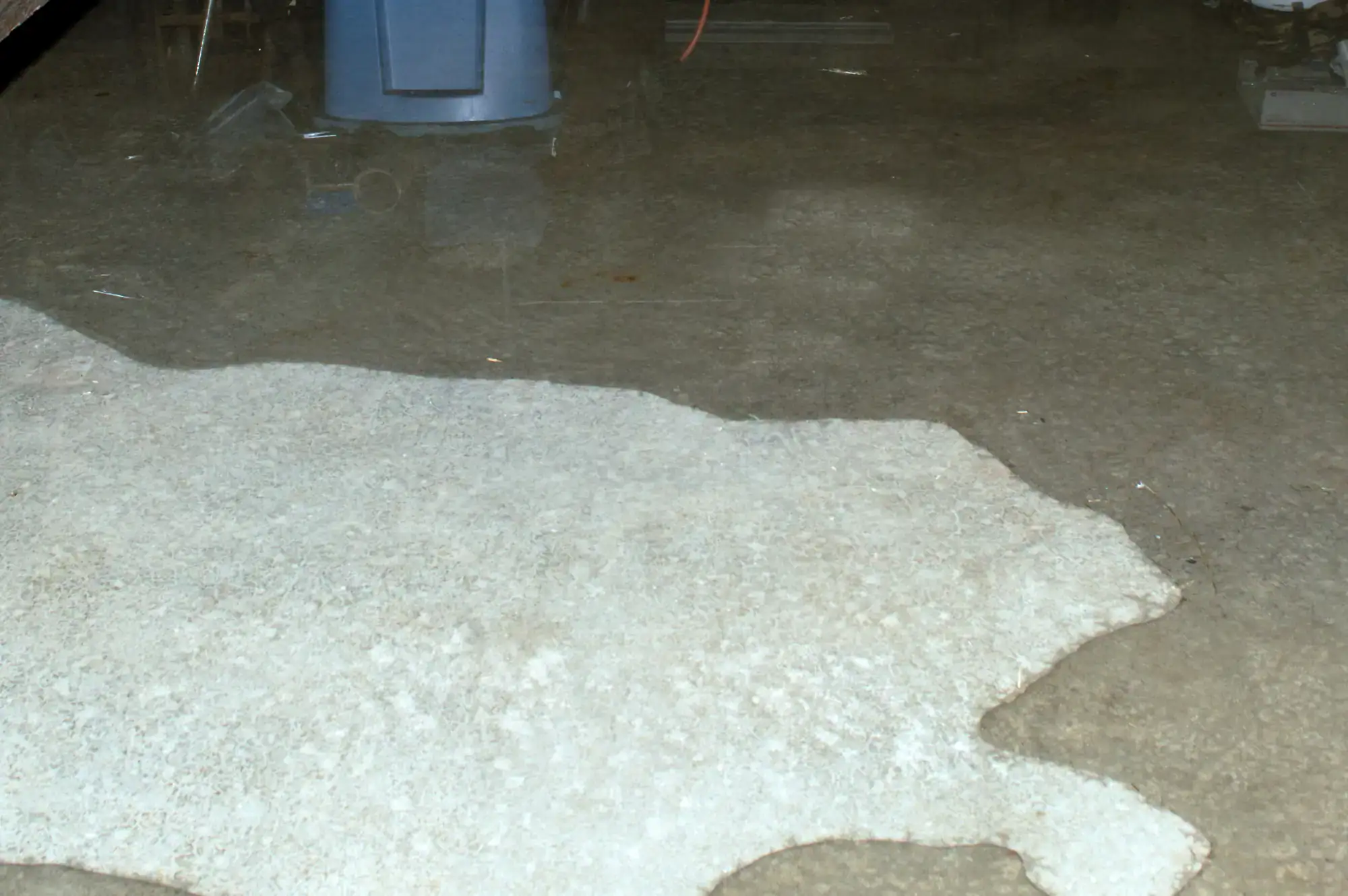
First, we assess the situation. How much water? Where did it come from? What’s been affected? We use moisture meters to check walls, floors, and hidden areas where water likes to settle. You get a clear picture of what you’re dealing with before any work starts.
Next, we extract the water. We bring in pumps and vacuums designed to remove large volumes of standing water quickly. If your basement has several inches of water, we get it out fast to minimize damage to your foundation, flooring, and anything else in the space.
Then we dry everything properly. This isn’t about pointing a fan at a wet spot. We set up industrial dehumidifiers and air movers in strategic locations to pull moisture out of materials that absorbed water—subfloors, drywall, insulation, framing. We monitor moisture levels daily until everything hits safe thresholds.
Finally, we treat for mold prevention and handle any necessary repairs. Antimicrobial treatments go on affected surfaces. Damaged materials get removed and replaced. You’re left with a clean, dry, safe basement—not a half-finished cleanup that causes problems later.
Ready to get started?
You get complete water extraction using commercial-grade pumps and vacuums. We don’t stop at surface water—we pull moisture out of carpet, padding, and porous materials that hold water long after the visible flooding is gone.
You get professional drying and dehumidification. Wilson Park’s humidity levels can make drying a basement tricky, especially in spring and summer. We account for that by using equipment calibrated for Wisconsin’s climate, and we monitor progress with moisture meters to confirm everything is actually dry.
You get mold prevention treatments applied to affected areas. Basements are already prone to mold because of their below-grade location and limited airflow. Add a flood to that environment and you’re looking at mold growth within 24 to 48 hours if it’s not handled right. We treat surfaces with antimicrobials that inhibit growth and keep your air quality safe.
You also get help with insurance documentation if you’re filing a claim. We photograph damage, log equipment usage, and provide the paperwork your insurer needs to process your claim. Most homeowners insurance doesn’t cover flooding, but if your basement flood came from a burst pipe or appliance failure, you might have coverage—and we’ll help you navigate that process.
We offer 24/7 emergency response because basement floods don’t wait for business hours. When you call, you’ll talk to a real person who can dispatch a team to your home in Wilson Park as quickly as possible—often within a couple of hours depending on the time of day and current demand.
Speed matters because water damage accelerates fast. The longer water sits in your basement, the more it soaks into drywall, insulation, flooring, and structural materials. Mold can start growing within 24 to 48 hours in the right conditions, and Wisconsin’s humidity creates those conditions regularly.
Getting us on-site quickly means we can stop the damage from spreading, extract standing water before it causes more problems, and start the drying process while there’s still time to save materials that might otherwise need replacement. You’re not just getting faster service—you’re reducing the total cost and scope of the damage.
It depends on what caused the flood. Standard homeowners insurance typically does not cover flooding caused by heavy rain, groundwater seepage, or sewer backups. That type of flooding usually requires separate flood insurance through the National Flood Insurance Program or a private flood policy.
However, if your basement flooded because of a burst pipe, a failed sump pump, a broken water heater, or another sudden internal failure, your homeowners policy might cover the damage. The key difference is whether the water came from inside your home’s plumbing system or from an external source like rain or rising groundwater.
We help you document everything either way. We’ll photograph the damage, note the suspected cause, track our equipment and labor, and provide the documentation your insurance company needs to evaluate your claim. If you’re not sure whether you’re covered, we recommend calling your insurer right away while we handle the water extraction and drying. You can sort out payment later—the priority is stopping the damage now.
Most basements take three to five days to dry completely, but the timeline depends on how much water was present, what materials were affected, and how humid the air is when we start. A basement with a few inches of water on a concrete floor dries faster than one with soaked drywall, insulation, and carpet.
We don’t guess. We use moisture meters to measure levels in your floors, walls, and other materials every day. When those readings hit safe thresholds—typically below 15% moisture content for wood and similar materials—we know the space is dry enough to prevent mold growth and further damage.
Rushing this process causes problems. If you pull equipment too early, moisture that’s still trapped in materials will wick back out and create conditions for mold, warping, and odors. We keep dehumidifiers and air movers running until the job is actually done, not just until it looks done. You’ll know exactly where things stand because we share those moisture readings with you throughout the process.
You can remove standing water with a shop vac or rental pump, but you probably won’t get everything. Water seeps into wall cavities, under flooring, into insulation, and other hidden areas that household equipment can’t reach. What you can’t see is usually what causes the biggest problems later—mold growth, wood rot, and lingering moisture that weakens your foundation.
Drying is the harder part. A couple of box fans won’t pull enough moisture out of a flooded basement to prevent mold, especially in Wilson Park’s humid climate. You need commercial dehumidifiers that can process hundreds of pints of water per day, plus air movers positioned to create airflow in the right places. Without that equipment, you’re leaving moisture behind.
There’s also a safety issue. Floodwater can be contaminated with sewage, chemicals, or bacteria depending on where it came from. If your basement flooded because of a sewer backup or groundwater intrusion, you’re dealing with category 2 or category 3 water that poses health risks. We have the protective equipment, cleaning agents, and training to handle contaminated water safely. Most homeowners don’t.
Yes. If we find mold during our initial assessment or if it starts growing during the drying process, we treat it as part of the restoration. Mold needs moisture to grow, so our first priority is eliminating the water source and drying everything out. Once that’s handled, we remove any materials that are heavily contaminated and can’t be salvaged.
For surfaces that can be saved, we apply antimicrobial treatments that kill existing mold and inhibit future growth. This includes walls, framing, concrete, and other structural materials that were exposed to water. We don’t just spray something and hope it works—we follow IICRC guidelines for mold remediation to make sure the job is done right.
If the mold growth is extensive—covering large sections of drywall, insulation, or framing—we’ll recommend removal and replacement of those materials. Trying to clean heavily contaminated porous materials usually doesn’t work long-term. You’re better off cutting out the problem, treating what’s left, and rebuilding with new materials. We’ll walk you through what makes sense for your situation and explain why we’re recommending what we’re recommending.
First, stop the water source if you can. If a pipe burst, shut off your main water line. If a sump pump failed, see if you can get it running again or unplug it if it’s causing electrical issues. If the flood came from outside and you can’t control it, move to the next step.
Second, get anything valuable or important out of the water if it’s safe to do so. Don’t wade into deep water or water that might be electrically charged from outlets or appliances. If you’re unsure, stay out. But if you can safely grab documents, electronics, photos, or other irreplaceable items, get them to a dry area.
Third, call us. The sooner we start extracting water and drying your basement, the less damage you’ll deal with overall. Don’t wait to see if it dries on its own—it won’t, and the delay will cost you more in repairs, mold remediation, and replacement materials. We’ll walk you through what to expect, give you a clear timeline, and get a team to your home as fast as possible.
Other Services we provide in Wilson Park