
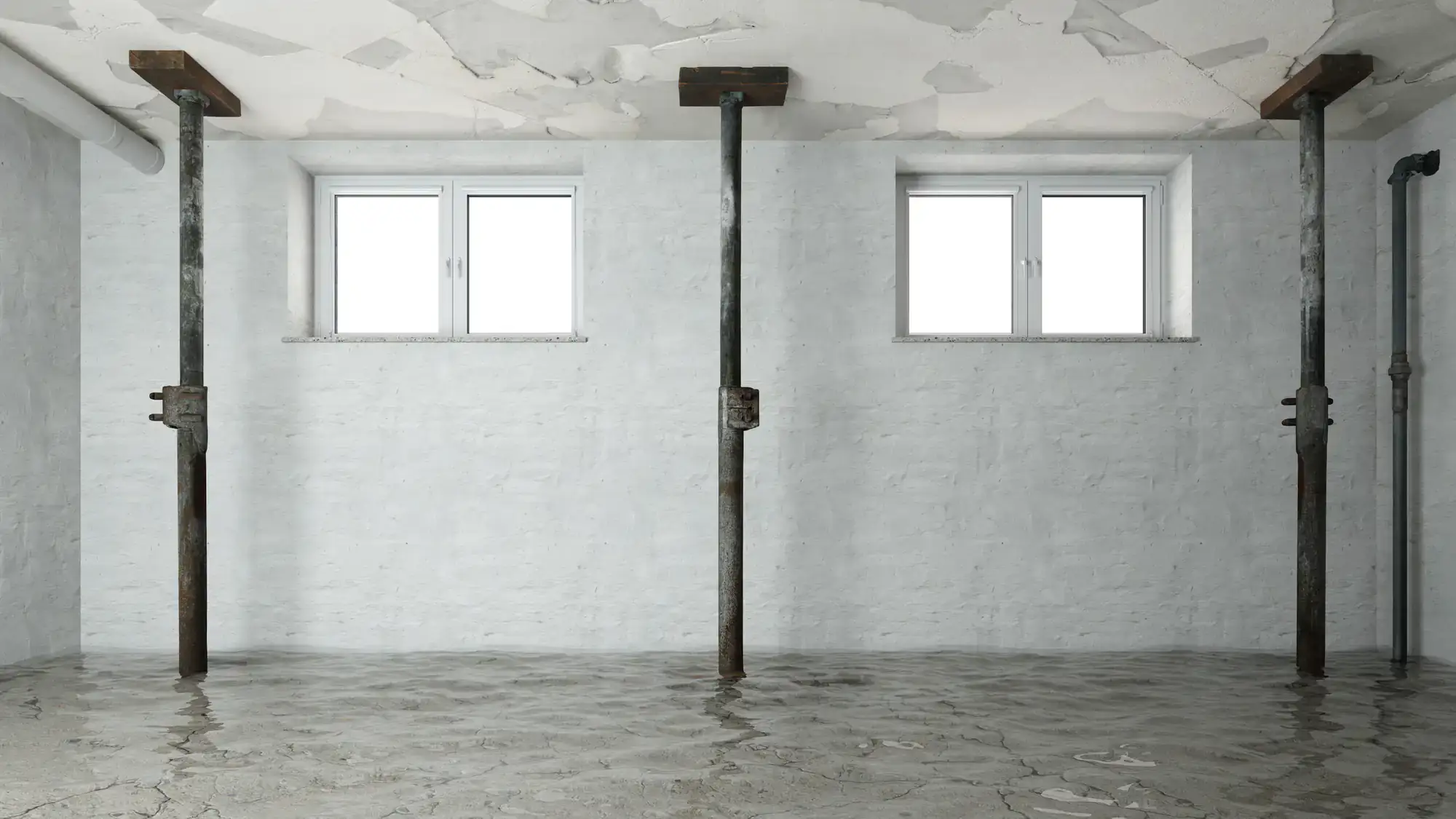
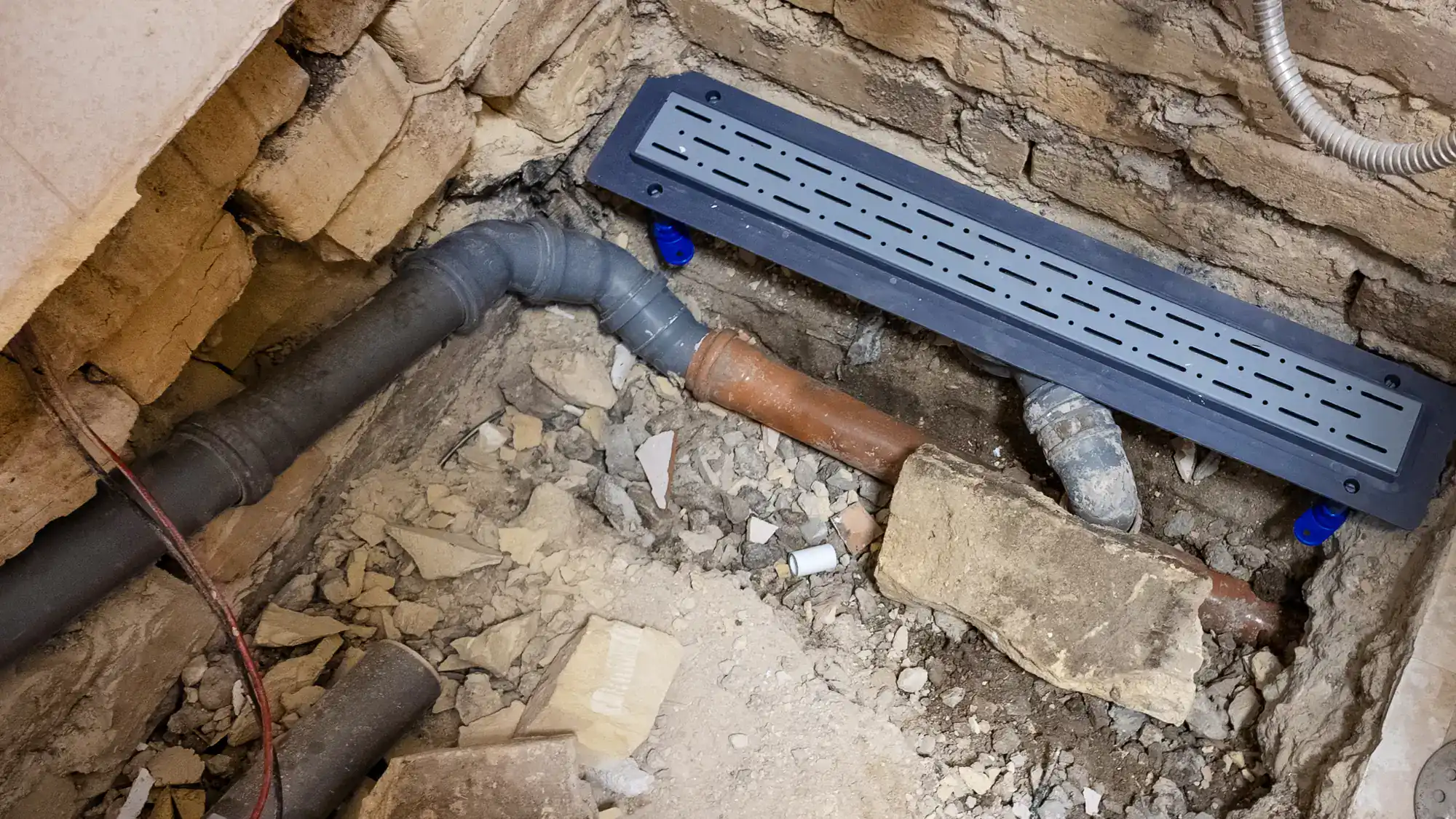
Your basement is dry. The standing water is gone, the air smells normal again, and you’re not lying awake wondering if mold is growing behind your walls.
That’s what matters after a basement flood in Timmerman West, WI. Not just removing the water—making sure it doesn’t come back to haunt you in the form of structural damage, health problems, or an insurance nightmare.
When we handle flooded basement cleanup, you get industrial-grade extraction that pulls water from carpet padding, concrete pores, and hidden spaces most homeowners don’t even know exist. Then we dry it properly using commercial dehumidifiers and air movers, not box fans from the garage. We document everything for your insurance claim so you’re not scrambling to prove what happened. And we treat surfaces to stop mold before it starts, because waiting 48 hours to “see what happens” is how small problems become expensive ones.
You’re not just getting your basement back. You’re getting it back safely, completely, and without the lingering worry that something was missed.
We operate right here in Timmerman West, WI, and we’ve been responding to basement floods since long before the August 2025 storm that dumped over 14 inches of rain at Timmerman Airport. That event alone generated more than 21,000 damage reports across Milwaukee County—and we were on the ground helping homeowners recover.
We’re not a national franchise with a local sticker on the truck. We’re a locally focused team that knows how Wisconsin basements flood, what Milwaukee County homeowners deal with during spring melt and summer storms, and how to move fast without cutting corners. Every job gets a dedicated project manager who keeps you updated, answers your questions, and makes sure nothing falls through the cracks.
You’ll work with people who live in this community and care about doing the job right—not just doing the job fast.
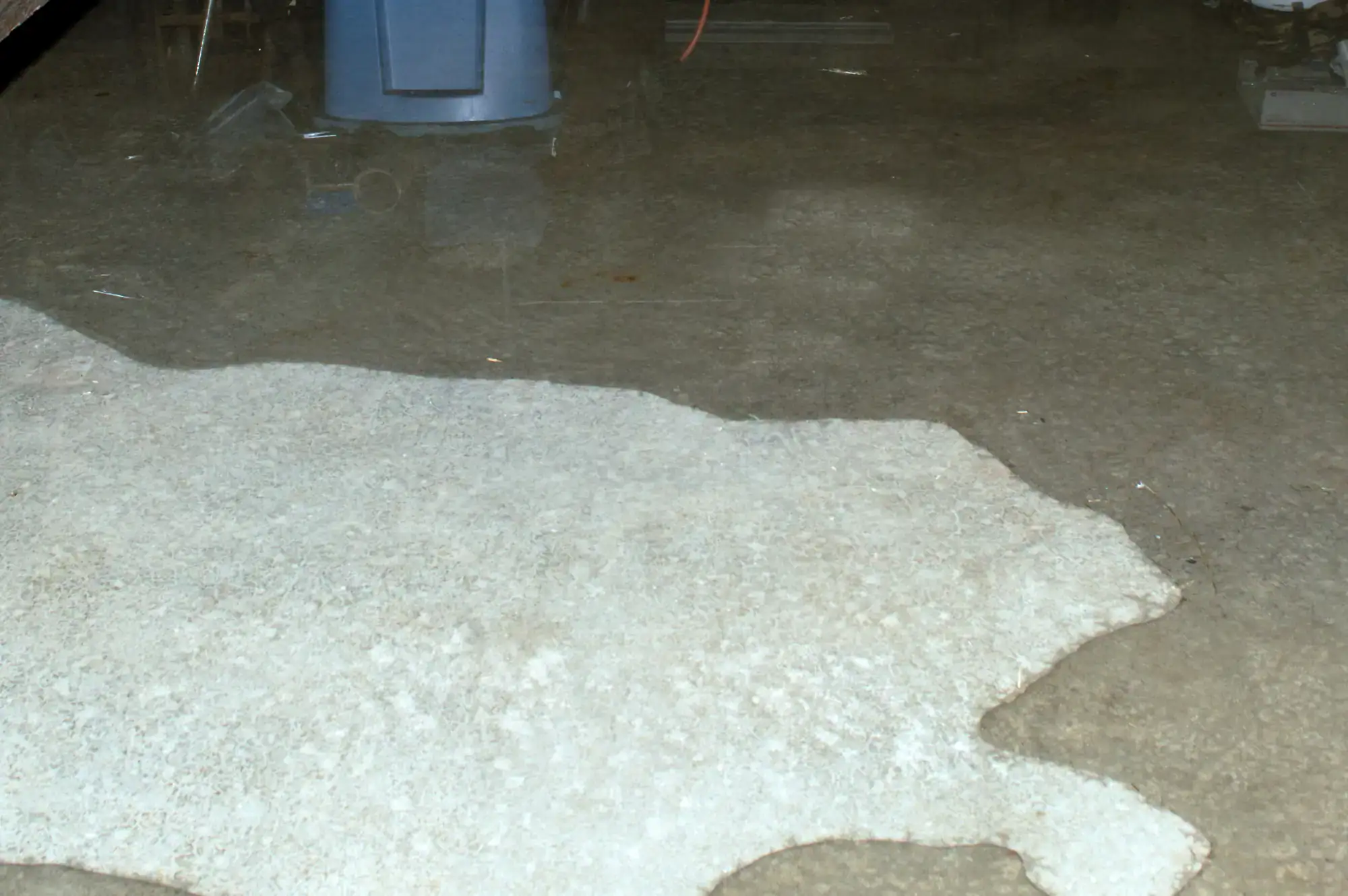
First, we make sure it’s safe to enter. If there’s any chance of electrical hazards from submerged outlets or appliances, we confirm power is off before anyone steps into standing water. Safety comes first—always.
Next, we pump out the flooded basement using industrial-grade extractors that remove thousands of gallons per hour. This isn’t a wet vac job. We’re pulling water from carpet, padding, baseboards, and concrete faster than it can soak deeper into your home’s structure.
Then we assess the damage. Our team uses moisture meters and thermal imaging to find water you can’t see—inside walls, under flooring, in ceiling cavities. We map out exactly what’s wet so nothing gets missed during drying.
After that, we set up commercial dehumidifiers and air movers to dry everything thoroughly. This process usually takes 3-5 days depending on how much water was present and how long it sat. We monitor moisture levels daily and adjust equipment as needed.
Finally, we treat affected areas with antimicrobial solutions to prevent mold growth, remove damaged materials that can’t be saved, and coordinate any reconstruction needed to get your basement back to normal. Throughout the process, we document everything with photos and detailed notes for your insurance claim.
You’ll know what’s happening, why it’s happening, and what comes next. No surprises.
Ready to get started?
When we handle wet basement repair in Timmerman West, WI, you’re getting a complete response—not just a guy with a pump.
We extract all standing water using truck-mounted and portable pumps capable of moving hundreds of gallons per minute. We remove soaked materials like carpet, padding, drywall, and insulation that can’t be salvaged. We dry structural elements like wood framing, subfloors, and concrete using industrial dehumidifiers and high-velocity air movers positioned based on airflow science, not guesswork.
We also handle the insurance side. That means documenting the damage with photos, moisture readings, and detailed notes that support your claim. We’ll walk you through what your policy likely covers, what you’ll need to file, and how to avoid common mistakes that delay payment.
And because this is Wisconsin, we understand the seasonal patterns. River flooding hits hard in March and April during snowmelt. Summer storms—like the August 2025 event—can drop inches of rain in hours. Sump pump failures happen during spring when systems are overworked. We’ve seen it all, and we know how to respond fast no matter what caused your basement to flood.
You’re not getting a one-size-fits-all approach. You’re getting a team that understands Timmerman West homes, Milwaukee County weather, and what it actually takes to dry a basement correctly.
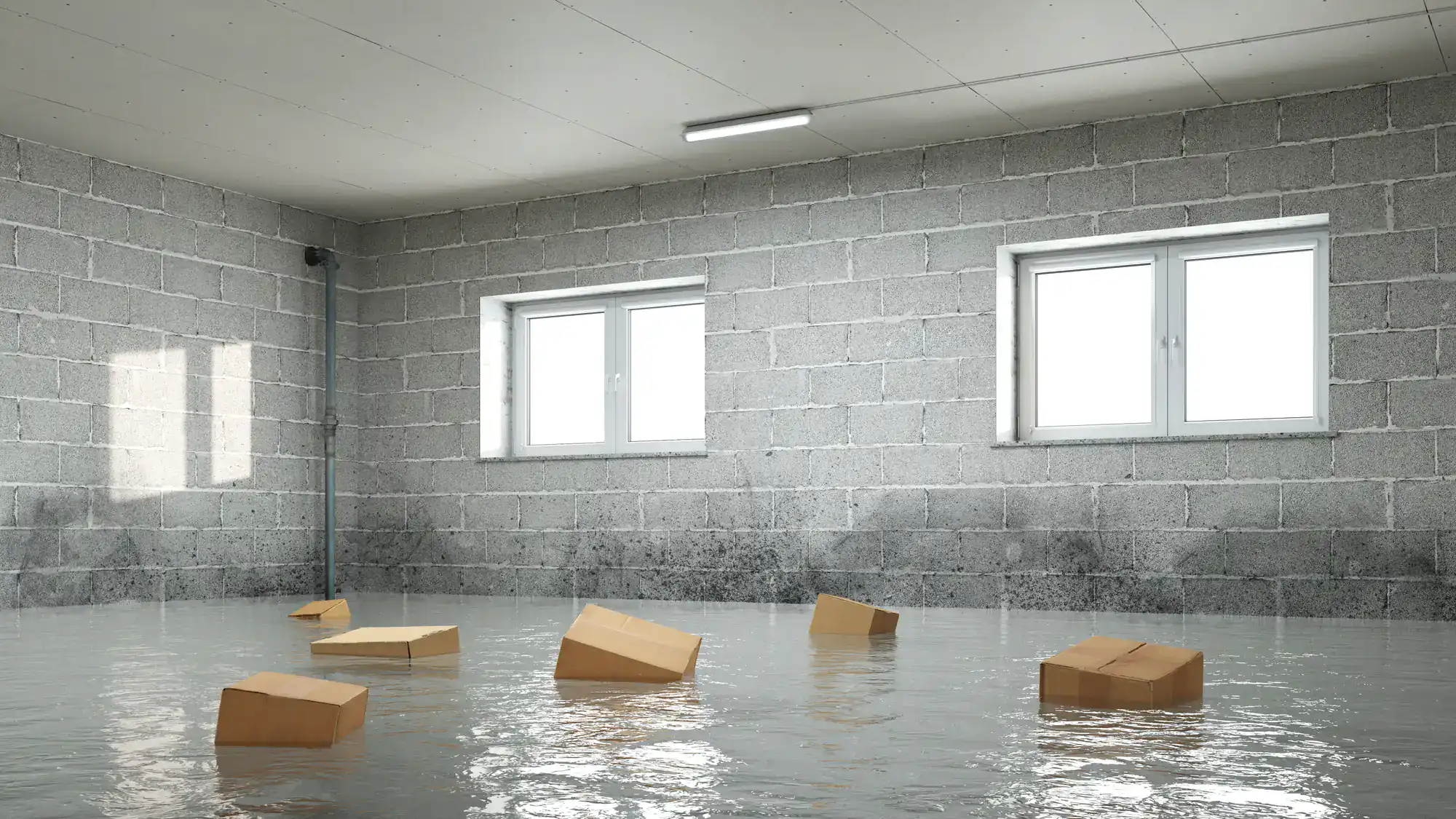
We’re available 24/7 for emergency water extraction, and we aim to be on-site within a few hours of your call. Speed matters because water damage gets worse fast—mold can start forming within 24 to 48 hours, and the longer water sits, the more it soaks into walls, flooring, and structural materials.
When you call, you’ll talk to a real person who can dispatch a crew immediately. We don’t route you through a call center or make you wait until morning. If your basement flooded at 2 a.m., we’re coming at 2 a.m.
That said, response time can vary during major weather events when multiple homes are affected at once. During the August 2025 flooding, for example, demand was extremely high across Milwaukee County. But even in those situations, we triage based on severity and get to every customer as fast as possible.
It depends on what caused the flood. Most standard homeowners insurance policies cover water damage from sudden internal failures—like a burst pipe, broken water heater, or malfunctioning sump pump. They typically don’t cover flooding from external sources like heavy rain, river overflow, or groundwater seeping in through foundation cracks. That type of damage usually requires separate flood insurance.
If you’re not sure what you have, check your policy or call your agent before assuming anything. We can also help you figure out what’s likely covered based on the damage we see. We document everything—photos, moisture readings, equipment logs—so you have what you need to file a strong claim.
One more thing: even if your policy covers the damage, there’s usually a deductible. And some policies have limits on how much they’ll pay for certain types of water damage. Knowing this upfront helps you make informed decisions about what to repair and when.
Usually 3 to 5 days, but it depends on how much water was present, how long it sat, and what materials were affected. A basement with an inch of water on sealed concrete dries faster than one with three feet of water soaking into drywall, carpet, and insulation.
We don’t just run equipment for a set number of days and call it done. We monitor moisture levels daily using meters that measure exactly how much water is still present in floors, walls, and air. When readings hit safe levels—typically below 15% moisture content for wood and similar materials—we know it’s actually dry, not just surface dry.
Rushing this process is how mold problems start. If you pull equipment too early, trapped moisture continues spreading and creates the perfect environment for mold growth. We’ve seen plenty of DIY jobs and poorly managed professional jobs where homeowners thought everything was fine, only to find mold growing weeks later. That’s why we take the time to do it right.
First, don’t walk into standing water if there’s any chance of electrical hazards. If you see outlets, appliances, or wiring submerged or near water, shut off power to the basement at your breaker box before entering. Electrocution is a real risk and not worth taking chances.
Once it’s safe, try to identify the source if possible. Is it a burst pipe you can shut off? A sump pump that failed? Water coming in through foundation cracks? Stopping the source—if you can—prevents more water from entering while you wait for help.
Then call us. The faster we start extracting water, the less damage occurs. While you’re waiting, move valuables and furniture to higher ground if you can do so safely. Take photos and videos of the damage for insurance purposes. And don’t try to dry everything yourself with household fans and dehumidifiers—it won’t be enough, and you’ll waste valuable time while water continues soaking deeper into your home’s structure.
Yes, but only if the work is done correctly and quickly. Mold needs moisture, oxygen, and organic material to grow—and a flooded basement has all three. The key is removing moisture fast enough that mold never gets a chance to establish itself.
That’s why we use commercial-grade dehumidifiers and air movers, not box fans. We’re pulling moisture out of the air and materials at a rate that keeps conditions below the threshold where mold thrives. We also treat affected surfaces with antimicrobial solutions that kill mold spores and prevent new growth.
But here’s the reality: if water sat for days before cleanup started, or if porous materials like drywall and insulation stayed wet too long, mold may have already begun growing. In those cases, we remove contaminated materials entirely rather than trying to clean them. You can’t just spray bleach on moldy drywall and call it fixed—the mold is inside the material, not just on the surface. We handle it the right way, even when that means removing and replacing more than you hoped.
It varies widely based on the amount of water, what was damaged, and how long it sat before cleanup started. A minor flood with an inch of water on sealed concrete might cost a few thousand dollars. A major flood with several feet of water affecting drywall, insulation, flooring, and personal belongings can easily run $10,000 or more.
Insurance companies pay an average of around $13,954 per water damage claim, which gives you a ballpark sense of typical costs. But your situation might be more or less depending on specifics.
We don’t give quotes over the phone because we can’t see what we’re dealing with. Once we’re on-site, we assess the damage, measure moisture levels, identify what can be saved versus what needs replacing, and give you a clear breakdown of costs before starting work. No surprises, no inflated scopes, no pushing unnecessary services. You’ll know what you’re paying for and why—and if insurance is involved, we’ll work directly with your adjuster to keep the process as smooth as possible.
Other Services we provide in Timmerman West