
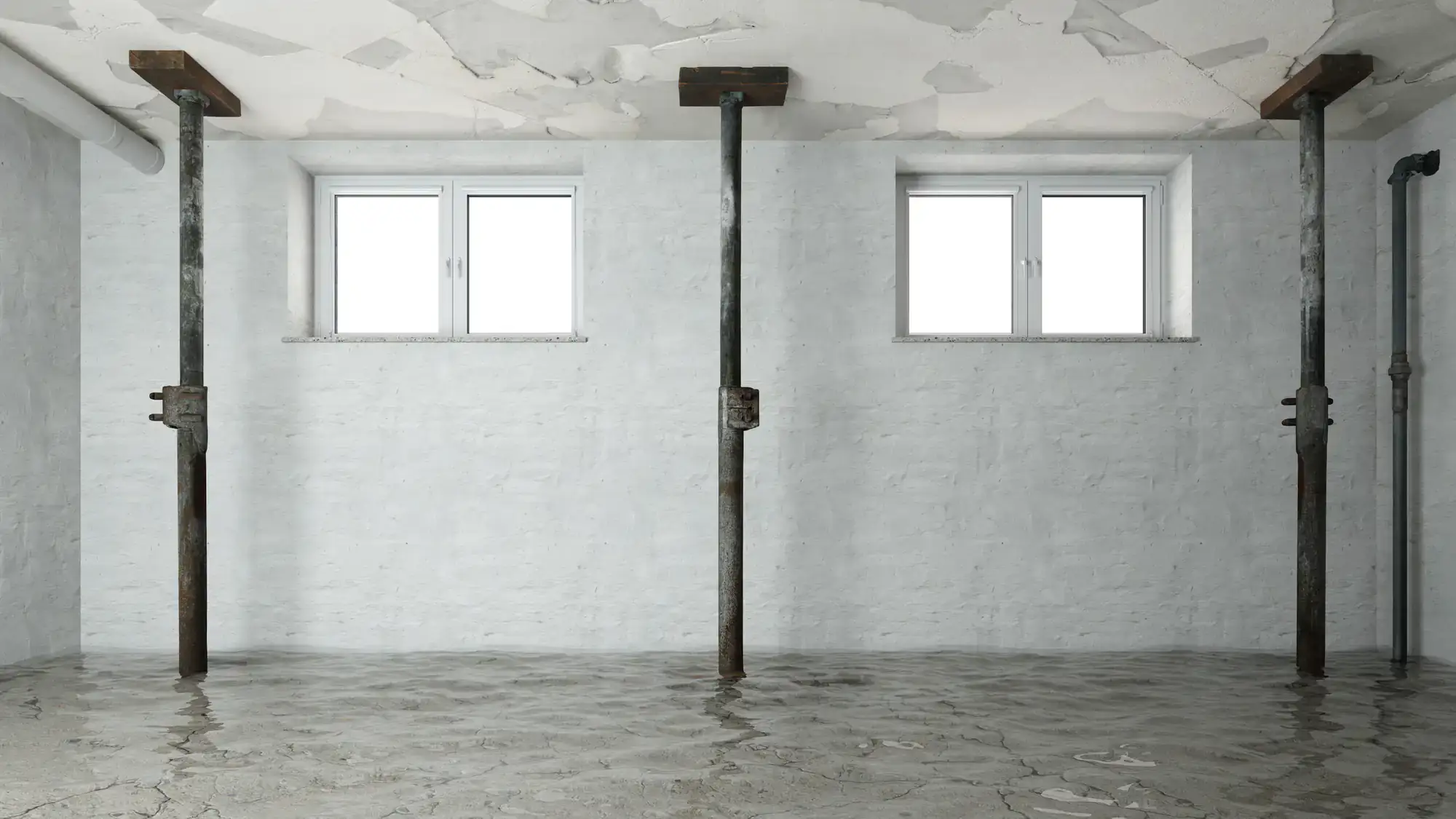
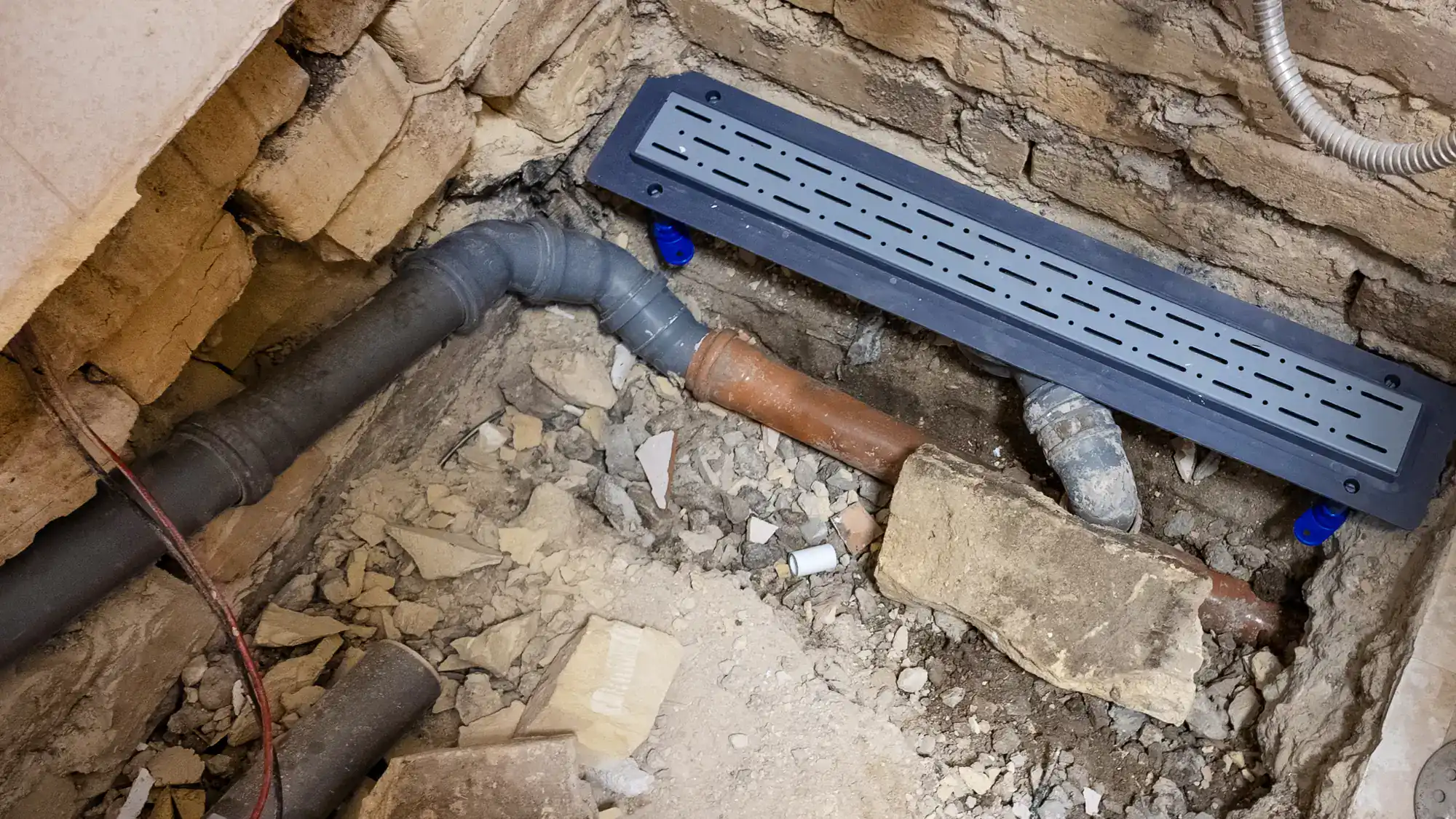
When your basement floods, the clock starts immediately. Water seeps into drywall, weakens floor joists, and creates the perfect environment for mold within 24 to 48 hours. You’re not just dealing with standing water—you’re facing potential structural damage, ruined belongings, and a growing list of questions about what to do first.
You need someone who can pump out flooded basement water quickly, assess what’s salvageable, and map out a clear plan before more damage sets in. That’s where the difference shows up. We arrive fast, extract every bit of standing water using commercial-grade equipment, and start the drying process before mold even has a chance to take hold.
The outcome isn’t just a dry basement. It’s knowing the job was done right the first time—floors properly dried, walls checked for hidden moisture, air quality restored, and everything documented for your insurance claim. You get your space back, and you move forward without wondering if something was missed.
We’ve been handling basement floods and water damage across the Milwaukee area for years. We’ve seen what happens when restoration companies cut corners, oversell unnecessary work, or disappear when the insurance questions get complicated. That’s not how we operate.
Story Hill homeowners deal with the same flooding risks the rest of Milwaukee faces—aging infrastructure, heavy spring rains, and basements that weren’t built to handle today’s weather patterns. We know the local challenges, and we know how to fix them without inflating the scope or dragging out the timeline.
You’ll work with the same project manager from start to finish. You’ll get straight answers about what needs to happen and why. And when the work is done, your basement will be dry, safe, and ready to use again.
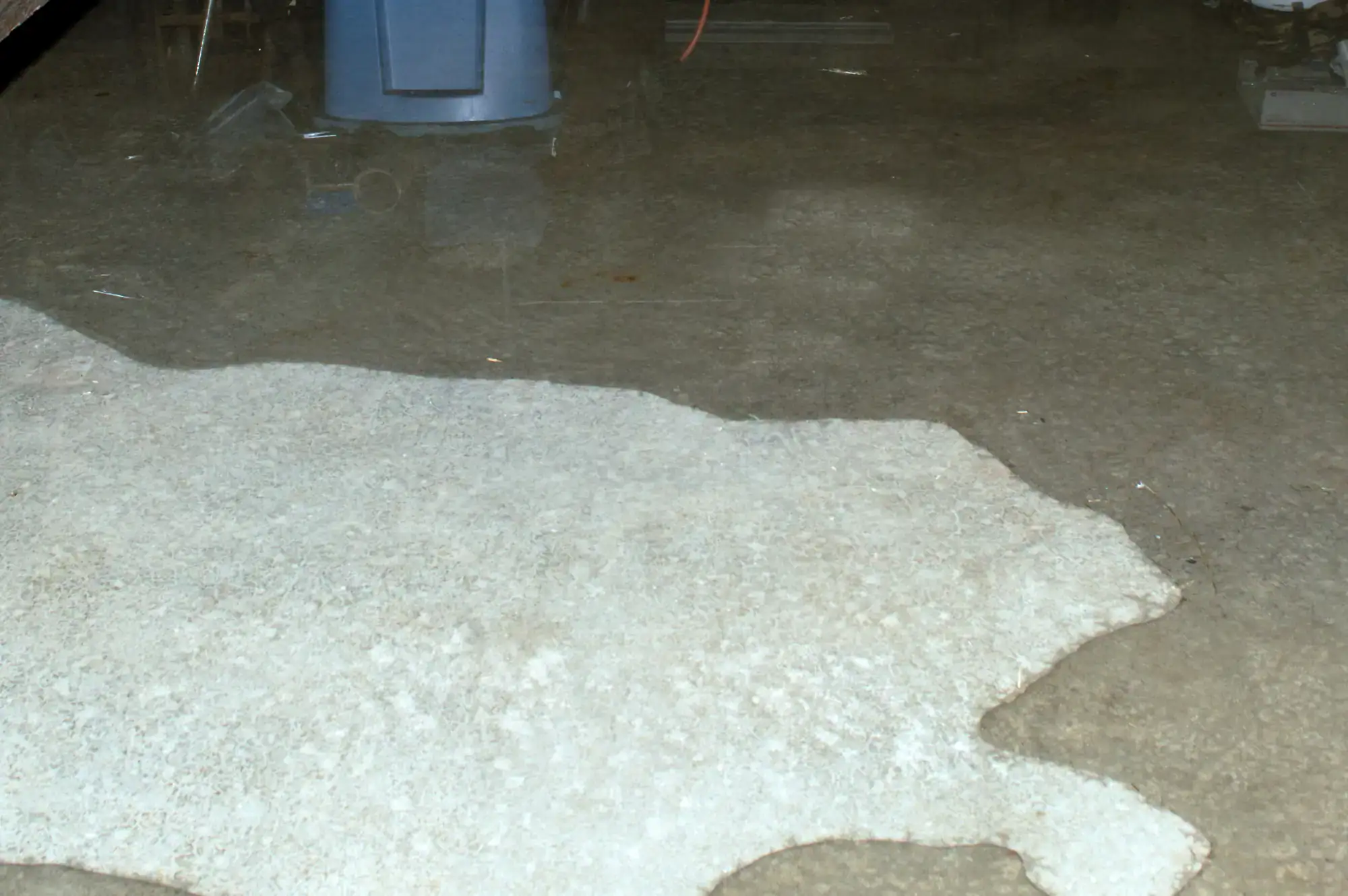
First, we show up fast—usually within an hour. Time matters when you’re dealing with a wet basement, so we don’t waste it. Our team assesses the situation, identifies the water source if it’s not obvious, and starts extracting standing water immediately using high-capacity pumps and vacuums.
Once the visible water is gone, we measure moisture levels in your floors, walls, and any affected materials. This isn’t guesswork—we use meters to find hidden moisture you can’t see. Then we set up industrial fans and dehumidifiers to dry everything out completely. This part takes a few days, and we monitor progress to make sure humidity levels drop where they need to be.
While drying happens, we document everything for your insurance company—photos, moisture readings, scope of damage. If there’s structural work needed, like replacing insulation or drywall, we handle that too. And if we find mold or contamination from sewage backup, we take care of it safely and thoroughly.
You’re not left guessing what’s next. We walk you through each step, answer your questions as they come up, and keep you updated until the job is finished.
Ready to get started?
Every basement flood is different, but the process stays consistent. You get complete water extraction, thorough drying with professional equipment, and full moisture monitoring until levels return to normal. We don’t leave until the job is actually done.
If your basement flooded due to a sewer backup or contaminated water, we handle the sanitization and disinfection to make sure the space is safe. Floodwater in Wisconsin often carries bacteria, chemicals, and debris—especially during heavy rain events like the ones Story Hill has seen in recent years. We treat contaminated water seriously and clean it properly.
Structural repairs are part of the package when needed. That means replacing damaged drywall, fixing insulation, restoring flooring, and repairing anything water compromised. We also work directly with your insurance company to document the damage and communicate what’s covered. Most homeowners don’t realize their standard policy excludes certain types of water damage, so we help clarify what you’re working with and how to move forward.
You’re not paying for unnecessary add-ons or inflated estimates. You’re paying for the work that actually needs to happen—and nothing else.
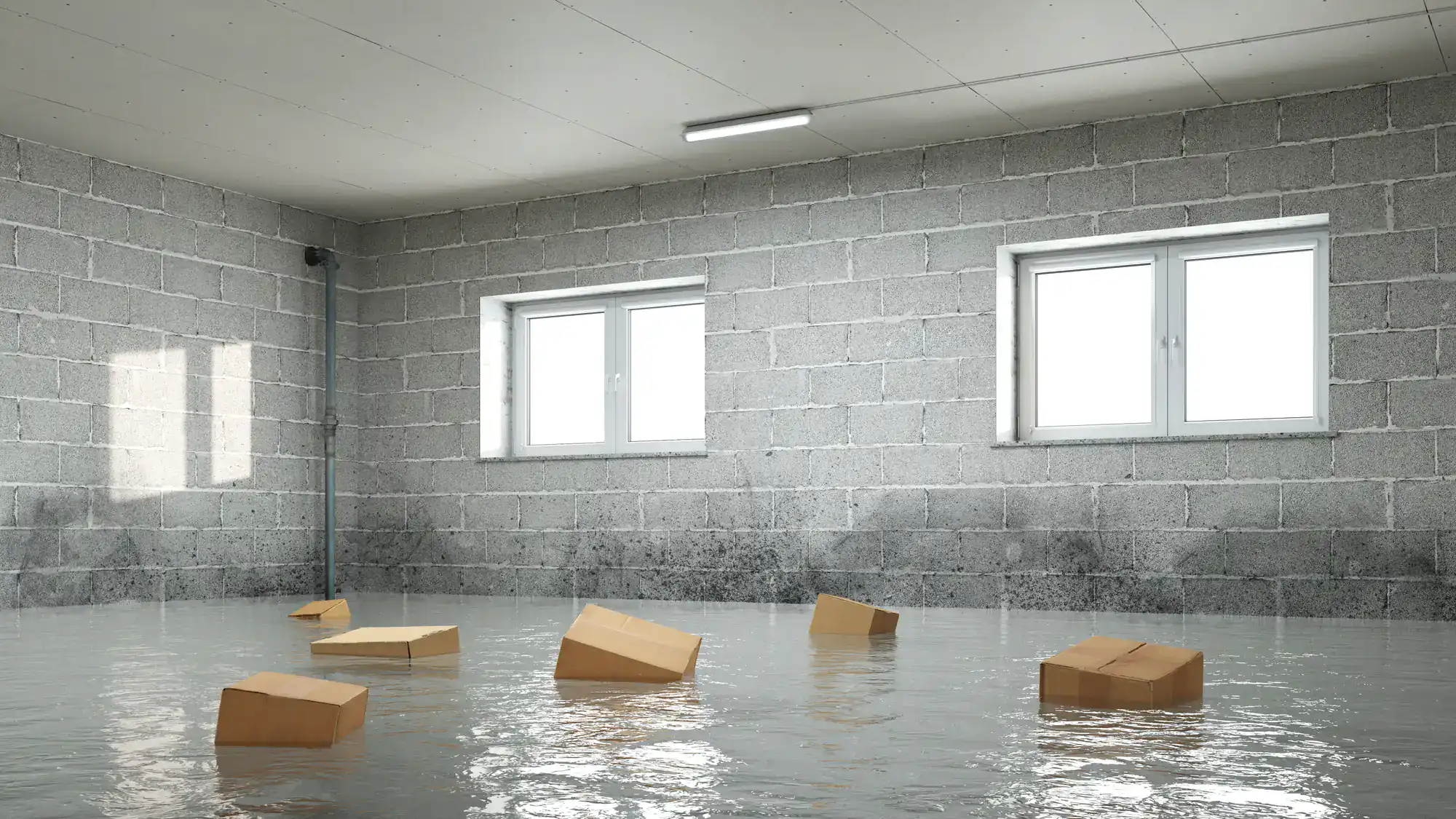
You want standing water out within the first 24 hours if possible. The longer water sits, the more it soaks into porous materials like drywall, insulation, and wood framing. After 48 hours, mold starts growing, and what could have been a straightforward cleanup turns into a mold remediation project.
Speed also affects your belongings. Furniture, boxes, anything sitting in water—it all absorbs moisture fast. Some items can be saved if you act quickly. Wait too long, and they’re done.
That’s why we respond fast and start extraction immediately. The faster we remove the water, the less damage you’re dealing with overall. It’s not about rushing the job—it’s about stopping the damage from getting worse while there’s still time to make a difference.
It depends on where the water came from. If a pipe burst inside your home, your standard homeowners policy usually covers it. If water came from outside—like heavy rain overwhelming your foundation or a sewer backup—most standard policies don’t cover that unless you have specific flood insurance or sewer backup coverage.
This is one of the most frustrating surprises homeowners face after a basement flood. You assume you’re covered, file a claim, and then find out the damage falls outside your policy. That’s why we document everything and communicate directly with your insurance company to clarify what’s covered before work begins.
If your policy doesn’t cover the damage, we’ll still give you a clear, honest estimate for what needs to happen. No surprises, no inflated numbers. Just the real cost to fix it right so you can make an informed decision about how to move forward.
Removing standing water is step one. Drying out the materials is step two, and it’s just as important. We use commercial-grade air movers and dehumidifiers to pull moisture out of floors, walls, and anything else that got wet. These aren’t the fans you buy at a hardware store—they’re designed to move large volumes of air and drop humidity levels fast.
We also monitor moisture levels daily using specialized meters. Drywall might look dry on the surface, but still be holding moisture inside. Same with concrete floors and wood framing. If we don’t dry it completely, you’ll end up with mold, warping, or rot down the line.
The drying process usually takes three to five days depending on how much water there was and what materials were affected. We don’t pull equipment early to save time. We pull it when the readings confirm everything is actually dry. That’s how you avoid problems later.
If we find mold during the cleanup, we handle it as part of the restoration. Mold grows fast in wet environments, and basements are already prone to higher humidity. After a flood, conditions are perfect for it to spread if water isn’t removed and dried quickly enough.
We contain the affected area to prevent spores from spreading to other parts of your home. Then we remove any materials that can’t be salvaged—like soaked drywall or insulation—and treat surfaces with antimicrobial solutions. If the mold growth is extensive, we bring in HEPA filtration to clean the air while we work.
The goal is to remove the mold completely and eliminate the moisture problem that caused it. If we just clean up the mold without fixing the underlying issue, it’ll come back. That’s why proper drying and moisture control are non-negotiable parts of the process. You shouldn’t have to deal with mold again after we’re done.
The cost depends on how much water there was, how long it sat, and what got damaged. A minor basement flood with a few inches of clean water might run a few thousand dollars for extraction and drying. A major flood with contaminated water, structural damage, and mold remediation can cost significantly more.
We give you a clear estimate after assessing the damage. No vague ranges or surprise charges later. You’ll know what the work involves and what it costs before we start. If insurance is covering part of it, we work with them directly to make sure the estimate aligns with what they’ll approve.
What matters most is that the work gets done right. Cheap fixes lead to bigger problems—hidden moisture, mold growth, weakened structures. You’re better off paying for a thorough job once than paying twice to fix what someone else missed. We price fairly, and we do the work that actually needs to happen.
Yes. We document everything your insurance company will need—photos of the damage, moisture readings, a detailed scope of work, and an estimate that breaks down costs clearly. Most homeowners don’t know what their insurance adjuster is looking for, and that can slow down the claim or lead to coverage disputes.
We’ve worked with enough insurance companies to know how they process water damage claims. We communicate directly with your adjuster, answer their questions, and provide the documentation that supports your claim. This takes pressure off you and speeds up the approval process.
If your policy doesn’t cover the damage, we’ll explain why and give you options for moving forward. Our job is to make the restoration process as straightforward as possible, and that includes dealing with the insurance side of things. You shouldn’t have to become an expert in policy language just to get your basement fixed.
Other Services we provide in Story Hill