
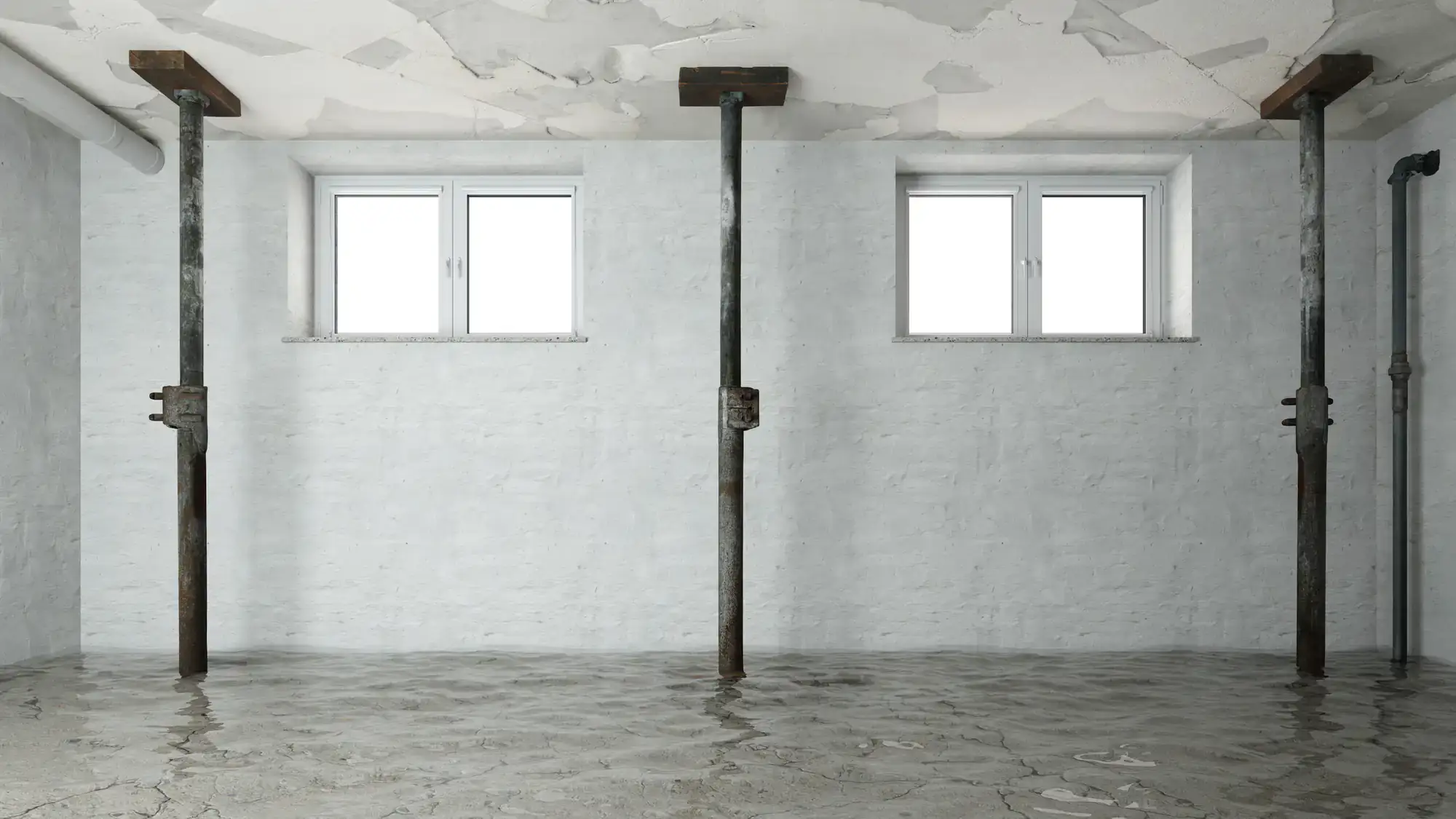
When your basement floods in Merrill Park, the clock starts immediately. You’ve got about 48 hours before mold becomes a real problem, and every hour that water sits is another hour of potential structural damage to your floors, walls, and foundation.
Our job is to get that water out fast. We show up with industrial pumps and extraction equipment that can handle everything from a few inches to several feet of standing water. Once the water’s gone, we bring in commercial dehumidifiers and air movers to dry out what you can’t see—the moisture trapped in drywall, insulation, and subflooring.
The goal isn’t just a dry basement. It’s preventing the next problem before it starts. That means stopping mold growth, documenting everything for your insurance claim, and giving you a clear picture of what needs to happen next. No guessing. No waiting around wondering if your basement is actually dry or just looks dry.
You’ll know exactly where things stand, what the timeline looks like, and what it’s going to take to get your space back to normal.
We exist because too many homeowners in Merrill Park have dealt with companies that either don’t show up when they say they will, inflate the scope of work, or disappear once the check clears. We built this company to be the opposite of that.
We’re available 24/7 because basement floods don’t wait for business hours. When you call, you’re talking to someone who understands what you’re dealing with and can walk you through what happens next—not a call center three states away.
Milwaukee’s weather has always been unpredictable, but the last few years have brought more frequent heavy rainfall and faster snowmelt cycles. That means more basement flooding in neighborhoods like Merrill Park, especially in homes with older sump pumps or drainage systems that weren’t designed for this kind of volume. We’ve seen it all, and we know how to handle it without the runaround.
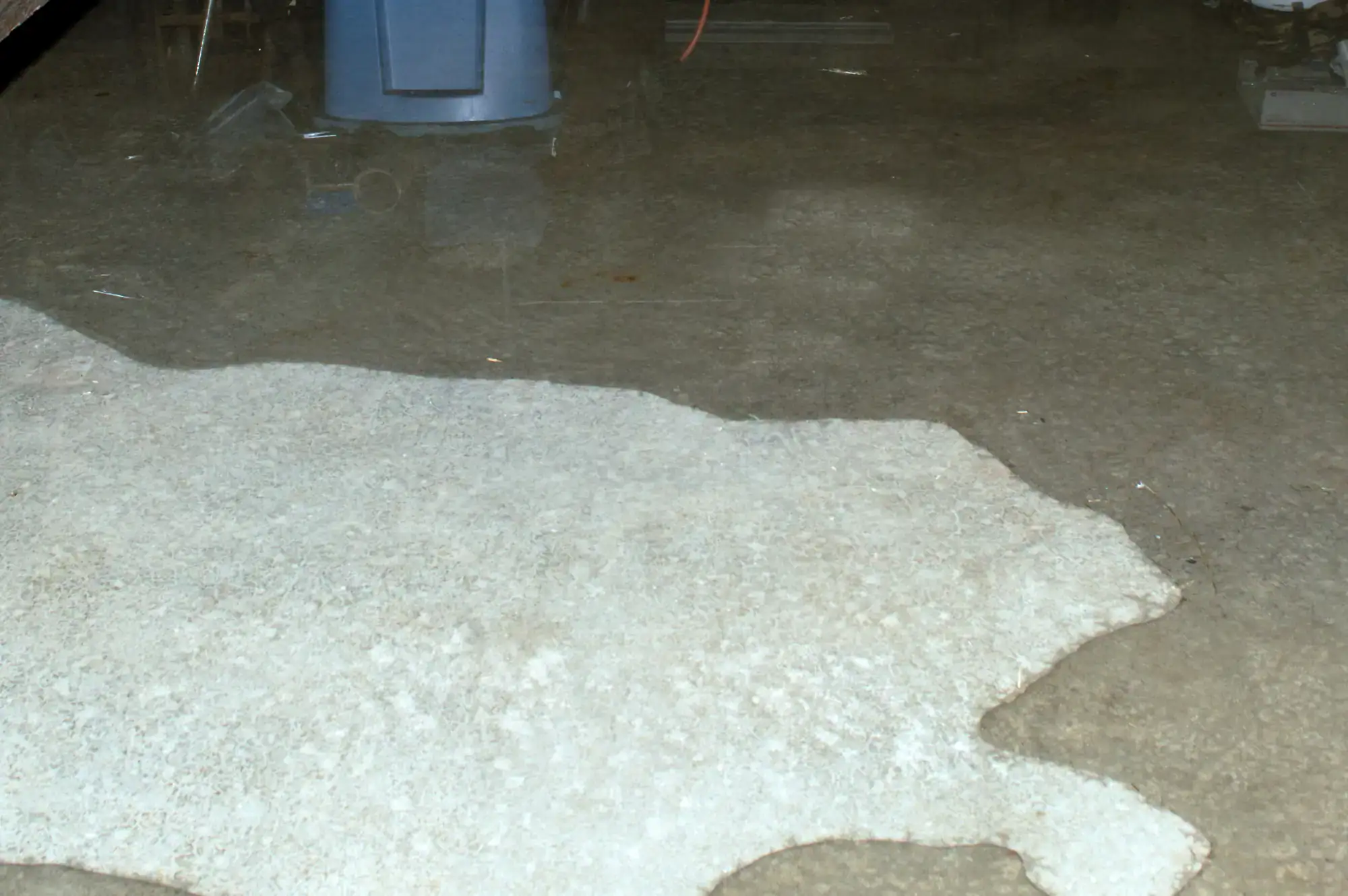
First, we assess the situation. How much water? Where’s it coming from? Is it still actively flooding, or has it stopped? We need to know what we’re dealing with before we start pumping, because draining a basement too fast can actually cause structural damage—pressure differences between the wet soil outside and the drying walls inside can lead to cracks or even collapse.
Once it’s safe to proceed, we start water extraction. We use truck-mounted pumps and portable extractors to remove standing water, then switch to more precise equipment for water that’s soaked into carpet, padding, or baseboards. This isn’t a shop vac job. This is industrial equipment designed to pull thousands of gallons out quickly.
After extraction, we set up drying equipment. Dehumidifiers run around the clock to pull moisture out of the air, while air movers create airflow that speeds up evaporation from surfaces and materials. We monitor moisture levels with meters to make sure everything is drying properly, not just on the surface.
Throughout the process, we document everything. Photos, moisture readings, equipment logs—all of it goes into a report you can send directly to your insurance company. We’ll also walk you through what your policy typically covers and what you might be responsible for, so there are no surprises later.
Ready to get started?
Every flooded basement cleanup in Merrill Park starts with water removal, but what happens after that depends on how long the water was sitting, what it came into contact with, and whether there’s any contamination involved.
Standard cleanup includes complete water extraction, structural drying, humidity control, and antimicrobial treatment to prevent mold. If your sump pump failed during a storm—which is one of the most common causes of basement flooding in this area—we’ll help you figure out whether it needs repair or replacement before we finish the job.
We also handle content restoration when possible. That means trying to save belongings that got wet, rather than automatically tossing everything. Furniture, documents, and certain electronics can sometimes be salvaged if they’re treated quickly. We’ll be straight with you about what’s worth saving and what’s not.
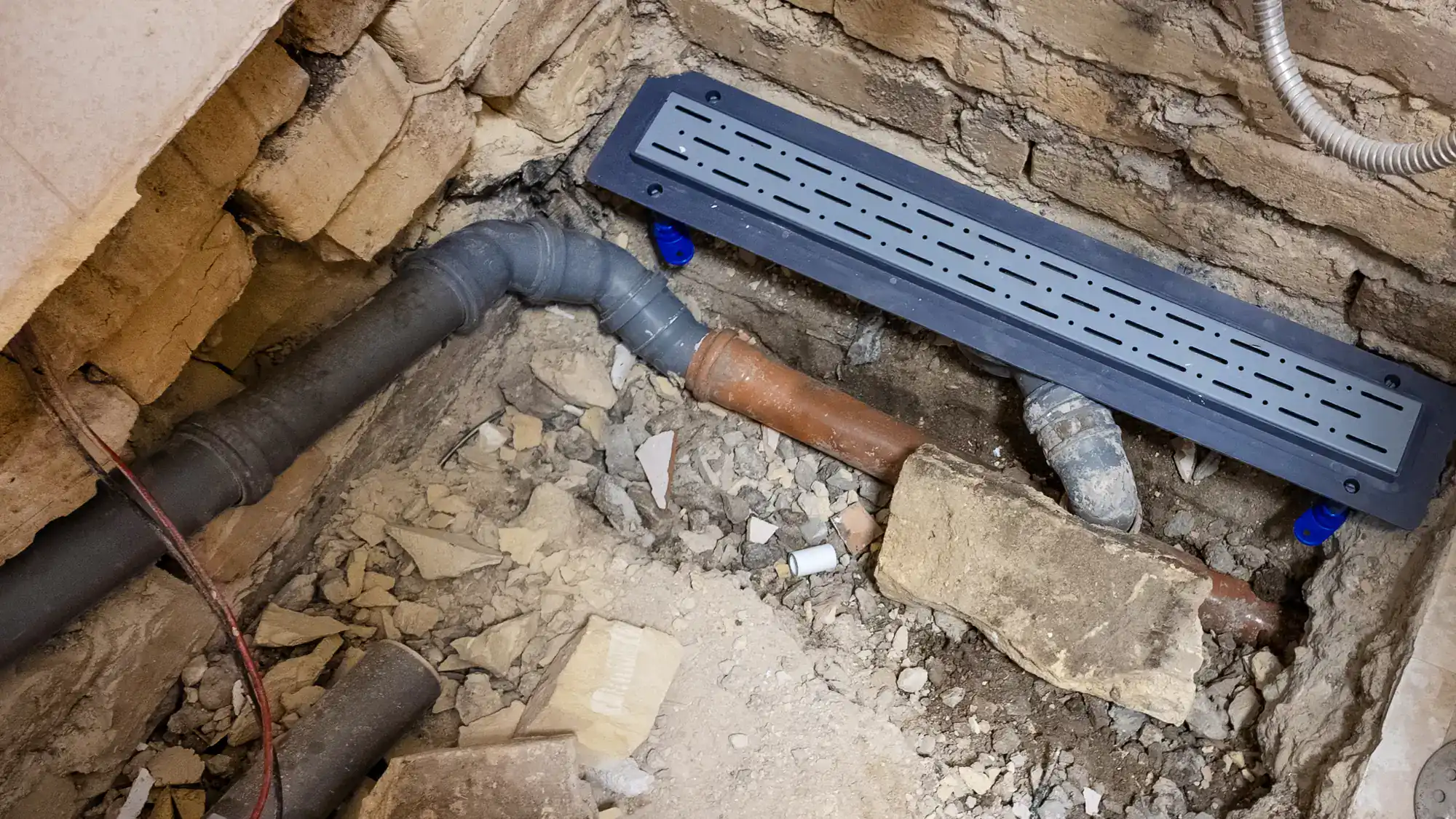
For homes in Merrill Park, we also pay attention to older foundation issues that might be contributing to repeat flooding. Wisconsin homes built before the 1980s often have stone or block foundations that are more vulnerable to water intrusion, especially during heavy spring rains or rapid snowmelt. If we spot something that’s going to cause problems down the road, we’ll let you know—even if it’s not part of the immediate cleanup.
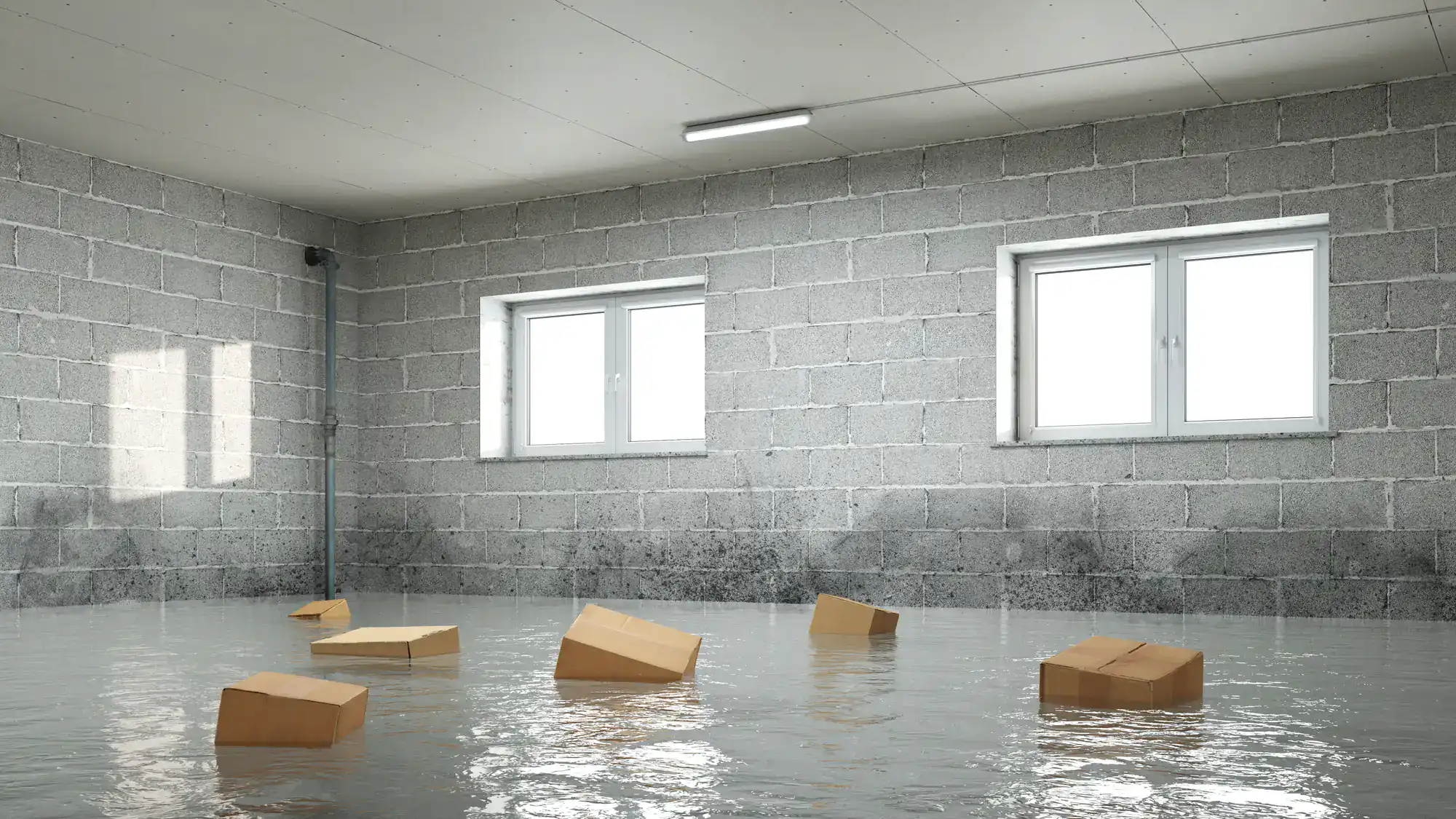
It depends on how much water is down there and whether it’s still coming in. For a typical residential basement with a few inches of standing water, we can have the bulk of it out within a couple of hours using truck-mounted pumps. If you’re dealing with several feet of water, it takes longer—and we have to pace it carefully to avoid structural damage.
Here’s the thing most people don’t realize: pumping out a flooded basement too quickly can cause your foundation walls to crack or buckle inward. The soil outside is still saturated and pressing against the walls, so if you remove all the water from the inside too fast, the pressure difference can cause serious problems. We typically drain in stages, especially if the water level is high.
Once the standing water is out, we’re not done. The next phase is extracting water from materials—carpet, drywall, insulation—and that takes more time. We use specialized equipment to pull moisture out of porous materials and then set up drying equipment that runs for several days. The whole process from start to finish usually takes 3-5 days, depending on the extent of the damage.
It depends on what caused the flood. Standard homeowners insurance in Wisconsin typically covers water damage from sudden internal failures—like a burst pipe, broken water heater, or malfunctioning appliance. It usually does not cover flooding from external sources like heavy rain, sewer backups, or groundwater seepage.
That’s a critical distinction, because most basement floods in Merrill Park during spring storms or heavy rainfall are considered “external flooding” and won’t be covered unless you have separate flood insurance or sewer backup coverage. Very few Wisconsin homeowners carry flood insurance—only about 10,000 policies statewide—because most people assume they’re not in a flood zone. But the August 2025 flooding showed that 98% of claims came from outside designated flood zones.
If your basement flooded because your sump pump failed during a storm, coverage gets tricky. Some policies cover the water damage if the pump failure was due to a mechanical breakdown, but not if it failed because of a power outage or because it was overwhelmed by volume. We document everything during cleanup and can help you understand what your policy typically covers, but you’ll want to review your specific policy or talk to your agent to know for sure.
Mold prevention comes down to speed and thoroughness. Mold spores are everywhere—they’re already in your basement right now—but they only become a problem when they have moisture and organic material to feed on. After a flood, you’ve got both, which is why mold can start growing within 24 to 48 hours.
Our approach is to remove the moisture before mold has a chance to establish itself. That means extracting all standing water, then using commercial dehumidifiers and air movers to dry out everything—walls, floors, insulation, subflooring. We monitor moisture levels with meters throughout the process to make sure we’re actually drying materials, not just the surface.
We also apply antimicrobial treatments to affected areas. These products kill existing mold spores and create a temporary barrier that inhibits new growth while everything dries. If water has been sitting for more than a couple days before we get there, or if we find active mold growth during our assessment, we’ll recommend a more aggressive remediation approach. But if we can get in quickly and dry everything out properly, we can usually prevent mold from becoming an issue in the first place.
First, don’t go down there if the water level is near any electrical outlets, appliances, or your electrical panel. Water and electricity are a dangerous combination, and electrocution is a real risk in flooded basements. If you’re not sure whether it’s safe, shut off power to the basement at your main breaker before going downstairs.
Once you’ve confirmed it’s safe, try to identify where the water is coming from. Is it still actively flooding, or has it stopped? If your sump pump failed and you can safely access it, check whether it’s clogged, unplugged, or if the float switch is stuck. Sometimes a quick fix can stop additional water from coming in while you wait for help.
Don’t start pumping out the water yourself if the level is high—more than a foot or so. As we mentioned earlier, draining too quickly can cause structural damage. Take photos and videos of everything for your insurance claim, then call a professional restoration company. The faster we can start extraction and drying, the less damage you’ll end up with and the lower your chances of dealing with mold later. Time matters more than almost anything else in these situations.
Most basements take 3 to 5 days to dry completely, but it can take longer depending on how much water there was, what materials got wet, and the humidity levels in your home. Concrete and drywall hold moisture longer than you’d think, and if we don’t dry them thoroughly, you’ll end up with mold or musty odors later.
We don’t just dry until things feel dry to the touch. We use moisture meters to measure the actual moisture content in your walls, floors, and other materials, and we keep drying equipment running until those readings are back to normal levels. That’s the only way to be sure you’re not going to have problems a few weeks down the road.
The drying equipment—dehumidifiers and air movers—runs 24/7 during this period. We’ll check in regularly to monitor progress, empty dehumidifier tanks if needed, and adjust equipment placement to make sure we’re drying everything evenly. It’s not a fast process, but rushing it means you’ll likely be dealing with bigger problems later. Better to do it right the first time than to cut corners and end up with a mold remediation project a month from now.
Not necessarily, but it depends on what got wet, how long it was wet, and what kind of water you’re dealing with. Clean water from a supply line is different from water that’s been sitting in your basement for days or water that came up through a sewer backup.
Drywall can often be saved if it’s dried quickly and the water didn’t reach more than a couple feet up the wall. Carpet and padding are harder to salvage—padding almost always needs to be replaced, and carpet can be saved sometimes if it’s dried within 48 hours and treated properly. Hardwood floors depend on how long they were submerged and whether they’ve started to cup or buckle.
Personal belongings are case-by-case. We’ll work with you to identify what’s worth trying to save and what’s not. Some items—like important documents, photos, or furniture with sentimental value—are worth the extra effort even if restoration is difficult. Other things might not be worth the cost or time. We’re not going to tell you to throw everything away just because it got wet, but we’re also not going to give you false hope about things that are genuinely ruined. You’ll get an honest assessment so you can make informed decisions about what to keep and what to replace.
Other Services we provide in Merrill Park