
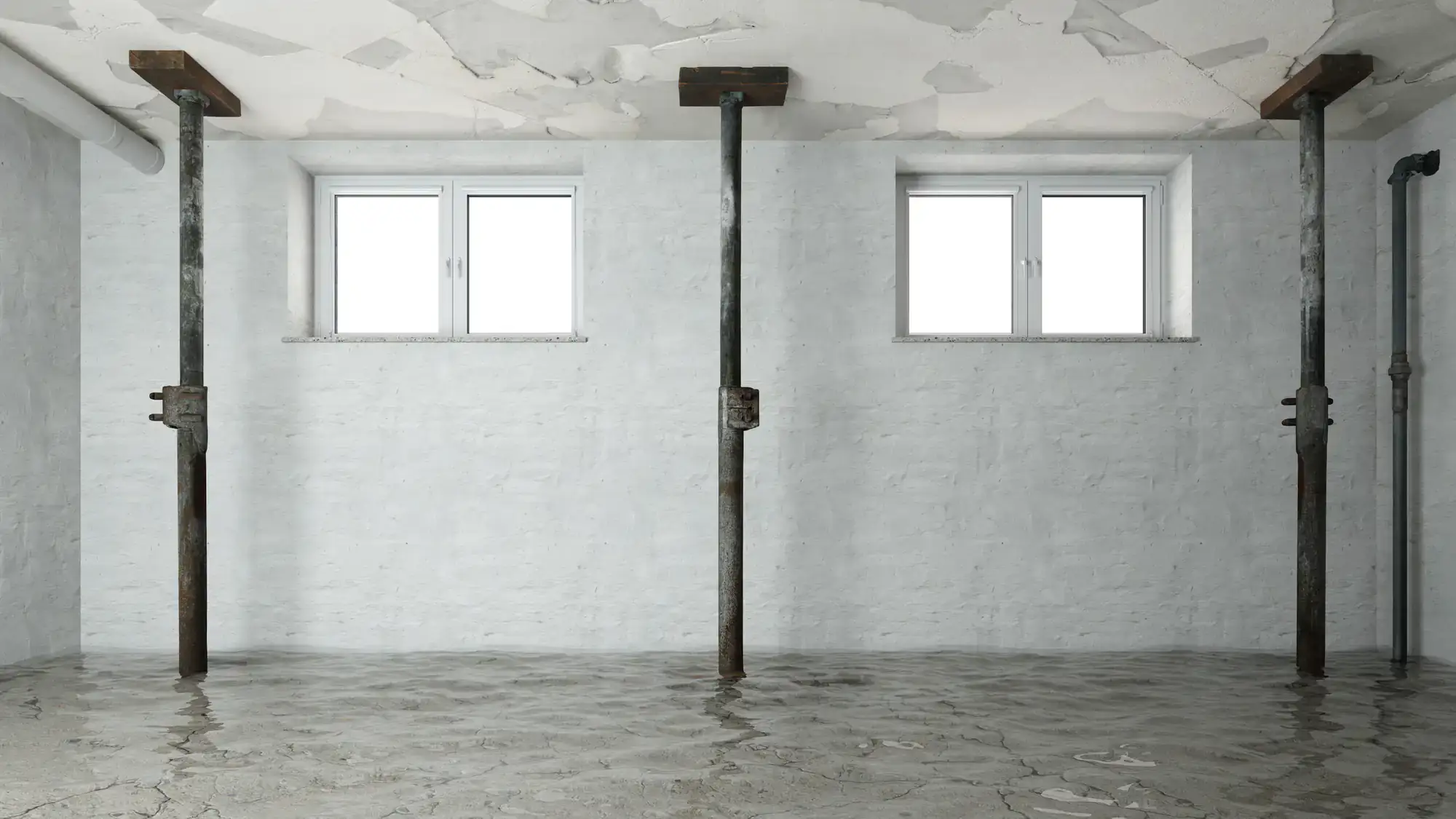
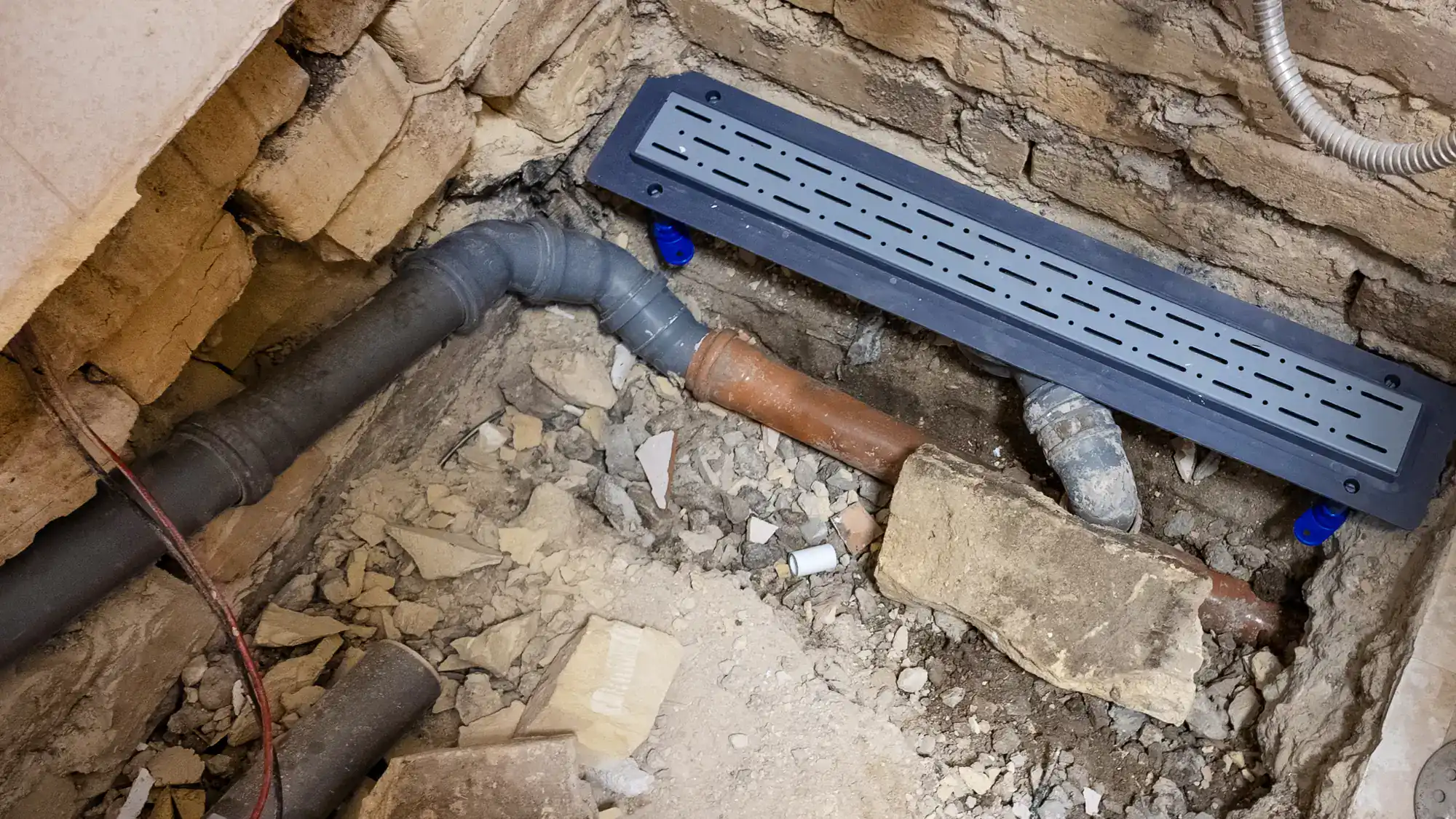
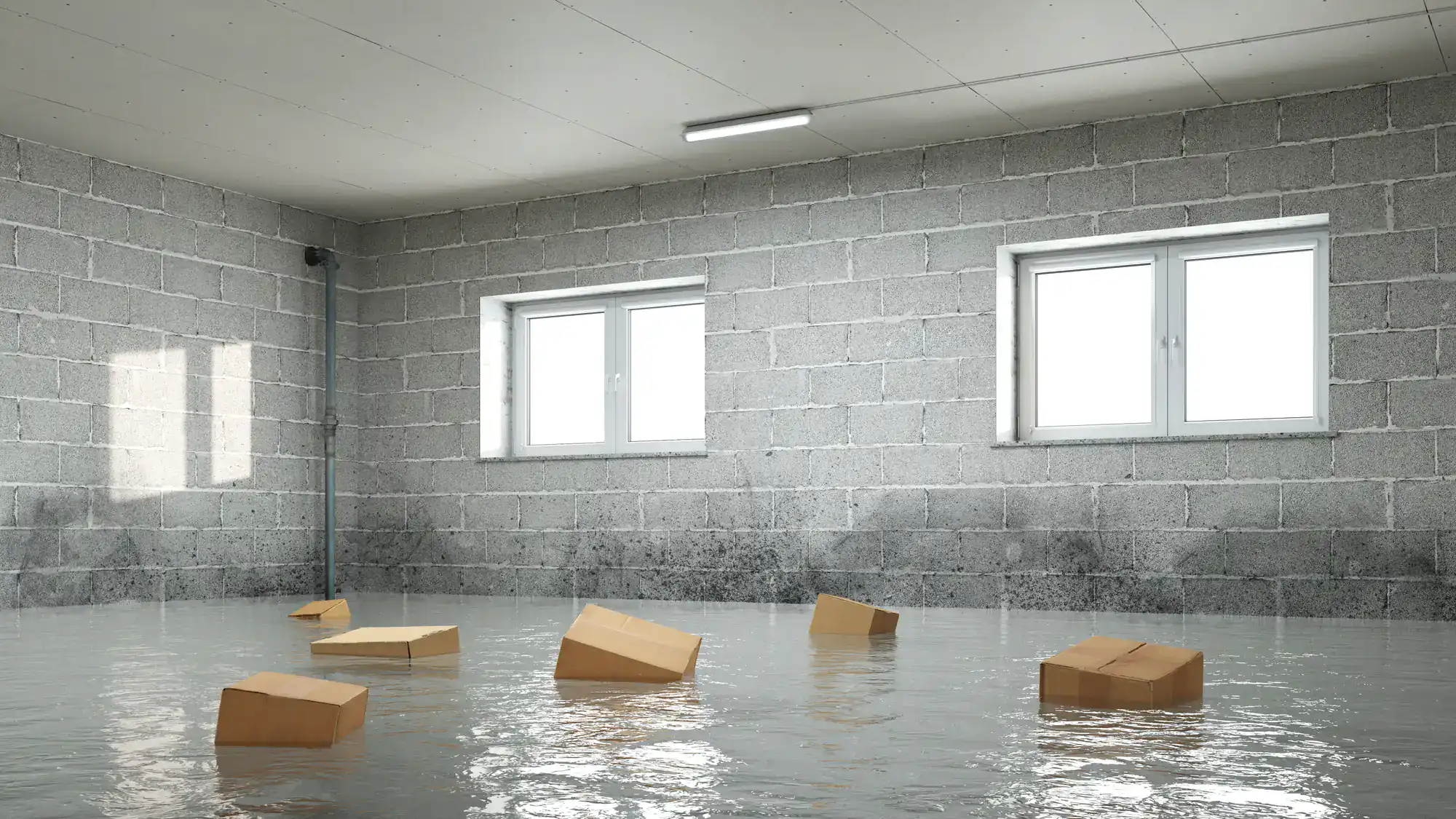
You’re standing in water. Your furnace might be underwater. Everything you stored down there is soaked, and you’re trying to figure out what to grab first.
Here’s what matters right now: stopping more damage. The longer water sits, the worse this gets. Drywall wicks moisture up the walls. Mold starts growing within 48 hours. Your floors can buckle. And if you’re thinking about pumping it out yourself too fast, you risk cracking your foundation when the pressure shifts.
When we handle basement water removal service in Jackson Park, WI, the goal is containment first. Extract the water at the right pace. Get air movers and dehumidifiers running. Document everything for insurance. Then we map out what can be saved and what can’t. You’re not guessing what comes next, because we walk you through it before anything else happens.
Flood Guys Restoration exists because too many homeowners in Jackson Park, WI have been burned by companies that show up, inflate the scope, and disappear when questions start. We’re the opposite of that.
We’ve been doing wet basement repair and emergency response across Wisconsin long enough to know what actually needs to happen versus what gets sold to people in a panic. Our team is IICRC-certified, which means we follow the standards that actually prevent long-term problems like mold and structural issues.
Jackson Park sits in an area where the Kinnickinnic River Watershed puts hundreds of homes at risk during heavy rain events. We know the basements here. We know the soil. And we know what it takes to dry a space correctly so you’re not dealing with this again in six months.
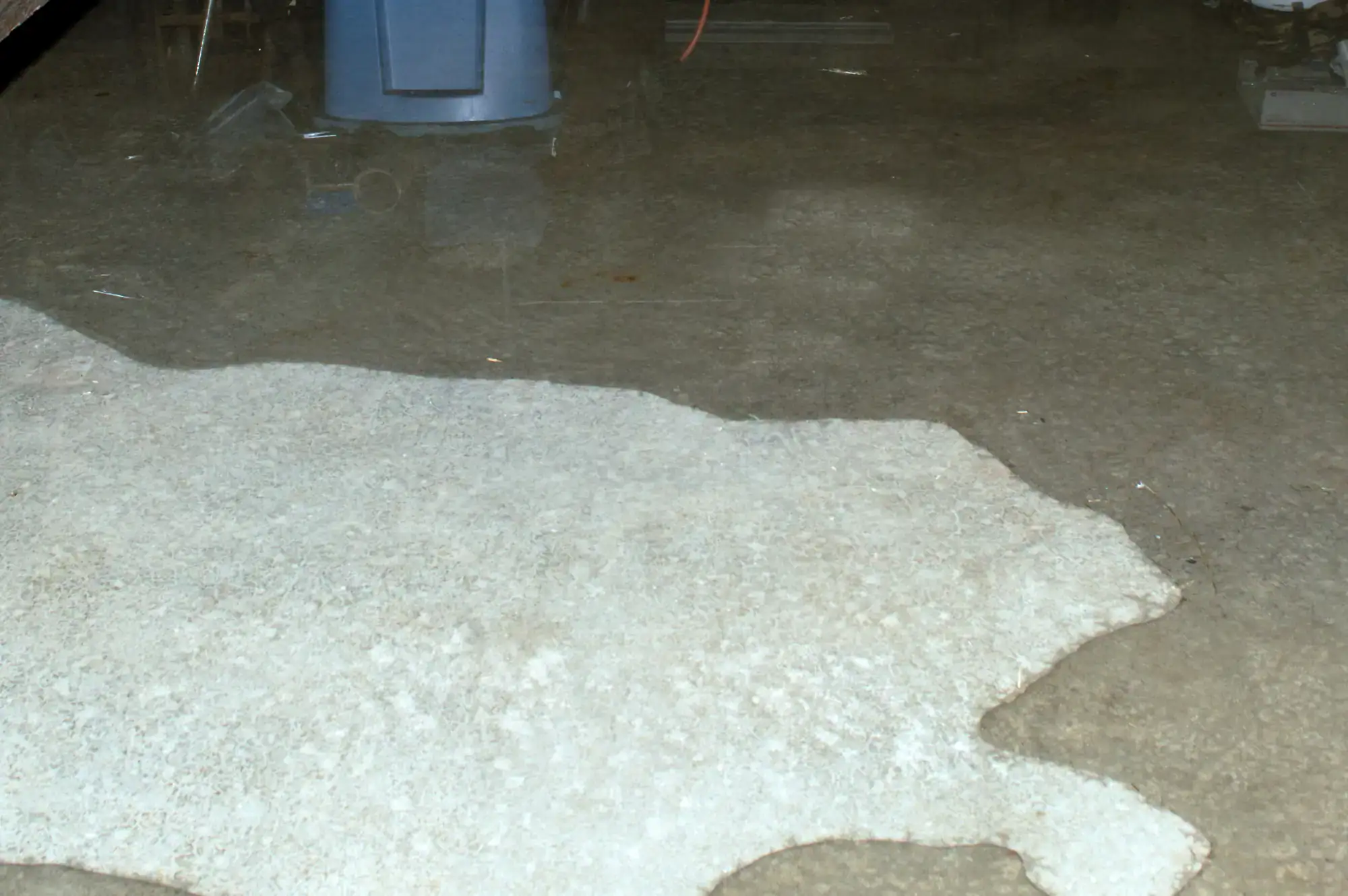
First, we get someone to your property fast. Not tomorrow. Not in four hours. We’re talking about response time that actually matters when water is still spreading.
When we arrive, we assess the source and the scope. If it’s still actively flooding, we stop it. Then we start extraction using commercial-grade pumps that pull water out at a controlled rate so your foundation doesn’t shift. You’ll see us set up air movers, dehumidifiers, and moisture meters throughout the space.
We document everything with photos and readings because your insurance company is going to ask for it. Then we give you a clear picture: what’s salvageable, what’s not, and what the process looks like from here. Every step after that gets managed by a dedicated project lead who keeps you updated and makes sure the work stays on track.
This isn’t about selling you the biggest possible job. It’s about doing what needs to be done so your basement is dry, safe, and usable again.
Ready to get started?
When you’re dealing with a basement flood in Jackson Park, WI, you need more than someone with a wet vac. You need a full system that addresses water, humidity, contamination, and documentation.
We bring in truck-mounted extraction equipment and portable pumps depending on the volume. We pull out standing water, then address what’s soaked into your drywall, insulation, and subfloor. Air movers get positioned to create airflow across wet surfaces. Dehumidifiers pull moisture out of the air so it doesn’t just redistribute to other parts of your home.
If there’s sewage involved or the water came from outside, we treat it as contaminated and follow protocols that keep you and your family safe. We also pull out damaged materials that can’t be saved, because leaving wet insulation or moldy drywall behind just creates problems later.
And because Wisconsin homeowners are dealing with insurance rate hikes and coverage confusion right now, we handle the documentation and work directly with your carrier. You shouldn’t have to translate between a restoration company and an adjuster while you’re trying to figure out where your kids are going to sleep tonight.
We dispatch within the hour. That’s not an exaggeration or a marketing line—it’s how we’re set up.
When your basement is flooding, every minute counts. Water spreads. It soaks into materials that are expensive to replace. It creates conditions for mold growth that starts within 48 hours. So when you call, we’re not putting you on a list for tomorrow morning.
Our team is available 24/7, 365 days a year, because basements don’t flood during business hours. We keep trucks stocked and ready to roll with extraction equipment, moisture meters, and everything else we need to start containment immediately. If it’s 2 a.m. on a Sunday and your sump pump just failed, we’re coming.
It depends on where the water came from, and that’s where it gets tricky.
Most standard homeowner policies in Wisconsin cover sudden internal failures—like a burst pipe or a failed water heater. They typically don’t cover water that came from outside, like groundwater seeping in during a storm or a sewer backup. For that, you’d need separate flood insurance or a sewer backup endorsement.
We’ve worked with every major carrier, so we know what documentation they require and how to present the damage in a way that supports your claim. We’ll walk the adjuster through the site, provide moisture readings, and outline what needs to be done. If your policy doesn’t cover it, we’ll be straight with you about costs upfront so there are no surprises. A lot of homeowners are finding out right now that their coverage isn’t what they thought it was, especially with rates climbing 30-50% annually across the state.
Mold prevention comes down to speed and thoroughness. If you dry everything completely within 48 hours, mold doesn’t get the chance to establish.
That means we’re not just pulling out standing water. We’re addressing moisture in your walls, floors, subfloor, and even the air. We use thermal imaging to find hidden moisture pockets that you can’t see. Then we set up a drying system with commercial dehumidifiers and air movers that stay in place until moisture readings hit safe levels.
If materials are already compromised—like drywall that’s been soaked for days or insulation that’s saturated—we remove them. Trying to dry out materials that are already growing mold just spreads spores throughout your home. We also treat affected areas with antimicrobial solutions where needed. The whole process gets monitored daily with moisture meters, and we don’t call the job done until the readings confirm your basement is actually dry.
If you drain a basement too fast, you can crack your foundation or cause your walls to collapse inward. It sounds extreme, but it happens.
Here’s why: when your basement is full of water, there’s pressure inside pushing out. But there’s also water-saturated soil outside pushing in. If you remove the interior water all at once, the exterior pressure doesn’t have anything to balance against. That’s when you get cracks in your foundation walls, or in worst cases, a full structural failure.
The safe approach is to pump in stages. We drop the water level by about a foot, then wait. Let the soil outside start to drain and equalize. Then we drop it another foot and wait again. It takes longer, but it protects your foundation. If you’ve got several feet of water in your basement, this process might take a full day. It’s not because we’re dragging it out—it’s because doing it right means your house is still structurally sound when we’re done.
Most basement flood jobs in this area run between $6,000 and $15,000 depending on the severity, but it varies based on a few key factors.
How much water are we dealing with? A few inches across a small basement is different from four feet of water in a 1,500-square-foot finished space. What’s the source—clean water from a pipe, or contaminated water from a sewer backup? Contaminated water requires different protocols and safety measures. And what materials are affected? If it’s just concrete and you caught it early, that’s one thing. If your drywall, insulation, flooring, and furnace are all compromised, the scope changes.
We don’t give you a number over the phone because we don’t know what we’re walking into yet. But when we show up, we assess everything and give you a clear breakdown before work starts. We’re not here to inflate the scope or add unnecessary line items. You’ll know what needs to happen, why it needs to happen, and what it costs. If insurance is involved, we work directly with them and keep you in the loop on what’s covered.
Some things, yes. Others, no. It depends on what got wet, how long it sat in water, and what the water contained.
If it’s clean water from a supply line and we get there quickly, a lot of your belongings can be saved. We have an offsite facility where we take items for specialized drying and deodorizing. Electronics, documents, photos, furniture—we’ve restored a lot of things people thought were gone.
But if it’s contaminated water, or if items have been sitting in moisture for days, the reality changes. Anything porous that’s been soaked in sewage or floodwater is typically a loss for health reasons. Same with particle board furniture, certain fabrics, and anything that’s already showing mold growth.
We’ll walk through your basement with you and be straight about what we can try to save and what needs to go. This is one of the hardest parts of the process, especially when it’s stuff that has sentimental value. We’re not going to give you false hope, but we’re also not going to write something off if there’s a real chance of restoring it.
Other Services we provide in Jackson Park