
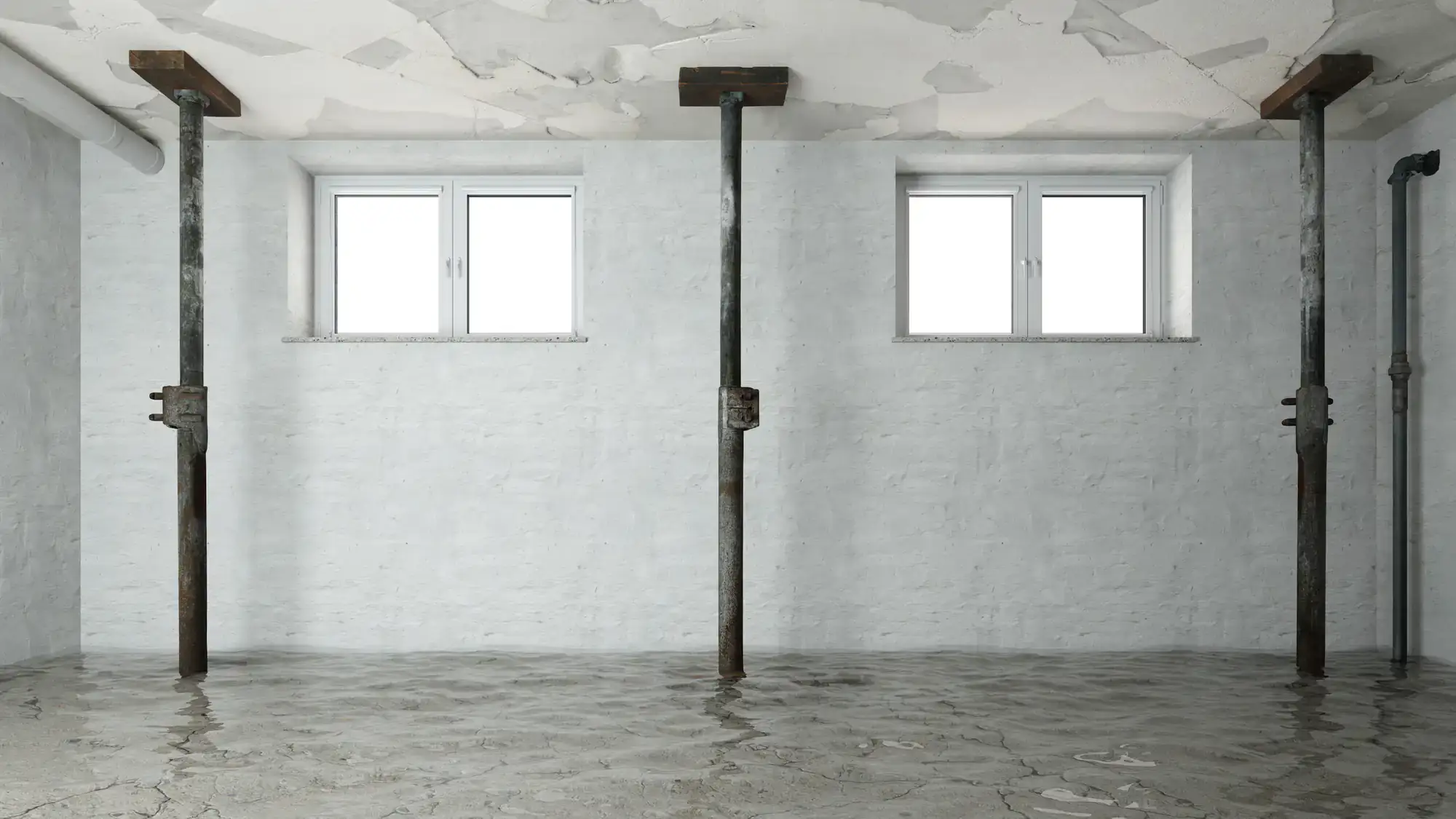
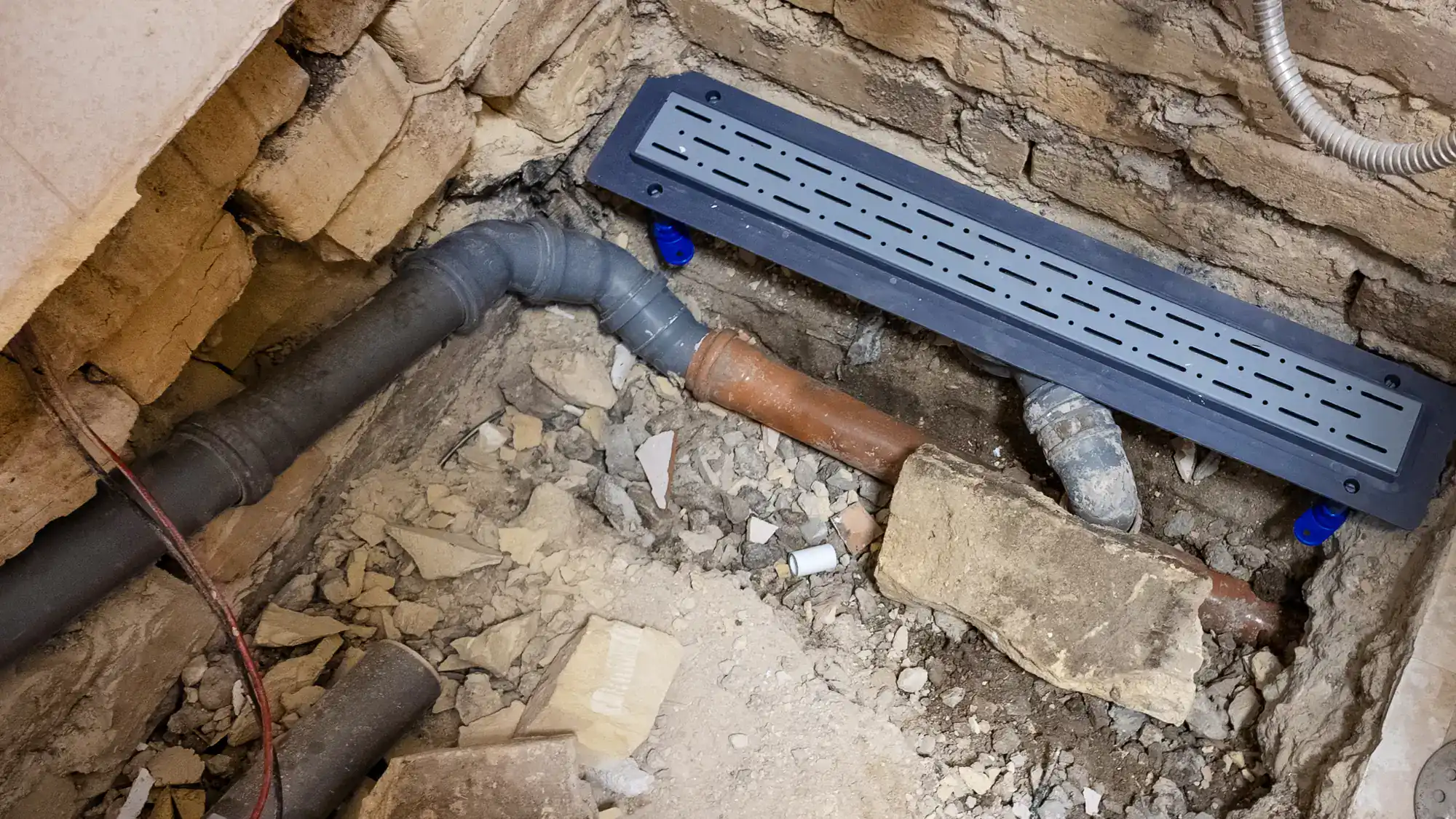
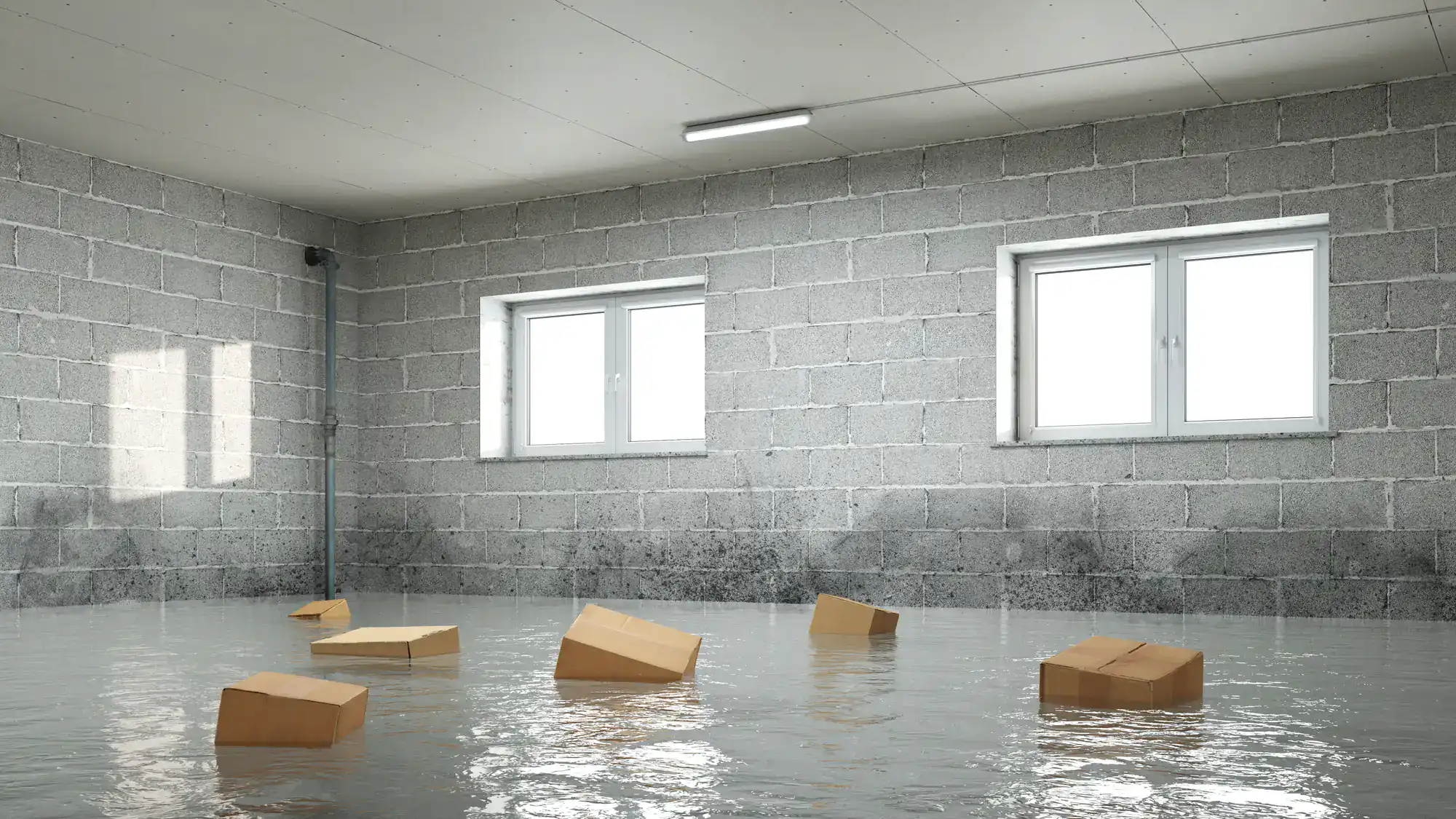
When your basement floods in Concordia, the clock starts immediately. You’ve got 24 to 48 hours before mold takes hold, and most insurance policies require you to report damage within that same window or risk denial.
Emergency water extraction means getting standing water out fast with commercial-grade pumps and extractors. But pumping out a flooded basement is only step one. The real work is drying what you can’t see—inside walls, under flooring, in crawl spaces—because that’s where rot and mold start.
Our process removes the water, measures moisture in materials you’d never think to check, and sets up industrial dehumidifiers and air movers to dry your basement completely. You’re not guessing if it’s dry. You’re getting documentation, readings, and a team that knows the difference between “looks dry” and “actually dry.”
That difference is what keeps your claim valid and your home safe.
We operate throughout Concordia and the surrounding Wisconsin communities. We’re IICRC-certified, which means our techs are trained to industry standards for water damage restoration—not just showing up with a shop vac and hoping for the best.
We built this company because too many homeowners get burned by contractors who inflate the scope, disappear mid-job, or do just enough to get paid. You’re already dealing with a flooded basement. You shouldn’t also have to deal with someone you can’t trust.
Every job gets a dedicated project manager. Every step gets explained. If your insurance is involved, we document everything and communicate directly with your adjuster so you’re not stuck playing middleman during one of the most stressful situations a homeowner faces.
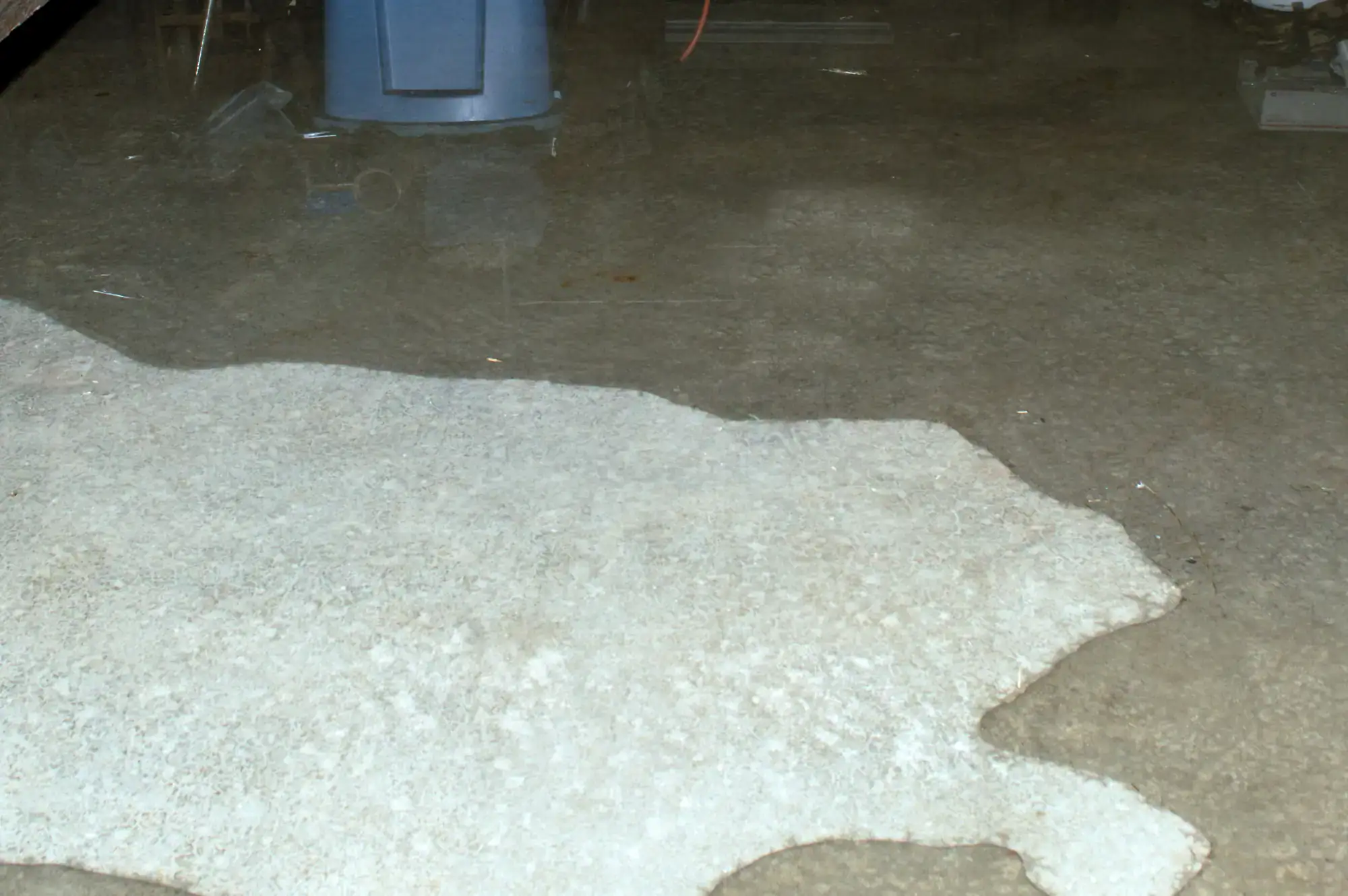
First, we respond. Most calls get a callback within minutes, and our average arrival time is under an hour for emergency water removal service in Concordia, WI.
When we arrive, we assess the damage and identify the source—whether it’s a burst pipe, sump pump failure, or storm water intrusion. We stop the water if it’s still coming in, then start extraction immediately using truck-mounted pumps or portable extractors depending on access and volume.
Once the standing water is out, we measure moisture levels in your floors, walls, and subfloors using infrared cameras and moisture meters. Then we set up drying equipment—commercial dehumidifiers and air movers—strategically placed to pull moisture out of materials, not just the air.
We monitor daily, adjust equipment as needed, and don’t pull out until moisture readings confirm your basement is dry. You get a full report with photos, readings, and timeline documentation for your insurance company.
If reconstruction is needed after drying, we handle that too. One team, one point of contact, from water extraction through the final walk-through.
Ready to get started?
You’re getting a full-scope response, not a quick patch. That starts with 24/7 availability, because basements don’t flood on your schedule.
Water extraction covers everything from minor seepage to several inches of standing water. We use submersible pumps for high-volume situations and weighted extractors for carpet and padding. If your sump pump failed, we’ll pump out the flooded basement and help you understand what went wrong so it doesn’t happen again.
Structural drying is where most companies cut corners. We don’t. Our equipment stays onsite as long as needed—usually three to five days depending on materials and saturation levels. We’re checking subfloors, wall cavities, and insulation because Wisconsin basements are particularly vulnerable to hidden moisture that turns into mold.
Antimicrobial treatment is applied to affected areas to prevent microbial growth during and after drying. If contamination is present—like from a sewage backup—we follow IICRC S500 standards for category 2 and 3 water.
Concordia’s climate makes this even more critical. Between spring snowmelt, summer storms, and fall saturation, your basement is under constant pressure. We’ve seen how fast things go wrong when water sits, and we’ve also seen how much damage you can avoid when it’s handled correctly from the start.
We’re available 24/7 and average under an hour for emergency calls in Concordia, WI. When you call, you’re talking to someone who can dispatch a crew immediately—not a call center three states away.
Speed matters because water doesn’t wait. Every hour that passes increases the risk of structural damage, mold growth, and insurance complications. Most homeowners policies require “prompt” action, and adjusters are looking for documentation that you responded quickly.
Our trucks are stocked with extraction and drying equipment, so we’re not making a second trip to get what we need. We start working the moment we arrive, and you’ll have a clear picture of what’s happening and what comes next before we leave that first visit.
It depends on what caused the flooding. Most standard homeowners policies in Wisconsin cover sudden and accidental water damage—like a burst pipe, water heater failure, or sump pump breakdown. They typically don’t cover flooding from external sources like heavy rain, snowmelt, or rising groundwater unless you have separate flood insurance through the National Flood Insurance Program.
That distinction matters. If your basement flooded because a pipe burst, you’re likely covered. If it flooded because of a storm, you’re likely not—unless you have an NFIP policy, which only about 10,000 Wisconsin residents carry.
We work directly with insurance companies and know how to document damage in a way that supports your claim. We’ll take photos, log moisture readings, and provide a detailed scope of work. If there’s any question about coverage, we’ll walk you through it before starting work so you’re not surprised by a bill later.
The key is acting fast. Waiting too long can give your insurer a reason to deny the claim, especially if secondary damage like mold develops because you delayed calling for help.
Typically three to five days with proper equipment and monitoring, but it depends on how much water was present, what materials were affected, and how quickly we got started.
Concrete and drywall hold moisture differently than carpet and wood. If water soaked into your subfloor or insulation, it takes longer to pull out. If it was just surface water on sealed concrete, we can usually get it dry faster.
We don’t guess. We measure moisture levels daily using meters and infrared cameras, and we don’t remove equipment until readings confirm everything is within acceptable range. Pulling out too early is how mold problems start a week later, and it’s also how insurance claims get complicated.
You’ll know exactly where we’re at every day. If something is taking longer than expected, we’ll explain why and what we’re doing about it. The goal isn’t to get our equipment out fast—it’s to get your basement actually dry so you can move forward without wondering if there’s a problem waiting to surface.
If you’re seeing visible mold, we address it as part of the restoration process. Mold grows when moisture sits for 24 to 48 hours, so if your basement has been wet for a while, it’s not uncommon to find growth starting on drywall, wood framing, or stored items.
We follow IICRC S520 standards for mold remediation, which means containment, removal of affected materials, HEPA filtration, and antimicrobial treatment. If the growth is extensive, we’ll recommend a third-party mold assessment to determine the full scope before we start removal.
Most insurance policies cover mold remediation if it resulted from a covered water loss—but only if you acted quickly to mitigate the original damage. That’s why calling for emergency water extraction right away matters. It’s not just about getting the water out. It’s about preventing secondary damage that complicates everything.
If mold is present, we’re transparent about what needs to happen, what it costs, and how it affects your timeline. You’re not getting upsold on unnecessary work, but you’re also not getting a surface fix that leaves a problem behind your walls.
Not necessarily. We’ll assess what needs to be moved based on the extent of the damage and what’s salvageable. If items are sitting in standing water, we’ll move them to a dry area or recommend disposal if they’re too damaged to save.
Contents that are wet but salvageable may need to be moved offsite for drying and cleaning, especially porous items like upholstered furniture or electronics. We can coordinate content restoration as part of the overall project, and it’s usually covered under your insurance policy’s contents coverage.
For items that aren’t affected, we’ll work around them or move them temporarily to access walls and flooring. Our job is to make this as easy on you as possible while still doing the work correctly.
You’re dealing with enough already. We’re not asking you to empty your basement and figure out what to do with everything before we’ll start. We handle that as part of the process, document it for insurance, and keep you informed about what’s happening with your belongings every step of the way.
Drying things out is part of water damage restoration, but it’s not the whole job. Real restoration means assessing the damage correctly, extracting water completely, drying structural materials to safe levels, preventing mold, and repairing or rebuilding what can’t be saved.
A lot of companies will pump out your basement, set up a few fans, and call it done. That approach misses moisture trapped in wall cavities, under flooring, and in insulation—moisture that leads to rot, mold, and odor problems weeks later.
IICRC-certified restoration follows a documented process: inspection, water removal, drying, monitoring, and verification. We’re testing moisture levels in materials you’d never think to check, adjusting equipment based on what the readings tell us, and making sure your basement is actually restored—not just “good enough.”
If your insurance is involved, that documentation is what supports your claim. If you’re paying out of pocket, it’s what ensures you’re not paying twice because the job wasn’t done right the first time. You’re getting a team that knows the difference between a quick fix and a real solution, and we’re not cutting corners to get to the next job faster.
Other Services we provide in Concordia