
You’re not calling a restoration company in Washington Park, WI because things are going well. Something broke, flooded, or burned, and now you’re trying to figure out what happens next while also wondering who you can actually trust to fix it.
Here’s what matters after we’re done. Your floors are dry, your walls are repaired, and there’s no lingering smell or hidden moisture waiting to turn into mold three months from now. You’re not stuck in limbo with your insurance company because we handled the documentation and walked the adjuster through everything. You’re not dealing with surprise bills or scope creep because we told you upfront what needed to happen and why.
The property damage restoration process doesn’t drag on for weeks because someone forgot to order materials or didn’t show up when they said they would. You get clear timelines, regular updates, and a project manager who actually answers the phone. When it’s finished, your home works again—and you didn’t have to become an expert in water extraction or fire remediation to make that happen.
We started Flood Guys Restoration because too many people in Washington Park and across Milwaukee have been burned by restoration companies that overpromise, underdeliver, or flat-out take advantage when you’re vulnerable. We built our business around a simple idea: do the work that’s actually needed, explain it clearly, and treat your home like it’s ours.
We’re not the biggest name you’ll find, and we’re fine with that. What we are is local, responsive, and built around the idea that honesty isn’t a marketing angle—it’s how you run a business. Our team is IICRC-certified, our equipment is professional-grade, and our process is designed to move you from crisis to resolution as quickly as possible.
Washington Park has a lot of older homes—colonials, bungalows, Victorians—and many of them have quirks that require more than a one-size-fits-all approach. We’ve worked in enough basements, attics, and crawl spaces around here to know what we’re dealing with before we even walk in the door.
You call, and someone picks up. Not a voicemail, not an answering service—a real person who can get a team to your property fast. If it’s 2 a.m. and your basement is flooding, we’re available. If it’s Sunday afternoon and you just discovered fire damage, same thing.
We show up and assess the situation. That means identifying the source of the damage, determining what’s affected, and figuring out what needs to happen immediately to prevent things from getting worse. We’re documenting everything with photos and notes because your insurance company is going to want proof, and we’d rather do it right the first time than argue about it later.
Once the emergency is stabilized—water extracted, structure secured, air quality managed—we walk you through the restoration plan. You’ll know what we’re doing, how long it should take, and what it’s going to cost. If insurance is involved, we work directly with your adjuster so you’re not stuck playing middleman.
Then we do the work. Drying, cleaning, repairing, rebuilding—whatever the scope calls for. Your project manager keeps you updated, and if something changes, you hear about it before it becomes a problem. When we’re done, the job is inspected, and you’re not left guessing whether it was handled correctly.
Ready to get started?
Damage restoration services in Washington Park, WI cover more than just pulling out wet carpet and calling it a day. You’re dealing with water extraction, structural drying, dehumidification, mold prevention, odor removal, and often full reconstruction depending on how bad things got.
If the damage came from a burst pipe in January—which happens a lot around here when temperatures drop—we’re managing frozen line issues, thawing risks, and making sure your heating system didn’t take a hit. If it’s storm-related and water came through your roof or windows, we’re addressing the exterior breach and the interior damage. Wisconsin weather doesn’t mess around, and neither do we.
For fire damage, it’s not just about what burned. It’s smoke residue, soot cleanup, air filtration, and addressing water damage from the fire department’s hoses. Everything gets tested and treated, not just wiped down. We’re also coordinating with your insurance throughout the process, because coverage for property damage restoration in Washington Park can get complicated fast—especially if the damage involves multiple causes or older building materials.
You also get transparency. If something doesn’t need to be replaced, we’re not replacing it. If your policy doesn’t cover part of the work, we’ll tell you that upfront so you can make an informed decision, not get surprised by a bill later.
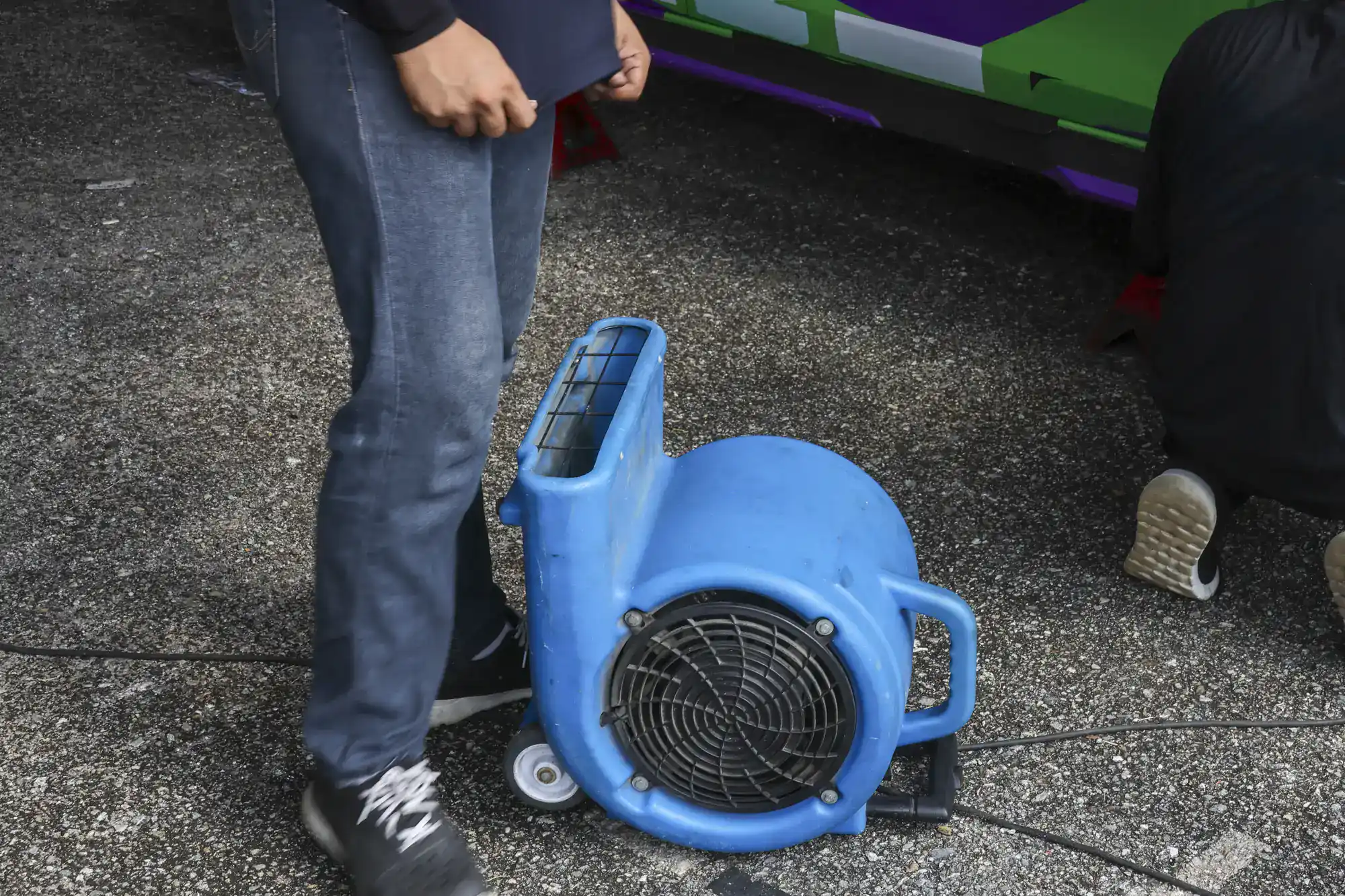
We’re available 24/7, and response time matters more in restoration than almost any other type of home service. Water doesn’t wait for business hours, and neither does mold growth.
When you call, you’re talking to someone immediately—not leaving a message and hoping for a callback. If it’s an emergency, we can typically have a team on-site within a couple of hours, sometimes faster depending on where you are in Washington Park and what else is happening that day. Our goal is to get the situation stabilized as quickly as possible so the damage doesn’t spread.
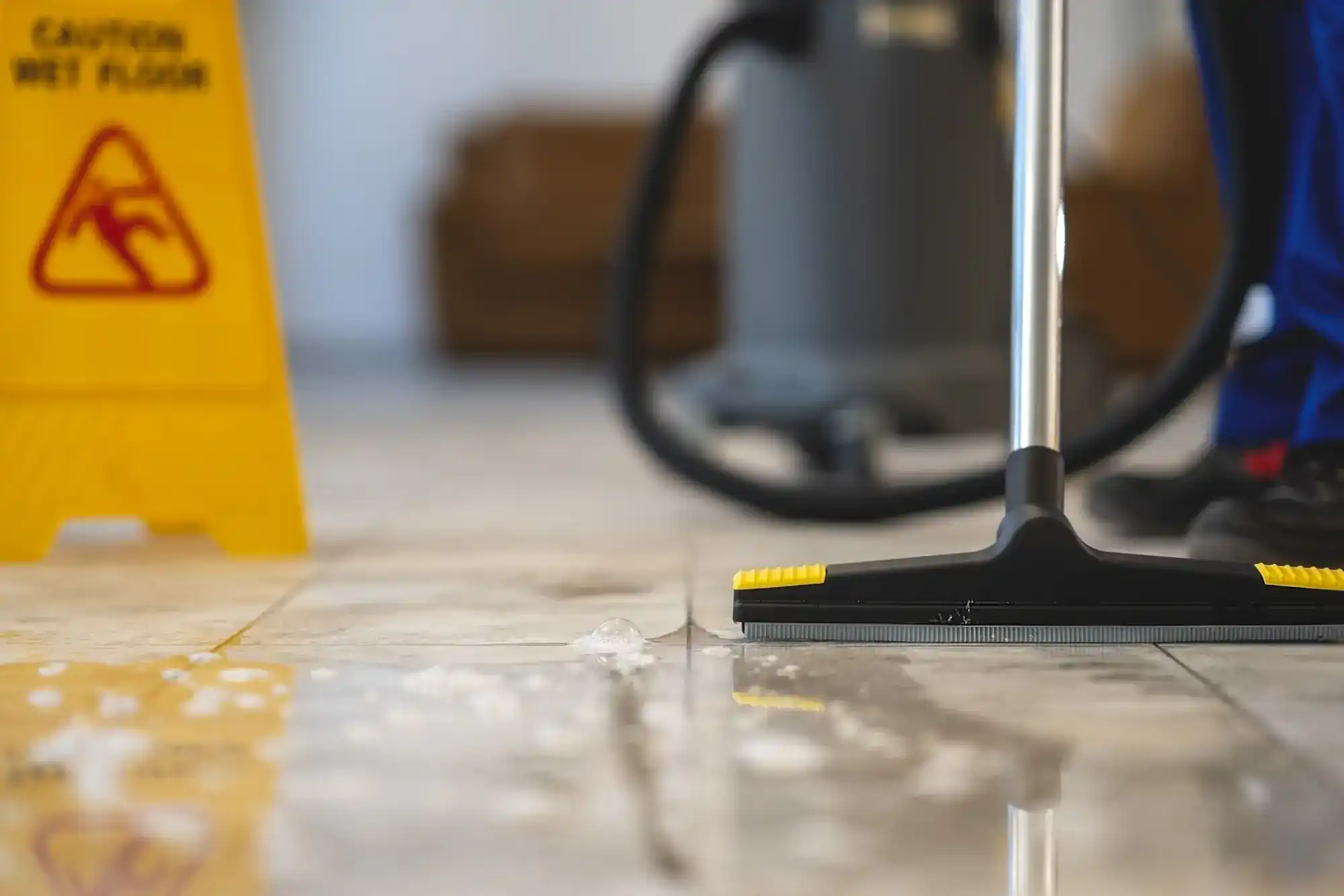
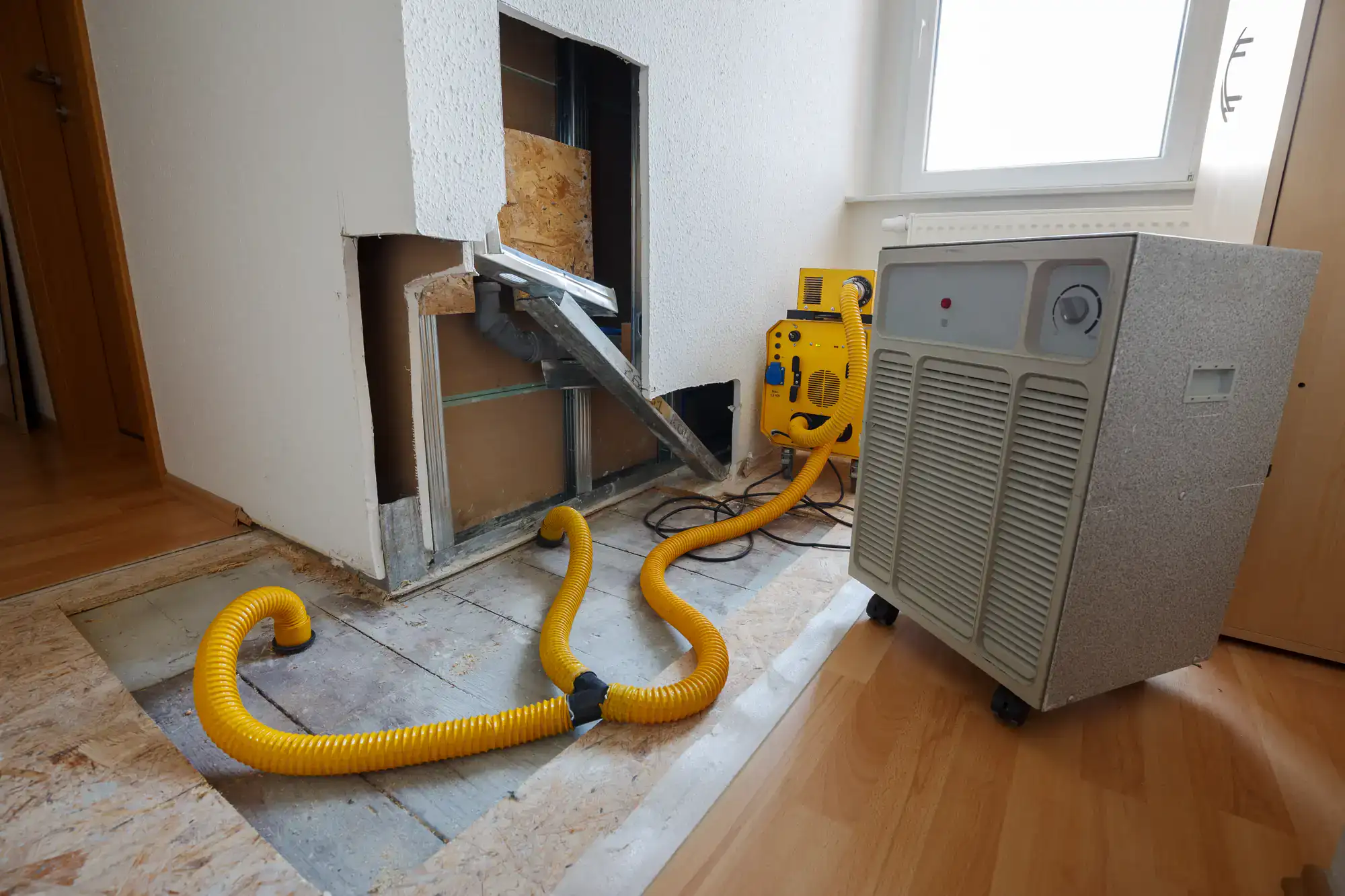
That means stopping the water source, extracting standing water, setting up drying equipment, and securing the area. The faster we move, the less damage you’re dealing with overall—and the lower your restoration costs tend to be.
It depends on where the water came from. If a pipe burst inside your home, your washing machine hose failed, or your water heater leaked, that’s usually covered under a standard homeowners policy. If water came up from the ground or through your foundation due to heavy rain or flooding, that’s typically not covered unless you have separate flood insurance.
Insurance companies also draw a line between sudden damage and long-term neglect. A pipe that bursts overnight is usually covered. A slow leak that’s been dripping for six months and finally rotted out your subfloor might not be.
We work with insurance adjusters regularly, and part of our job is documenting everything thoroughly so your claim has the best chance of approval. We’ll photograph the damage, note the source, and provide detailed estimates. If your claim gets denied or underpaid, we can also help you understand why and what your options are. You’re not navigating that process alone.
This trips people up all the time, and it matters because your insurance coverage is completely different depending on which one you’re dealing with.
Water damage refers to water that originates inside your home or comes from above—like a burst pipe, leaking roof, broken appliance, or fire sprinkler activation. Standard homeowners insurance typically covers this, assuming it was sudden and accidental.
Flood damage refers to water that comes from outside and rises up—like heavy rain that overwhelms storm drains, a river that overflows, or groundwater that seeps through your foundation. This requires separate flood insurance, and most people in Washington Park don’t have it unless they’re in a designated flood zone or their lender required it.
If your basement filled up because a pipe broke, that’s water damage. If it filled up because three inches of rain fell in an hour and the water came through your window wells or foundation cracks, that’s flood damage. The restoration work might look the same, but the insurance side is night and day.
It depends on the scope of the damage, but most water damage jobs take anywhere from three to seven days for the drying and mitigation phase. If reconstruction is needed—like replacing drywall, flooring, or cabinetry—you’re looking at one to three weeks on average.
Fire damage usually takes longer because of the cleanup involved. Soot and smoke residue require specialized treatment, and air quality has to be restored before reconstruction even starts. Depending on severity, fire restoration can take anywhere from two weeks to over a month.
We don’t stretch timelines to pad hours, and we don’t rush through steps that need time to be done right. Structural drying, for example, can’t be shortcut—if the moisture isn’t fully gone, you’re going to end up with mold, warping, or odor issues down the road. We use moisture meters and thermal imaging to confirm everything is dry before we move to the next phase, and we’ll give you realistic timelines upfront based on what we’re actually seeing.
Not always, but sometimes it’s the smarter move depending on what we’re dealing with. If the damage is isolated to one area—like a basement or a single bathroom—and the rest of your home is safe and livable, you can usually stay.
If there’s significant water damage affecting multiple rooms, active mold growth, or fire damage that’s compromised air quality, we’ll recommend finding somewhere else to stay until the mitigation work is done. It’s not just about comfort—it’s about health and safety.
We run loud equipment like air movers and dehumidifiers around the clock during the drying phase, and that’s not easy to live with. There’s also dust, debris, and often restricted access to parts of your home while work is happening. If you have kids, pets, or anyone with respiratory issues, staying elsewhere during the heavy work usually makes sense. Many homeowners insurance policies will cover temporary housing costs if the damage makes your home unlivable, and we can help you document that for your claim.
For water damage, stop the source if you can—shut off the main water line, turn off the supply valve to a leaking appliance, or cover a roof leak with a tarp if it’s safe to do so. Move anything valuable or important out of the affected area if possible. Don’t start tearing out materials or throwing things away yet, because your insurance adjuster is going to want to see the damage before you make permanent changes.
For fire damage, make sure everyone is safe and the fire department has cleared the scene. Don’t enter the property until you’re told it’s structurally safe. Avoid disturbing soot or debris—it can contain harmful particles, and improper cleaning can actually make things worse.
Then call us. The sooner we can start the mitigation process, the better your outcome is going to be. Water damage turns into mold growth within 24 to 48 hours, and fire damage gets harder to clean the longer soot and smoke residue sit on surfaces. Document everything with photos if you can, but don’t wait to start the restoration process while you’re figuring out insurance details. We can help with that part while the work is already underway.
Other Services we provide in Washington Park