
You’re dealing with water pooling in your basement at 2 a.m., or smoke damage that’s making your house unlivable. The clock’s ticking, and you need someone who shows up fast, tells you exactly what needs to happen, and actually follows through.
That’s what damage restoration services in Washington Heights, WI should look like. You get a team that responds immediately, assesses the full scope of damage without inflating what’s needed, and walks you through every step—from emergency mitigation to final repairs.
The outcome you’re after isn’t just a dry floor or a patched wall. It’s getting back to your normal routine without the stress of wondering if the work was done right, if you overpaid, or if there’s hidden damage that’ll show up later. When the job’s done correctly the first time, you’re not dealing with mold growth three months down the road or insurance headaches because documentation was incomplete.
We operate as a disaster restoration company in Washington Heights, WI because too many homeowners have been burned by contractors who disappear mid-project or push unnecessary work. You’ve probably heard those stories—maybe you’ve lived one.
We’re here because someone needed to do this work differently. That means showing up when we say we will, explaining what’s damaged and why it matters, and pricing the work fairly. No inflated scopes, no vanishing acts when you have questions.
Washington Heights homeowners deal with freeze-thaw cycles that crack foundations and burst pipes, especially between January and February when water damage claims spike. You need a restoration team that understands how Wisconsin weather impacts your property and knows how to address it properly.
You call, and someone answers—day or night. Emergency restoration in Washington Heights, WI starts with an actual conversation, not a voicemail. We ask what happened, what you’re seeing, and when we can get there. Usually, that’s within hours.
Once on-site, we assess the full extent of damage. Water doesn’t just sit on the surface—it seeps into subfloors, drywall, and insulation. Fire damage creates smoke residue that travels through your HVAC system. We document everything with photos and moisture readings, then explain what needs to happen and why.
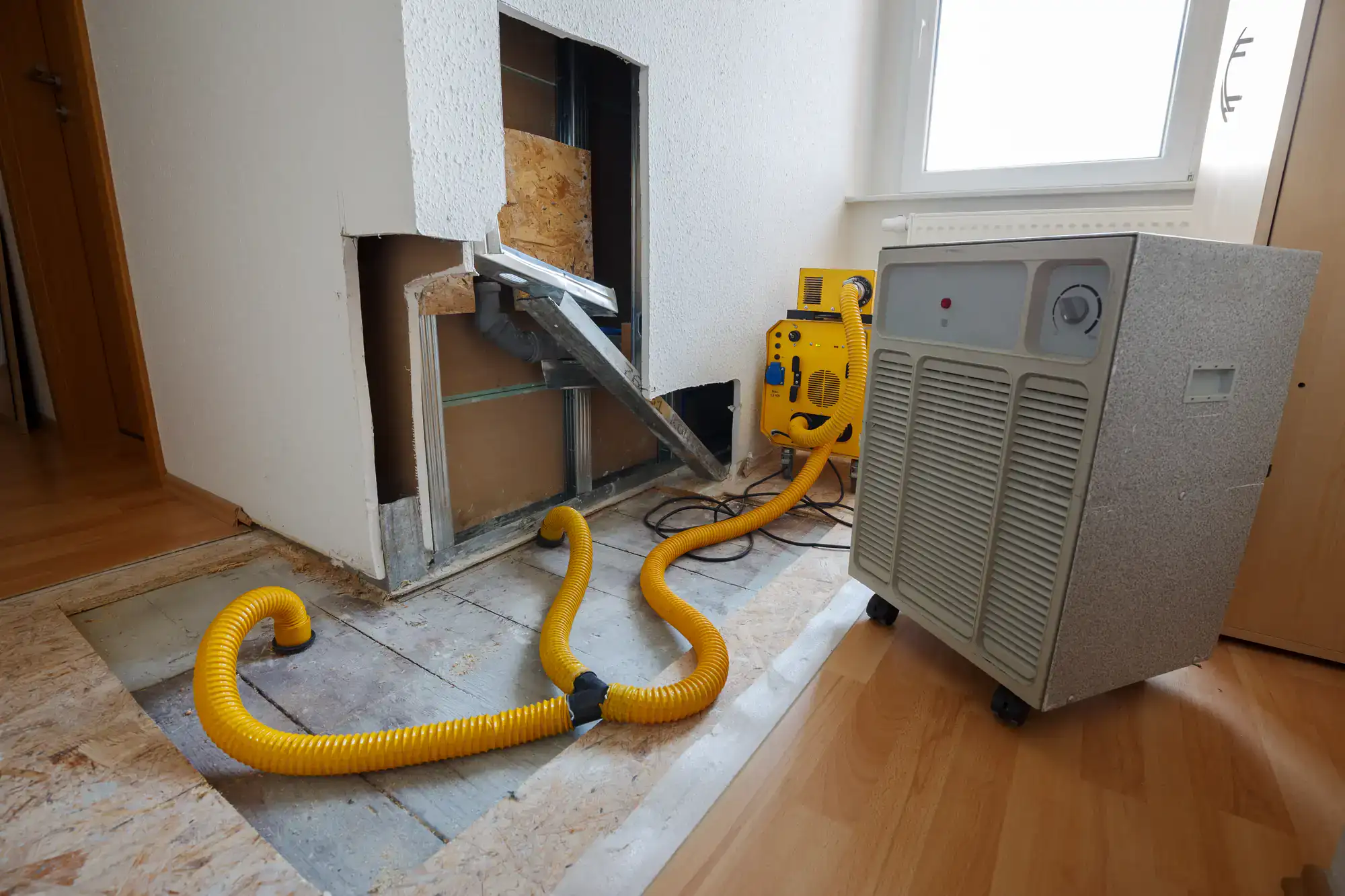
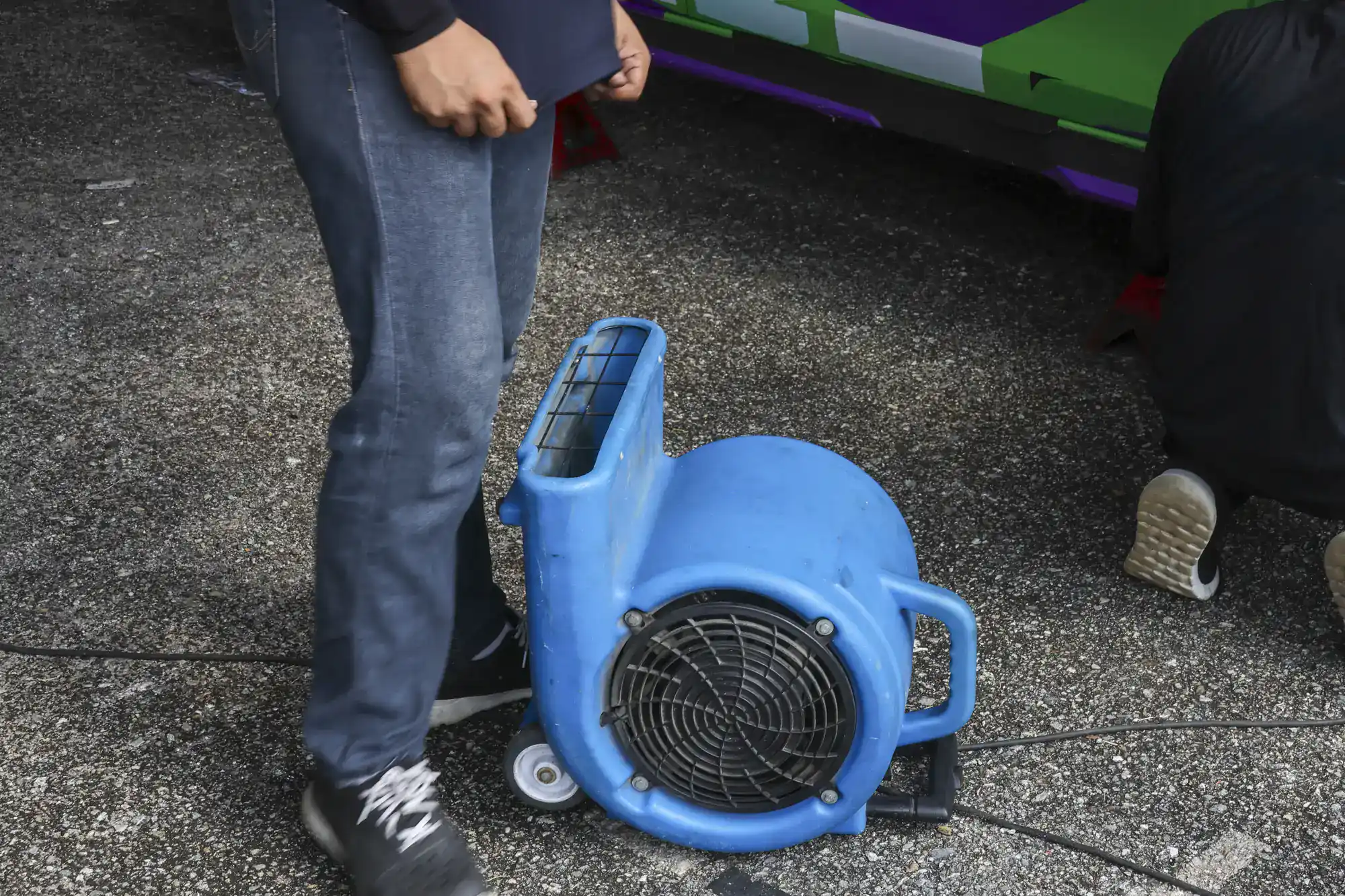
Mitigation starts immediately. That means extracting standing water, setting up dehumidifiers and air movers, or securing the property if there’s structural damage. The faster we stop the damage from spreading, the less you’ll pay in repairs and the lower your risk of secondary issues like mold.
Throughout the project, you’ll get regular updates from your project manager. They’ll coordinate with your insurance company, handle the paperwork, and make sure you know what’s happening at each stage. When reconstruction begins, the same team sees it through to completion—no handoffs to random subcontractors you’ve never met.
Ready to get started?
Property damage restoration in Washington Heights, WI covers more than just cleanup. You’re getting emergency water extraction, structural drying, smoke and soot removal, mold remediation, and full reconstruction—all coordinated by one team instead of juggling multiple contractors.
Here’s what matters: 98% of basements in Wisconsin experience some level of water damage. That’s not a scare tactic—it’s the reality of living in a climate with harsh winters and aging housing stock. When water damage happens, mold can start forming within 24 to 48 hours, even if surfaces look dry. Professional restoration means using thermal imaging and moisture meters to find hidden water you can’t see.
For fire damage, you’re not just dealing with what burned. Smoke residue is acidic and continues damaging surfaces long after the flames are out. Proper restoration includes cleaning all affected materials, treating odors at the source, and replacing what can’t be salvaged.
Insurance coordination is part of the service. The average water damage claim in Wisconsin pays out around $13,954, but getting that coverage requires proper documentation and communication with adjusters. We handle that process directly so you’re not navigating it alone while also managing the stress of a damaged home.
Response time for a 24-hour restoration company in Washington Heights, WI typically runs between one to three hours for emergency calls. That window matters because water damage spreads fast—what starts as a burst pipe in your bathroom can seep into adjoining rooms, saturate insulation, and compromise structural materials within hours.
When you call, you’ll speak with someone immediately who can dispatch a crew to your location. They’ll bring emergency equipment to start mitigation right away, even if it’s the middle of the night. The goal is to stop additional damage from occurring while you’re waiting for full restoration to begin.
Faster response directly impacts your total repair costs. The longer water sits, the more materials need replacing instead of drying. The longer smoke residue remains on surfaces, the deeper it penetrates and the harder it becomes to remove. A true emergency restoration service understands that timing isn’t just about convenience—it’s about protecting your property and your wallet.
Coverage depends on how the water damage happened. Standard homeowners insurance in Wisconsin typically covers sudden, accidental water damage—like a burst pipe, appliance malfunction, or roof leak from storm damage. What it doesn’t usually cover is water coming from the ground up, like foundation seepage, sump pump failure, or flooding from overland water flow.
That’s why documentation matters from the start. When we assess damage, we’re noting the source, taking photos, and measuring moisture levels in ways that insurance adjusters recognize and accept. We’ve worked with enough claims to know what information carriers need and how to present it clearly.
Wisconsin has some of the lowest homeowners insurance premiums in the country at around $780 annually, but that also means coverage limits can be tight. If you’re dealing with water damage, don’t wait to file your claim. The faster you report it and start mitigation, the better your chances of maximizing your coverage. We coordinate directly with your insurance company to streamline the process and handle the paperwork you’d otherwise be stuck managing yourself.
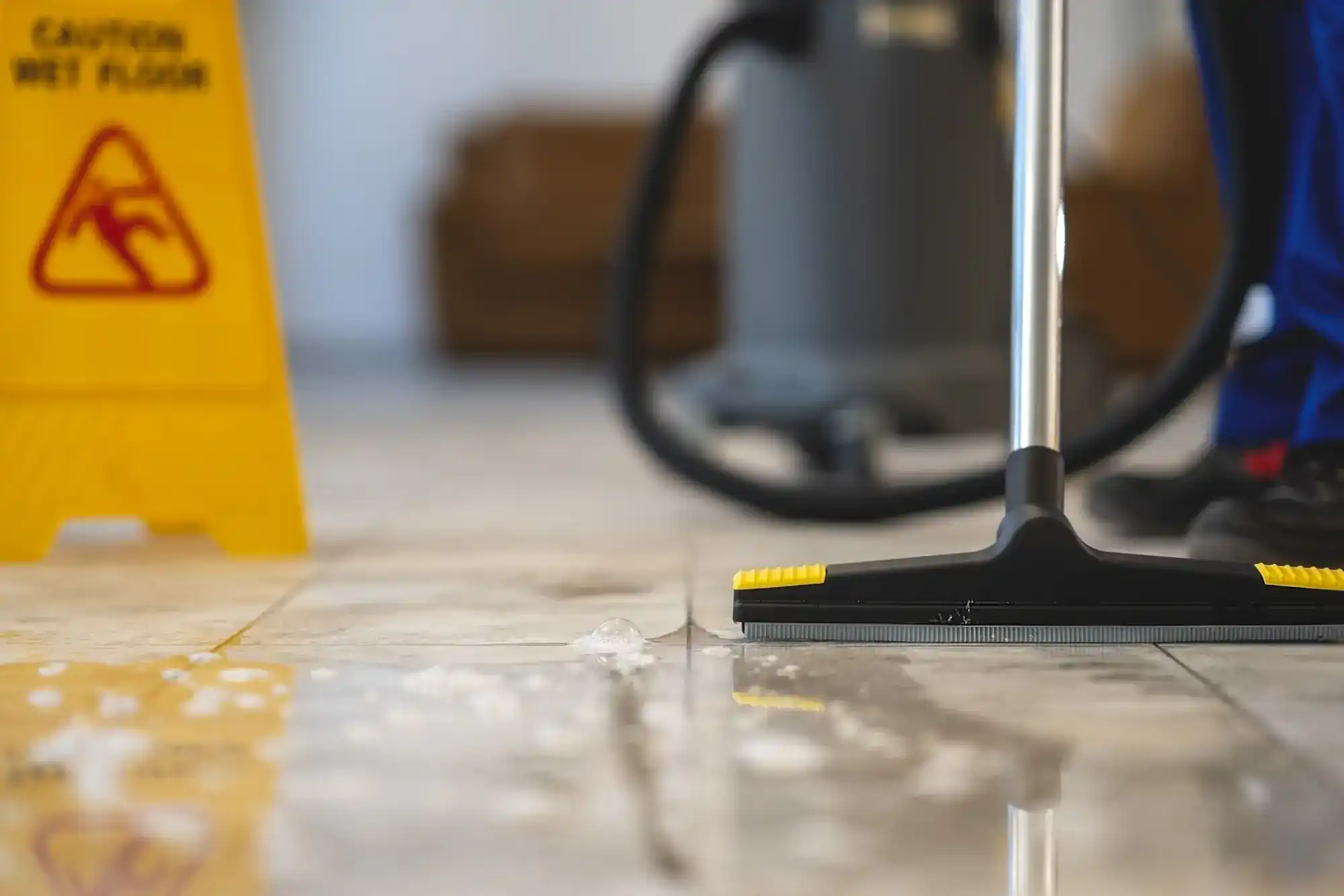
Water mitigation is the emergency response—it’s stopping the damage from getting worse. That includes extracting standing water, removing wet materials that can’t be saved, and setting up drying equipment. Mitigation happens in the first 24 to 48 hours and focuses purely on stabilizing your property.
Full water damage restoration comes after mitigation. That’s when we repair and rebuild what was damaged—replacing drywall, repairing flooring, repainting, and returning your home to its pre-damage condition. Restoration can take days or weeks depending on how extensive the damage was.
You need both, but they serve different purposes. Mitigation prevents mold growth and secondary water damage. Restoration makes your home livable again. Some companies only handle mitigation and then refer you elsewhere for repairs, which means you’re coordinating multiple contractors and timelines. We handle the entire process under one roof so you’re not managing a dozen different people or waiting weeks between phases.
Ask questions and expect clear answers. A trustworthy restoration company will explain what’s damaged, why it needs repair or replacement, and what happens if you don’t address it. If someone’s pushing work without explaining the reasoning, or if they’re reluctant to show you the actual damage, that’s a red flag.
Request documentation. Moisture readings, thermal imaging, and photos should back up what they’re telling you. If they say your subfloor is saturated, they should be able to show you the moisture meter readings that prove it. If they’re recommending mold remediation, ask to see where the mold is and why it can’t just be cleaned.
Get a detailed estimate in writing before work begins. It should break down labor, materials, and what’s included in each line item. Vague estimates with lump-sum pricing make it impossible to know what you’re actually paying for. You should be able to look at the estimate and understand exactly what’s being done and why.
Compare the scope to your insurance adjuster’s assessment. Adjusters see hundreds of claims and know what’s standard for specific types of damage. If your contractor’s estimate is wildly different from what the adjuster says is necessary, dig into why. Sometimes contractors catch damage adjusters miss, but they should be able to explain the discrepancy clearly.
Stop the water source if you can do it safely. If it’s a burst pipe, shut off your main water valve. If it’s an appliance leak, unplug the appliance and turn off its water supply. Don’t put yourself at risk—if water’s near electrical outlets or you’re unsure what’s safe, get out and call for help.
Move valuables and furniture out of the affected area if possible. Water spreads quickly across floors and wicks up into anything porous. The faster you can relocate items that aren’t already soaked, the more you’ll save. Take photos of the damage before you move anything—you’ll need documentation for your insurance claim.
Call your insurance company and a restoration company right away. Don’t wait to see if it dries on its own. Even if the visible water disappears, moisture trapped in walls, subfloors, and insulation creates the perfect environment for mold. Your insurance company will want to know you took immediate action to mitigate damage, and a restoration company can start the drying process before things get worse.
Don’t try to dry everything yourself with fans and towels. You might get surface moisture, but professional equipment is designed to pull water from places you can’t reach. Dehumidifiers, air movers, and moisture detection tools make the difference between a proper dry-out and a mold problem three weeks later.
Mitigation and drying usually take three to five days for water damage, depending on how much water was involved and what materials were affected. Hardwood floors and drywall take longer to dry than tile or concrete. If there’s significant saturation in subfloors or wall cavities, you’re looking at the longer end of that range.
Full restoration timelines vary based on the scope of repairs. Minor water damage that only requires drying and some drywall replacement might wrap up in a week. Extensive damage involving flooring replacement, cabinetry, and multiple rooms can take several weeks. Fire damage restoration tends to run longer because of the cleaning, odor treatment, and reconstruction involved.
Insurance approval can impact timelines. If your carrier needs additional documentation or sends their own adjuster for a second look, that adds time before repairs start. We work directly with insurance companies to minimize delays, but some waiting is unavoidable when claims are involved.
You’ll get a realistic timeline upfront based on what we find during the initial assessment. If something changes—we discover additional damage, materials are backordered, or insurance approval takes longer than expected—you’ll know immediately. No surprises, no vague “we’ll let you know” responses. You’re kept in the loop at every stage so you can plan accordingly.
Other Services we provide in Washington Heights