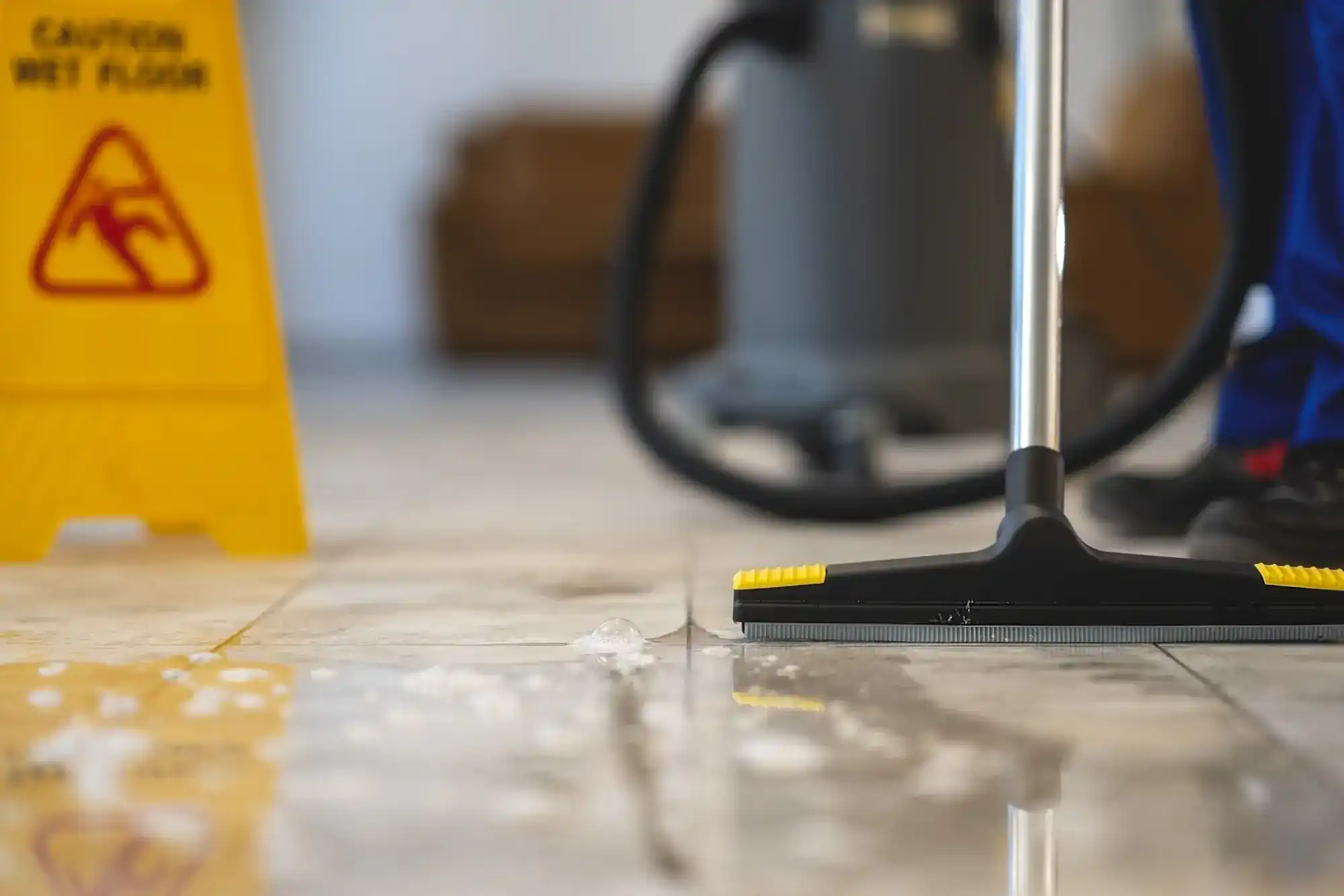

You get someone on site quickly who knows what they’re looking at. Not a salesperson inflating the scope—a trained technician who can assess the damage, explain what needs to happen, and start the work that day if the situation calls for it.
You’re not left wondering what’s next or when someone will call you back. From the first phone call through the final walkthrough, you’ll have a project manager keeping you updated and making sure the timeline makes sense for your life.
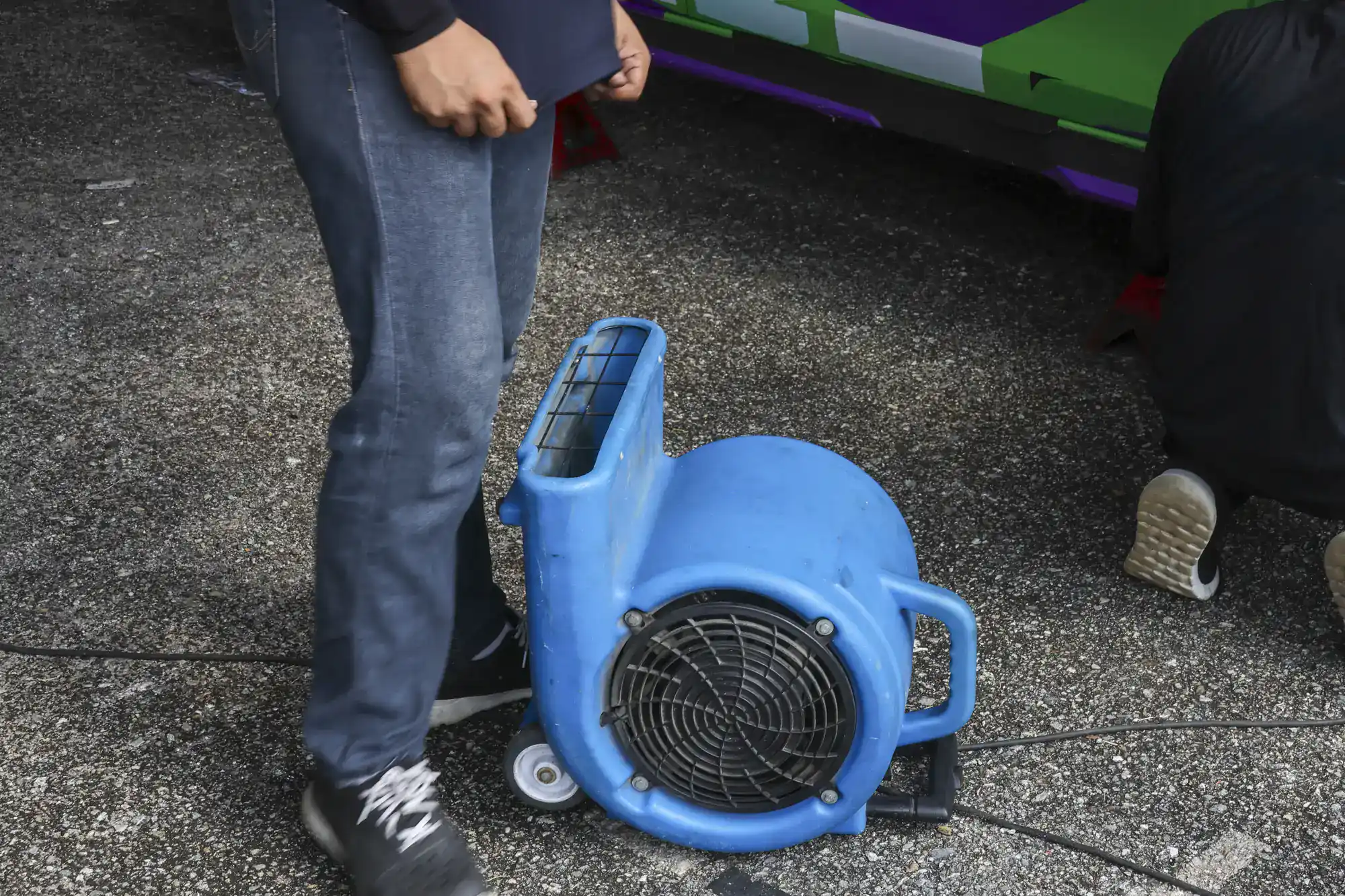
The work itself gets done right. That means professional-grade equipment for water extraction and drying, not box fans from the hardware store. It means following the protocols that prevent mold growth and structural issues down the line. And it means your insurance company gets the documentation they need without you playing middleman.
When the job’s finished, your home is dry, clean, and ready to move back into. Not “good enough for now”—actually done.
We exist because too many homeowners in Merrill Park have been burned by contractors who overpromise and underdeliver. We’re a local team that handles water damage, fire damage, and emergency restoration work the way it should be handled—with honesty, skill, and follow-through.
We’ve built our reputation on doing what we say we’ll do. That means transparent pricing, clear timelines, and no disappearing acts when questions come up. You’re dealing with your home, and we treat it that way.
Merrill Park homeowners face specific challenges—basement flooding from spring thaw, burst pipes during brutal Wisconsin winters, humidity-related mold in summer. We’ve seen it all, and we know how to address it without the guesswork or the upselling.
First, you’ll talk to a real person who can dispatch a technician immediately if it’s an emergency. We’re available 24/7 because water and fire don’t wait for business hours.
When our team arrives, we’ll assess the damage and walk you through what we’re seeing. You’ll get a clear explanation of what needs to happen and why—no jargon, no pressure. If it’s water damage, the priority is stopping the source and extracting standing water fast. Mold can start growing within 24 to 48 hours, so speed matters.
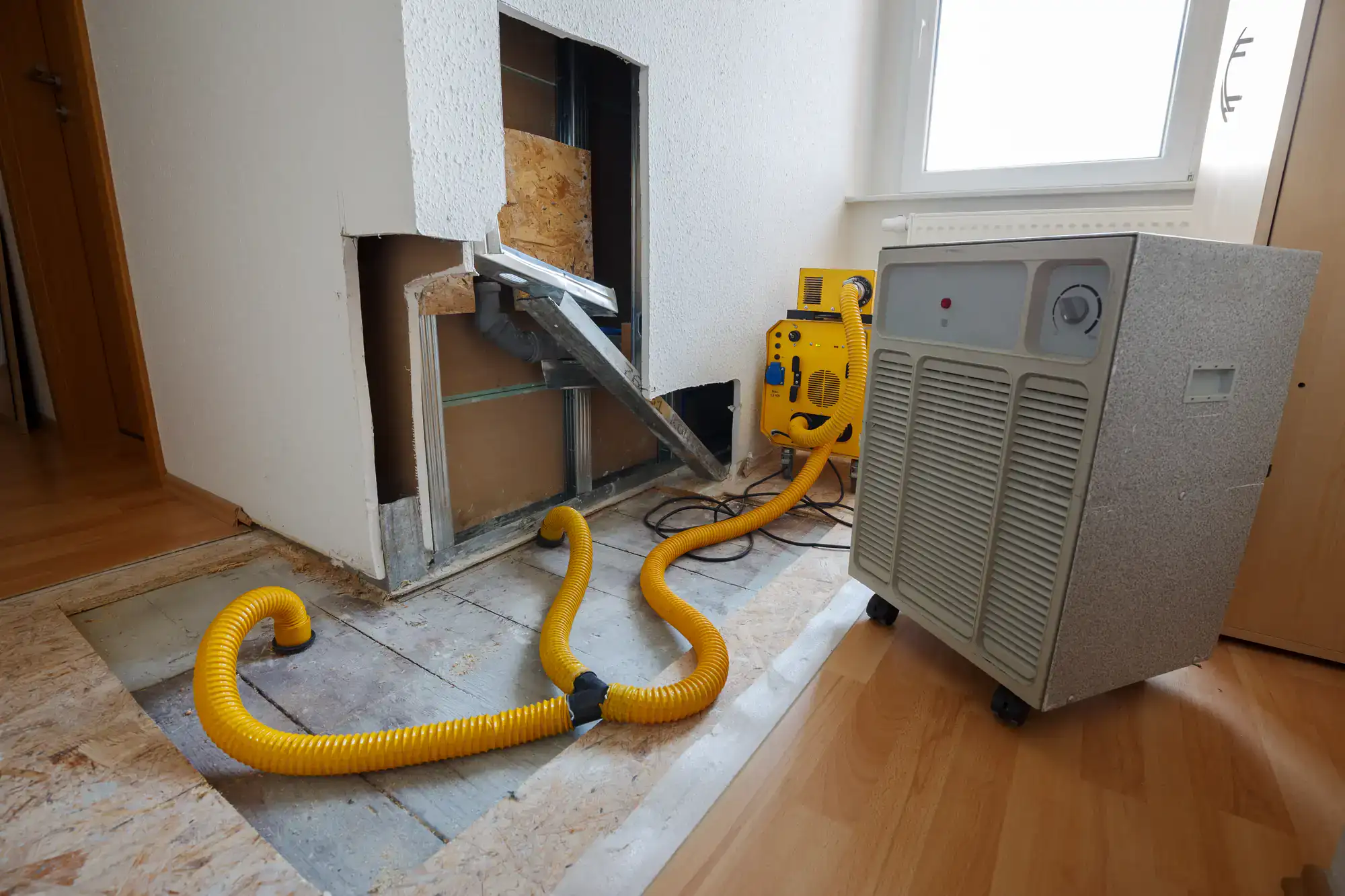
Next comes the drying process. We bring in industrial air movers and dehumidifiers to pull moisture out of floors, walls, and anything else that got wet. This usually takes three to five days, depending on the extent of the damage. Throughout this phase, your project manager will check in regularly and let you know how things are progressing.
Once everything’s dry and sanitized, we handle the repairs—replacing drywall, flooring, or whatever else was damaged. You’re not coordinating multiple contractors. We take it from start to finish.
Ready to get started?
You get a full damage assessment with photo documentation for your insurance claim. Most carriers require this, and we make sure it’s done right the first time so you’re not dealing with back-and-forth later.
Water extraction and structural drying come next, using commercial-grade equipment that actually works. We’re IICRC-certified, which means our technicians follow industry standards for moisture removal and mold prevention—not guesswork.
If there’s fire or smoke damage, we handle soot removal, odor elimination, and air quality restoration. Smoke residue isn’t just cosmetic—it’s corrosive and needs proper treatment to prevent long-term damage to your property.
Merrill Park sits near the Wisconsin River, and spring flooding is a real concern here. We’ve worked with dozens of homeowners dealing with basement water intrusion, and we know the local soil conditions and drainage issues that make certain properties more vulnerable. That local knowledge matters when you’re trying to prevent the same problem from happening again.
Mold remediation is another critical piece. Wisconsin’s humid summers create perfect conditions for mold growth after any water event. We don’t just dry things out—we verify moisture levels are back to normal and treat affected areas to prevent future growth.
If it’s an emergency, we’re dispatching someone immediately. Our goal is to have a technician on site within two hours for urgent situations—active flooding, burst pipes, fire damage, anything where delay makes the problem worse.
For water damage specifically, the 24-hour window is critical. That’s when you can still prevent mold growth and minimize structural damage. The longer water sits, the more expensive and complicated the restoration becomes.
If it’s not an active emergency—say you discovered old water damage or want an assessment—we’ll schedule a time that works for you, usually within 24 hours. Either way, you’re not waiting days to hear back or wondering if anyone’s actually coming.
It depends on what caused the damage and what your policy covers. Most standard homeowner’s policies cover sudden, accidental water damage—like a burst pipe or appliance failure. They typically don’t cover flooding from outside sources unless you have separate flood insurance.
Fire damage is usually covered under standard policies, including smoke and soot cleanup. Mold coverage varies—some policies cover it if it resulted from a covered event, others have specific exclusions or limits.
We work directly with insurance companies and can help you understand what’s likely to be covered. We’ll document everything properly, provide the estimates and photos your adjuster needs, and communicate with them throughout the process. You’re not stuck playing translator between your insurance company and your restoration company. That said, we can’t guarantee what your specific policy will or won’t cover—that’s ultimately between you and your carrier.
For most water damage jobs, the drying phase takes three to five days. That’s when we have equipment running in your home pulling moisture out. Once everything’s confirmed dry, repairs can begin—that timeline depends on what needs replacing.
Minor repairs like a section of drywall and some baseboard might take a day or two. Larger jobs involving multiple rooms, flooring replacement, or structural work can take a couple of weeks. We’ll give you a realistic timeline upfront based on what we’re seeing.
Fire damage restoration typically takes longer because there are more steps—soot removal, odor treatment, air quality testing, then repairs. A small fire might be wrapped up in a week or two. Significant fire damage can take a month or more.
The key is that you’ll know what to expect before we start. Your project manager will lay out the timeline and keep you updated if anything changes. You’re not left guessing when you can move back into your space.
We address it as part of the restoration process. If we’re already on site for water damage and discover mold growth, we’ll contain the affected area, remove contaminated materials, treat surfaces with antimicrobial solutions, and verify the air quality is safe before moving forward.
Mold remediation follows specific protocols—it’s not just spraying something and hoping for the best. We’re trained in proper containment to prevent spores from spreading to unaffected areas of your home. Contaminated materials like drywall or insulation get removed and disposed of properly.
After treatment, we use moisture meters and sometimes air quality testing to confirm the problem is actually resolved. Wisconsin’s humidity makes mold prevention especially important here—if we don’t address the moisture source and dry everything thoroughly, you’ll be dealing with the same issue again in a few months.
Your insurance coverage for mold varies by policy, but if the mold resulted from a covered water damage event, there’s often at least partial coverage. We’ll document everything so your claim is as strong as possible.
Not always, but it depends on the extent of damage and what work is happening. For minor water damage in one area—say a bathroom or basement—you can usually stay in your home while we work. The equipment is loud, but it’s manageable.
If there’s significant water damage affecting multiple rooms, or if we’re dealing with sewage contamination, it’s often better to stay elsewhere during the drying phase. Same with fire damage—smoke odor and soot residue can make the space unpleasant or unsafe until we’ve completed the initial cleanup.
We’ll be straight with you about whether staying makes sense or not. If you do need to relocate temporarily, many insurance policies cover additional living expenses—hotel, meals, that kind of thing. We can help you understand what documentation your carrier will need for those claims.
The goal is always to get you back in your home as quickly as possible without cutting corners. If that means a few uncomfortable days with equipment running, most people choose to stay. If it means a week in a hotel while we handle major work, that’s often the smarter call.
For water damage, stop the source if you can—shut off the water main if it’s a burst pipe, turn off the supply line if it’s an appliance. Move anything valuable or important out of the affected area if it’s safe to do so. Don’t wait to see if it gets worse—call us right away.
For fire damage, make sure the fire department has cleared the property as safe to enter. Don’t try to clean anything yourself—soot and smoke residue require specific cleaning methods, and you can actually make the damage worse or spread it to unaffected areas.
In both cases, document everything with photos before anything gets moved or cleaned. Your insurance company will want this, and it protects you if there are any questions later about the extent of damage.
Then call us. We’ll walk you through what to do next and get someone on site quickly. The faster we can start the restoration process, the less damage you’ll end up dealing with overall. Water wicks into materials and mold starts growing fast—every hour matters.
Other Services we provide in Merrill Park