
You’re not looking for a restoration company that talks a good game. You need someone who picks up the phone at 2 a.m., arrives within hours, and walks you through what’s actually damaged—not what might pad the invoice.
Property damage restoration in Historic Third Ward isn’t just about pulling out wet carpet or scrubbing soot off walls. It’s about protecting a $377,000 median-value property in a neighborhood where every detail matters. It’s about keeping mold from taking hold in the 48-hour window you have before it becomes a bigger problem.
The right disaster restoration company doesn’t just dry things out and leave. We coordinate with your insurance, explain what’s covered, manage the timeline, and make sure you’re not displaced longer than necessary. You get your space back in the condition it was before—or better—without spending your days chasing down answers or wondering if the work was done correctly.
Flood Guys Restoration exists because too many people in Historic Third Ward and across Milwaukee have been burned by contractors who inflate scopes, ghost them mid-project, or treat their home like a number. We started with a simple idea: do the work that’s needed, explain why it’s needed, and treat your property the way we’d want ours treated.
We’re local. We’re licensed and IICRC-certified. We’ve worked in enough Third Ward condos and historic buildings to know what’s at stake when you’re restoring a property in a nationally listed district. Our project managers don’t disappear after the estimate—they’re with you from the first call to the final walkthrough.
This neighborhood has seen its share of disasters, from the 1892 fire that leveled 16 blocks to the water damage that comes with aging infrastructure in repurposed warehouses. We’re here to make sure the next chapter of your property’s story doesn’t include a restoration nightmare.
First, you call. We answer—24/7, no voicemail runaround. If it’s an emergency, we’re on-site within two hours to assess the damage and start mitigation. That means stopping water flow, securing the property, and preventing further loss.
Next, we document everything. Photos, moisture readings, a full scope of what’s damaged and what’s salvageable. You get a clear explanation of what needs to happen and why. If insurance is involved, we work directly with your adjuster to make sure the claim reflects the actual damage—not an inflated version, not a lowball estimate.
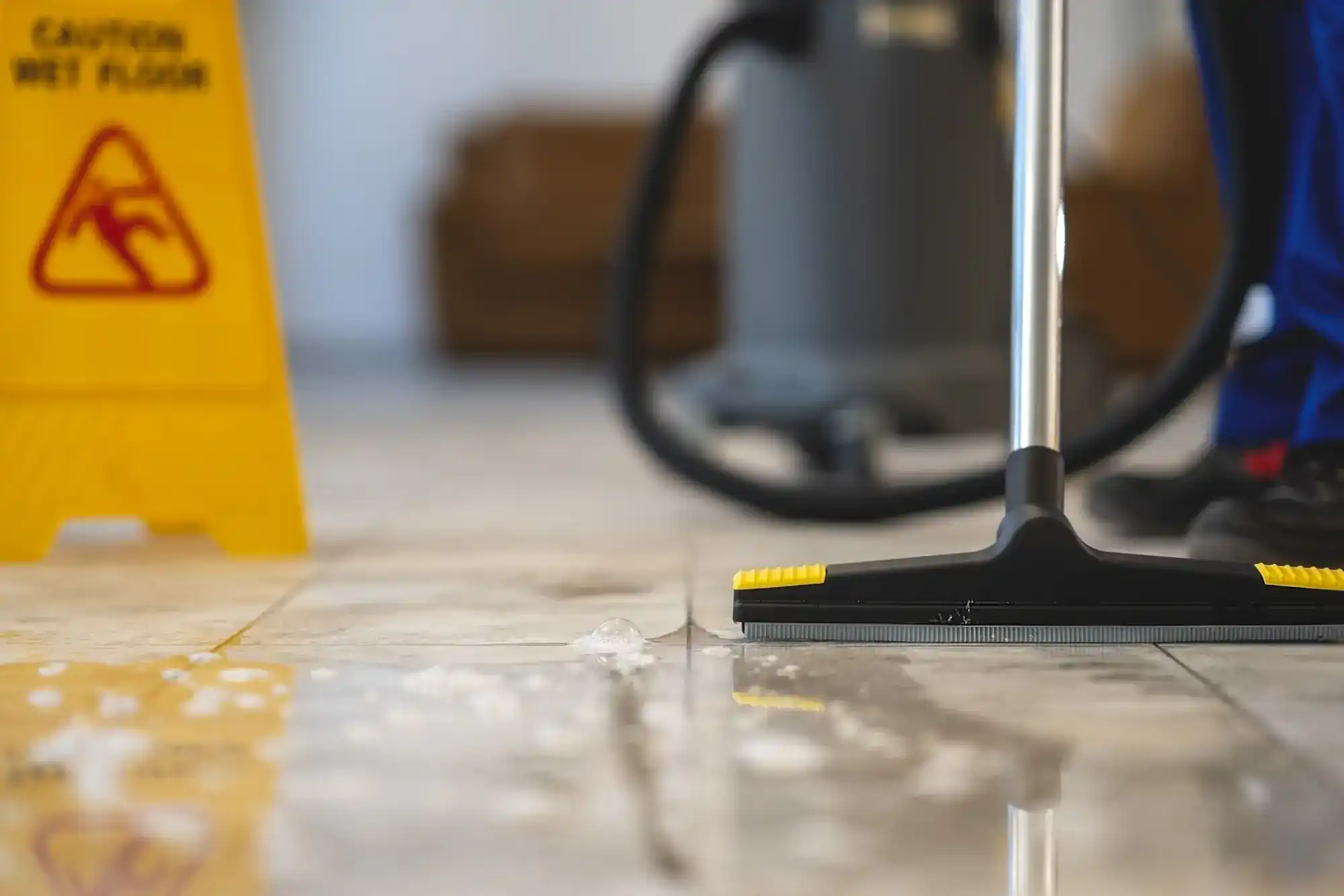
Then we restore. Water extraction, structural drying, debris removal, mold remediation, smoke and soot cleanup—whatever the situation requires. Our team handles it with the equipment and certifications that matter. You get regular updates, not radio silence.
Finally, we rebuild. If walls need replacing, floors need refinishing, or finishes need matching to maintain your property’s character, we manage that too. One team, start to finish, so you’re not coordinating three different contractors while trying to get back to your life.
Ready to get started?
Property damage restoration in Historic Third Ward covers more than you might think. Water damage from burst pipes, roof leaks, or appliance failures. Fire and smoke damage that leaves soot embedded in surfaces and odors lingering in ventilation. Mold growth that starts in hidden spaces and spreads if not caught early.
In a neighborhood where one-bedroom condos start at $172,500 and penthouses top $1.6 million, the cost of waiting or hiring the wrong team is steep. Historic Third Ward properties often have unique challenges—original brick, exposed beams, industrial-style finishes that can’t just be swapped out at Home Depot. Restoration here requires understanding how to work with older materials while meeting modern standards.
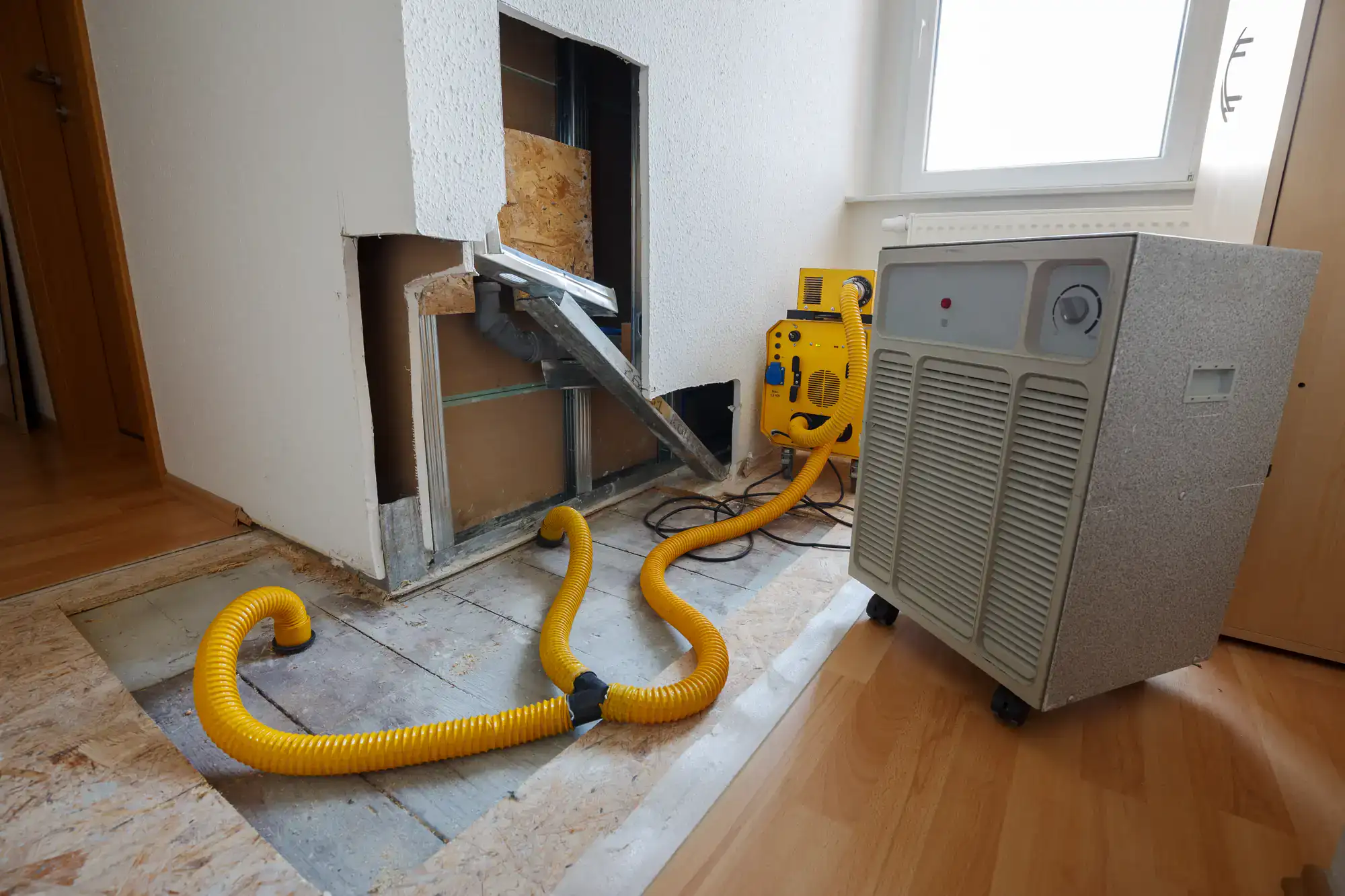
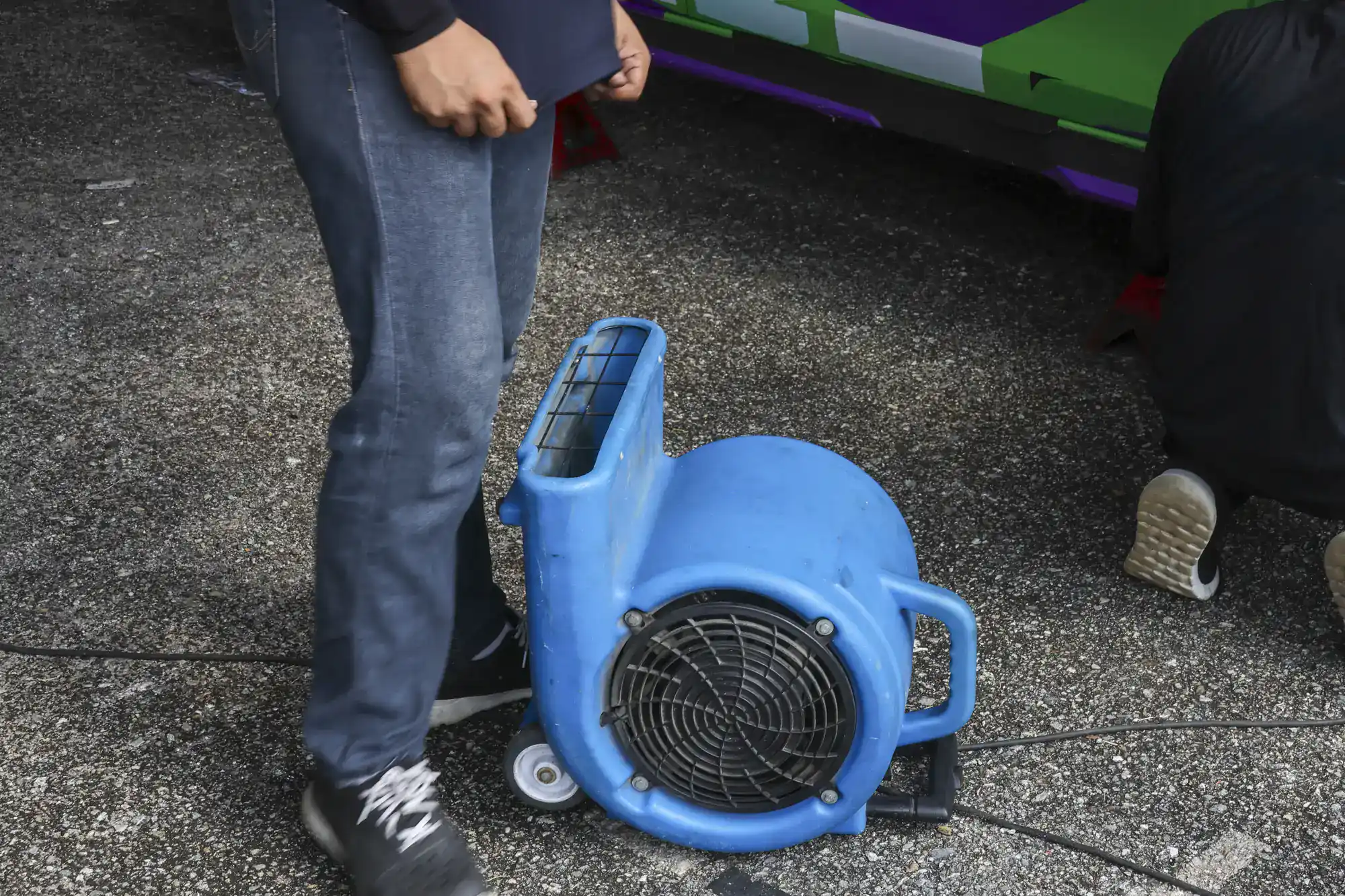
Our damage restoration services include emergency water extraction, structural drying with commercial-grade dehumidifiers and air movers, fire and smoke remediation, mold inspection and removal, content pack-out and storage if needed, and full reconstruction. We’re not a mitigation-only company that hands you off to someone else for repairs. We see it through.
Milwaukee sees an average of 34 inches of rain per year, plus snow and freeze-thaw cycles that stress plumbing in buildings that were never designed for modern heating systems. Wind and hail account for over 40% of property damage claims nationally, and water damage makes up another 27%. You’re not being paranoid by wanting a restoration company you can trust—you’re being realistic.
We commit to a two-hour response time for emergency calls in Historic Third Ward. That’s not an estimate—that’s the standard.
When you’re dealing with active water damage or fire aftermath, every hour counts. Water can soak into subflooring, drywall, and insulation within minutes. Mold can start growing in 24 to 48 hours. Smoke odor sets deeper into porous materials the longer it sits.
A fast response means we can start mitigation immediately—stopping the source, extracting standing water, setting up drying equipment, and securing your property. That limits the damage, reduces restoration costs, and gets you back to normal faster. If you call us at midnight, we’re there by 2 a.m. If you call at 6 a.m., we’re there by 8. No waiting until Monday. No “we’ll fit you in tomorrow.”
Most homeowner and condo insurance policies in Historic Third Ward cover sudden, accidental damage like burst pipes, fire, and storm-related water intrusion. They typically don’t cover gradual damage, neglect, or flood damage unless you have separate flood insurance.
The key is documentation. Insurance companies want proof of what happened, when it happened, and what’s needed to fix it. We document everything—photos, moisture readings, detailed scopes—and work directly with your adjuster to make sure the claim is accurate.
Some restoration companies inflate the scope to maximize the payout, which can trigger audits or disputes that delay your claim. Others underestimate the damage, leaving you to cover the difference out of pocket. We estimate what’s actually needed, explain it clearly, and back it up with industry-standard pricing. If your insurer pushes back on something legitimate, we provide the documentation to support it. You shouldn’t have to become an insurance expert in the middle of a crisis—that’s part of what we handle.
Mitigation is the emergency response—stopping the damage from getting worse. Restoration is bringing your property back to pre-loss condition.
Mitigation includes water extraction, structural drying, debris removal, board-up services, and mold containment. It’s about stabilizing the situation so you’re not dealing with secondary damage while you figure out the next steps. Many companies only do mitigation, then refer you to a contractor for repairs.
Full restoration includes everything mitigation covers, plus the rebuild. That means replacing drywall, repainting, refinishing floors, reinstalling trim, matching finishes, and making sure the space looks and functions the way it did before the damage. In Historic Third Ward, that might mean sourcing reclaimed brick, matching original wood finishes, or working with materials that aren’t standard stock.
We handle both. You call once, work with one project manager, and get one team that sees the job through from emergency response to final walkthrough. No handoffs, no gaps in communication, no wondering who’s responsible if something doesn’t look right three weeks later.
It depends on the extent of the damage, but most water damage restoration projects in Historic Third Ward take between three and seven days for drying, and another one to three weeks for repairs if reconstruction is needed.
Drying time is determined by how much water was involved, what materials were affected, and the humidity levels in your space. Hardwood floors take longer to dry than tile. Drywall holds moisture longer than concrete. We use moisture meters to track progress and don’t move to the next phase until readings confirm the space is dry.
If you’re in a condo building, we also coordinate with property management to make sure we’re not causing issues for neighboring units. Shared walls, common plumbing, and HOA requirements can add steps to the process, but they don’t have to add confusion if your restoration company knows how to navigate them.
The goal isn’t to finish fast—it’s to finish right. Rushing the drying process leads to trapped moisture, which leads to mold, warping, and odors down the line. We’d rather take an extra day to confirm everything’s dry than have you call us back in two months because something wasn’t done correctly.
It depends on the severity of the damage and what phase of restoration we’re in. For minor water damage—like a small leak contained to one room—you can usually stay in your home while we work. For larger losses involving multiple rooms, structural damage, or fire and smoke, it’s often safer and more practical to stay elsewhere temporarily.
If there’s active mold growth, compromised air quality from smoke, or if we need to remove large sections of drywall or flooring, we’ll recommend relocating until the space is safe and livable again. Many insurance policies cover additional living expenses during this time, which can include hotel stays or short-term rentals.
We don’t make that call lightly. If you can stay, we’ll work around your schedule and minimize disruption. If you need to leave, we’ll coordinate with your insurance to make sure you’re covered and keep you updated on progress so you know exactly when you can move back in. We’ve had clients stay in their Historic Third Ward condos during smaller jobs and others who needed two weeks in a hotel while we rebuilt after a kitchen fire. Every situation is different, and we’ll walk you through what makes sense for yours.
Yes, but it requires understanding the restrictions and requirements that come with working in a nationally listed historic district. The Historic Third Ward has local historic protection, which means certain types of work require a certificate of appropriateness before you can proceed.
That doesn’t mean restoration is impossible—it just means you need a restoration company that knows how to navigate the process. We’ve worked on enough properties in the Third Ward to understand what triggers review, what materials are acceptable, and how to document pre-existing conditions so your restoration doesn’t get held up by permitting issues.
In many cases, emergency restoration work is exempt from historic review because it’s necessary to prevent further damage. But if we’re replacing exterior elements, altering visible features, or making structural changes, we’ll coordinate with the appropriate authorities to make sure everything is approved before we start. The last thing you need after a disaster is a stop-work order because someone didn’t pull the right permits or follow district guidelines. We handle that on the front end so you don’t have to worry about it on the back end.
Other Services we provide in Historic Third Ward