
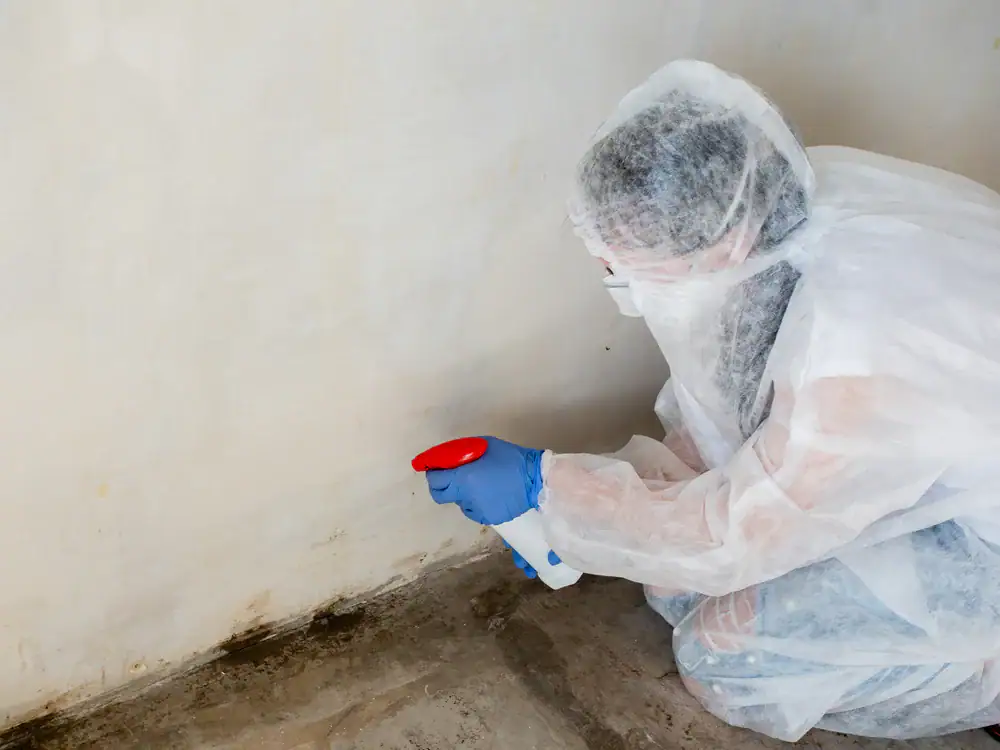
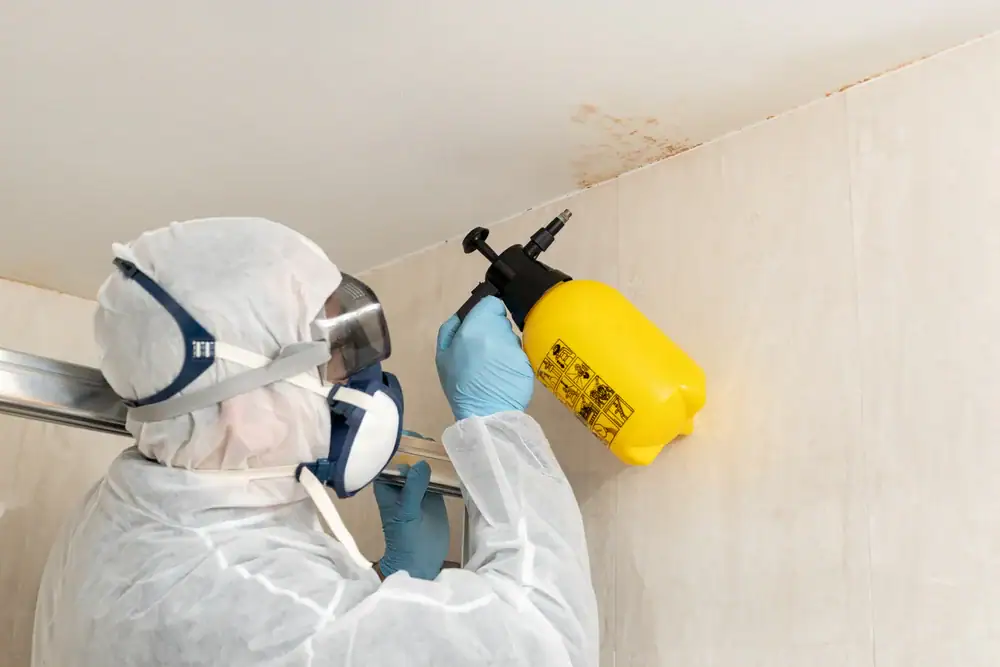
You’ll breathe easier knowing the mold is gone—not just covered up or temporarily removed. Our systematic approach tackles the root cause, so you’re not dealing with the same problem months later.
No more musty odors filling your rooms. No more worrying about what’s growing behind your walls. No more wondering if that headache or congestion is connected to something lurking in your home.
When we finish, you get back to living in a space that feels clean and safe. Your family’s health comes first, and our process ensures the mold problem is solved completely.
We serve Hampton Heights and the surrounding 35-mile radius with the kind of service you’d expect from neighbors who actually care about getting it right.
We’re a local, family-owned business that understands Wisconsin homes. We know how our climate creates moisture problems, especially in basements and crawl spaces. We’ve seen what happens when mold gets ignored—and we’ve perfected the process to stop it.
Our team responds 24/7 because mold problems don’t wait for business hours. When you call, you’re talking to people who live and work in this community, not a call center somewhere else.
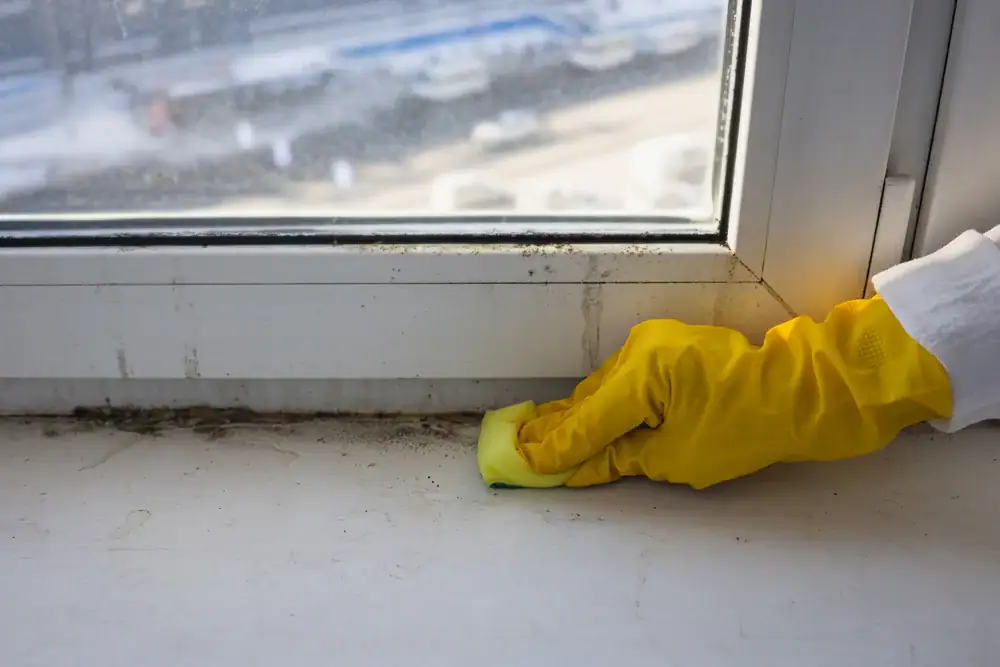
We start with a comprehensive assessment to find exactly what you’re dealing with. Our trained technicians evaluate the extent of the issue, identify affected areas, and locate potential hazards you might not see.
Next, we develop a tailored restoration plan that addresses your specific situation. No cookie-cutter approaches—every mold problem is different, and the solution should be too.
Then we get to work with advanced restoration equipment and technology. We don’t just clean what’s visible; we tackle the moisture source that’s feeding the problem. Without fixing that, you’re just wasting time and money.
Throughout the process, we contain the work area to prevent spores from spreading to clean parts of your home. When we’re done, we verify the job with final testing to make sure the problem is actually solved.
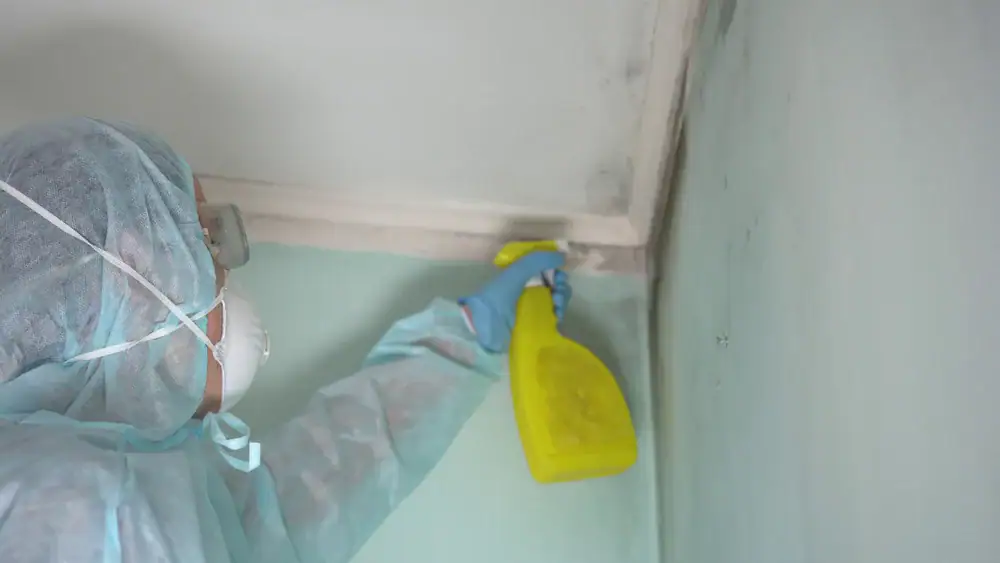
Ready to get started?
You get a complete moisture assessment to identify the source of the problem. We use specialized tools to detect hidden damage behind walls and under flooring—places where mold loves to grow unnoticed.
Our process includes proper containment to prevent cross-contamination, HEPA filtration to capture microscopic spores, and antimicrobial treatments to eliminate colonies. We also handle the removal and disposal of contaminated materials when necessary.
In Hampton Heights, we see mold issues frequently in basements due to our Wisconsin climate and seasonal moisture changes. Ice dams in winter, spring flooding, and summer humidity all contribute to conditions that support mold growth. Our team knows these local patterns and addresses them specifically in our remediation approach.
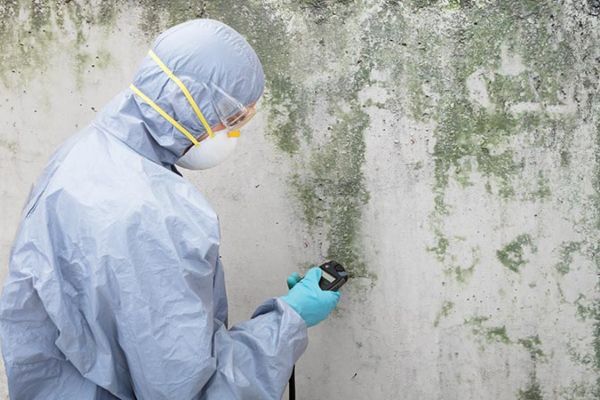
If you can see mold or smell that musty, earthy odor, you already have a problem that needs professional attention. But here’s what most people don’t realize—visible mold is often just the tip of the iceberg.
Mold grows behind walls, under flooring, and in crawl spaces where you can’t see it. By the time you notice it, it’s usually been growing for weeks or months. Professional assessment uses moisture meters and thermal imaging to find the full extent of the problem.
You should also call if you’ve had recent water damage, notice water stains, or if family members are experiencing unexplained respiratory issues, headaches, or allergy-like symptoms that improve when they leave the house.
Bleach might make the surface look clean, but it doesn’t actually solve the mold problem. Mold has root-like structures that grow deep into porous materials like drywall and wood. Surface cleaning just removes what you can see.
Plus, disturbing mold without proper containment spreads spores throughout your home. Those spores settle in new areas and start growing when conditions are right. You end up with a bigger problem than when you started.
Professional remediation includes containment protocols, HEPA filtration, and treatments that actually eliminate the mold at the source. We also fix the moisture issue that caused the problem in the first place, so it doesn’t come back.
Most residential mold remediation projects take between 2-5 days, depending on the extent of the contamination and how many areas are affected. Small, contained areas might be completed in a day or two.
Larger projects—especially those involving structural materials like drywall removal—can take a week or more. The timeline also depends on how long it takes to dry out the affected areas completely. Moisture has to be eliminated before we can finish the restoration.
We’ll give you a realistic timeline after our initial assessment. We don’t rush the process because cutting corners means the mold comes back. It’s better to do it right the first time than to deal with the same problem again in six months.
Insurance coverage depends on what caused the mold growth. If it resulted from a sudden, accidental event like a burst pipe or storm damage, your policy will likely cover remediation costs.
However, if the mold developed due to ongoing maintenance issues like a slow leak that wasn’t addressed, insurance typically won’t cover it. Gradual damage from neglect or normal wear and tear usually isn’t covered under standard policies.
We work directly with insurance adjusters to document the damage and help with your claim when coverage applies. We’ll also provide detailed reports and photos that insurance companies need to process claims efficiently.
Proper mold remediation addresses both the mold and the moisture source that caused it. When done correctly, mold shouldn’t return to the same areas. If it does, there’s usually an underlying moisture problem that wasn’t fully resolved.
This is why we focus heavily on moisture control—fixing leaks, improving ventilation, addressing drainage issues, and reducing humidity levels. Without eliminating the conditions that support mold growth, you’re just treating symptoms instead of the cause.
We provide recommendations for preventing future mold issues, including maintenance tips and environmental controls. If you follow these guidelines and address moisture problems promptly, mold recurrence becomes very unlikely.
Despite what you might have heard, black mold isn’t necessarily more dangerous than other mold types. All mold can cause health problems, especially for people with allergies, asthma, or compromised immune systems.
The health effects depend more on the amount of mold present and how long you’ve been exposed than on the specific type. Some people are sensitive to very small amounts, while others can tolerate higher levels without obvious symptoms.
What matters is getting any mold problem addressed quickly and thoroughly. Whether it’s black, green, white, or any other color, mold doesn’t belong in your living space. Our remediation process is the same regardless of the type—eliminate the mold and fix the conditions that allowed it to grow.
Other Services we provide in Hampton Heights