
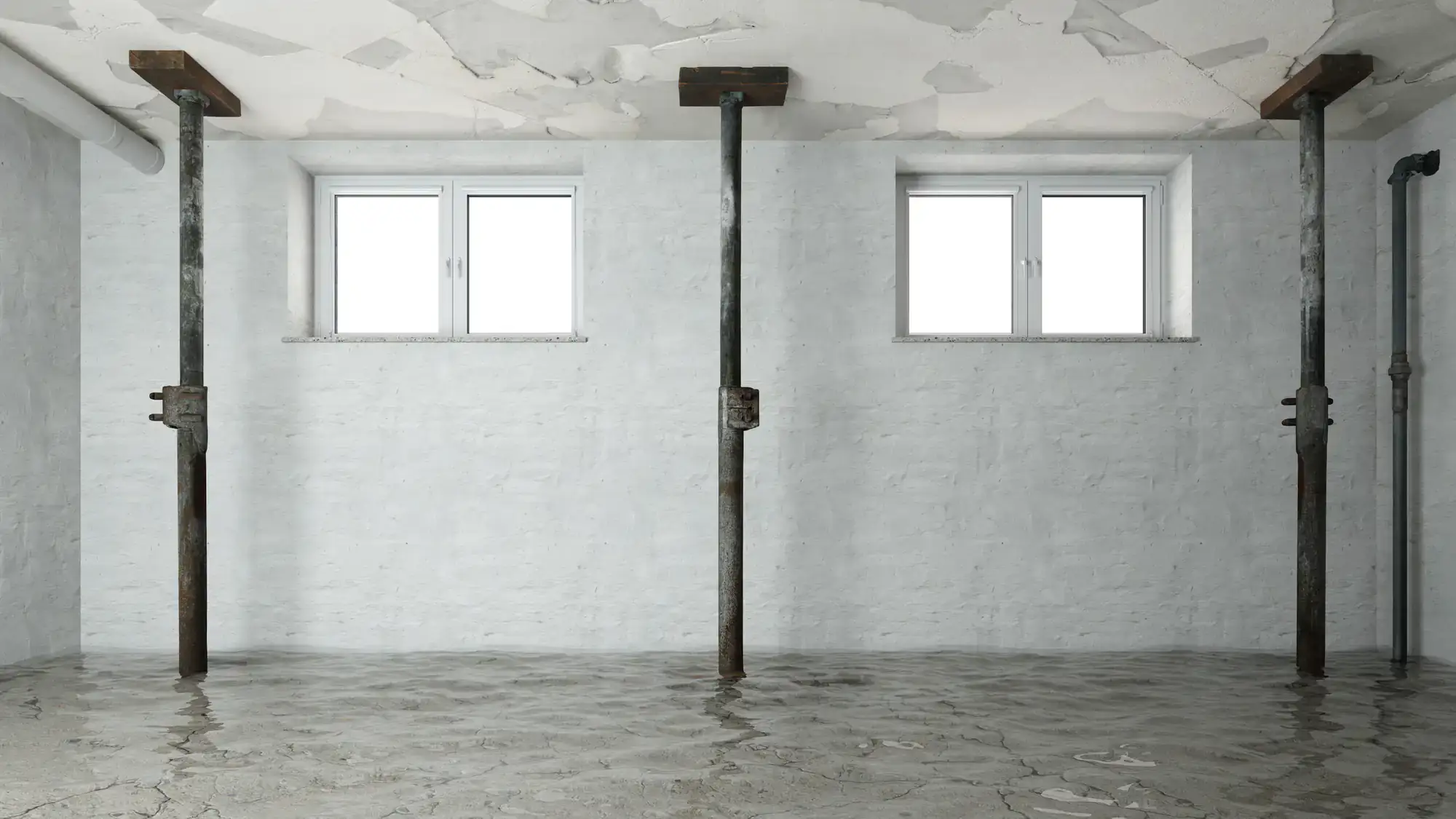
When your basement floods in Washington Park, the clock starts immediately. Mold can begin growing within 24 to 48 hours if moisture isn’t fully removed. Structural damage gets worse the longer water sits against drywall, wood framing, and concrete.
Professional basement water removal service means industrial-grade pumps and extraction equipment that pull water out faster and more completely than a shop vac ever could. It means dehumidifiers running at the right capacity to dry what you can’t see—inside walls, under flooring, in crawl spaces.
The outcome you’re paying for isn’t just a dry basement. It’s avoiding the $15,000 mold remediation bill three months from now. It’s keeping your foundation intact. It’s being able to use that space again without wondering what’s growing behind the walls.
You get your home back to normal faster when the water actually leaves—and stays gone.
We operate throughout Washington Park and the greater Milwaukee area with one straightforward goal: be the company people can trust when their home floods. We know the reputation this industry has. We’ve heard the stories about inflated scopes, ghost contractors, and companies that vanish after the deposit clears.
That’s not how we work. When you call about a flooded basement cleanup in Washington Park, you get a real person who answers, a crew that shows up when we say we will, and clear communication about what needs to happen and why.
We’ve been doing this long enough to know that Wisconsin basements flood for predictable reasons—heavy spring rains, aging sump pumps, overwhelmed storm sewers during intense rainfall events like the August 2025 flooding that hit Milwaukee County hard. We understand the local building codes, the insurance requirements, and how to document everything properly so your claim goes through without unnecessary back-and-forth.
First, we answer the phone. You’re not getting voicemail at 2 AM when your basement just flooded. You’re getting a real person who can dispatch a crew to Washington Park quickly.
When we arrive, we assess the situation: how much water, what’s the source, is it still coming in, are there safety hazards like electrical issues or contaminated water. We document everything with photos and notes for your insurance company before we touch anything.
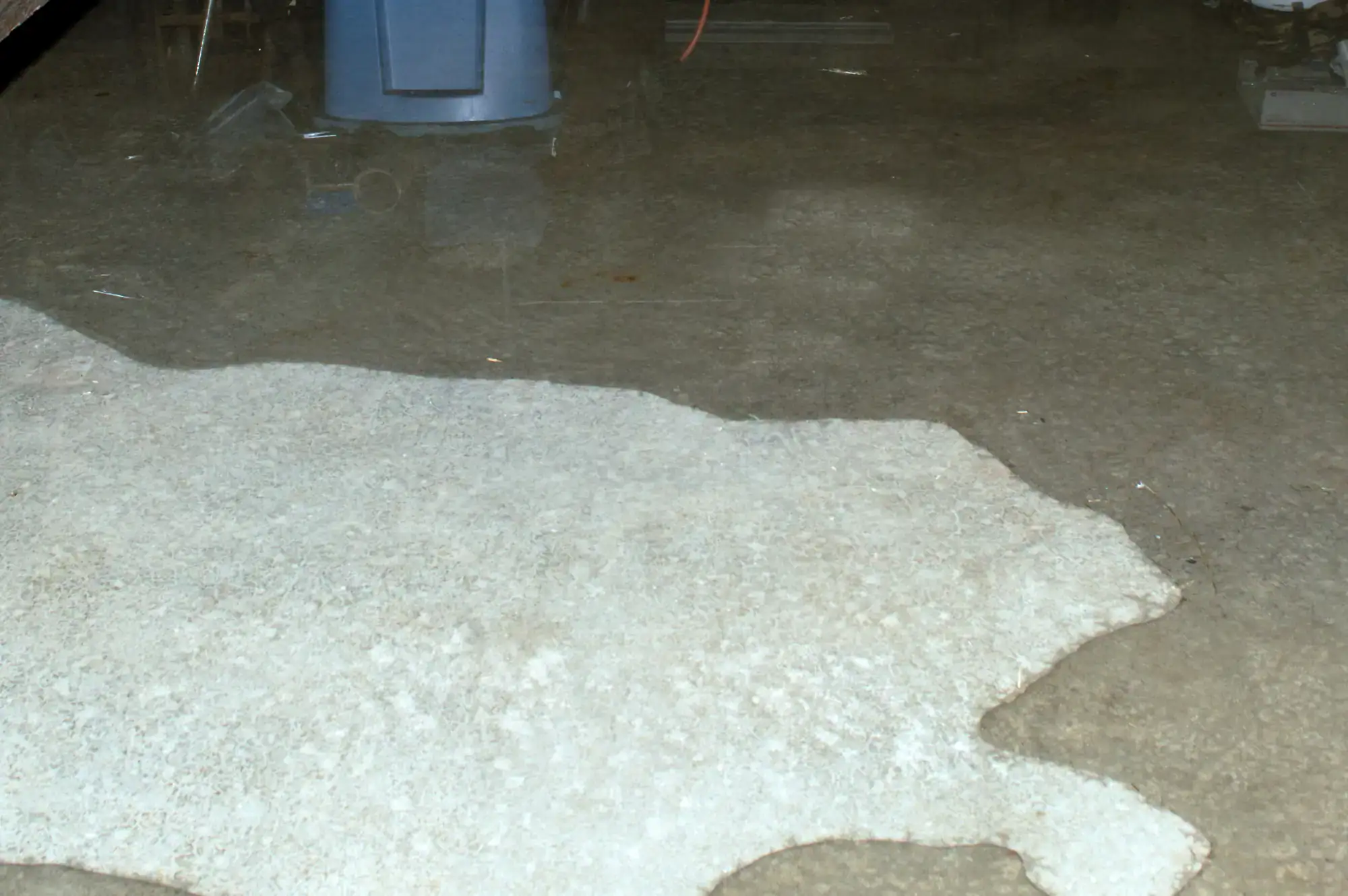
Then we pump out the flooded basement using commercial extraction equipment. Depending on the volume, this can take anywhere from an hour to several hours. Once standing water is gone, we set up air movers and dehumidifiers to dry out everything that absorbed moisture—subfloors, drywall, insulation, framing.
We monitor moisture levels daily with meters to confirm everything is drying properly. When readings hit safe levels, we remove the equipment. If there’s damage that needs repair—drywall replacement, flooring work, mold remediation—we handle that too, or we can stop after extraction and drying if that’s all you need.
You get updates throughout. You know what’s happening and why. No surprises on the bill.
Ready to get started?
Emergency water extraction means we bring truck-mounted pumps and portable extractors that remove thousands of gallons quickly. For Washington Park homes, this is critical because many basements in older neighborhoods sit below the water table, and once flooding starts, volume adds up fast.
Structural drying includes commercial-grade dehumidifiers and air movers strategically placed to dry walls, floors, and hidden spaces. We’re not just drying the surface—we’re pulling moisture out of materials before it causes rot, warping, or mold growth.
Moisture monitoring happens daily. We use thermal imaging and moisture meters to track progress and confirm when your basement is actually dry, not just visually dry. This step prevents callbacks and future problems.
Content handling and storage can be arranged if furniture, boxes, or belongings need to be moved out during drying. We’ll also handle debris removal if items are unsalvageable.
Insurance documentation is part of every job. We photograph the damage, log our findings, and provide the paperwork your insurance company needs to process your claim. Most homeowners insurance policies in Wisconsin require flood coverage as a separate policy, but water damage from things like burst pipes or sump pump failures is usually covered under standard policies—we help you figure out what applies.
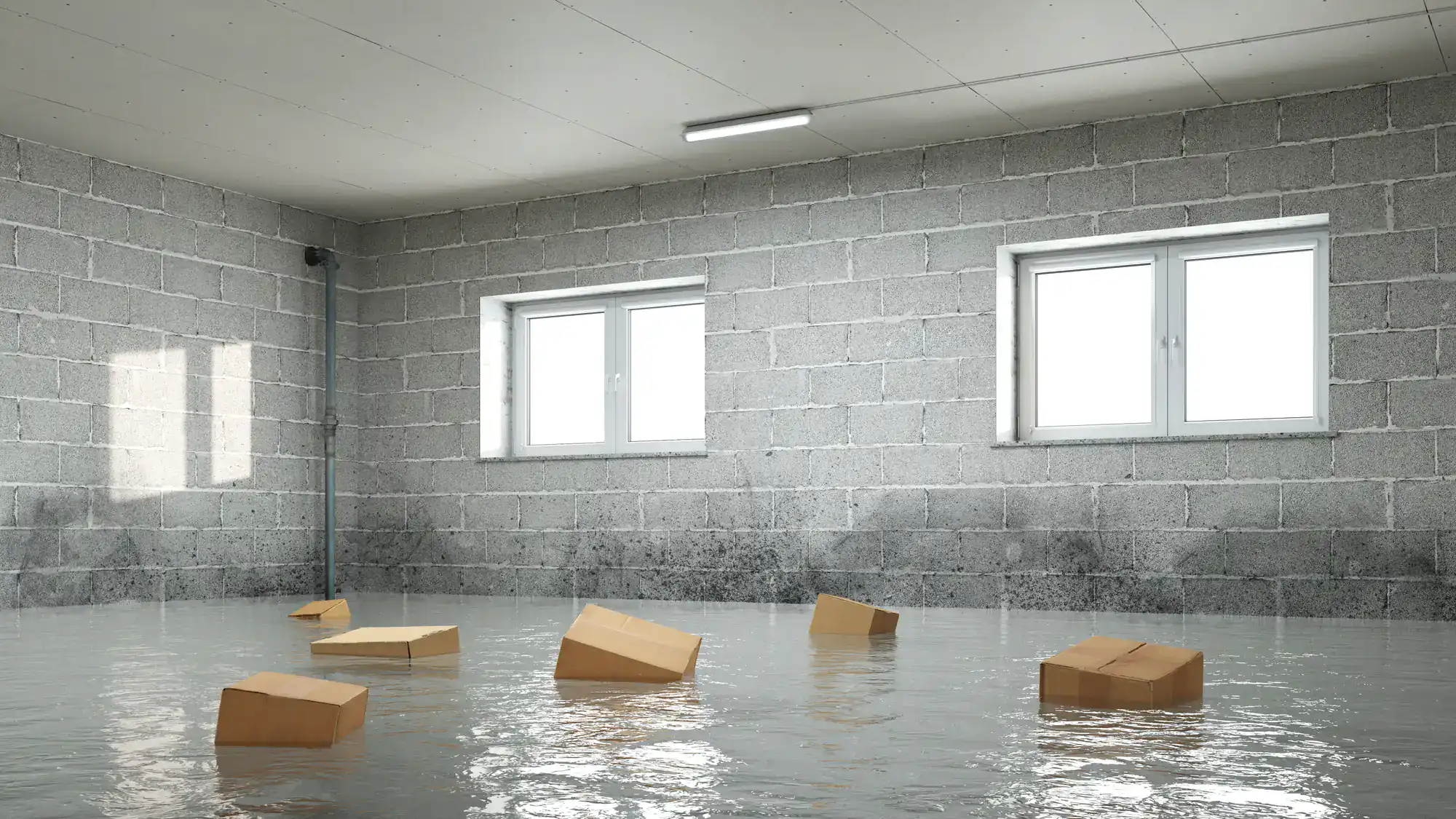
Immediately. The longer water sits, the more damage it causes and the higher your restoration costs climb.
Mold starts growing within 24 to 48 hours in wet conditions. Drywall begins breaking down. Wood framing absorbs water and can warp or rot. Flooring—especially laminate or hardwood—can buckle and become unsalvageable within hours.
If you’re dealing with contaminated water from a sewer backup or outdoor flooding, the health risks increase significantly. That water contains bacteria, chemicals, and waste that you don’t want sitting in your home.
The faster you get professional basement water removal service working, the more of your home you can save and the less you’ll spend on repairs. Ten minutes of action right after a flood can prevent thousands in additional damage.
A shop vac or small pump will remove standing water from the floor, but it won’t extract moisture from inside your walls, under your flooring, or from porous materials like drywall and insulation. That hidden moisture is what causes mold growth and structural damage later.
Professional equipment includes truck-mounted extractors that pull significantly more water in less time, plus industrial dehumidifiers calibrated to dry specific square footage based on humidity levels and material saturation. We also use moisture meters and thermal imaging to find water you can’t see.
The other difference is documentation. If you’re filing an insurance claim for your basement flood in Washington Park, you need photos, moisture readings, and a scope of work completed by a certified restoration company. DIY cleanup doesn’t provide that paper trail, which can complicate or delay your claim.
You’re not just paying for equipment. You’re paying for speed, thoroughness, and proof that the job was done correctly.
It depends on what caused the flood. Standard homeowners insurance in Wisconsin typically covers water damage from sudden internal failures—burst pipes, water heater leaks, sump pump malfunctions, or appliance failures.
It usually does not cover flooding from external sources like heavy rain, snowmelt, or rising groundwater. That requires a separate flood insurance policy through the National Flood Insurance Program or a private insurer.
The August 2025 flooding in Milwaukee County caused over $33 million in residential damage, and many homeowners discovered their standard policies didn’t cover the loss because the water came from outside. If your basement flooded due to overwhelmed storm sewers or surface water entering through windows or cracks, that’s considered external flooding.
We work with insurance companies regularly and can help you understand what your policy covers. We also document everything needed for your claim—photos, moisture readings, equipment logs, and a detailed scope of work. If your claim gets approved, we can often work directly with your adjuster to streamline the process.
Typically three to five days with professional equipment running, but it varies based on how much water was present, what materials got wet, and the humidity levels in your home.
A basement with a few inches of water on a concrete floor dries faster than one where water soaked into drywall, insulation, and carpeting. Finished basements take longer than unfinished ones because there are more porous materials holding moisture.
We don’t guess. We measure moisture levels daily using calibrated meters, and we don’t pull equipment until readings confirm everything is dry. Rushing this step leads to mold growth and callbacks.
For Washington Park homeowners, humidity can be a factor depending on the season. Wisconsin summers are humid, which slows natural evaporation. Our dehumidifiers compensate for that by controlling the environment and pulling moisture out mechanically.
You’ll have equipment running in your basement during this time—it’s loud, and it uses electricity—but it’s necessary to fully dry the space and prevent long-term damage.
First, stay safe. Don’t walk into standing water if there’s any chance of electrical hazards. If your breaker box is in the basement or if outlets are submerged, shut off power to that area from your main panel if you can do so safely.
Stop the water source if possible. If it’s a burst pipe, shut off your main water valve. If your sump pump failed, see if it’s a simple fix like a tripped breaker or unplugged cord. If water is coming in from outside, there’s not much you can do except wait for it to stop.
Move valuables and belongings to higher ground if you can do so safely. Don’t worry about trying to extract water yourself—focus on protecting what hasn’t been damaged yet.
Then call a professional basement water removal service. The faster we start extraction and drying, the less damage your home sustains. We handle everything from that point forward: pumping out the flooded basement, drying the structure, documenting for insurance, and repairing what needs to be fixed.
Take photos and videos of the damage before anything gets moved if you plan to file an insurance claim. Your adjuster will want to see the extent of the flooding.
Yes, in most cases. Basement water removal and drying usually doesn’t require you to leave your home, especially if the flooding is contained to the basement and there’s no structural safety concern.
You’ll hear equipment running—air movers and dehumidifiers aren’t quiet—but they’re not disruptive enough to force you out. We set them up, monitor them daily, and adjust as needed.
If the flooding involved contaminated water from a sewage backup, we may recommend staying elsewhere temporarily, especially if you have young children, elderly family members, or anyone with respiratory issues. Contaminated water carries health risks that require more intensive cleaning and disinfection.
If the damage extends beyond the basement into living areas, or if we discover mold growth that requires remediation, we’ll talk through your options. Some jobs need containment barriers and air filtration that make certain areas temporarily off-limits, but we’ll explain what’s necessary and why.
Most Washington Park homeowners stay in their homes during the process. We work around your schedule and keep disruption to a minimum while still doing the job correctly.
Other Services we provide in Washington Park