
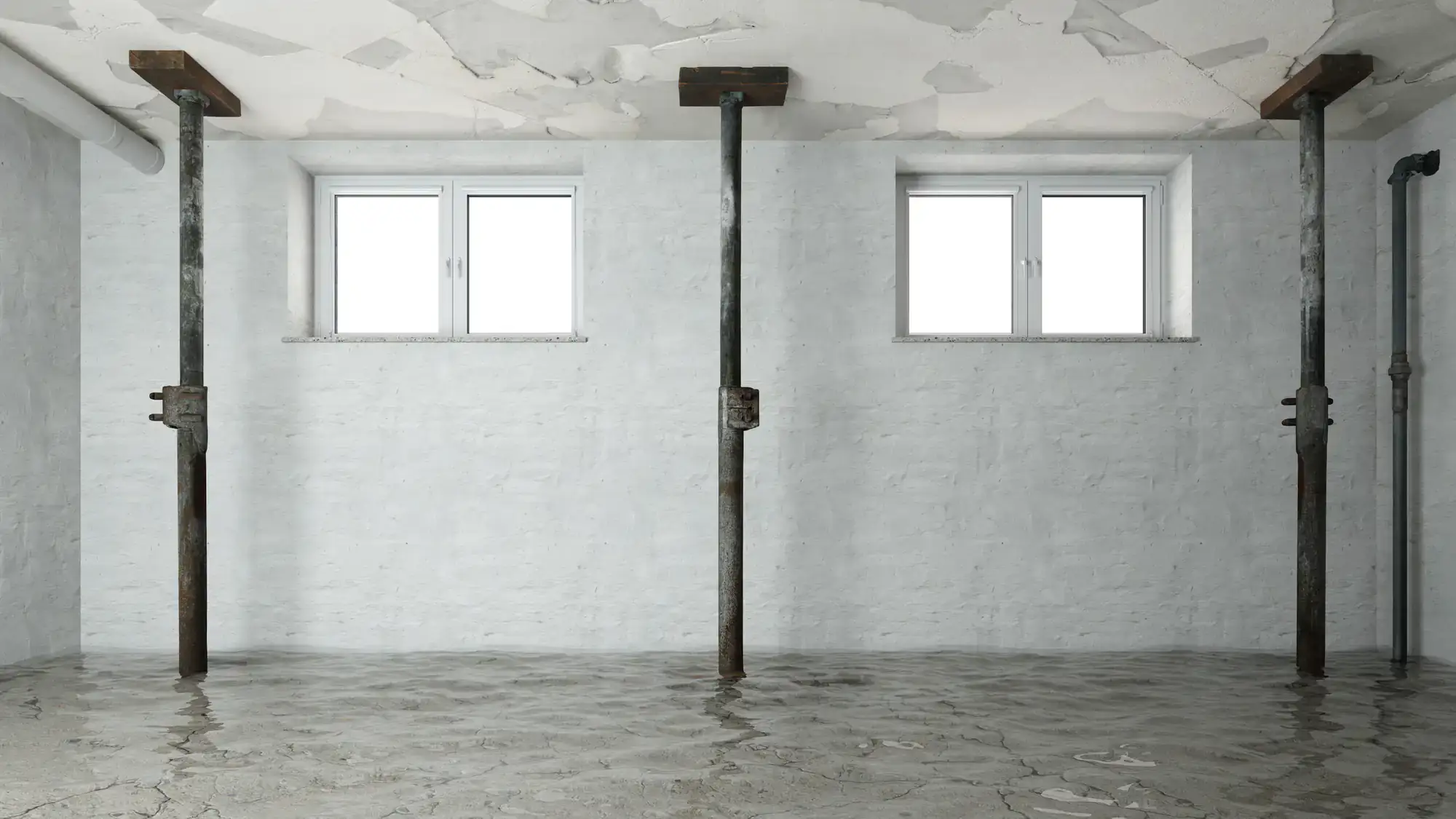
When you walk downstairs and see water covering your basement floor, the clock starts ticking. Not just on your belongings, but on your home’s structure and your family’s health.
Mold starts growing in 48 hours. Drywall soaks up water like a sponge. Wood warps. And if you’ve got carpet down there, it’s holding gallons you can’t even see.
Our job is to stop that damage before it spreads. We pull out every drop of standing water, set up commercial-grade air movers and dehumidifiers, and monitor moisture levels in your walls and floors until everything is bone dry. You’re not guessing if it’s done—we’re measuring it.
The difference between a flooded basement cleanup in Washington Heights done right and one done fast is whether you’re dealing with mold remediation three weeks later. We’d rather do it once and do it right.
We serve Washington Heights and the greater Milwaukee area because this is where we live and work. We’ve seen what happens during spring storms that drop five inches of rain in a few hours. We know which basements flood first and why.
We’re not a franchise that rotates crews through town. When you call, you’re talking to someone who knows your neighborhood and understands the urgency of a wet basement repair in Washington Heights, WI.
We built this company to be the opposite of every restoration horror story you’ve heard. No inflated estimates. No disappearing after the check clears. Just clear communication, honest pricing, and work we’d be proud to show our own families.
First, we show up fast. If your basement is flooded and you need help now, we’re available 24/7 because waiting until Monday morning isn’t an option when water is sitting in your home.
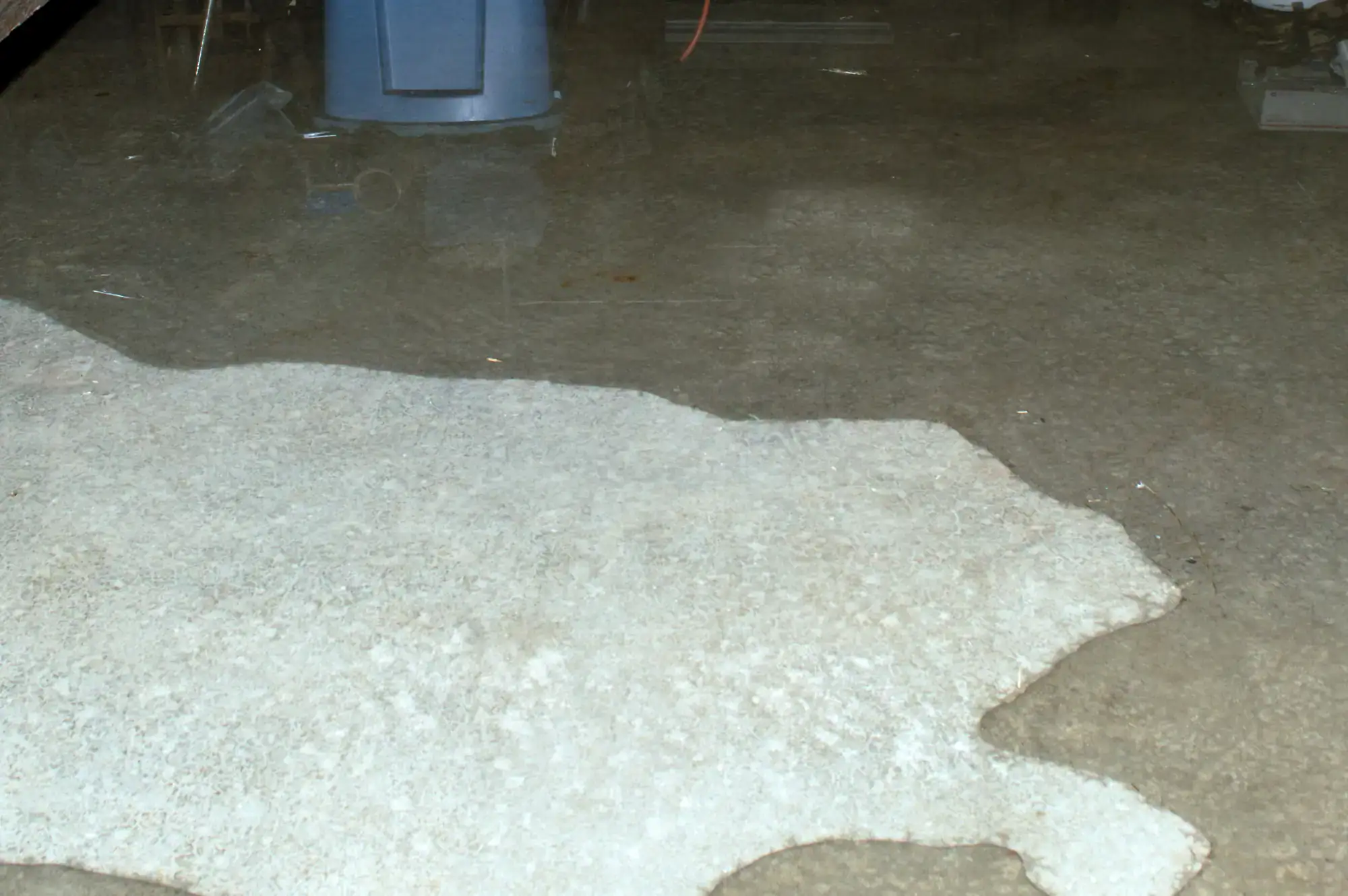
When we arrive, we assess the situation: how much water, where it’s coming from, and whether it’s safe to enter. If there’s any risk of electrical hazards, we make sure power is off before anyone steps into standing water.
Then we pump out the flooded basement in Washington Heights using industrial extractors that pull thousands of gallons per hour. Once the standing water is gone, we move to extraction—pulling moisture out of carpet, padding, and anything else that’s soaked through.
Next comes drying. We place air movers and dehumidifiers throughout the space, positioned to maximize airflow and pull moisture from walls, floors, and the air itself. This isn’t a box fan and a prayer—this is controlled, measured drying that prevents mold and structural damage.
We monitor moisture levels daily and don’t pull equipment until readings confirm everything is dry. Then we walk you through what’s next, whether that’s repairs, insurance documentation, or just confirmation that you’re good to go.
Ready to get started?
Every basement flood in Washington Heights is different, but the process stays consistent: remove water, dry everything, prevent mold, and document for insurance.
You get complete water extraction using truck-mounted pumps and portable extractors. You get commercial drying equipment strategically placed and monitored. You get moisture readings taken in walls, floors, and subfloors to confirm dryness. And you get clear documentation with photos and notes that insurance companies actually accept.
Milwaukee sees heavy rainfall every spring, and Washington Heights isn’t immune. When storms drop more than five inches in 24 hours—like we’ve seen in recent years—basements flood. Sump pumps fail. Drains back up. Water finds its way in.
We also help you understand what caused the flooding so you can make informed decisions about prevention. Sometimes it’s a failed sump pump. Sometimes it’s groundwater overwhelming your drainage system. Sometimes it’s a cracked foundation wall. Knowing the “why” helps you protect your home going forward.
If mold is already present or starts developing, we handle remediation as part of the process. If structural repairs are needed after drying, we can manage that too. You’re not handed off to three different companies—we see it through.
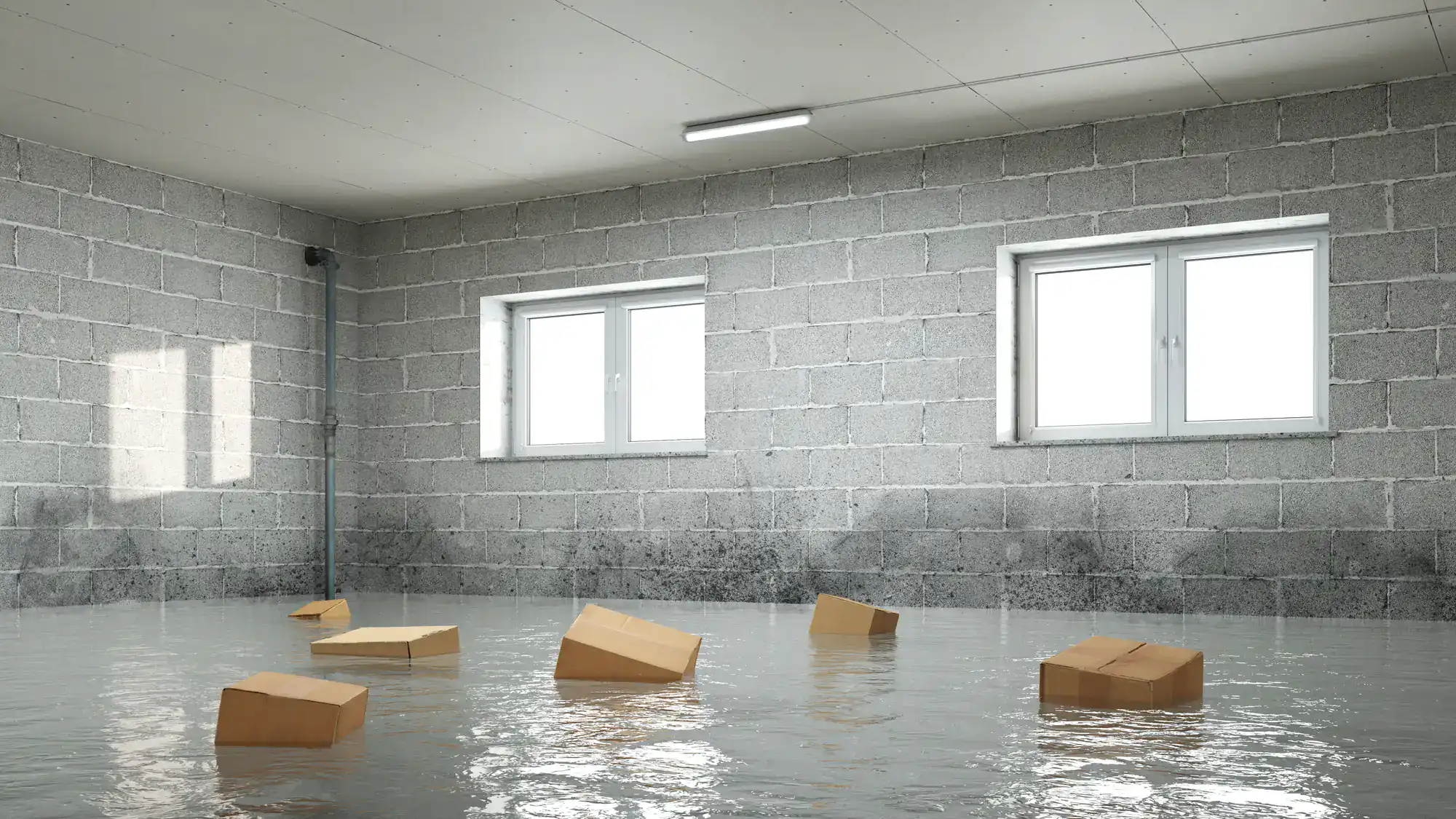
We’re available 24/7 because basement flooding doesn’t wait for business hours. When you call, you’re talking to someone who can dispatch a crew immediately—not a call center that takes messages.
Response time matters. The longer water sits, the more damage it causes. Drywall wicks moisture up the walls. Wooden studs start to swell. Carpet padding becomes a sponge that holds water against your concrete slab.
In most cases, we’re on-site within a few hours of your call. If it’s an overnight emergency, we’re still coming. If it’s a weekend, same thing. The goal is to get water out of your home as fast as possible so the damage stops spreading.
It depends on what caused the flood. Most standard homeowner’s policies cover sudden, internal water damage—like a burst pipe, failed water heater, or broken sump pump. They typically don’t cover flooding from external sources like rivers, streams, or heavy rain overwhelming your property.
That external flooding usually requires separate flood insurance, which many Washington Heights homeowners don’t carry because they’re not in a designated flood zone. But Milwaukee’s weather has proven that you don’t need to be near a river to end up with a flooded basement.
We help you document everything for your insurance claim: photos, moisture readings, equipment logs, and a detailed scope of work. We also work directly with most major insurance carriers, so if your policy does cover the damage, we can often bill them directly and keep the process simple for you.
Mold prevention comes down to one thing: getting everything completely dry within 48 hours. That’s the window you have before mold spores start to grow.
We use moisture meters to check not just surfaces, but inside walls and under flooring. If the reading says there’s moisture, we keep drying. Air movers create airflow across wet surfaces. Dehumidifiers pull moisture out of the air. And we monitor daily until the numbers confirm it’s safe.
If water sat for a while before we arrived, or if there’s already visible mold, we handle remediation. That means containment, removal of affected materials, HEPA filtration, and antimicrobial treatment. We don’t just dry over mold and hope for the best—we address it properly so it doesn’t come back.
You can remove some of the standing water yourself if you have a wet vac or pump, but there are real risks to doing it wrong. The biggest one: draining a flooded basement too quickly can cause your foundation walls to crack or even collapse inward.
When your basement is full of water, that water is pushing outward against the walls. But the soil outside is also pushing inward. If you drain all the water at once, you remove the outward pressure while the soil pressure stays the same—and that imbalance can crack concrete or buckle walls.
The other issue is that a shop vac or small pump won’t get everything. Water soaks into drywall, insulation, carpet padding, and wood. You need extraction equipment and drying equipment to pull that moisture out, or you’re just leaving it there to cause mold and rot. We’ve been called to plenty of homes where someone dried it themselves and ended up with a bigger problem three weeks later.
Water extraction is removing the water you can see and touch—standing water on the floor, soaked carpet, saturated padding. Drying is removing the moisture you can’t see—inside walls, under flooring, in the air, and within building materials.
Extraction happens first. We use pumps and vacuums to pull out as much liquid water as possible. But even after extraction, materials like drywall, wood, and concrete are still holding moisture. That’s where drying comes in.
Drying requires airflow and dehumidification. Air movers push air across surfaces to speed up evaporation. Dehumidifiers pull that evaporated moisture out of the air so it doesn’t just settle somewhere else. We measure progress with moisture meters and don’t stop until readings are back to normal. Both steps are necessary—you can’t skip drying and expect a good outcome.
Most basements take three to five days to dry completely, but it depends on how much water was present, what materials got wet, and how long the water was sitting before we started working.
A basement with an inch of water on concrete will dry faster than one with soaked drywall, insulation, and carpet. A space with good ventilation dries faster than one that’s closed off and humid. And a flood that gets addressed in the first few hours dries faster than one that sat overnight.
We don’t guess or use a standard timeline. We measure moisture levels daily and pull equipment when the readings confirm everything is dry. Rushing that process just to get our equipment out faster would leave you with hidden moisture and a mold problem later. We’d rather take the extra day and know it’s done right.
Other Services we provide in Washington Heights