
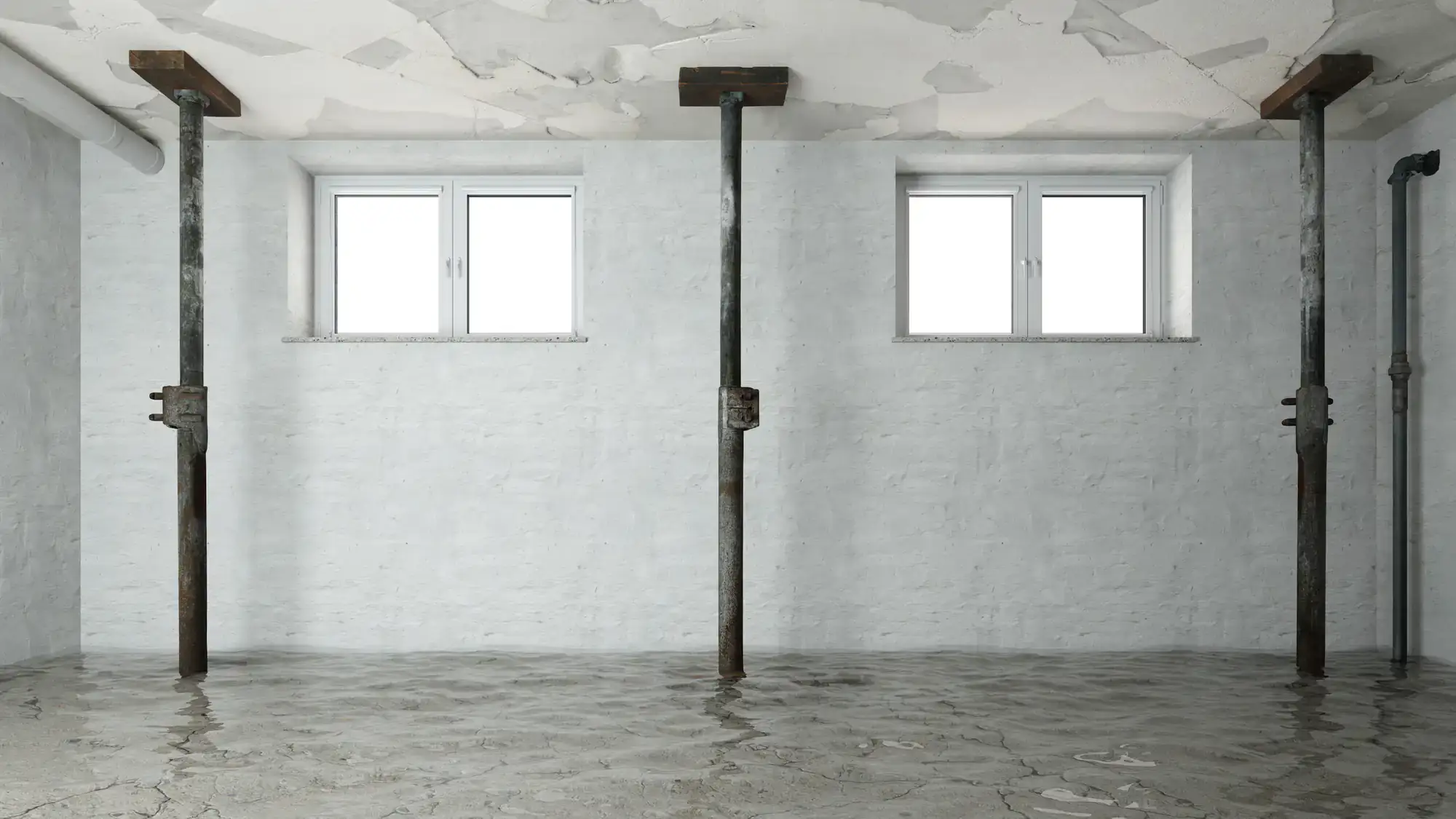
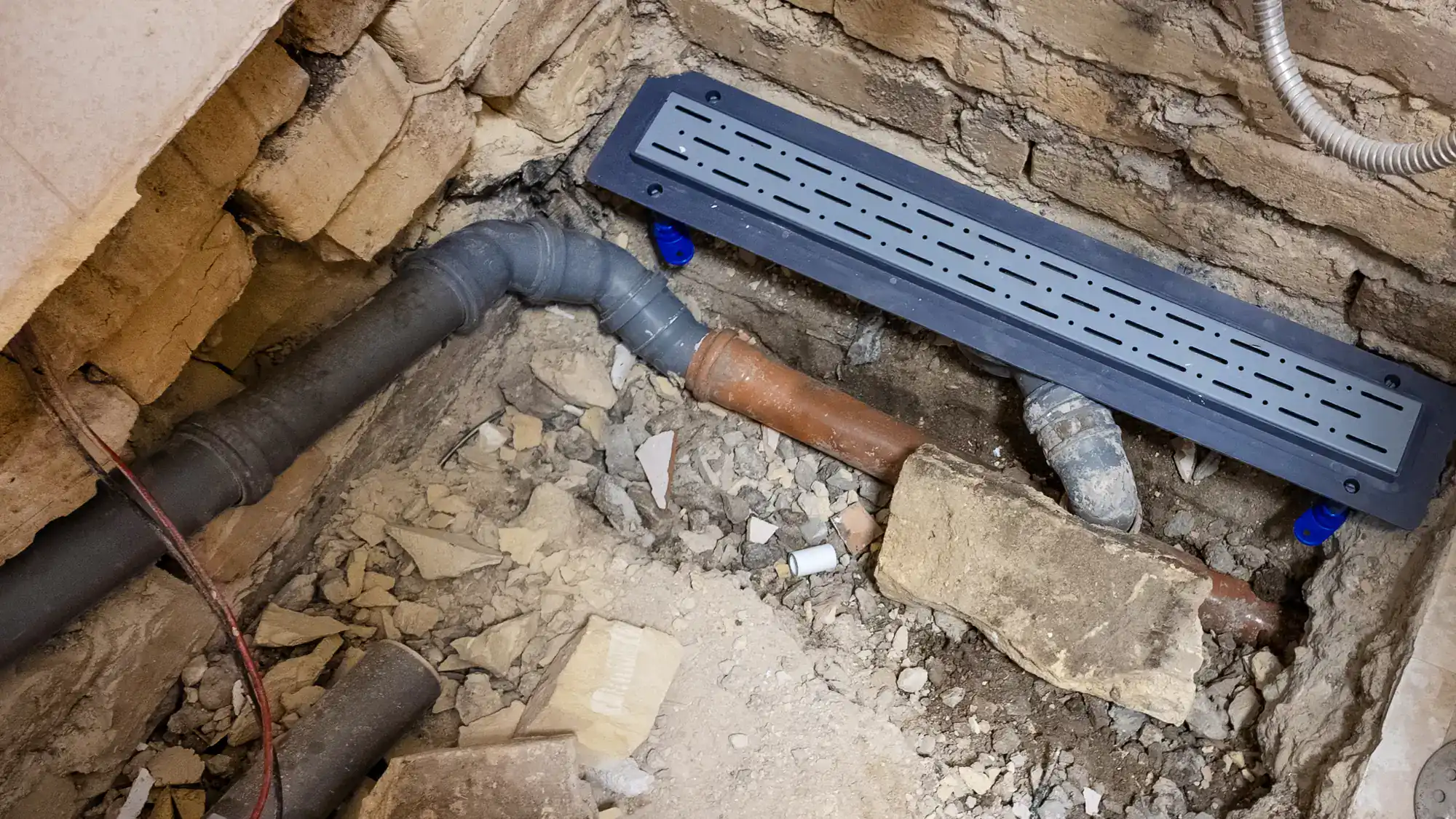
You’re not looking for a lecture about why your basement flooded. You need the water out, the space dried, and someone who can tell you what’s next without making it worse than it is.
When we handle a basement flood in Walker’s Point, the goal is simple: stop the damage from spreading. That means pulling standing water fast, setting up industrial dehumidifiers and air movers, and monitoring moisture levels in your walls and floors until everything registers dry. Not “looks dry”—actually dry.
The difference between calling today and waiting until tomorrow is whether mold starts growing in the next 24 hours. It’s whether your drywall can be saved or needs to be cut out. It’s whether your insurance adjuster sees a manageable cleanup or a full gut job.
You get your basement back to usable condition without the runaround. That’s the outcome that matters.
Flood Guys Restoration exists because too many homeowners in Walker’s Point have been burned by restoration companies that oversell, underdeliver, or ghost you after the check clears.
We built this business around a different standard. You get clear answers about what needs to happen, transparent pricing before work starts, and a project manager who stays in touch from water extraction through final walkthrough. We’ve seen what happens when basements flood after Milwaukee’s heavy spring rains, and we know Walker’s Point properties deal with aging infrastructure and drainage issues that make flooding more common than it should be.
You’re hiring a local team that treats your home the way we’d want ours treated. No upselling. No shortcuts. Just dependable work and straight communication.
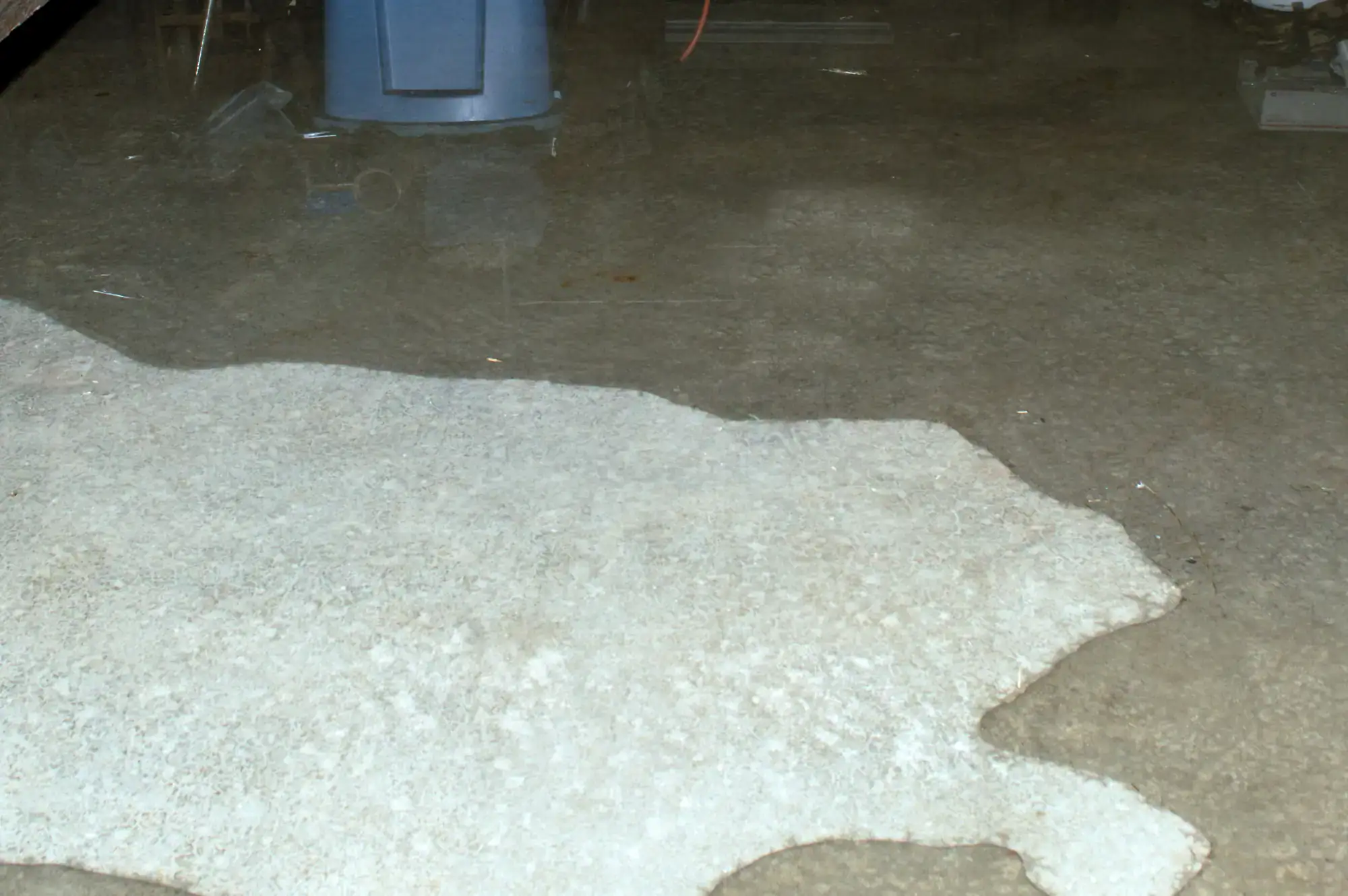
First, we pump out the flooded basement. High-volume extractors pull standing water fast—usually within the first hour on-site. If your sump pump failed or you’ve got two feet of water from flash flooding, we’re equipped to handle it.
Next comes moisture mapping. We use thermal imaging and moisture meters to find water you can’t see—inside walls, under flooring, in ceiling cavities. This step determines how much drying equipment you actually need, not how much we can sell you.
Then we set up the drying system. Commercial dehumidifiers, air movers, and sometimes specialized equipment depending on what got wet. We monitor moisture levels daily and adjust equipment as needed until readings hit acceptable ranges.
Finally, we handle the details most companies skip. Documentation for your insurance claim. Photos of affected areas. Scope of loss reports. If there’s sewage contamination or structural concerns, we walk you through next steps before you’re caught off guard.
You’re not guessing what’s happening or why. You know exactly where things stand.
Ready to get started?
Every basement flood in Walker’s Point is different, but the core process stays the same. You get emergency water extraction using truck-mounted or portable pumps depending on access and volume. You get moisture detection across all affected areas—not just where water pooled, but where it traveled through your foundation or wicked up into drywall.
You get a full drying system tailored to your space. Dehumidifiers sized correctly for your square footage. Air movers positioned to maximize airflow without just blowing wet air around. Antimicrobial treatment if there’s contamination risk, which is common when street flooding or sewer backups are involved.
Walker’s Point sees more basement flooding than most Milwaukee neighborhoods because of how the area was developed and where stormwater drainage flows during heavy rain. Older homes here weren’t built with modern waterproofing, and even newer properties can flood when the city’s system gets overwhelmed. We account for that when we assess your situation.
You also get insurance claim support. We document everything, provide detailed estimates, and communicate directly with adjusters when needed. Most standard homeowners policies won’t cover flood damage, but they will cover sump pump failures—and knowing the difference matters when you’re filing.
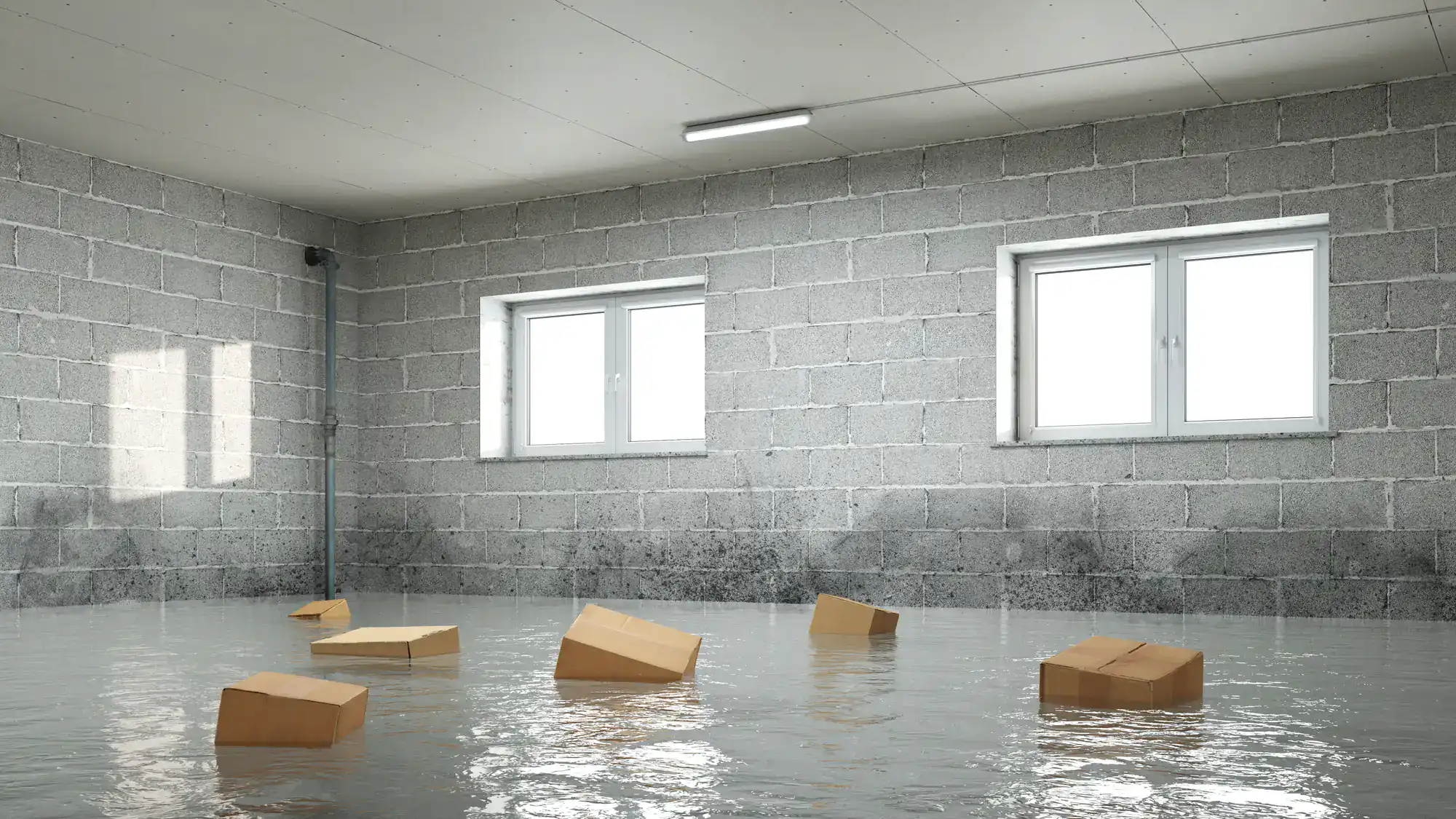
We typically arrive within an hour of your call and start water extraction immediately. How long it takes to pump out your flooded basement depends on how much water you’re dealing with and how we can access it.
If you’ve got a few inches of water from a sump pump failure, we can usually extract it in under an hour using portable pumps and wet vacs. If you’re looking at two feet of standing water from street flooding—which Walker’s Point has seen during severe storms—it might take several hours with high-volume truck-mounted equipment.
The bigger concern isn’t just removing the water you can see. It’s addressing the moisture that’s already soaked into your drywall, insulation, and subfloor. That’s where the real damage happens, and that’s why we start drying equipment as soon as extraction is done. Waiting even a few extra hours gives mold a head start you don’t want to deal with.
It depends on where the water came from. Standard homeowners insurance typically doesn’t cover flooding from outside sources—like street flooding, river overflow, or heavy rain overwhelming your foundation. That requires separate flood insurance, which most Walker’s Point homeowners don’t carry unless they’re in a mapped floodplain.
But if your basement flooded because of a sump pump failure, burst pipe, or water heater leak, your homeowners policy will usually cover it. The key is being able to document the source and show it wasn’t from an external flood event.
We help with that documentation. We take photos, write detailed reports, and communicate directly with your insurance adjuster to make sure your claim is filed correctly. We’ve worked with most major carriers, and we know what they need to see. If you’re not sure whether you’re covered, call us anyway—we can often tell you within a few minutes based on what caused the flooding, and we’ll walk you through next steps either way.
Mold prevention comes down to speed and thoroughness. Mold starts growing within 24 hours when conditions are right—and a wet basement in Milwaukee’s humid climate is exactly the right condition.
We prevent mold by getting moisture levels back to normal before that 24-hour window closes. That means extracting all standing water, then using dehumidifiers and air movers to dry out everything that got wet—walls, floors, insulation, even the air itself. We monitor moisture readings daily with meters that measure inside materials, not just surface dampness.
If your basement flood involved contaminated water—sewage backup, street flooding, or anything that sat for more than a day—we also apply antimicrobial treatments to affected surfaces. This kills bacteria and inhibits mold growth while drying finishes.
The mistakes we see other companies make: not drying long enough, not checking moisture inside walls, or assuming that because something looks dry it is dry. We don’t pack up equipment until moisture readings confirm you’re in the clear. That’s how you actually prevent mold instead of just hoping it doesn’t show up two weeks later.
Basement flood cleanup costs in Walker’s Point typically range from $2,500 to $10,000 depending on how much water you had, how long it sat, and what materials were affected. A minor sump pump failure caught early might cost $2,500 to $4,000 for extraction and drying. A major flood with two feet of water and contamination could run $7,000 to $10,000 or more if drywall and insulation need to be removed.
The variables that affect cost: square footage of the affected area, type of water (clean vs. contaminated), how much demo is required, and whether you need mold remediation on top of water removal. We don’t charge for the initial assessment, and we provide a written estimate before starting work so you know exactly what you’re paying for.
If insurance is covering it, we work directly with your carrier and bill them once the job is approved. If you’re paying out of pocket, we break down costs by category—extraction, drying, demo, antimicrobial treatment—so you can see where your money is going. No hidden fees. No surprise charges after the fact.
Usually not. Most basement water removal and drying work doesn’t require you to leave your home. The equipment is loud—dehumidifiers and air movers run continuously—but it’s not a safety issue for you to be upstairs or in other parts of the house.
The exception is if your basement flood involved sewage or heavily contaminated water. In those cases, we’ll set up containment barriers and negative air pressure to keep contaminants from spreading to the rest of your home. You can still stay in the house, but you won’t want to be in the basement while we’re working, and you’ll need to avoid that area until cleaning and antimicrobial treatment are complete.
We’ll also let you know if there are electrical hazards that need to be addressed before we start. If your breaker box is in the basement and water reached it, we’ll have you shut off power to that area until an electrician confirms it’s safe. Safety comes first, but in most cases, basement flooding doesn’t mean you need to pack up and leave. You just need to let the equipment do its job while we monitor progress.
Drying a flooded basement in Walker’s Point typically takes three to five days, but it can be shorter or longer depending on conditions. A small amount of water in an unfinished basement with good airflow might dry in two to three days. A finished basement with carpet, drywall, and insulation that got soaked could take a full week.
We don’t go by a set timeline. We go by moisture readings. Every day, we check moisture levels in your floors, walls, and air using calibrated meters. When readings drop into the acceptable range and stay there, we know it’s safe to remove equipment. Pulling equipment too early just means moisture comes back and you’re dealing with mold in two weeks.
Walker’s Point’s older homes sometimes take longer to dry because of how they’re built—thick foundation walls, limited ventilation, basements that stay naturally cool and damp. We account for that by adjusting equipment and airflow as needed. You’re not paying for equipment to sit there longer than necessary, but you’re also not getting rushed through the process before your basement is actually dry. We stay until the job is done right.
Other Services we provide in Walker'S Point