
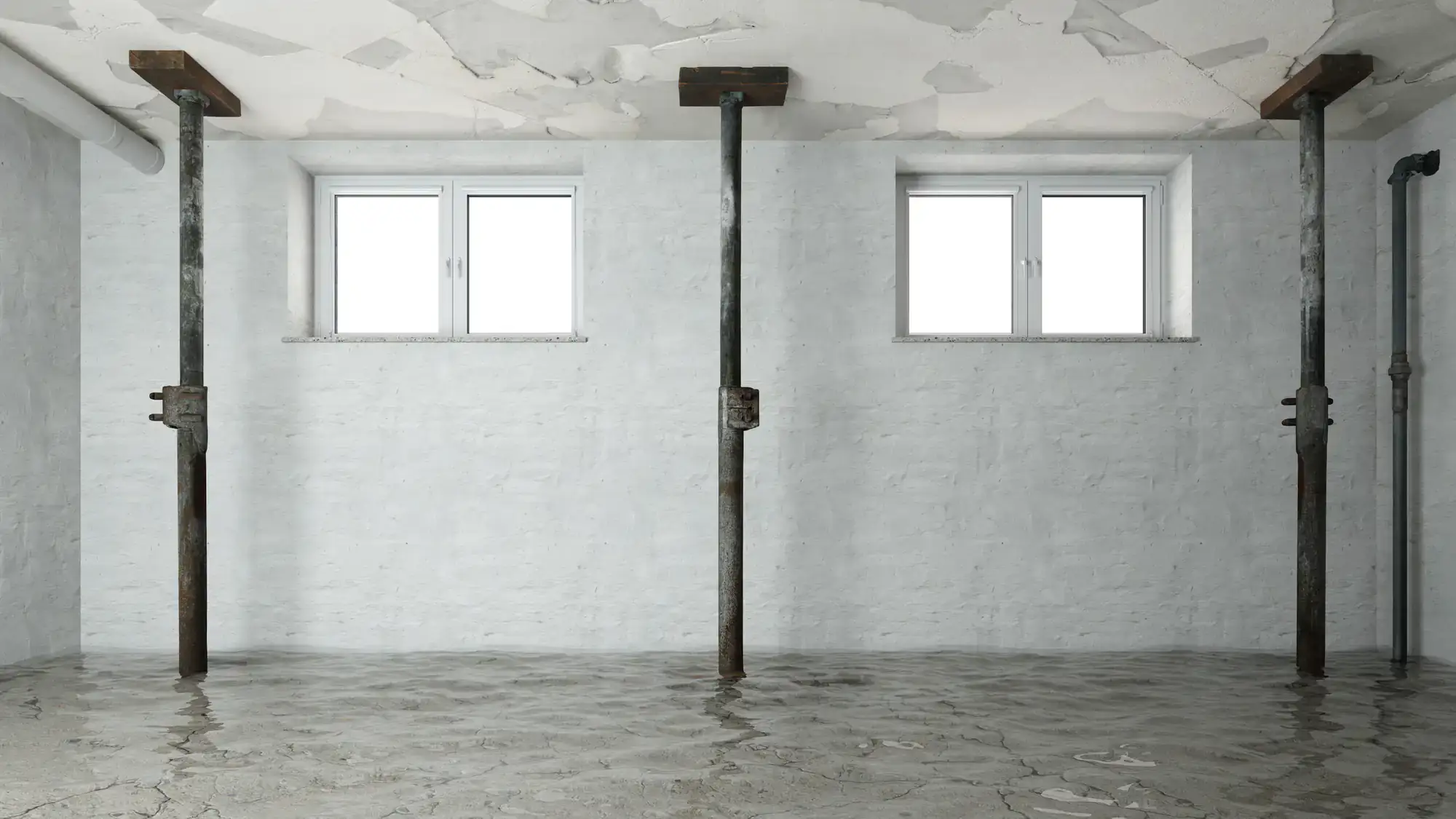
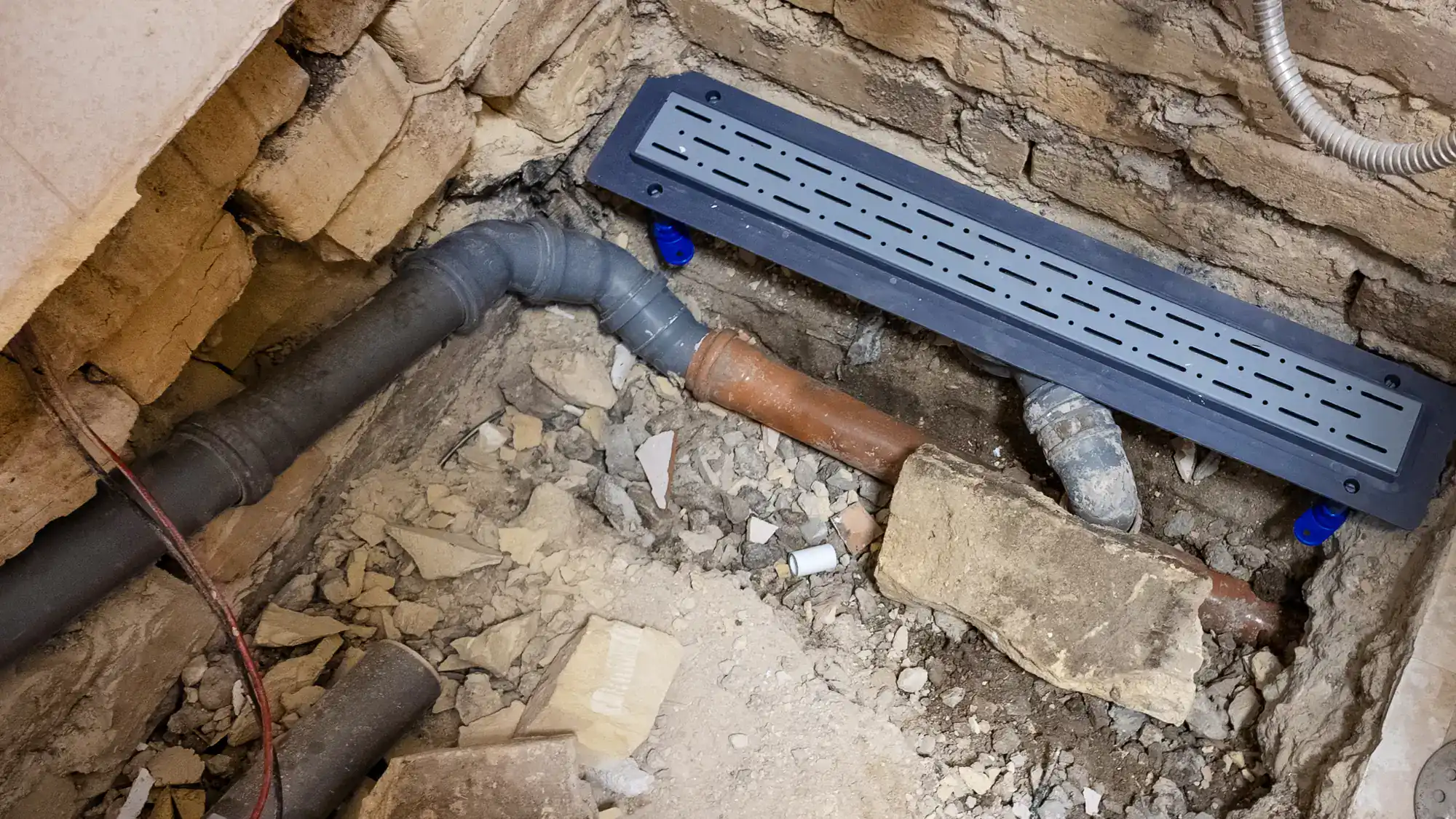
A flooded basement cleanup means more than just pumping out standing water. It means pulling moisture from carpet padding, drywall, floor joists, and all the spaces you can’t see where mold starts growing within 24 hours.
When we finish a basement water removal service in Old North Milwaukee, your space is actually dry. Not damp. Not “good enough.” Dry enough that you’re not dealing with mold remediation three weeks later or musty smells that never go away.
You get your basement back as a usable space. Storage that stays dry. A foundation that’s protected. Air quality that’s safe for your family. That’s what complete water extraction looks like when it’s done with the right equipment and enough time to verify the results.
We’ve spent years responding to wet basement repair calls across Milwaukee. We understand what happens when spring storms dump five inches of rain in a day and the city’s century-old sewer system can’t keep up. We’ve seen what fails first in Old North Milwaukee’s older homes—sump pumps that give out, floor drains that back up, foundation cracks that turn into entry points.
That local knowledge matters when your basement is flooding and you need someone who knows how to move fast in tight spaces with low ceilings and older electrical systems. We’re not figuring it out as we go. We’ve been here before, in homes just like yours, fixing the same problems Milwaukee homeowners face every storm season.
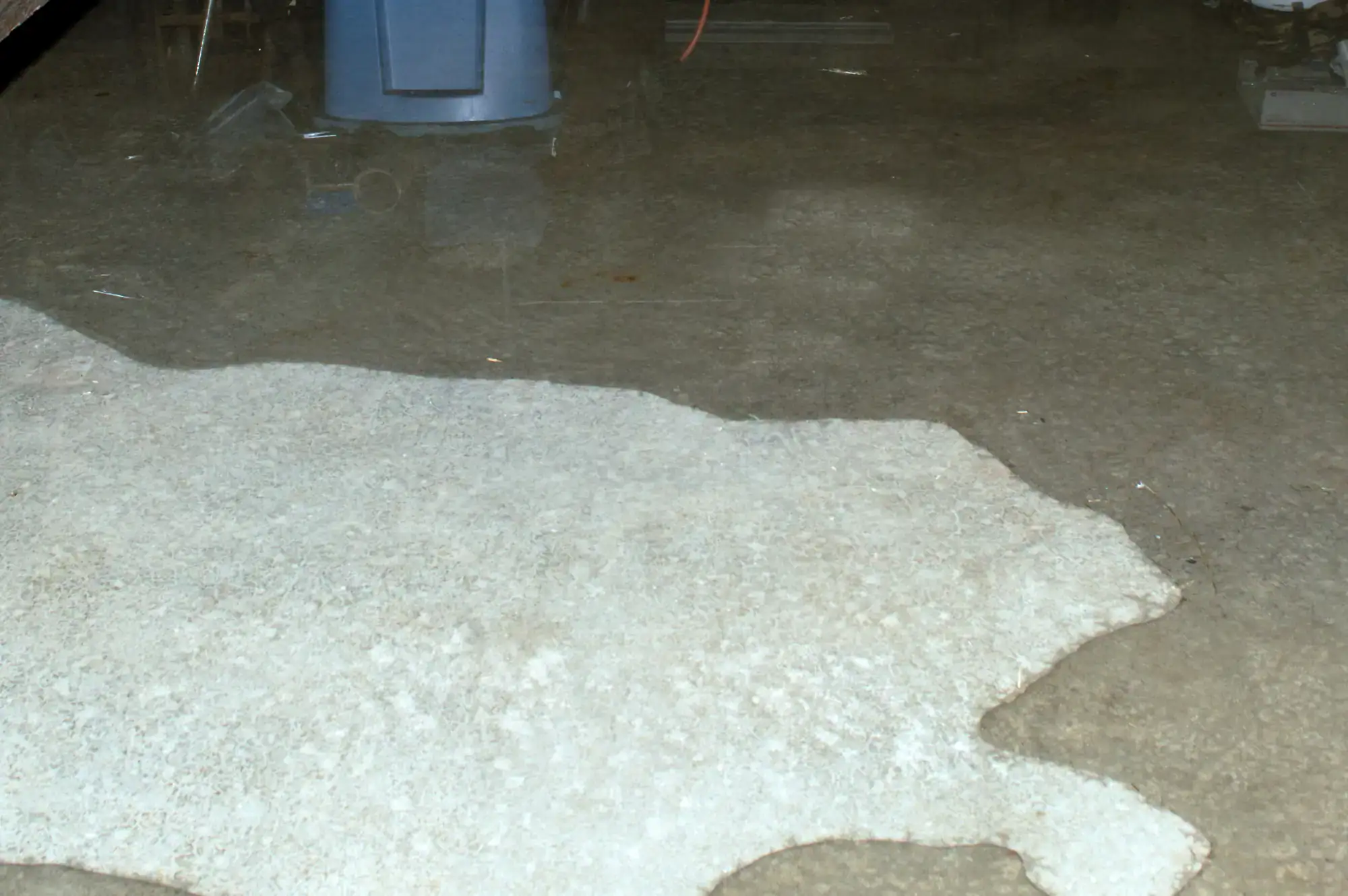
First, we get the standing water out. Industrial pumps and extractors pull water from floors, carpets, and anywhere it’s pooled. This happens fast because every hour that water sits, damage spreads.
Next, we map the moisture. Thermal imaging and moisture meters tell us where water traveled through walls, into insulation, under flooring. We’re looking for hidden saturation that causes problems later if it’s missed now.
Then we set up drying equipment. Commercial dehumidifiers and air movers run continuously, pulling moisture out of materials and air. We’re not guessing when it’s dry—we’re measuring daily until readings confirm it.
Throughout the process, we document everything. You get photos, moisture readings, and detailed notes for your insurance claim. If your policy covers the damage, you’ll have what you need to file correctly the first time.
Ready to get started?
A complete flooded basement cleanup in Old North Milwaukee covers more than just water extraction. We move furniture and belongings out of the affected area so nothing sits in moisture. We remove damaged materials that can’t be saved—soaked drywall, ruined carpet padding, anything that’s become a mold risk.
We handle the entire drying process with professional-grade equipment, not box fans from the hardware store. Our dehumidifiers are built for this work, and our air movers create the airflow patterns that actually dry structural materials. We monitor progress daily and adjust equipment as conditions change.
Old North Milwaukee’s housing stock—those early 1900s bungalows with brick foundations and basement layouts that weren’t designed for modern living—requires specific approaches. We use compact equipment that fits through narrow stairways. We work around older utility systems. We know how to dry these spaces without tearing apart more than necessary.
You also get straightforward communication about what’s happening and why. No upselling. No mystery charges. Just clear explanations of what needs to happen to get your basement dry and safe.
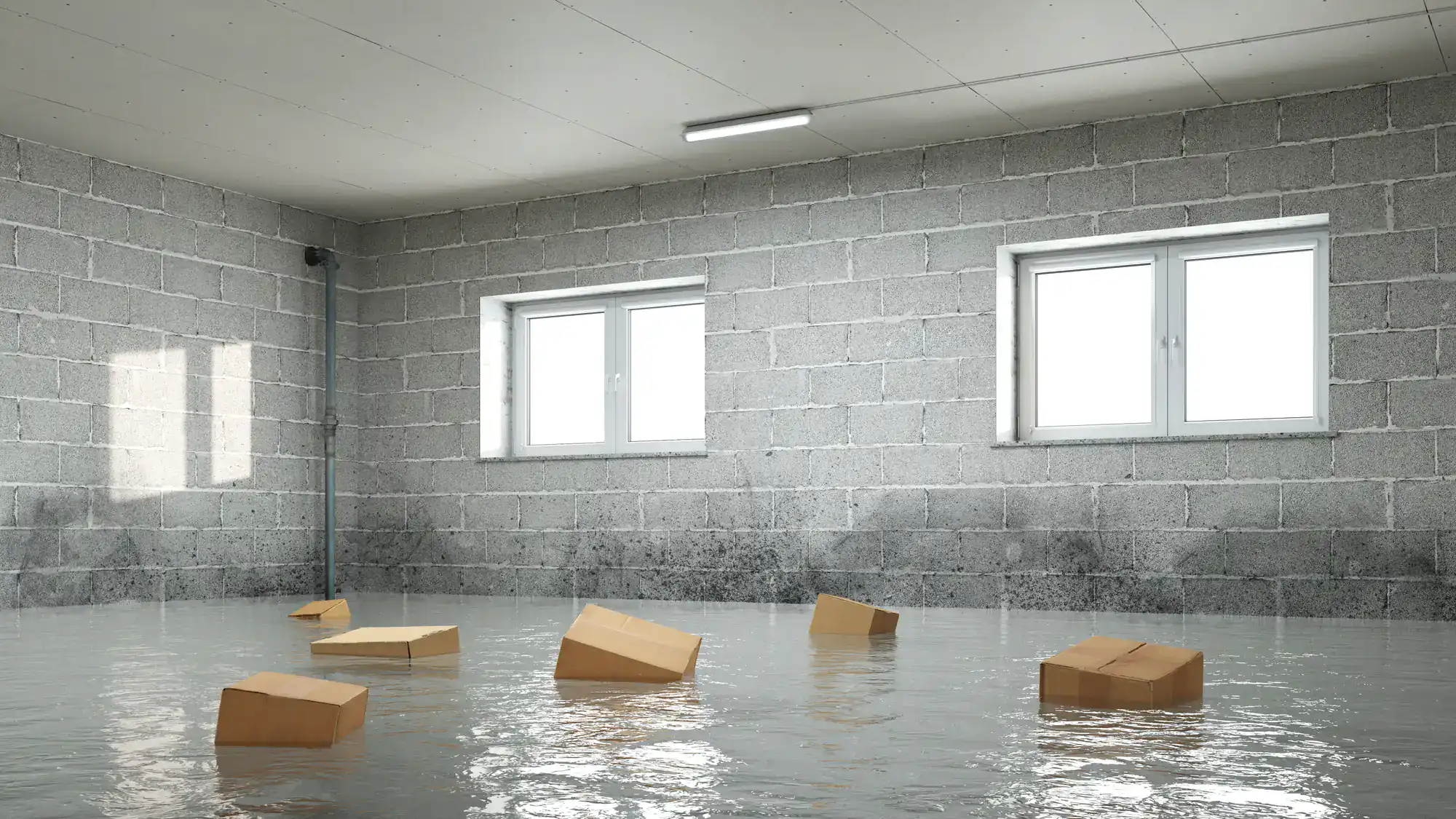
We run 24/7 emergency response because basement floods don’t wait for business hours. When you call, you’re talking to someone who can dispatch a team immediately, not an answering service that takes messages.
Response time matters with water damage. The difference between calling us at 2 AM when you discover the flood versus waiting until morning can mean the difference between drying out carpet and replacing it entirely. Mold starts growing in 24-48 hours, so every hour counts.
Our trucks carry extraction equipment, moisture meters, and initial drying gear. We start pulling water as soon as we arrive. You’re not waiting days for an estimate before work begins—we’re handling the emergency first, then walking you through next steps once the immediate crisis is under control.
Most standard homeowner policies don’t cover flooding from heavy rain or sewer backups. That typically requires separate flood insurance or a sewer backup endorsement. But if your basement flooded because a pipe burst, your sump pump failed mechanically, or your water heater leaked, standard policies usually cover that.
The distinction matters, and it’s not always obvious which category your situation falls into. We’ve worked with enough insurance claims in Milwaukee to know what documentation adjusters need and how to present the damage accurately.
We photograph everything, track moisture readings, and provide detailed notes about what happened and what we did to fix it. If your claim gets approved, you’ll have the paperwork done right. If it doesn’t, at least you’ll know quickly instead of finding out weeks later that you missed required documentation.
Pumping out standing water is step one. Actually drying the space is a multi-day process that requires specific equipment and daily monitoring.
We place commercial dehumidifiers that pull moisture from the air continuously. We position air movers to create airflow across wet surfaces and inside wall cavities where water wicked up into drywall. We use moisture meters to track progress in floors, walls, and structural wood—checking the same spots daily to confirm levels are dropping.
Different materials dry at different rates. Concrete takes longer than drywall. Wood framing holds moisture longer than both. We don’t pull equipment until everything tests dry, not just until the floor feels dry to the touch. That’s how you avoid mold growth three weeks later when moisture you didn’t know was there finally surfaces.
Sump pump failures top the list. Most pumps last about ten years, and when they quit during a heavy storm—exactly when you need them most—basements fill fast. Sometimes it’s a mechanical failure, sometimes the pump just can’t keep up with the volume of water, sometimes a power outage kills it at the worst possible moment.
Sewer backups are the other major cause. When Milwaukee gets those spring storms that dump several inches of rain in a few hours, the city’s older sewer system gets overwhelmed. Water backs up through floor drains, and suddenly you’re dealing with several inches of contaminated water in your basement.
We also see foundation cracks, failed window wells, and broken water lines. Old North Milwaukee’s housing stock—homes built in the early 1900s—means older infrastructure, older plumbing, and foundation settling that creates new vulnerabilities over time. Regular maintenance helps, but sometimes these systems just fail when conditions are right.
Most basements take three to five days to dry completely with professional equipment running continuously. That’s not a guess—it’s based on daily moisture readings that track progress until everything tests within normal ranges.
Concrete floors and foundation walls hold moisture longer than you’d expect. Even after standing water is gone and surfaces feel dry, moisture is still working its way out of porous materials. If you pull drying equipment too early, that trapped moisture creates perfect conditions for mold.
Weather affects drying time too. High humidity outside means dehumidifiers work harder to pull moisture from the air inside. Cooler temperatures slow evaporation. We adjust equipment and extend drying time when conditions require it, because the goal is getting it actually dry, not hitting an arbitrary timeline.
Yes, and older homes require different approaches than newer construction. Old North Milwaukee’s early 1900s bungalows have unique challenges—low ceiling heights in basements, tight utility spaces, older electrical systems, and construction methods that don’t match modern building standards.
We use compact extraction equipment that fits down narrow basement stairs. We work around knob-and-tube wiring and old cast iron plumbing without creating additional problems. We understand how these homes were built and where water typically causes damage in balloon-framed walls and older foundation systems.
The brick foundations common in this neighborhood are porous, which means water can wick up into wall cavities even when the basement floor looks fine. We check for that. We also know which materials in these older homes can be dried and saved versus what needs replacement—and we don’t push for demolition when drying will work.
Other Services we provide in Old North Milwaukee