
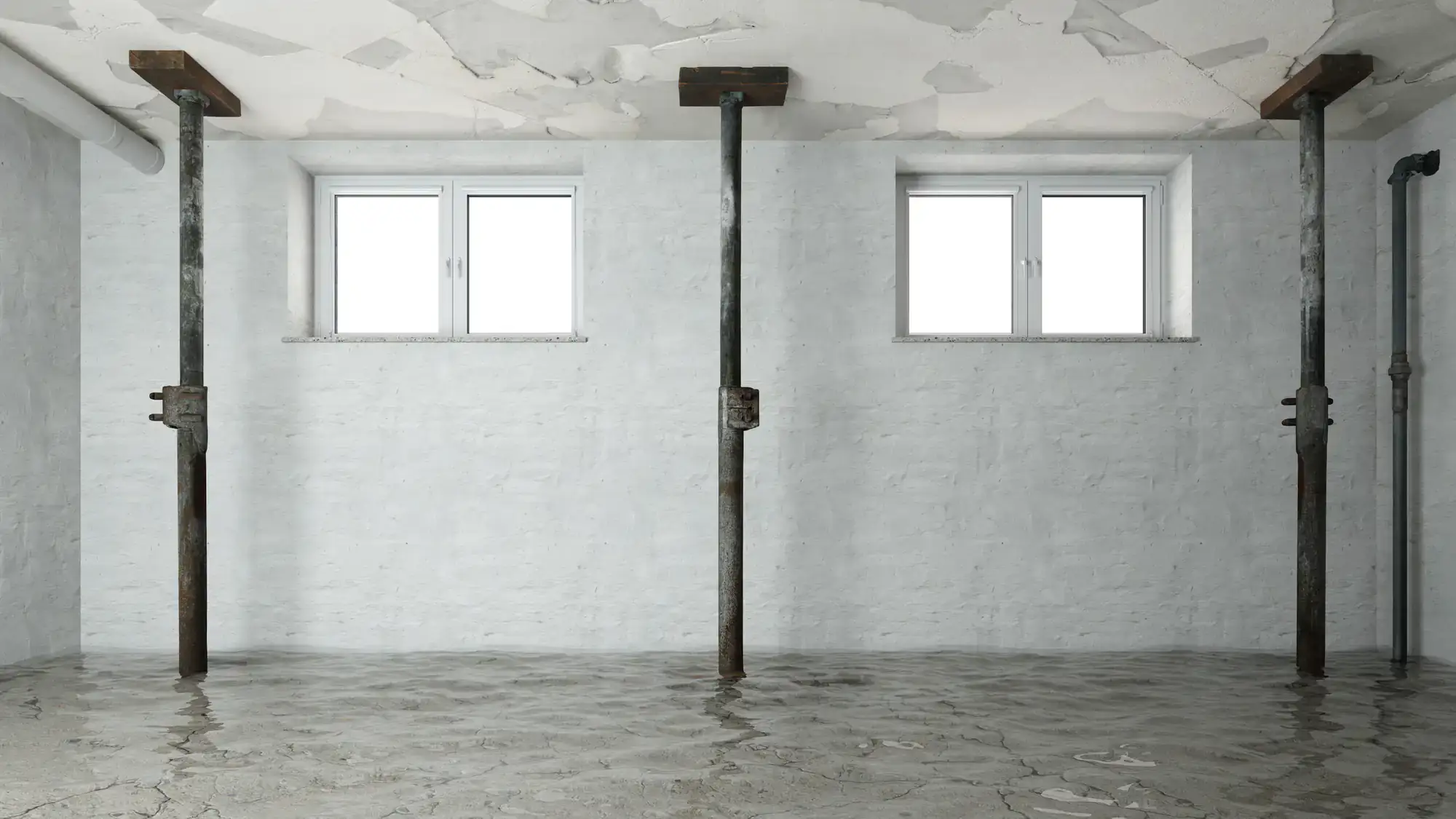
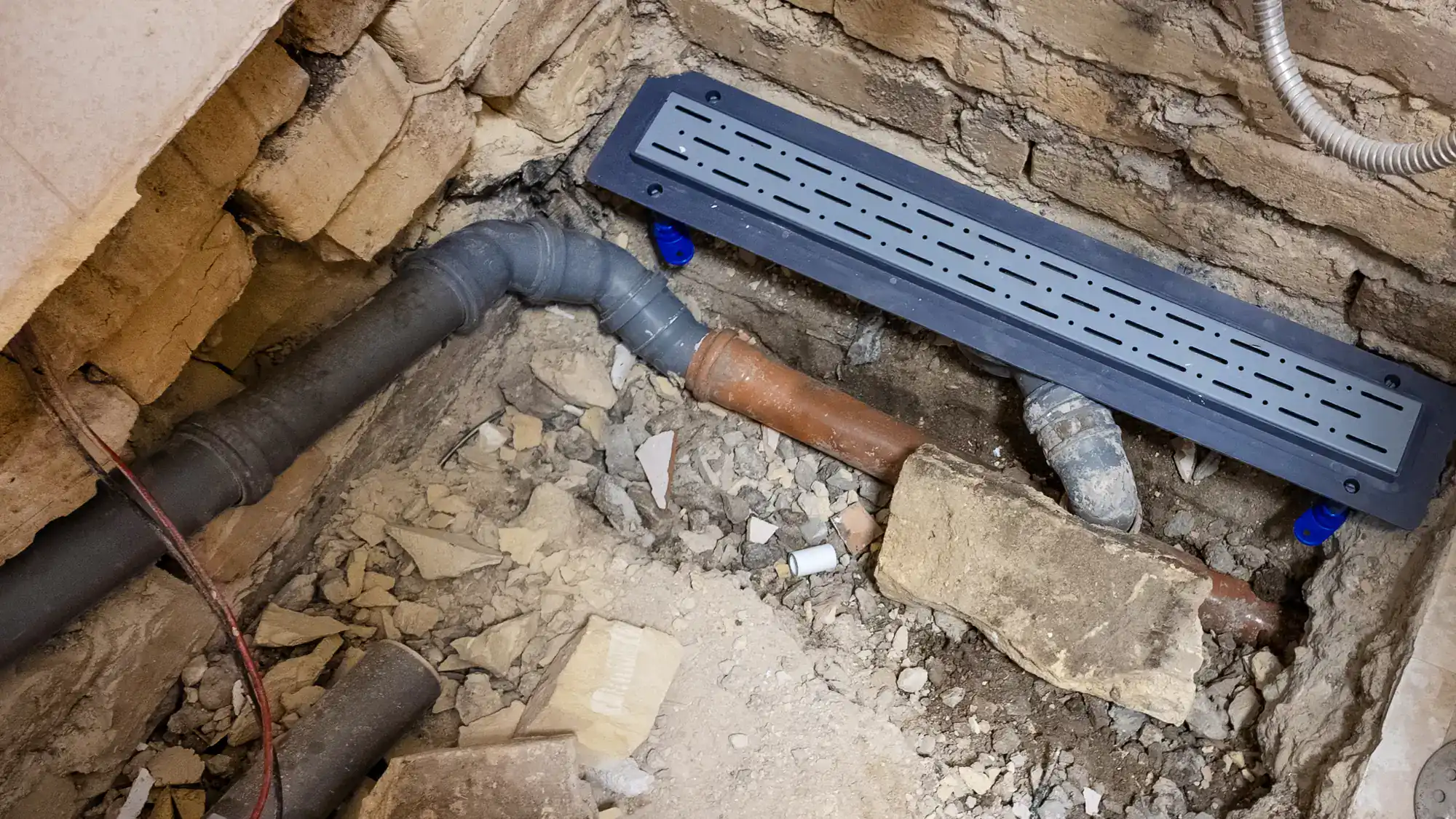
You’re not just paying to pump out a flooded basement in Juneau Town, WI. You’re buying time back and cutting off problems before they multiply.
Water doesn’t wait. Within 24 hours, you’re looking at mold growth. Within 48, structural damage starts creeping into drywall and subflooring. The longer water sits, the more expensive everything gets.
Our basement water removal service in Juneau Town, WI pulls water from carpet, padding, walls, and spaces you can’t see. We use industrial extractors and commercial dehumidifiers to dry your basement completely, not just surface-level. You get moisture readings, thermal imaging, and daily monitoring until everything hits safe levels. That means no hidden dampness, no mold surprise three weeks later, and no callback because the job wasn’t finished right.
We handle basement floods in Juneau Town, WI the way you’d want it done in your own home. No inflated scopes. No disappearing after the check clears. Just clear communication and work that actually solves the problem.
Juneau Town sits in Milwaukee County, where spring storms hit hard and old sewer systems get overwhelmed fast. We’ve worked enough flooded basements here to know which blocks flood first, how water moves through these older buildings, and what actually prevents it from happening again. That local knowledge matters when you’re trying to dry out a century-old foundation.
You get a project manager who walks you through what’s happening, why it’s happening, and what comes next. No guessing. No waiting three days for a callback.
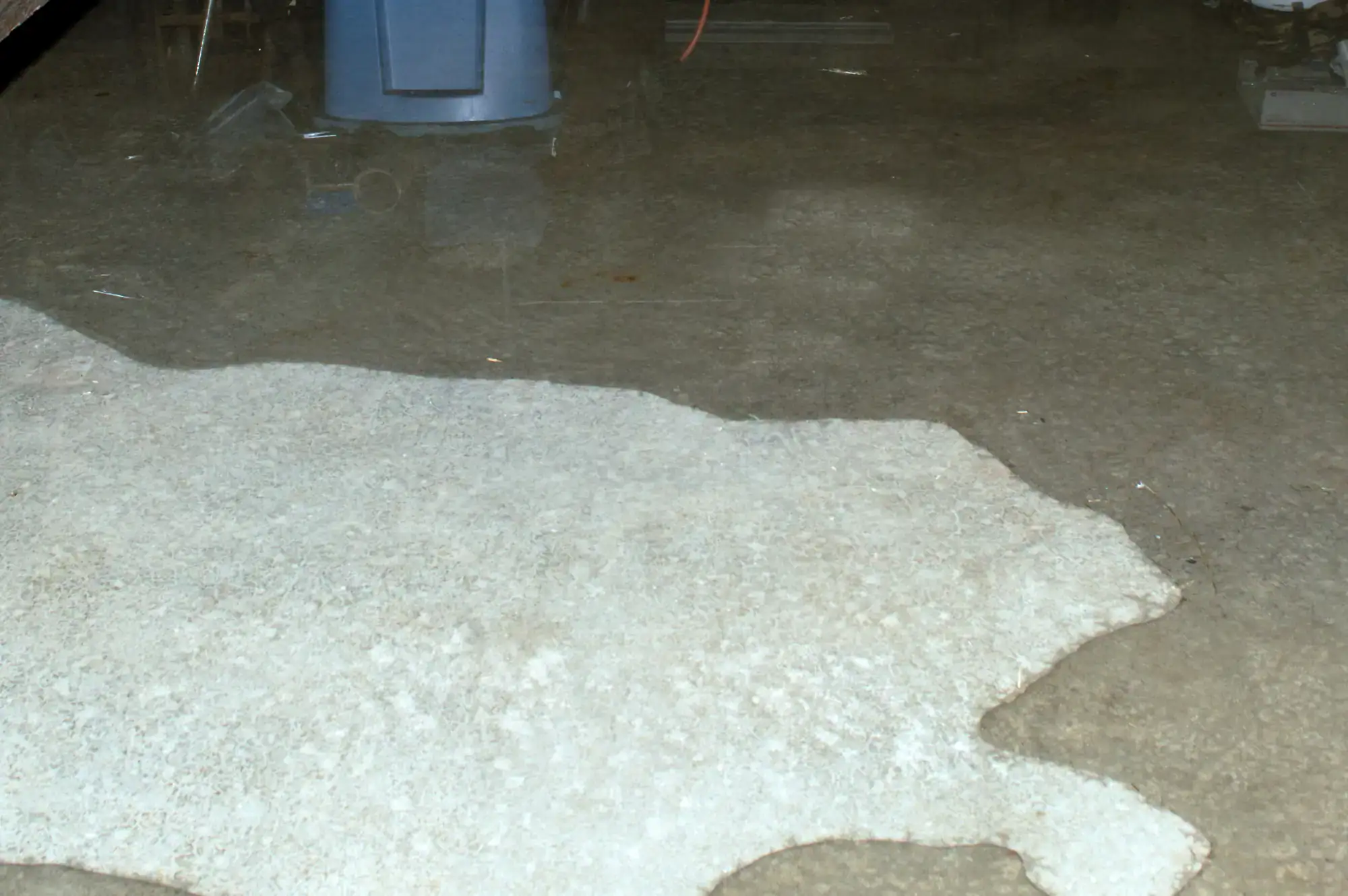
You call. We’re there, usually within two hours. Our team assesses the damage, identifies where the water came from, and maps out what needs to happen to get your basement dry and safe again.
We start with extraction. Industrial pumps and vacuums pull standing water out fast. Then we remove soaked materials that can’t be saved—carpet padding, damaged drywall, insulation that’s holding moisture. If it’s salvageable, we dry it in place using commercial-grade dehumidifiers and air movers.
Every day, we take moisture readings with professional meters and thermal imaging. We’re tracking progress, not guessing. When everything hits the right levels, we move into repairs—replacing drywall, flooring, whatever got damaged. You get documentation for insurance: photos, readings, timelines, everything your adjuster needs to process the claim without back-and-forth.
Final walkthrough happens when the work’s done. You see what we did, ask questions, and sign off when you’re satisfied.
Ready to get started?
You’re getting complete water extraction, not just a guy with a shop vac. That means truck-mounted pumps for standing water, weighted extractors for carpets, and moisture mapping to find water you can’t see.
Milwaukee’s weather patterns—those relentless spring downpours—create specific challenges in Juneau Town basements. Water doesn’t just pool on the floor. It wicks up drywall, soaks into wood framing, and hides in wall cavities. Our equipment finds it. Thermal cameras show temperature differences that indicate moisture. Hygrometers measure humidity levels in the air and materials. We’re not eyeballing it.
Mold prevention starts immediately. We set up containment barriers if needed, apply antimicrobial treatments to affected surfaces, and run HEPA air scrubbers to pull spores out of the air. You’re not dealing with a mold problem three weeks later because we skip this step.
Insurance documentation is part of the service. We photograph everything, log moisture readings, document what was removed and why, and provide detailed estimates your insurance company actually accepts. Most adjusters know our reports because we’ve worked with them before.
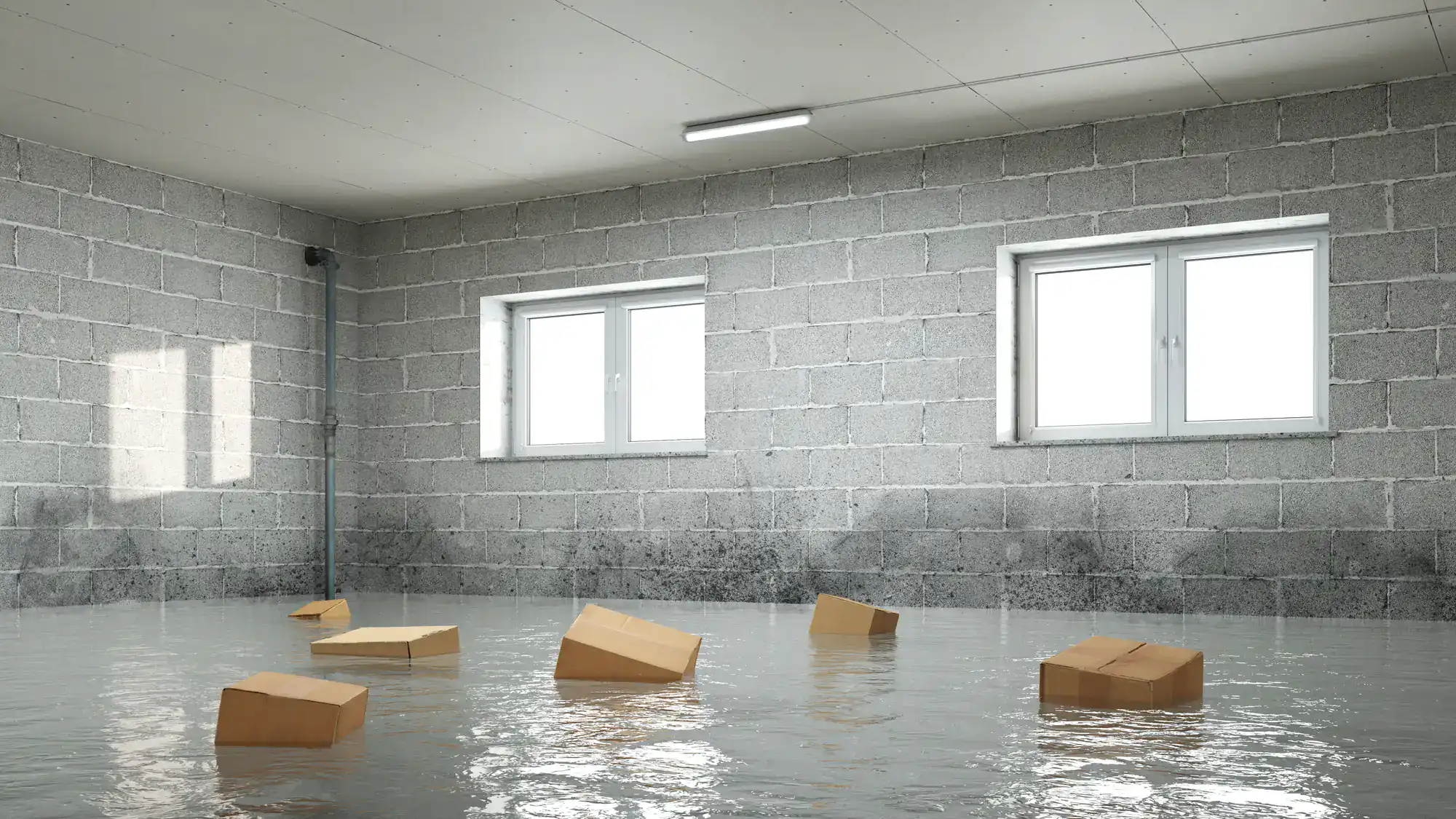
We run 24/7 emergency response for basement floods in Juneau Town, WI. Most calls get a team on-site within two hours, sometimes faster depending on where our crews are when you call.
Speed matters because water damage accelerates. The first 24 hours determine whether you’re dealing with a cleanup or a full restoration. Mold starts growing between 24-48 hours in the right conditions, and Juneau Town’s older basements with limited ventilation create those conditions fast.
When we show up, we’re ready to work. Trucks are stocked with extraction equipment, moisture meters, and containment supplies. We assess, explain what we’re seeing, and start pulling water immediately if you give us the go-ahead.
It depends on what caused the flooding. Standard homeowners policies typically don’t cover groundwater flooding—like water coming up through the foundation during heavy rain. That requires separate flood insurance.
But if your basement flooded because of a burst pipe, water heater failure, sump pump breakdown, or sewage backup, your homeowners policy usually covers it. The key is proving the cause and documenting everything correctly.
We help with that documentation. Our reports include photos of the damage, moisture readings, timelines showing when we arrived and what we found, and detailed notes about the water source. Insurance adjusters need this information to approve claims, and we’ve worked with enough of them to know what they’re looking for. We can’t guarantee your claim gets approved, but we can make sure you’re submitting everything they need to make a decision.
Most basements in Juneau Town, WI take three to five days to dry completely, but it varies based on how much water got in, what materials were affected, and how long the water sat before we started working.
Concrete dries slower than drywall. Hardwood takes longer than carpet. If water soaked into wall cavities or insulation, you’re looking at the longer end of that range. We don’t pull equipment early just to close the job. Everything gets tested with moisture meters until readings hit safe levels.
You’ll see daily progress. We monitor conditions, adjust equipment placement, and keep you updated on where things stand. Some companies guess at dry times or pull out too early. We stay until the job’s actually done, because cutting corners on drying is how you end up with mold problems later.
Stop the water source if you can do it safely. If it’s a burst pipe, shut off your main water valve. If your sump pump failed, see if it’s a simple fix like a tripped breaker. Don’t wade into deep water or touch electrical equipment.
Move anything valuable to higher ground if the water’s still shallow enough to work in safely. Electronics, documents, furniture—get it out of the water. Take photos of the damage before you start moving things if possible. Insurance companies want to see what the scene looked like.
Then call us. The faster we start extracting water, the less damage you’ll deal with overall. Don’t wait to see if it dries on its own. It won’t. And every hour you wait is another hour for water to soak deeper into materials and create bigger problems.
Sometimes yes, sometimes no. It depends on what kind of water flooded your basement, how long it sat, and what condition the materials were in before the flood.
Clean water from a supply line or water heater can often be extracted from carpet if we get there fast. Carpet padding almost always needs replacement because it holds moisture and becomes a mold factory. Drywall can be dried in place if only the bottom few inches got wet and we catch it within 24-48 hours. If it’s soaked higher or sat longer, it needs to be cut out and replaced.
Sewage backups or groundwater flooding change the equation. That’s category 3 water—contaminated with bacteria and potentially harmful stuff. Porous materials like carpet and drywall that contact category 3 water get removed, period. It’s not worth the health risk to try saving them. We’ll tell you straight what can be saved and what can’t, and explain why so you can make informed decisions about your home.
Prevention starts with understanding why it flooded in the first place. Sump pump failures, foundation cracks, poor grading around your home, overwhelmed storm sewers—each cause has a different solution.
Sump pumps should have battery backup systems, especially in Juneau Town where spring storms can knock out power right when you need the pump most. We’ve seen too many basements flood because the pump died during an outage. Test your pump regularly by pouring water into the pit and making sure it kicks on.
Foundation waterproofing helps if water’s seeping through cracks or porous concrete. Exterior drainage improvements—like regrading soil away from your foundation or installing proper downspout extensions—stop water from pooling against your basement walls. Some Juneau Town properties need interior drain tile systems because the exterior isn’t accessible or the water table’s too high. After we finish your cleanup, we can assess what’s causing your specific flooding issue and recommend real solutions, not just band-aids.
Other Services we provide in Juneau Town