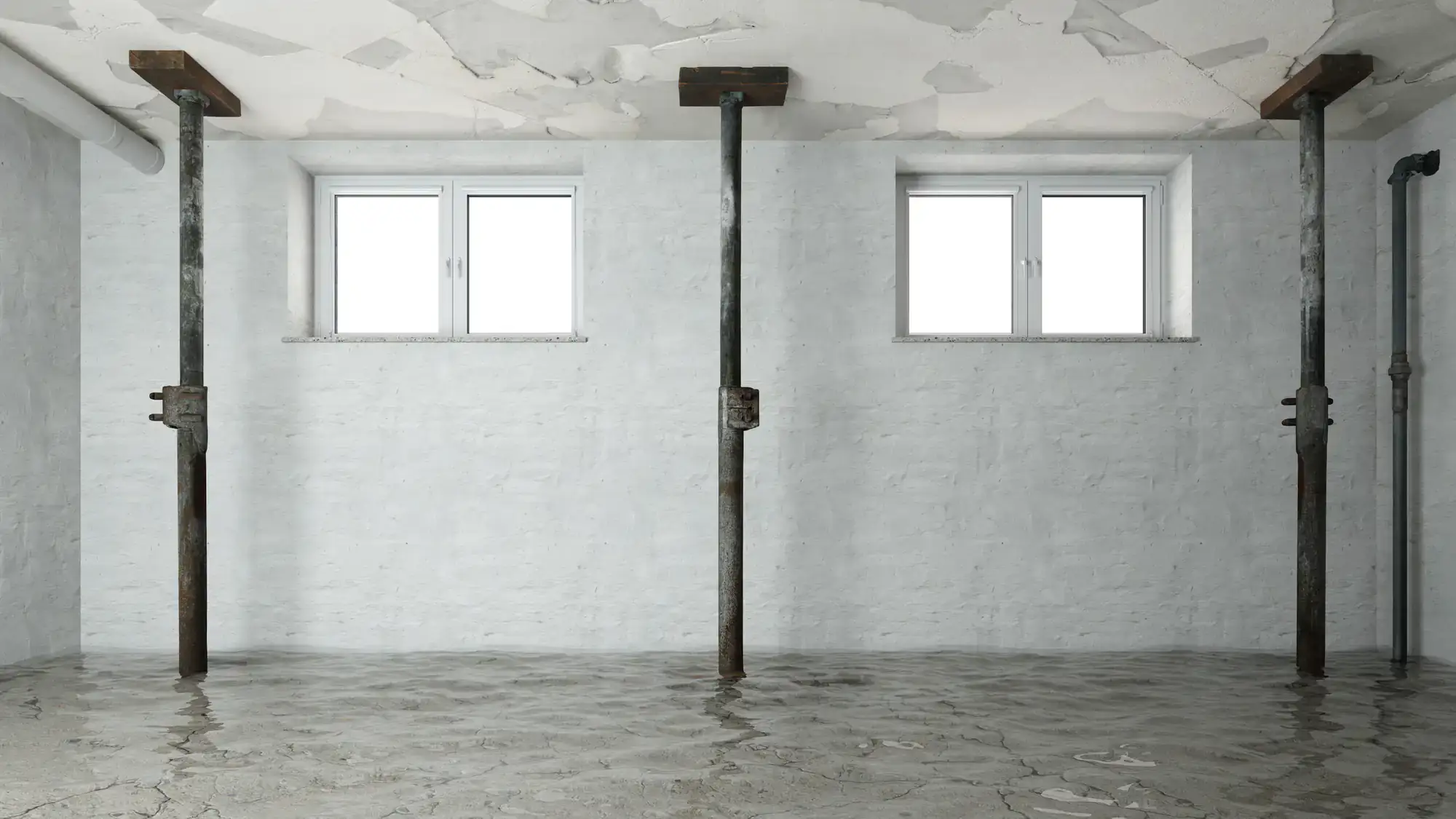
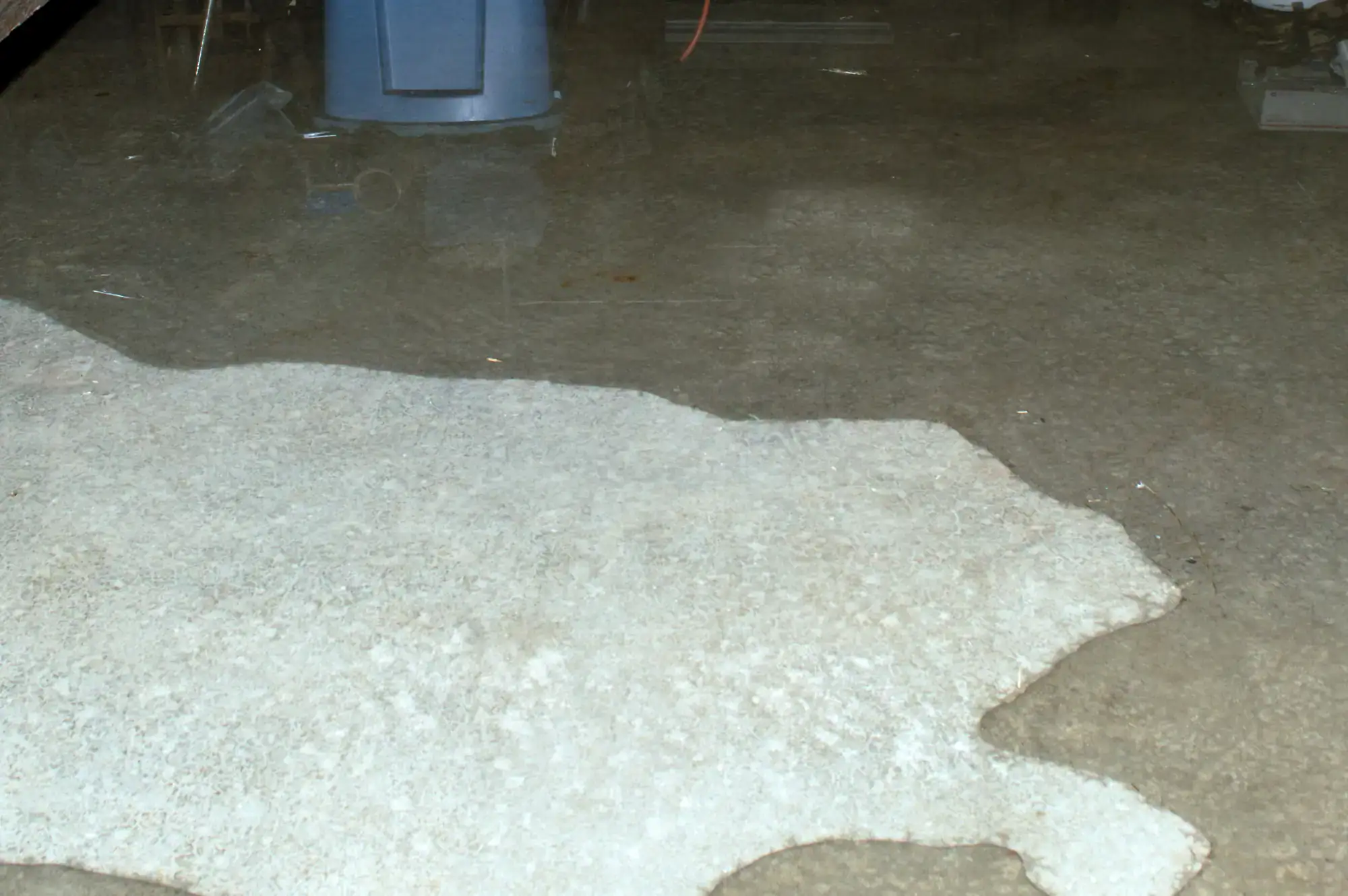
You’re standing in water. Your furnace might be shot. You’re wondering if your insurance will cover this, how long the cleanup takes, and whether mold’s already growing behind the drywall.
Here’s what changes when we arrive within 30 minutes. The water stops spreading to other rooms. Your belongings get moved to dry areas before they’re ruined. Industrial extractors pull thousands of gallons out in the first hour, not the first day.
Every hour you wait, water travels further into flooring, up into walls, and deeper into anything porous. Our basement water removal service in Historic Third Ward stops that progression immediately. You’re not waiting until tomorrow morning for someone to assess the damage and then schedule extraction for next week.
The difference between calling now and calling later is whether you’re replacing drywall or replacing entire walls. Whether your hardwood floors can be saved or need to be torn out. Whether mold becomes your next problem or never shows up at all.
We exist because too many homeowners in Historic Third Ward have been burned by companies that show up, inflate the scope, and disappear when questions start. We built this business to be the opposite of that.
You’ll work with the same project manager from start to finish. They’ll explain what needs to happen, why it needs to happen, and what you can expect at each stage. No surprises. No upselling services you don’t need.
We’ve been handling basement floods, burst pipes, and storm damage across Milwaukee for years. Historic Third Ward properties come with unique challenges—older infrastructure, proximity to the river, basements that weren’t built with modern waterproofing. We know how water moves through these buildings, and we know how to get it out fast.
First, we arrive in 30 minutes or less with trucks already loaded with extraction equipment, dehumidifiers, and air movers. No waiting for a second trip to grab the right tools.
We assess the source—broken pipe, sewer backup, storm surge, sump pump failure—and stop it if it’s still active. Then we document everything with photos and moisture readings for your insurance claim before we touch anything.
Next comes emergency water extraction in Historic Third Ward. High-powered pumps and extractors pull standing water out fast. We’re talking thousands of gallons per hour, not a shop vac running for two days.
Once the standing water’s gone, we set up industrial dehumidifiers and air movers to dry out everything you can’t see—inside walls, under flooring, in crawl spaces. Moisture meters tell us when materials are actually dry, not when they look dry.
We handle your insurance paperwork, take all required photos, and bill directly so you’re not fronting thousands of dollars. Your project manager keeps you updated every step, from initial extraction through final repairs.
Ready to get started?
You get a full assessment using thermal imaging and moisture meters to find hidden water damage. Not just what’s visible on the floor.
You get immediate water extraction with truck-mounted pumps that remove water faster than portable units. This matters in Historic Third Ward where older buildings absorb water quickly into wood framing and plaster walls.
You get mold prevention through rapid drying. Mold starts growing in 24 to 48 hours. Our dehumidifiers and air movers bring moisture levels down before that window closes.
You get contents handling—we move and protect your belongings, document everything for insurance, and store items if needed during repairs. You get direct insurance billing so you’re not paying out of pocket upfront and waiting months for reimbursement.
You get a project manager who explains what’s happening and why. They’ll tell you if your water heater can be saved or needs replacing. If your flooring needs to come up or can be dried in place. If your walls need to be opened or if surface drying is enough.
Historic Third Ward sees basement flooding from heavy rain overwhelming old storm sewers, river levels rising during spring melt, and aging pipes that fail without warning. We’ve handled all of it, and we know which approaches work in these specific conditions.
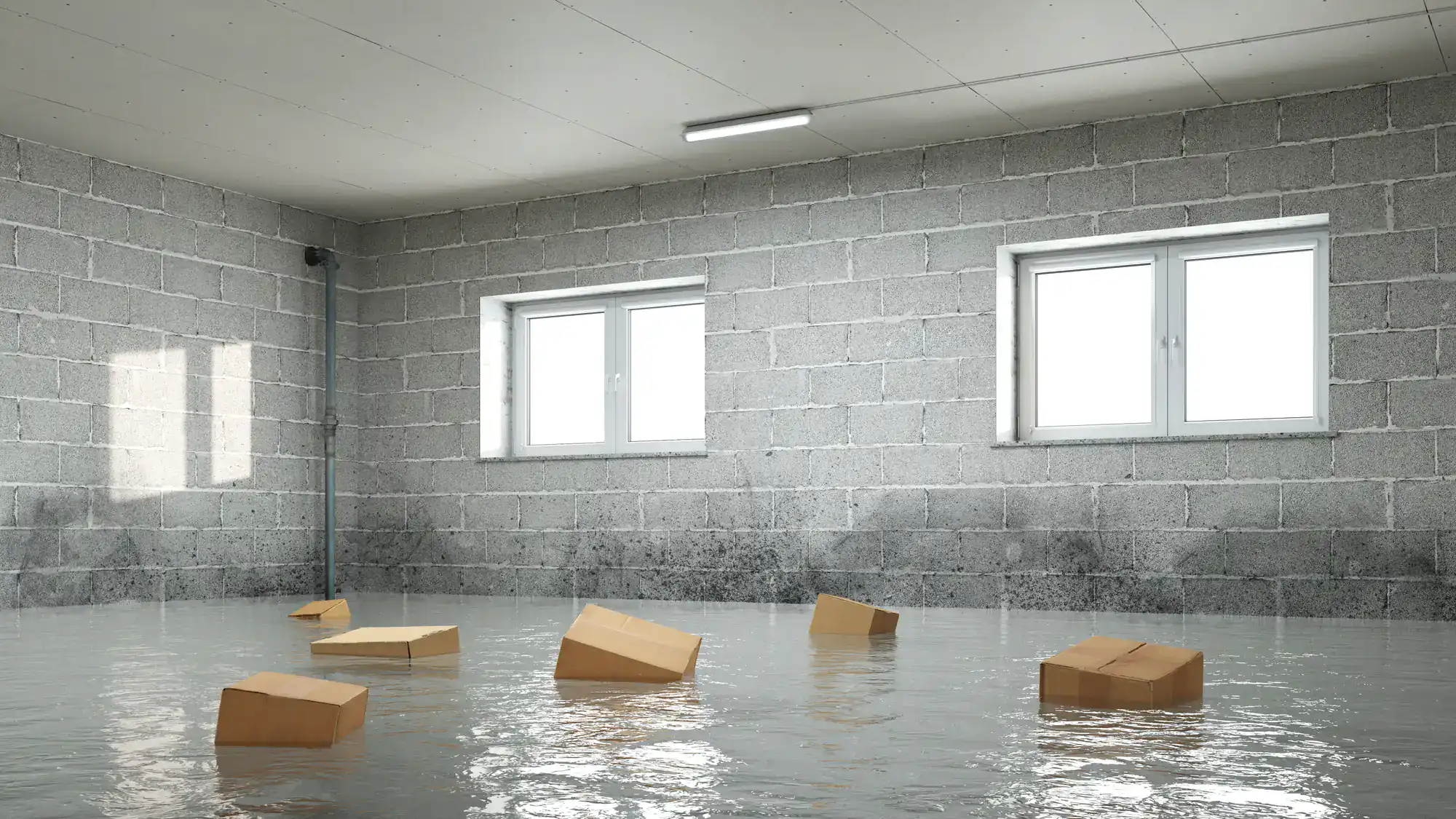
We typically arrive within 30 minutes and start extraction immediately. A standard residential basement with 6 to 12 inches of standing water usually takes 2 to 4 hours to pump out completely, depending on square footage and how much water is still entering.
Our truck-mounted extractors move thousands of gallons per hour. That’s significantly faster than portable pumps or wet vacs, which means less time for water to soak into your walls, floors, and belongings.
Once the standing water is out, we’re not done. The drying process with dehumidifiers and air movers typically runs 3 to 5 days to fully dry structural materials. We monitor moisture levels daily with meters to confirm everything’s actually dry before we pack up equipment.
It depends on what caused the flooding. Standard homeowner’s insurance typically covers sudden internal failures like burst pipes, water heater leaks, or sump pump malfunctions. It usually doesn’t cover flooding from external sources like heavy rain, river overflow, or storm surge—that requires separate flood insurance.
If a sewer backs up into your basement, you’ll need sewer backup coverage, which is often an add-on to your main policy. Many Historic Third Ward homeowners don’t realize they have this coverage until they check.
We document everything before we start work—photos, moisture readings, and detailed notes about the water source. Then we work directly with your insurance company, handle the paperwork, and bill them directly in most cases. You’re not stuck figuring out claims paperwork while standing in a wet basement.
Mold prevention comes down to speed and thoroughness. Mold starts growing within 24 to 48 hours in wet conditions, so the clock starts the moment water enters your basement.
We extract standing water immediately, then use industrial dehumidifiers and air movers to dry structural materials before that 48-hour window closes. But here’s what most people miss—surface drying isn’t enough. Water soaks into drywall, insulation, wood framing, and subflooring. We use moisture meters to measure what’s happening inside those materials, not just what looks dry on the surface.
If water’s been sitting for more than 48 hours before we arrive, or if we find materials that can’t be fully dried, we’ll recommend removing them. Wet insulation and drywall that’s absorbed contaminated water usually need to come out. It’s not about upselling—it’s about preventing a mold problem three months from now that costs more to fix than doing it right the first time.
They’re often used interchangeably, but in practice, extraction is the first step and removal is the complete process. Extraction means pulling out standing water with pumps and vacuums. Removal includes extraction plus eliminating moisture from materials that absorbed water.
You can extract every visible drop from your basement floor and still have soaked drywall, wet insulation, and damp wood framing. That remaining moisture causes the real damage—warping, swelling, mold growth, and structural issues.
Our basement water removal service in Historic Third Ward handles both. We extract the standing water fast, then we dry out everything that absorbed it. That’s why we leave dehumidifiers and air movers running for days, not hours. We’re removing moisture you can’t see, which is what actually protects your home long-term.
It depends on how deep the water was and how long they were submerged. If water reached the control boards, gas valves, or electrical components, they usually can’t be saved safely. Even if they seem to work after drying out, submerged components can fail later or create safety hazards.
Insurance companies typically require replacement rather than attempting repairs on flooded HVAC and water heating equipment. The liability risk is too high if a “repaired” unit causes a fire or gas leak down the road.
We’ll assess your equipment during the initial inspection and give you a straight answer. If it needs to be replaced, we document everything for your insurance claim. If it can be saved, we’ll tell you that too. You’re not getting pushed toward unnecessary replacements, but you’re also not getting false hope about equipment that’s going to fail in six months.
Emergency water extraction and initial drying setup happens the day you call. Drying typically takes 3 to 5 days depending on how much water there was and what materials absorbed it. Repairs after drying can take anywhere from a few days to a few weeks.
If you only need minor drywall replacement and new baseboards, that’s a quick turnaround. If you need subfloor replacement, new flooring, electrical work, and HVAC replacement, you’re looking at 2 to 3 weeks for a typical basement.
Your project manager will give you a realistic timeline during the assessment. They’ll also tell you what affects that timeline—insurance approval delays, material availability, or additional damage we find once we open up walls. You’ll know what to expect before work starts, and you’ll get updates if anything changes.
Historic Third Ward properties sometimes take longer because we’re working with older construction methods and materials that require more careful handling. But we move as fast as we can without cutting corners that’ll cause problems later.
Other Services we provide in Historic Third Ward