
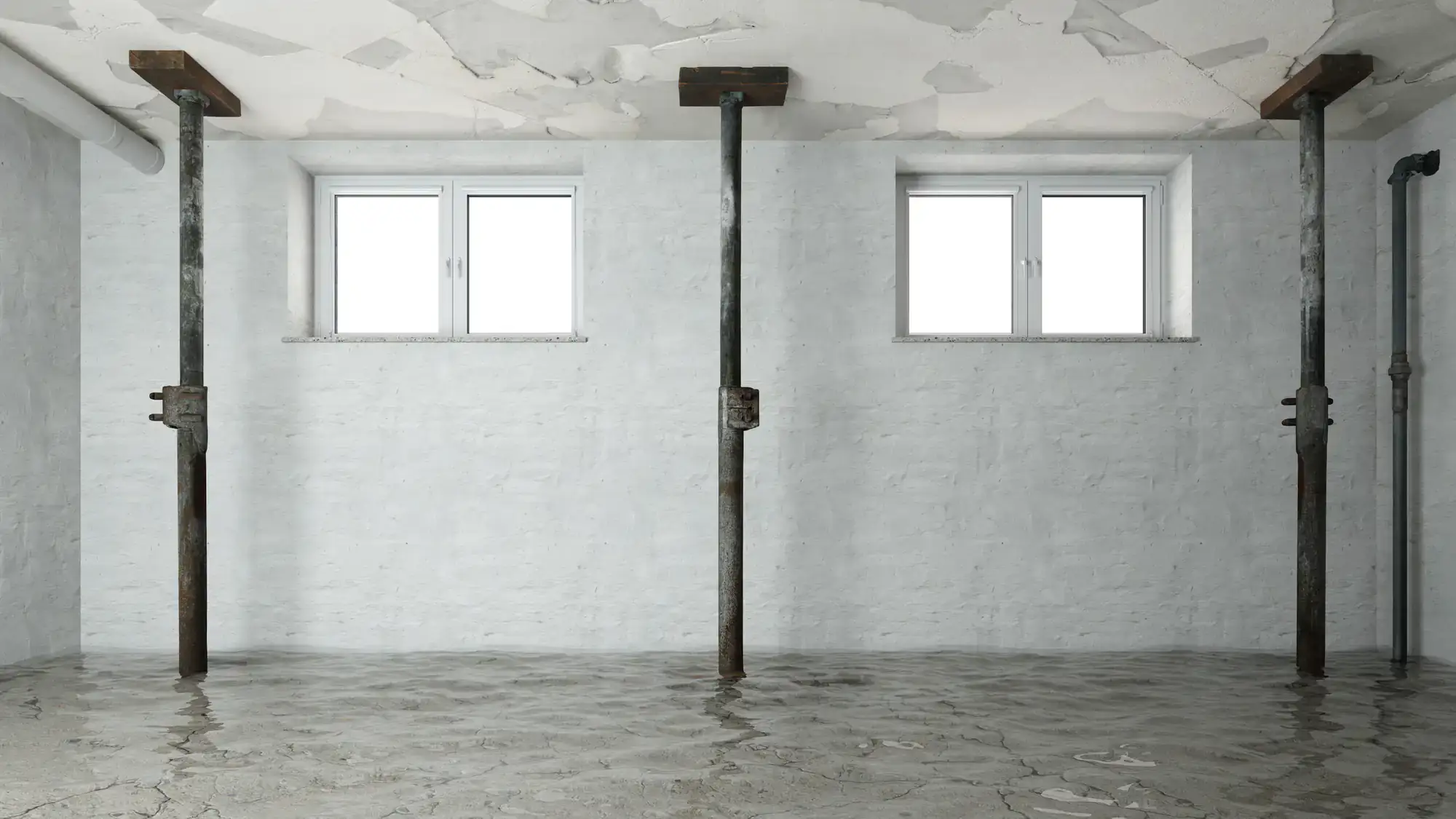
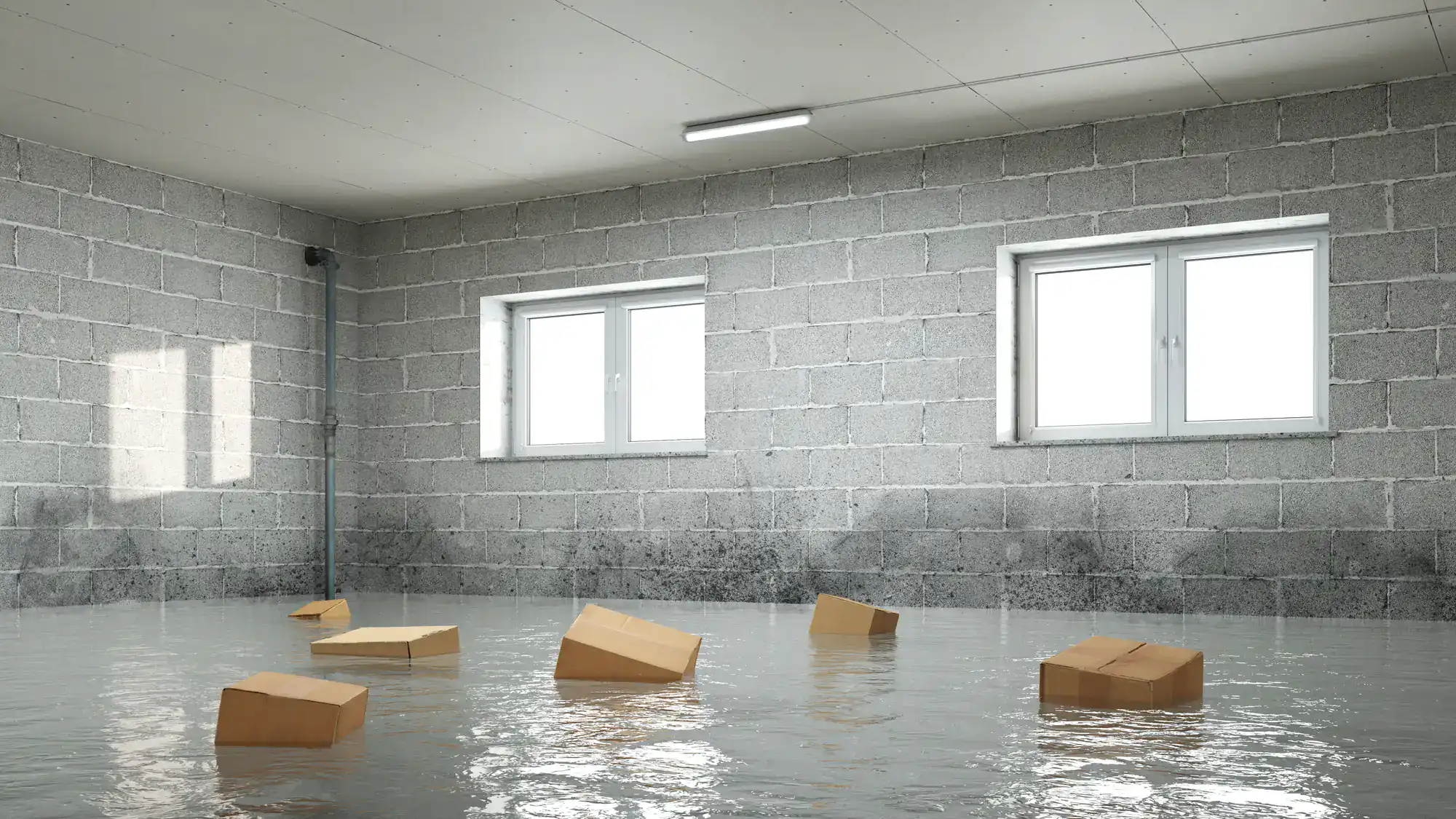
When your basement floods in Clarke Square, every hour counts. Water seeps into concrete, soaks insulation, damages drywall, and creates conditions for mold growth within 24 to 48 hours.
Our emergency water extraction removes standing water immediately using industrial pumps and truck-mounted extraction equipment. We don’t just pump out flooded basements and leave—we measure moisture levels in walls, floors, and hidden spaces to confirm everything is actually dry.
You get commercial dehumidifiers and air movers positioned throughout your basement to pull moisture from materials that absorbed water. We monitor drying progress with thermal imaging and moisture meters, adjusting equipment as needed until readings confirm your basement is completely dry. That’s how you prevent mold, protect your foundation, and avoid discovering hidden damage six months later.
We’re a family-owned basement water removal service based in Milwaukee. We grew up here, we work here, and we understand how Clarke Square’s older homes and aging infrastructure create specific flooding vulnerabilities.
We’ve helped hundreds of Milwaukee homeowners recover from basement floods caused by overwhelmed sewer systems, sump pump failures, and foundation cracks that let groundwater in during heavy spring rains. Clarke Square has the same challenges—older homes built before modern drainage standards, clay soil that doesn’t absorb water quickly, and storm systems that struggle during the extreme rainfall events Milwaukee has experienced more frequently.
When you call us, you’re getting a local crew that responds fast, communicates clearly, and treats your home the way we’d treat our own. No inflated scopes, no unnecessary add-ons, no disappearing when you have questions.
First, we answer—24/7, even when other companies are closed. You describe what happened, and we ask a few questions to understand the situation and what equipment to bring.
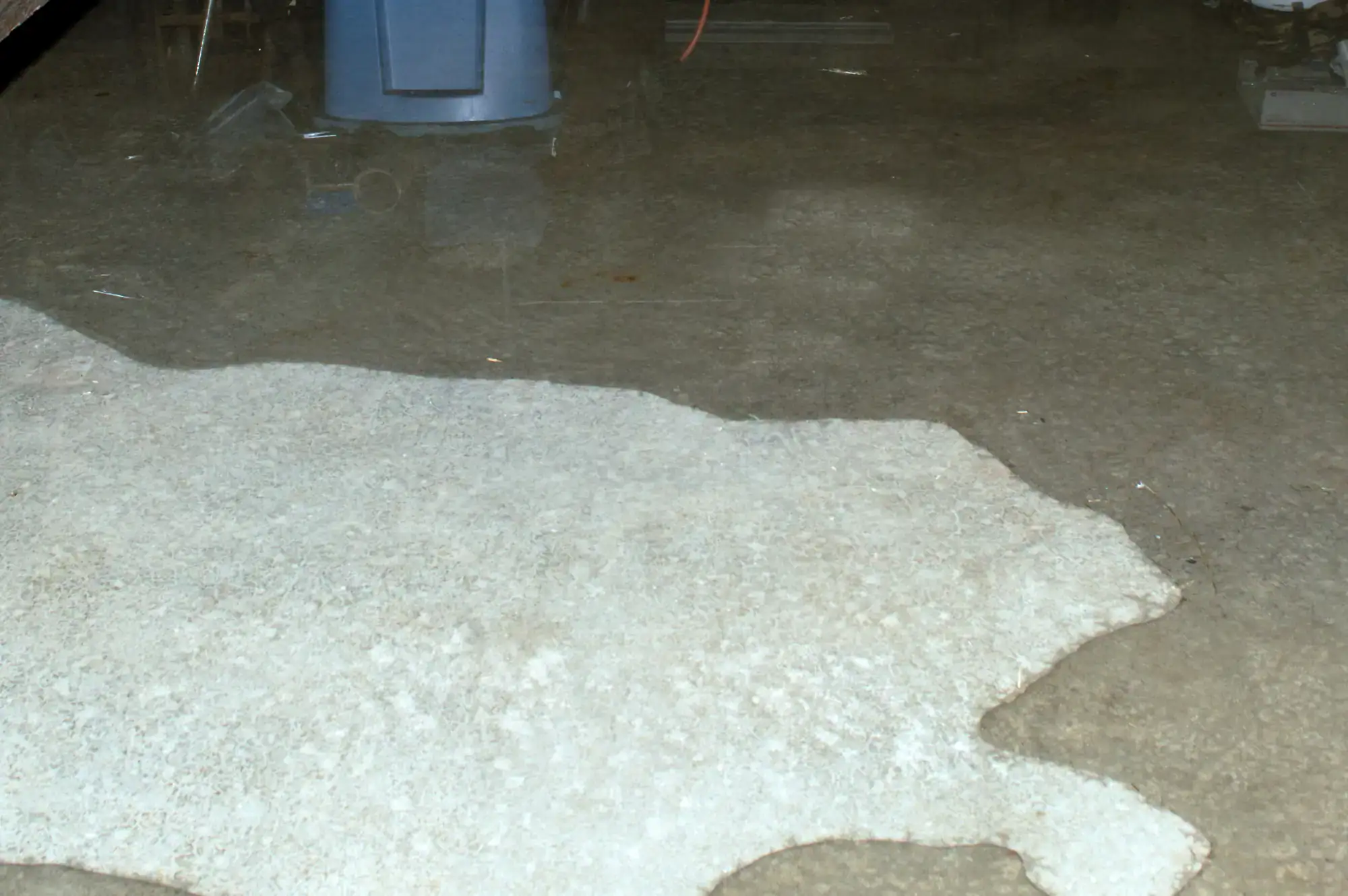
We arrive fast, assess the damage, and start extracting water immediately. Our industrial pumps and truck-mounted equipment remove standing water from your basement floor, while portable extractors pull water from carpets, padding, and other materials that absorbed it. We document everything with photos and moisture readings for your insurance claim.
Next comes drying. We position commercial dehumidifiers and air movers throughout your basement to pull moisture from walls, floors, subfloors, and insulation. We’re measuring moisture levels in materials you can’t see—inside wall cavities, under flooring, in wooden framing. We monitor progress daily and adjust equipment placement until moisture readings confirm everything is dry.
Once drying is complete, we assess what needs repair or replacement. We walk you through what we found, explain your options, and provide transparent pricing. Our project managers oversee the work and keep you updated throughout the flooded basement cleanup process in Clarke Square.
Ready to get started?
You get immediate water extraction using industrial pumps designed to remove large volumes quickly. We bring truck-mounted equipment and portable extractors to handle both standing water and water absorbed into materials.
You get complete moisture removal with commercial dehumidifiers and air movers positioned strategically throughout your basement. We’re not guessing—we use thermal imaging cameras and moisture meters to find hidden water and confirm when drying is complete.
You get documentation for insurance claims. We photograph damage, record moisture readings, map affected areas, and provide detailed reports that adjusters need to process wet basement repair claims in Clarke Square. We’ve worked with Milwaukee-area insurance companies for years and understand what documentation they require.
You get mold prevention through fast response and thorough drying. Mold starts growing within 24 to 48 hours in wet conditions. Our process is designed to remove moisture before mold becomes a problem, protecting your family’s health and your home’s value.
Clarke Square’s older homes face specific risks during heavy rainfall—the August 2025 flooding that brought 5.74 inches of rain in one day overwhelmed sewer systems across Milwaukee and flooded basements throughout the city. When storms like that hit, you need a crew that understands local infrastructure challenges and responds immediately.
We’re available 24/7 and typically arrive within 60 to 90 minutes of your call, depending on current demand and your exact location in Clarke Square. When your basement floods, speed matters—every hour water sits increases damage to your foundation, walls, flooring, and belongings.
We keep trucks stocked with extraction equipment, dehumidifiers, air movers, and moisture detection tools so we can start working immediately when we arrive. During major weather events like the August 2025 flooding that overwhelmed Milwaukee, response times can extend slightly as we prioritize life-safety situations and work through a high volume of calls.
If you’re calling during a widespread flooding event, we’ll be honest about current wait times and help you take immediate steps to minimize damage while you’re waiting. That might include shutting off power to your basement, moving valuables to higher ground, or stopping the water source if it’s coming from a burst pipe or failed sump pump rather than external flooding.
It depends on what caused the flooding. Standard homeowners insurance typically covers sudden internal water damage—like a burst pipe, water heater failure, or sump pump breakdown—but excludes damage from external flooding caused by rain, snowmelt, or overwhelmed storm sewers.
If your basement flooded because your sump pump failed during heavy rain, you might have coverage if you added sump pump failure protection to your policy. If water came up through floor drains because Milwaukee’s sewer system was overwhelmed, that’s usually considered external flooding and requires separate flood insurance through the National Flood Insurance Program.
We document everything during our initial assessment—where the water came from, what’s damaged, and moisture readings throughout your basement. This documentation helps your insurance adjuster determine coverage. We’ve worked with Milwaukee-area insurance companies for years and can explain what they typically cover, but we always recommend calling your insurance company as soon as possible after a basement flood to start the claim process and confirm your specific coverage.
Most basements take three to five days to dry completely, but timing varies based on how much water was present, what materials absorbed it, and your home’s construction. A basement with two inches of standing water on a concrete floor dries faster than one where water soaked into drywall, insulation, and wooden framing.
We don’t guess or use arbitrary timelines. We measure moisture levels in your walls, floors, subfloors, and other materials using moisture meters and thermal imaging. We monitor those readings daily and adjust our drying equipment as needed. Your basement is dry when moisture readings in all affected materials return to normal levels—not when a certain number of days have passed.
Clarke Square’s older homes often have materials that hold moisture longer—plaster walls, wooden subfloors, dense insulation. We account for this when positioning dehumidifiers and air movers. Rushing the process or pulling equipment too early leads to hidden moisture problems, mold growth, and structural damage that shows up months later. We keep equipment in place until the job is actually done.
First, stay safe. Don’t enter a flooded basement if water is near electrical outlets, your electrical panel, or any appliances. Standing water and electricity create serious electrocution risk. If you can safely access your electrical panel from outside the flooded area, shut off power to your basement.
Call us immediately at our 24/7 emergency line. The faster we start extracting water, the less damage occurs to your foundation, walls, floors, and belongings. While you’re waiting for us to arrive, move valuable items to higher ground if you can do so safely.
If you know what caused the flooding, stop the water source if possible. That might mean unplugging a failed sump pump and using a backup, shutting off water supply to a burst pipe, or clearing a blocked floor drain. Don’t attempt repairs that put you at risk—just stop additional water from entering if you safely can. Take photos and videos of the damage for your insurance claim, but don’t start cleanup that might interfere with our assessment or your insurance adjuster’s inspection.
Mold prevention starts with speed. Mold spores are everywhere, but they only grow into visible colonies when they have moisture, organic material to feed on, and time. Remove the moisture within 24 to 48 hours, and you prevent mold from establishing itself.
We extract standing water immediately, then use commercial dehumidifiers to pull moisture from the air and materials that absorbed water. Air movers create airflow across wet surfaces to speed evaporation. This combination removes moisture from visible areas and hidden spaces—inside wall cavities, under flooring, in insulation—where mold often starts growing unnoticed.
We measure moisture levels throughout the drying process using meters and thermal imaging. We’re looking for readings that confirm materials have returned to normal moisture content, not just dry surfaces. If we find materials that stayed wet too long or show early mold growth, we remove and replace them rather than trying to dry moldy materials in place. That’s how you actually prevent mold problems instead of discovering them six months later when you smell something or see discoloration on your basement walls.
Water extraction removes standing water and water you can see pooled on floors or soaked into carpets and padding. We use industrial pumps and portable extractors to pull out as much water as possible quickly. This is the first step, and it’s critical for stopping immediate damage.
Complete drying removes moisture you can’t see—water that soaked into concrete, wooden framing, drywall, insulation, and other building materials. A basement might look dry after extraction but still have elevated moisture levels in walls, subfloors, and hidden spaces. That hidden moisture causes mold growth, wood rot, and structural damage if left untreated.
We use commercial dehumidifiers to pull moisture from the air and materials, air movers to increase evaporation, and moisture meters to measure what’s actually happening inside your walls and floors. We monitor readings daily and adjust equipment until everything returns to normal moisture levels. Some companies extract water and leave, calling the job done. We stay until your basement is actually dry, confirmed by measurements, because that’s what prevents long-term problems and protects your home’s value.
Other Services we provide in Clarke Square