
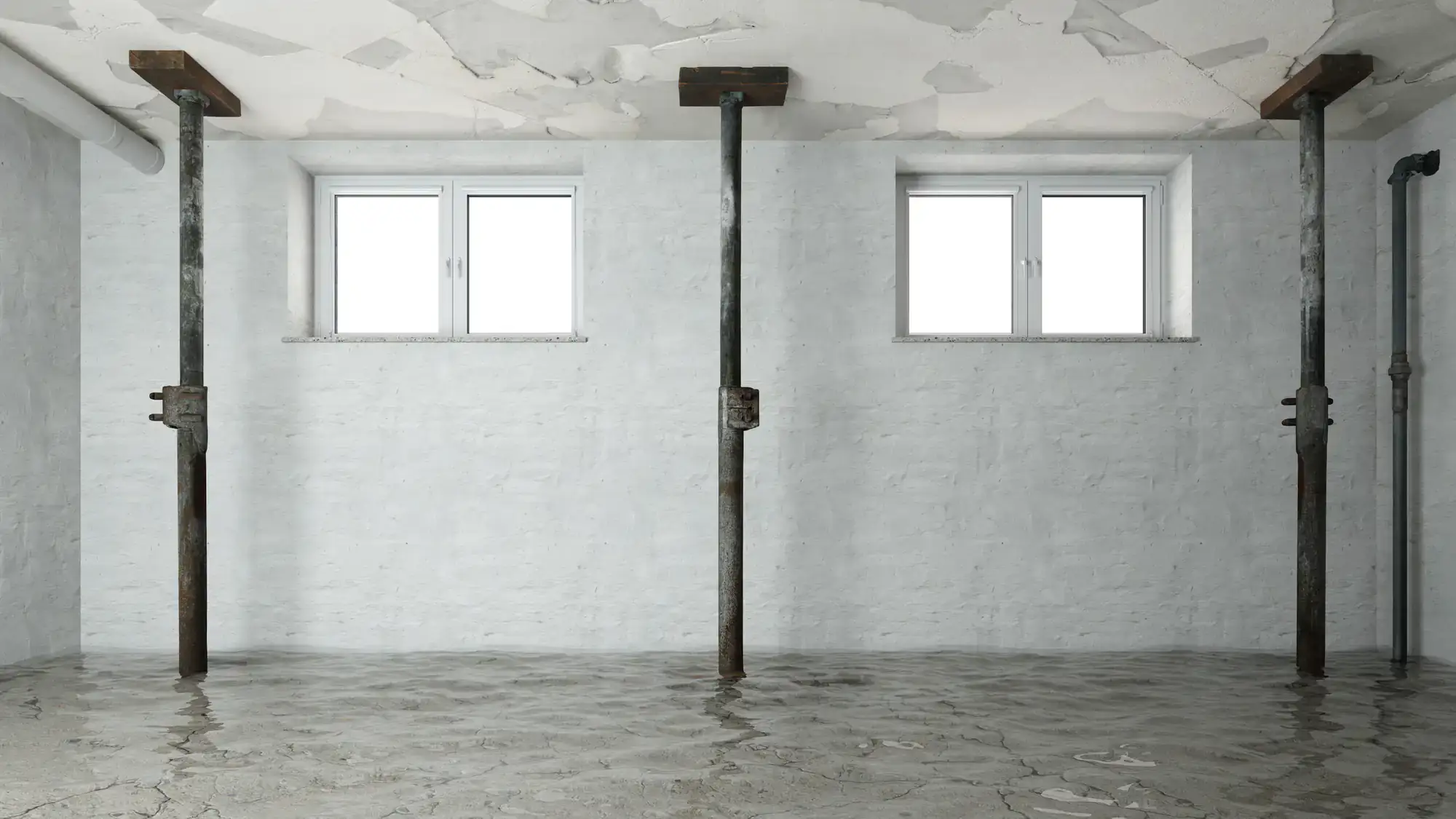
You’re not thinking about your basement when everything’s fine. But when water’s pooling on your floor at 2 a.m., you need someone who picks up the phone and shows up fast.
That’s where this matters. A flooded basement cleanup in Burnham Park isn’t just about pumping out water. It’s about stopping mold before it starts, protecting your foundation from long-term damage, and making sure you’re not dealing with this same mess again in six months.
We pull the water, dry everything down to the studs if needed, and check moisture levels in places most companies skip. You get a basement that’s actually safe to use again—not just one that looks dry on the surface. No guessing. No shortcuts.
The outcome is simple: your house doesn’t smell like mildew three weeks later, your insurance claim has the documentation it needs, and you’re not replacing drywall twice because someone rushed the job the first time.
Flood Guys Restoration is a local company that’s been handling basement water removal in Burnham Park and across Southern Wisconsin for over 30 years. We’re not a franchise. We’re the team that actually answers when you call, and the same people who show up to do the work.
We know what Wisconsin weather does to basements. Spring downpours, sump pump failures during the wettest weeks of the year, and those surprise storms that drop five inches of rain overnight—we’ve seen it all. That experience means we know how to dry a basement the right way, even when the water came in fast and soaked everything.
You’re not getting a sales pitch when you call. You’re getting a straight answer about what needs to happen, how long it takes, and what it costs. That’s how we’ve built a reputation here—by doing what we say we’ll do and not disappearing when the work gets complicated.
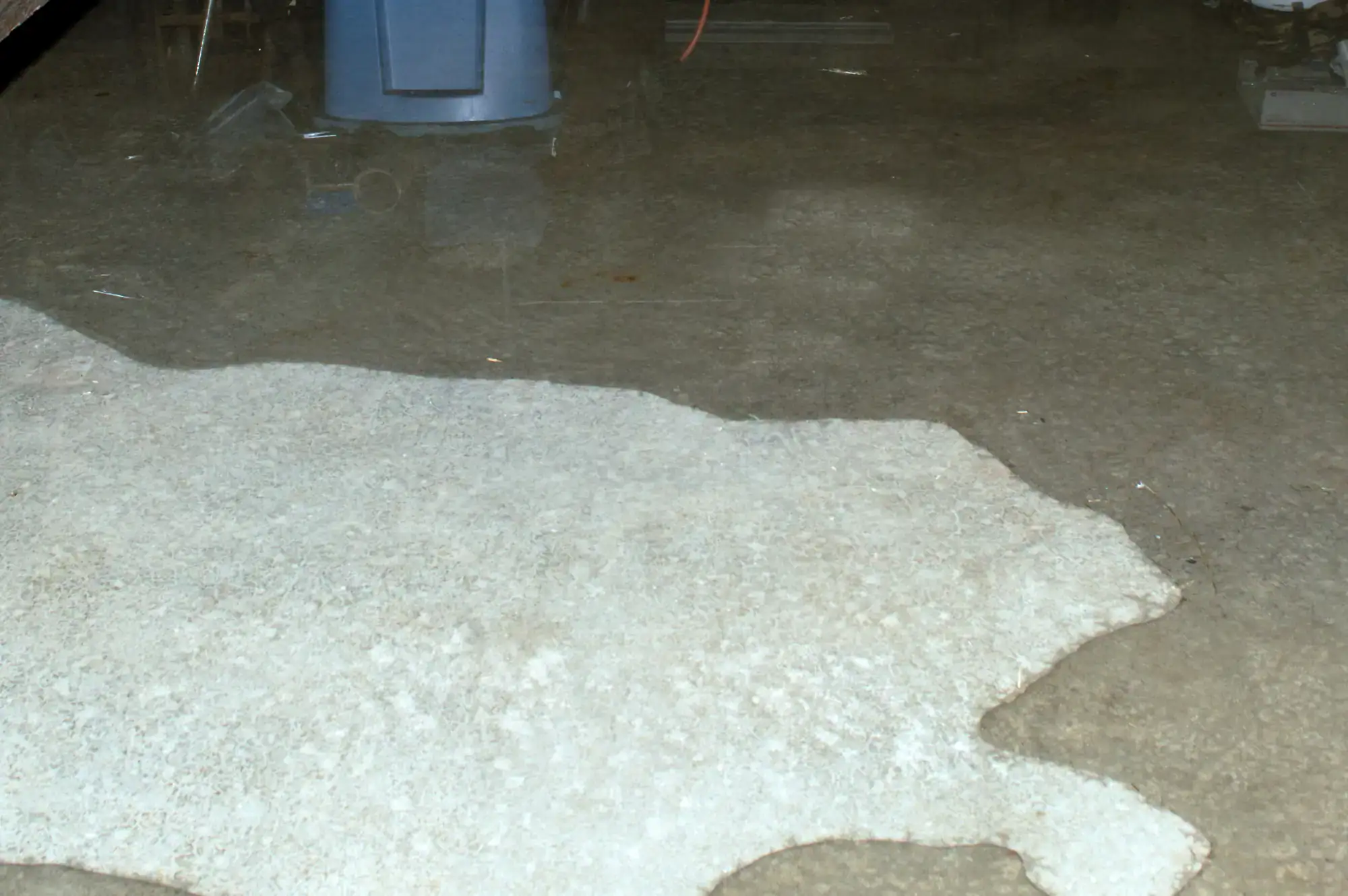
First, we pick up the phone. If your basement’s flooding, you’re not leaving a voicemail. We answer 24/7, and we’ll ask a few quick questions to understand what you’re dealing with—how much water, where it’s coming from, and whether it’s still coming in.
Then we get there fast. Our team typically arrives within an hour, and we start with an assessment. We’re looking at the source, the spread, and what’s already damaged. That tells us what equipment to use and how aggressive we need to be with extraction.
Next comes the pump out. We use commercial-grade pumps and extractors to remove standing water, then start drying with industrial dehumidifiers and air movers. This isn’t a one-hour job—we’re monitoring moisture levels in your floors, walls, and subfloor to make sure everything’s actually dry, not just surface-level.
Once the space is dry, we assess what needs repair. Sometimes it’s just baseboards. Sometimes it’s drywall or insulation. We’ll walk you through what we found, what we recommend, and what your insurance will likely cover. You’re in control of what happens next—we just make sure you have the full picture before you decide.
Ready to get started?
When we handle a basement flood in Burnham Park, you’re getting the full process—not just the visible stuff. We start with water extraction using high-capacity pumps that handle both clean water and the dirty, debris-filled water that comes in from outside. Then we move to moisture detection, using meters that measure what’s happening inside your walls and under your floors.
Drying comes next, and it’s not passive. We set up commercial dehumidifiers and air movers positioned to pull moisture out of every corner, crack, and cavity. We monitor this daily, adjusting equipment as needed, because the goal is zero moisture left behind. That’s what stops mold.
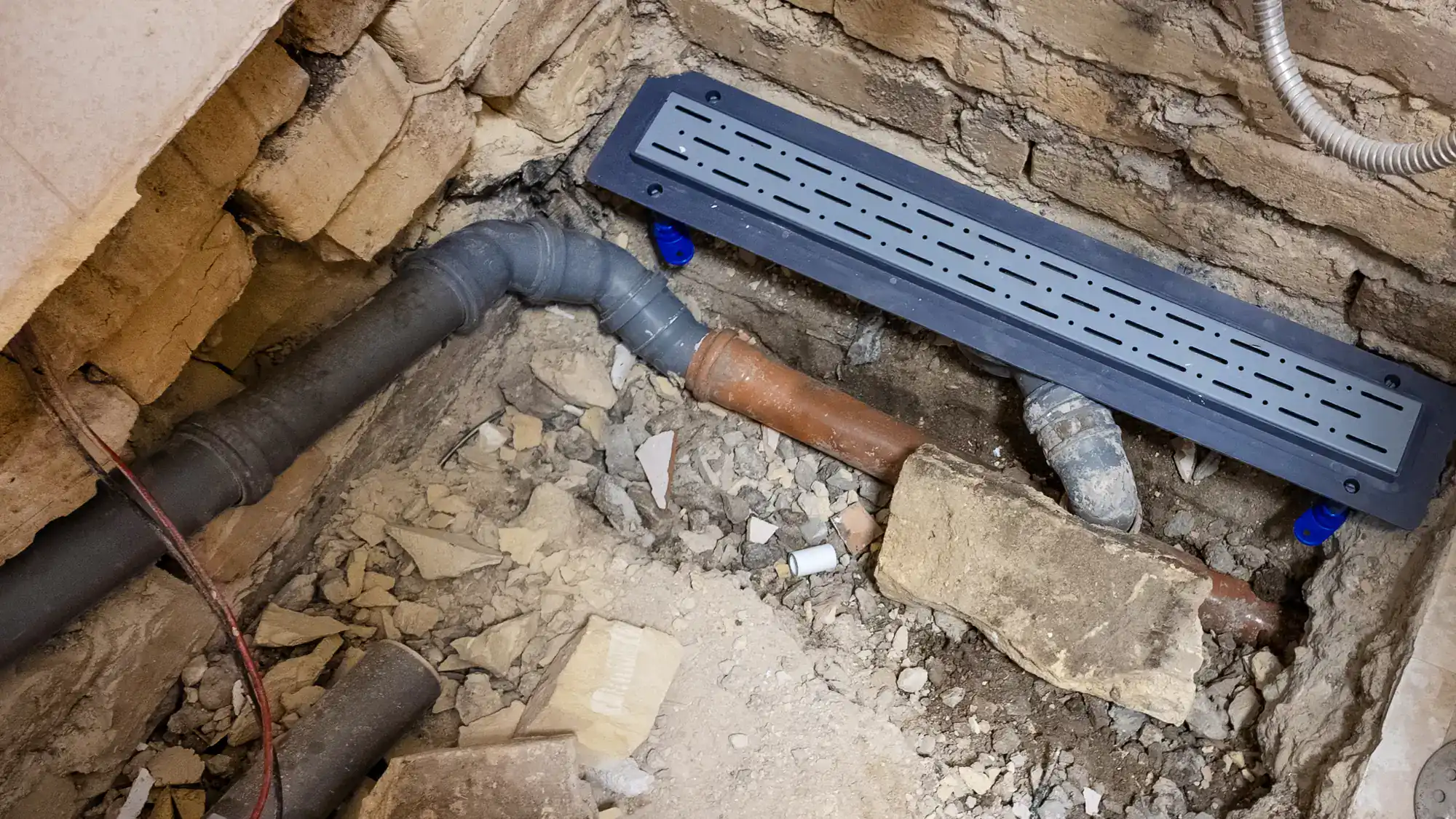
If your sump pump failed or your drain tile is overwhelmed, we’ll help you understand why it happened and what needs to change. Wisconsin basements flood for predictable reasons—outdated pumps, poor grading, or drainage systems that can’t keep up with the heavier rainfall we’ve been seeing. We’re not just cleaning up the water. We’re helping you understand how to prevent the next one.
You also get documentation for your insurance company. We photograph everything, log our findings, and provide the reports your adjuster needs to process your claim. That’s part of the service—not an add-on.
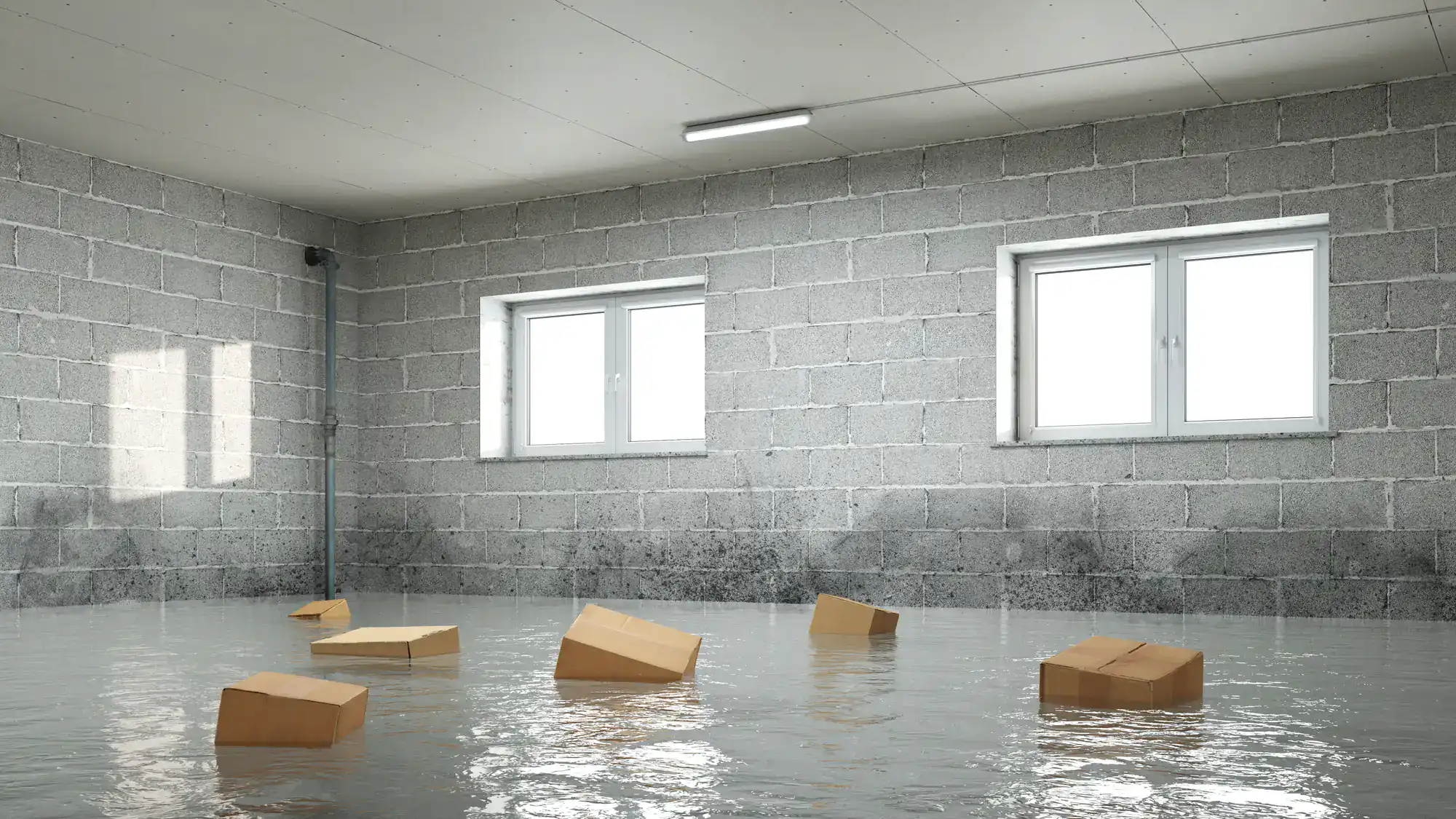
We typically arrive within an hour of your call, and we start extracting water immediately. How long the full pump-out takes depends on how much water is in your basement and whether it’s still coming in.
For a standard residential basement with a few inches of standing water, we can remove the bulk of it in one to three hours using commercial pumps. If you’re dealing with several feet of water or a large space, it takes longer. But we don’t just pump and leave—we stay to begin the drying process right away, because that’s where the real damage prevention happens.
The faster we start, the better your outcome. Water sitting in your basement for even 24 hours dramatically increases your risk of mold growth and structural damage. That’s why we run 24/7 and don’t make you wait until morning.
It depends on where the water came from. If your basement flooded because of a burst pipe, sump pump failure, or water heater leak—anything originating inside your home—your standard homeowner’s policy usually covers it.
But if the water came from outside, like heavy rain overwhelming your foundation or a nearby creek overflowing, that’s typically considered flood damage. Most homeowner’s policies don’t cover that. You’d need a separate flood insurance policy through FEMA’s National Flood Insurance Program.
This is one of the most frustrating surprises homeowners face, and it’s why we help you document everything from the start. We’ll walk you through what we’re seeing, where the water entered, and how to present that to your insurance company. We’ve worked with dozens of adjusters in Wisconsin, and we know how to make sure your claim has what it needs. If it’s not covered, we’ll be straight with you about that too—and we’ll work with you on pricing.
Mold prevention comes down to one thing: removing all the moisture, not just the water you can see. That means drying your basement completely within 24 to 48 hours of the flood.
We do this with industrial dehumidifiers and air movers that pull moisture out of your drywall, insulation, studs, and subfloor. We’re not guessing—we use moisture meters to measure levels in your walls and floors, and we keep drying until those readings are back to normal. If something’s too saturated to dry properly, like soaked insulation or warped drywall, we remove it. Leaving wet materials in place is how mold starts.
We also treat affected areas with antimicrobial solutions when needed, especially if the water that came in was dirty or contaminated. But the real prevention is speed and thoroughness. The longer water sits, the higher your mold risk. That’s why we start drying immediately and don’t pull our equipment until we’re sure the job’s done.
Drying out your basement means running a couple of fans and hoping for the best. Water damage restoration means actually measuring moisture, controlling the environment, and making sure nothing’s left behind that will cause problems later.
When we restore a basement after a flood, we’re following a process. We extract the standing water first, then we set up a controlled drying environment with dehumidifiers and air movers. We’re checking moisture levels daily in your floors, walls, and any materials that got wet. If your drywall is soaked two feet up, we’re cutting it out and replacing it—not just drying the surface and painting over it.
Restoration also means dealing with what caused the flood in the first place, or at least helping you understand it. If your sump pump failed, we’ll tell you. If your floor drain backed up, we’ll explain why. You’re not just getting a dry basement—you’re getting a clear picture of what happened and what needs to change. That’s the difference between a quick fix and a real solution.
Most basements take three to five days to dry completely, but it depends on how much water got in, what materials were affected, and how humid it is outside.
If you had a few inches of water on a concrete floor with minimal wall damage, we can usually get that dry in three days. If your drywall soaked up water, or if you have finished walls with insulation behind them, it takes longer—sometimes up to a week. We’re not pulling our equipment until our moisture readings confirm everything’s dry, because cutting corners here is how you end up with mold three weeks later.
Wisconsin’s humidity doesn’t help. During spring and summer, when the air outside is already saturated, drying takes longer. That’s why we use commercial dehumidifiers that can handle high-moisture environments, not the small units you’d rent from a hardware store. We’re controlling the conditions inside your basement so drying happens as fast as physically possible—but we’re not rushing it at the expense of doing it right.
In most cases, no. Basement flood cleanup is disruptive, but it doesn’t usually require you to leave. Our equipment is loud, and we’ll have dehumidifiers and air movers running around the clock for several days, but you can still live upstairs.
The exception is if the water that flooded your basement is contaminated—like sewage backup or water that’s been sitting long enough to become a health risk. In those situations, we’ll tell you up front if the space isn’t safe, and we’ll work fast to get it cleaned and sanitized so you’re not displaced any longer than necessary.
We do our best to keep the disruption minimal. We’ll set up our equipment in a way that doesn’t block your access to the rest of your house, and we’ll walk you through what’s happening each day so you’re not guessing. If you have questions or concerns while we’re working, you can ask—we’re not the kind of crew that shows up, sets up, and disappears until the job’s done.
Other Services we provide in Burnham Park