
Basement Flood Cleanup Greendale, WI

Your Basement Dry, Your Peace of Mind Restored
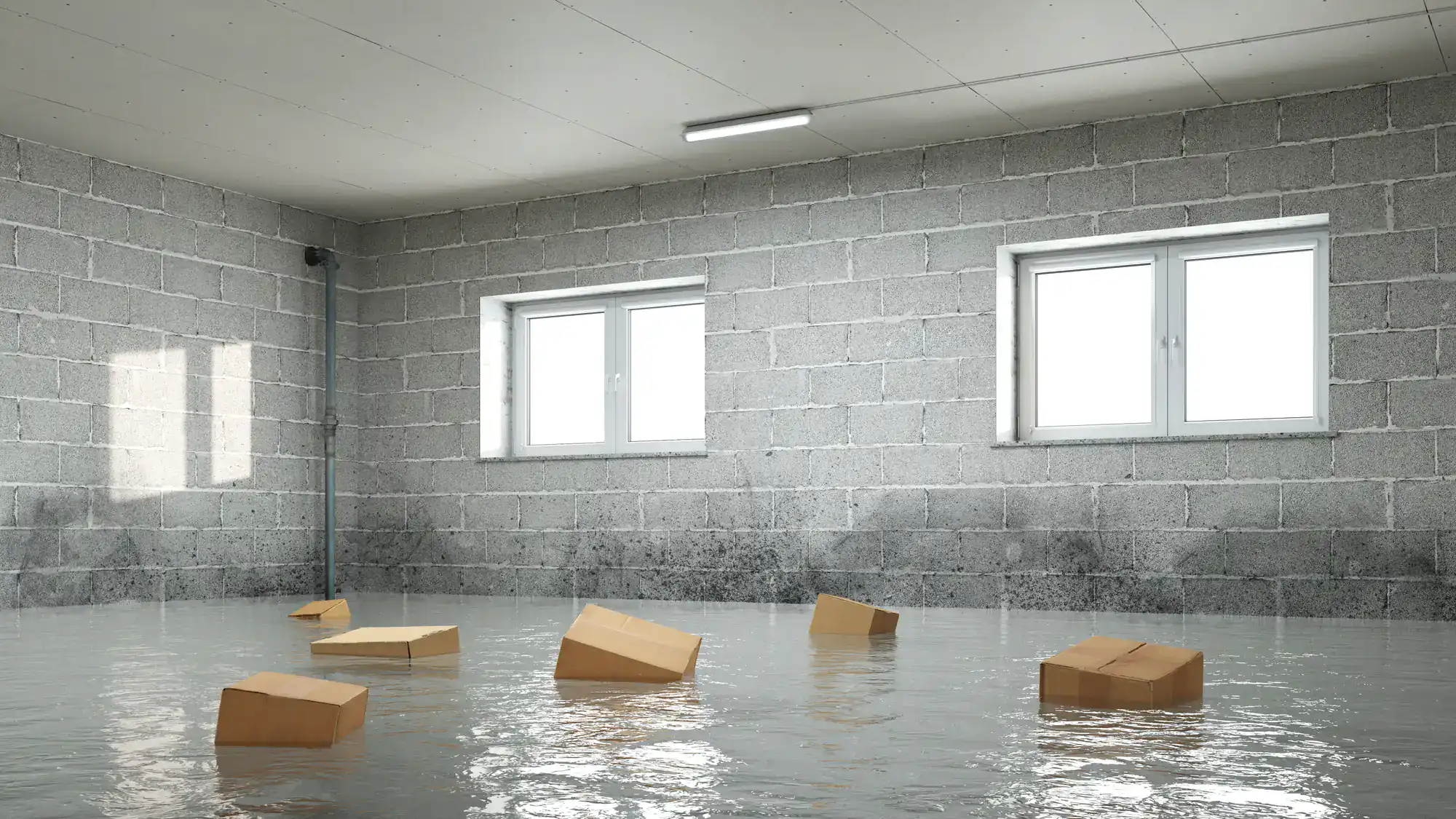
When your basement floods, you need someone who shows up fast, does what’s actually needed, and keeps you in the loop. We handle emergency water extraction and complete restoration in Greendale and Milwaukee County—honestly, thoroughly, and without the runaround.

Honest Assessment Every Time

We tell you what needs to be done and why, without inflating the scope or pushing work you don't need.

Project Manager On Every Job

You get a dedicated point of contact who keeps you updated, answers questions, and makes sure nothing falls through the cracks.

Insurance Coordination Included

We work directly with your insurance company, handle documentation, and help streamline the claims process so you're not stuck in the middle.

Local Team You Can Reach

We're based right here in the area, not a national franchise. When you call, you get someone who knows Milwaukee County and actually cares.
Emergency Basement Water Removal Greendale

Fast Response When Your Basement Floods

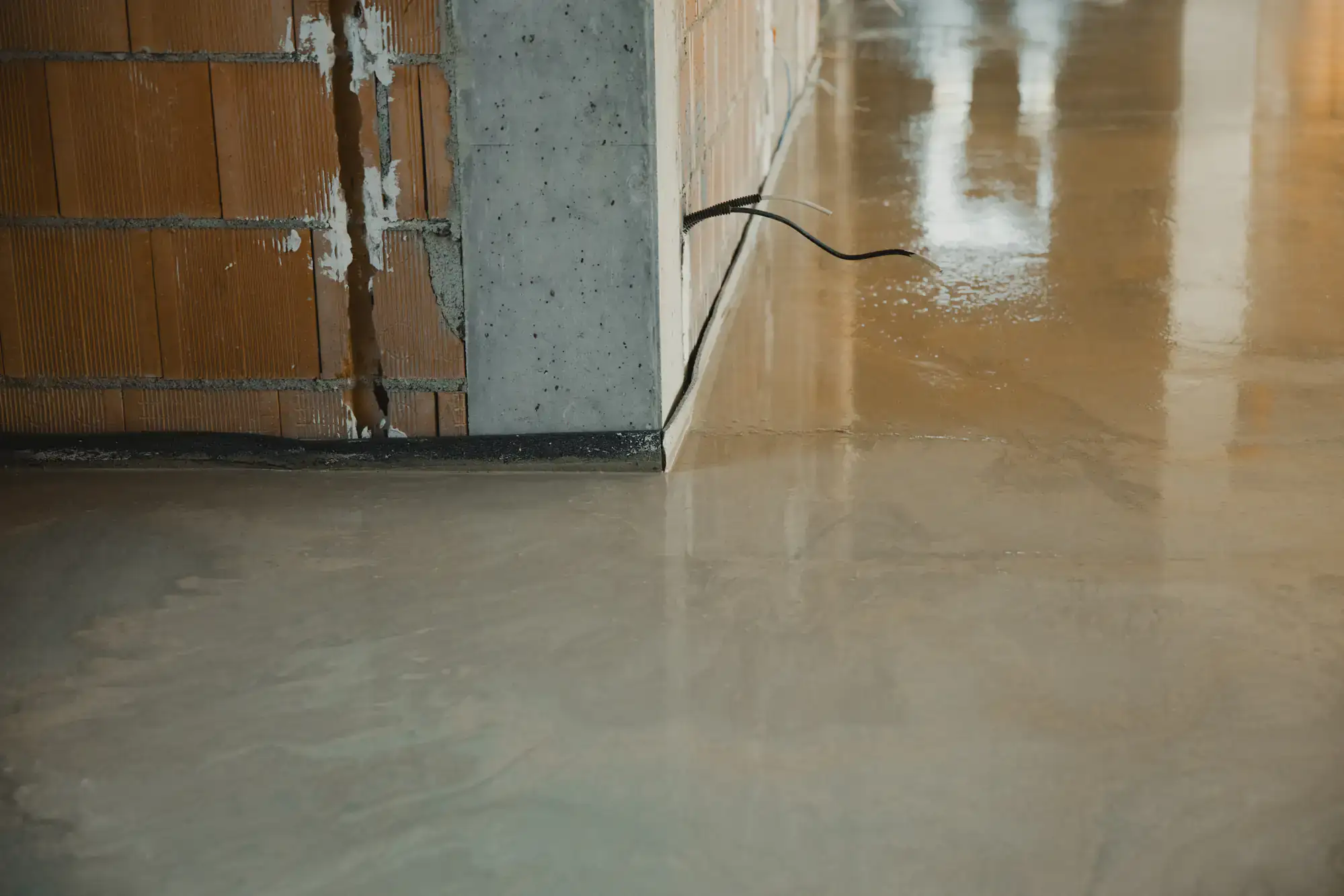
A flooded basement doesn’t wait for business hours. Whether it’s a sump pump failure during a Milwaukee County storm, a burst pipe in the middle of winter, or spring thaw pushing water through your foundation, we respond 24/7 to get the water out and start drying your space. We use industrial-grade pumps, dehumidifiers, and air movers to extract standing water and dry everything thoroughly—walls, floors, and anything water touched. The goal is simple: get your basement completely dry within days, prevent mold from starting, and give you a clear path back to normal. This isn’t about selling you more than you need. It’s about doing the work right so you don’t end up with bigger problems later.

Wet Basement Repair Milwaukee County

What You Actually Get From Our Team

When we finish a basement flood cleanup, your space is dry, your questions are answered, and you’re not left wondering what just happened or what comes next.

Your basement is completely dry within 3 to 5 days using professional equipment that actually works, not box fans and hope.

You know exactly what we're doing and why, with regular updates from your project manager throughout the entire process.

Your insurance claim moves forward smoothly because we handle the documentation, photos, and coordination you'd otherwise be stuck managing.

You avoid the mold, structural damage, and health risks that come from water sitting too long or being dried improperly.

Your belongings get salvaged when possible instead of automatically tossed, saving you money and stress.

You get honest pricing based on what's actually needed, not inflated estimates designed to max out your insurance policy.

Ready to get started?

Share project details

Call us or get a free online quote to help us identify your project needs.

We'll follow up

If you requested an online quote, you can expect a callback within 24-48 hours of your request.

The floor is yours

Connect with an expert and share all project specifics.

Plan your project

Like what you hear? We'll provide next steps and expert guidance.
Basement Flooding Causes Greendale WI

Why Basements Flood in Greendale and Milwaukee County

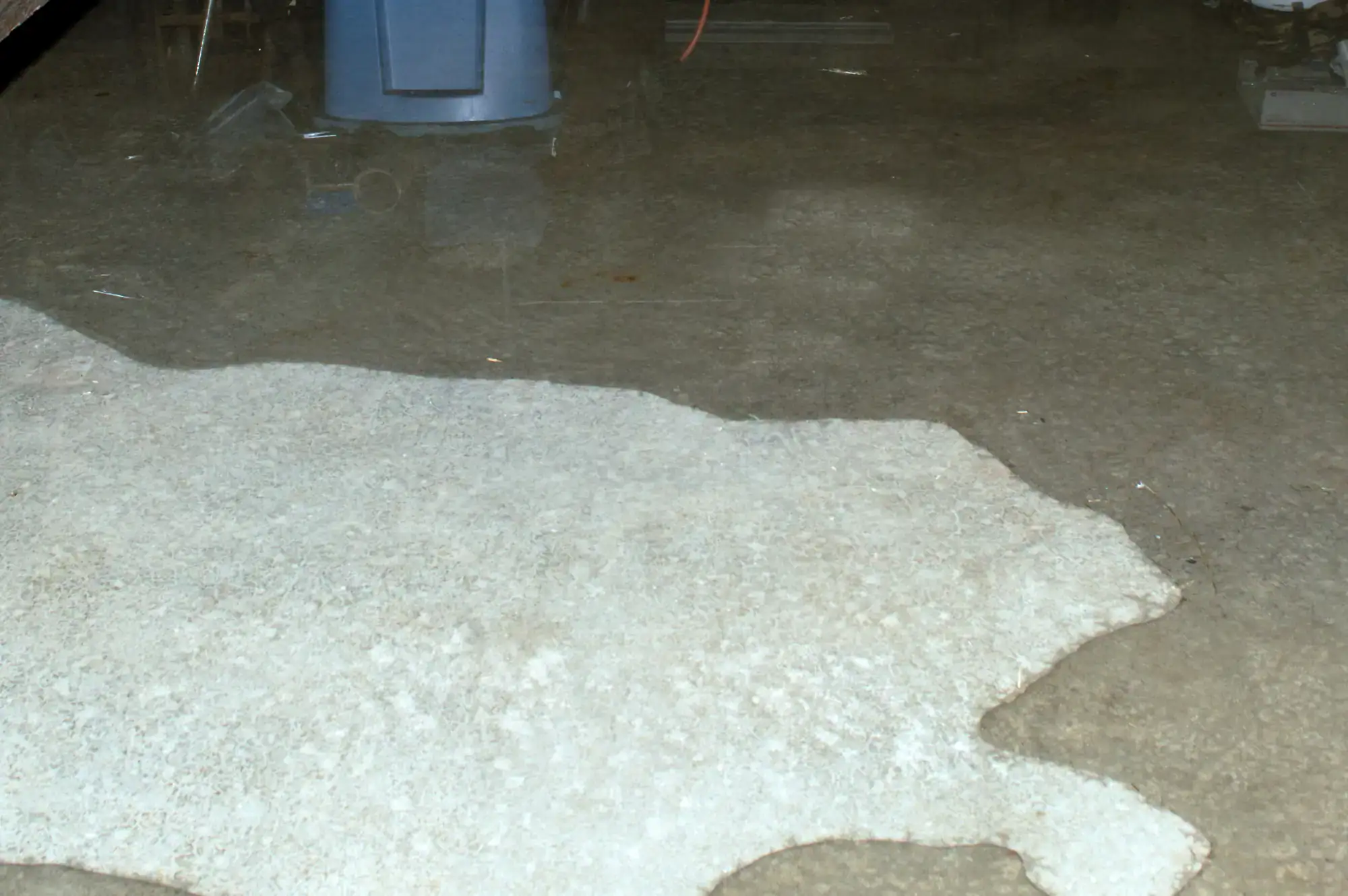
Greendale sits on clay soil that doesn’t drain well. When heavy rain hits or snow melts in spring, water has nowhere to go except toward your foundation. Add in aging sump pumps, clogged gutters, or a sewer system that can’t handle the load during storms, and you’ve got a flooded basement. Milwaukee County saw this firsthand in August 2025 when historic rainfall dumped over 10 inches in less than 24 hours. Basements across the area flooded with an average of 21 inches of water. Thousands of homes were damaged, and many are still recovering months later. Burst pipes during Wisconsin winters, foundation cracks from freeze-thaw cycles, and overwhelmed municipal sewers during spring storms all create the same problem: water in your basement that needs to come out fast. The longer it sits, the worse the damage gets. Mold starts growing within 24 to 48 hours. Drywall breaks down. Flooring warps. What starts as a water problem becomes a structural and health problem if it’s not handled right.

Professional Water Extraction Equipment

The Equipment and Process That Actually Dries Your Basement
Drying a flooded basement isn’t something you can do with a shop vac and a couple of fans. It takes industrial equipment designed to pull moisture out of concrete, drywall, insulation, and subflooring—places you can’t see but where water hides and causes damage. We use high-powered extraction pumps to remove standing water fast. Then commercial-grade dehumidifiers run for days to pull moisture out of the air and materials. Air movers create airflow that speeds up evaporation. Moisture meters and thermal imaging cameras let us track progress and find hidden water pockets behind walls or under floors. Everything gets monitored daily to make sure drying is happening the right way. The process typically takes 3 to 7 days depending on how much water was in your basement and what got wet. We don’t pull equipment out until moisture levels are back to normal. Cutting corners at this stage is how mold happens, and we’re not interested in setting you up for that problem a month from now.
Basement Flood FAQs

Common questions about our Basement Flood services

We offer 24/7 emergency service because basement floods don’t wait for convenient times. When you call, we dispatch a team immediately and aim to be on-site as quickly as possible—often within an hour or two depending on where you’re located and current conditions. The faster we get there, the less damage water has time to cause. Every hour that water sits increases the risk of mold, warping, and structural problems. Our goal is to start extracting water and setting up drying equipment the same day you call so we can stop the damage from getting worse.
Most basements take 3 to 7 days to dry completely, but it depends on how much water was present, what materials got wet, and how long the water sat before we arrived. We don’t guess or rush this part. We use moisture meters and thermal imaging to track drying progress daily, and we don’t pull equipment out until readings confirm everything is back to normal moisture levels. Drying too fast or pulling equipment too early leads to mold growth and hidden moisture problems that show up weeks later. We’d rather take the time to do it right than leave you with a bigger problem down the road.
It depends on what caused the flooding and what your specific policy covers. Most homeowners insurance covers sudden water damage from things like burst pipes, appliance failures, or sump pump malfunctions. It typically doesn’t cover flooding from heavy rain, groundwater, or sewer backups unless you have separate flood insurance or sewer backup coverage. We work with insurance companies regularly and can help you understand what might be covered, document everything properly, and coordinate directly with your adjuster to make the claims process as smooth as possible. We’ll never tell you to lie or misrepresent what happened—that puts you at risk and isn’t how we operate.
This is a fair question because overcharging happens in this industry more than it should. Legitimate basement flood cleanup for a finished basement typically costs between $2,500 and $10,000 depending on the size of the space, how much water was present, and what materials need to be removed or replaced. If someone is quoting you significantly more without a clear explanation, or if they’re pushing you to sign paperwork before explaining what work they’re actually doing, those are red flags. We provide clear explanations of what needs to be done and why, and we’re happy to walk you through the estimate line by line. You should never feel pressured or confused about what you’re paying for.
Water extraction is the emergency response part—getting the water out fast using pumps and vacuums, then setting up dehumidifiers and air movers to dry everything. This is what stops the immediate damage and prevents mold from starting. Complete restoration is everything that comes after: repairing or replacing damaged drywall, flooring, baseboards, insulation, and anything else the water ruined. Extraction and drying typically take 3 to 7 days. Restoration work depends on how much was damaged and can take anywhere from a few days to a few weeks. We handle both, and we make sure the drying phase is done right before any repairs start so you’re not trapping moisture behind new materials.
Mold prevention starts with speed and thoroughness. Mold spores are everywhere, but they need moisture to grow. If we can get your basement completely dry within 24 to 48 hours, mold doesn’t have time to establish. We use industrial dehumidifiers that pull moisture out of the air and materials much faster than household units. Air movers create airflow that speeds up evaporation. We monitor moisture levels in walls, floors, and other materials daily using meters and thermal imaging to make sure nothing is staying wet. Once everything is dry, we clean and sanitize affected surfaces and apply antimicrobial treatments in high-risk areas like drywall and wood. The key is not leaving any moisture behind—that’s where most mold problems come from after floods.

Emergency Response and Assessment

We arrive fast, assess the extent of flooding, identify the water source, and create a plan to get your basement dry and safe.

Water Extraction and Removal

Industrial pumps and extractors remove all standing water. We move furniture, pull up wet materials, and get the space ready for drying.

Drying and Monitoring

Dehumidifiers and air movers run for days while we monitor moisture levels daily, adjusting equipment as needed until everything is completely dry.

Cities we provide Basement Flood In